

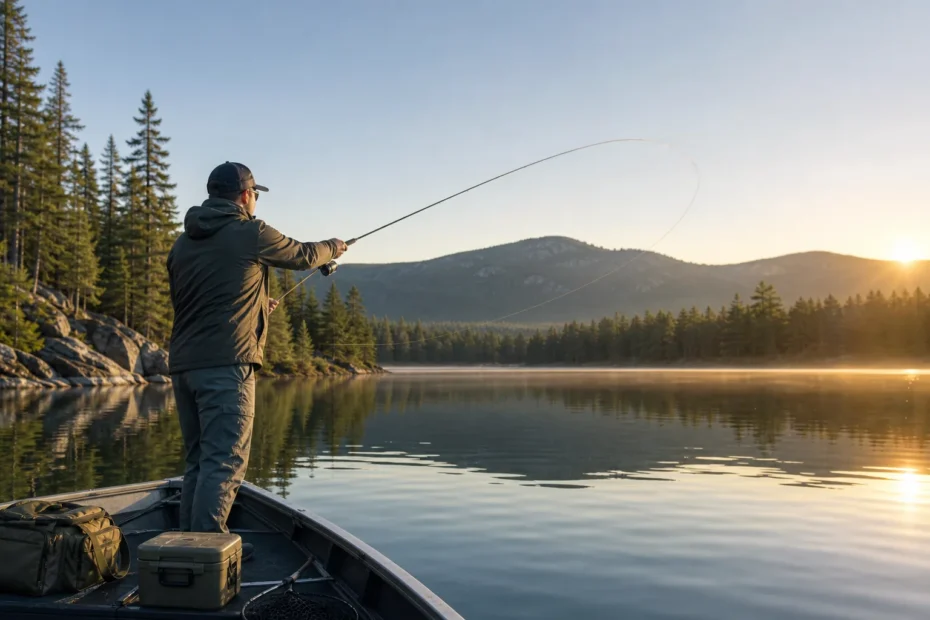
Discover the ultimate guide to freshwater fishing in Canada. Explore prime angling spots, essential gear, regulations, and insider tips for a thrilling fishing adventure.
- Start with the current official rules for Freshwater Fishing in Canada; seasons, permits, and limits can change by province or management zone
- Check the date, location, species, and licence requirements before using any checklist or trip plan
- Use the guide to spot practical risks: closures, gear restrictions, local exceptions, and proof you may need in the field
Bottom line Freshwater Fishing in Canada is safest when you verify the current official rule first, then plan gear, timing, and travel around that rule
Quick answer: how to plan freshwater fishing in Canada
Freshwater fishing in Canada is best planned by province, target species, season window and exact waterbody rules. Pick a realistic fish first, choose a lake or river style that matches your skill level, then verify the licence, zone, open season, size limits, bait rules and local exceptions on the official portal before you go.
Start with stocked trout lakes, family-friendly piers, easy shore access, yellow perch, smallmouth bass, pike or walleye water.
Use the Canada fish species hub to match species, water type and season before buying tackle.
Use our licence and regulations guide, then confirm final details with the province or territory.
Canada is built for freshwater anglers: shield lakes, prairie reservoirs, trout rivers, boreal fly-in water, Great Lakes bays, urban ponds and northern wilderness systems all fish differently. That is also why generic advice fails. The same lure, season, licence or possession rule can make sense in one province and be wrong on the next waterbody.
This guide keeps the planning simple. It does not promise live conditions, final open seasons, exact fees or guaranteed catches. It gives you the decision path CanadaFever readers need before they move into exact provincial rules, lodge choices, guided trips or species-specific tactics.
How to choose your first freshwater fishing plan
The easiest way to ruin a Canadian fishing trip is to start too big. A reader sees a famous lodge lake, a trophy photo, or a social media clip and builds the entire plan around that one image. Good trips usually start the other way around: available time, travel distance, skill level, fish target, and then the water.
If you are new, choose a trip you can repeat. A nearby lake with perch, bass, stocked trout or pike will teach more than a once-a-year destination where every mistake is expensive. If you already have the basics, then move toward species-specific water, remote access, bigger fish, or guide-supported trips.
Visual trip selector
Match the trip style to the reader, not just to the biggest fish photo.
Best for families, new anglers, shore fishing, short evenings and learning without travel pressure.
Best for learning current, structure, seasonal movement, casting angles and lure control.
Best for walleye, pike, lake trout and remote water where access is part of the experience.
Best only where ice, rules, access and safety checks are all clearly in your favour.
Freshwater fishing in Canada planning map
Use this five-step sequence before choosing a lake, booking a lodge, or buying trip-specific gear.
Province, territory, park, First Nation area, or federal water context.
Walleye, trout, bass, pike, perch, catfish, salmonids, whitefish or char.
Lake, river, reservoir, stocked pond, remote fly-in lake, or ice season.
Licence, zone, date, bait, slot, possession, closures and special waterbody notes.
One rod system, safe landing tools, weather layers, licence proof and navigation.
Where freshwater fishing is strongest in Canada
Every province and territory has freshwater opportunity, but the best choice depends on the kind of trip you want. A short family outing near a city is a different plan from a fly-in walleye week or a remote trout river.
| Region | Strong planning matches | Best first move |
|---|---|---|
| Ontario | Walleye, bass, pike, muskie, trout, perch, Great Lakes tributary species. | Start with the fishing zone and exact waterbody exception before choosing dates. |
| Manitoba and Saskatchewan | Walleye, northern pike, lake trout, perch, channel catfish, fly-in lake trips. | Decide whether the trip is drive-to, lodge-based, fly-in, or ice fishing. |
| Alberta and British Columbia inland waters | Trout, char, grayling, kokanee, stocked lakes, mountain rivers and reservoirs. | Check species-specific protections, bait restrictions, classified waters and seasonal closures. |
| Quebec and Atlantic inland waters | Brook trout, landlocked salmon, bass, walleye, pike, perch and Atlantic salmon systems. | Confirm zone, access rights, salmon river rules and whether a special licence applies. |
| Northern Canada | Lake trout, Arctic char, grayling, pike, whitefish and remote lodge trips. | Plan access, weather, community rules, outfitter support and conservation-sensitive species checks. |
Canada freshwater region patterns
This is a broad planning visual, not a lake-level fish distribution map.
The visual above is intentionally broad. It helps you avoid a common mistake: assuming Canada has one fishing pattern. Western mountain trout water, prairie walleye lakes, Great Lakes mixed fisheries, Atlantic salmon rivers and northern lodge lakes all ask for different planning steps.
Best freshwater fish to research first
Do not start with a lure. Start with the fish. Species choice controls the water, season, rod, line, leader, lure size, licence details and handling plan.
| Target | Good fit for | Planning note |
|---|---|---|
| Walleye | Food-focused lake trips, lodges, evening bites, jigging and trolling. | Check slot sizes, retention rules and lake-specific exceptions before keeping fish. |
| Northern pike | Beginner action, weedy bays, big-fish trips and fly-in waters. | Use proper leaders and careful release tools; trophy rules vary widely. |
| Smallmouth bass | Rocky lakes, rivers, family trips and active lure fishing. | Season timing and spawning closures matter; verify the exact zone. |
| Lake trout | Cold deep lakes, trolling, jigging and northern lodge trips. | Depth, release care and lake-specific rules become more important than lure choice. |
| Yellow perch | Families, ice fishing, table-fish planning and light tackle. | Perch can be common and still have local limits, closures or consumption advice. |
| Catfish | Warm rivers, shore fishing, evening sessions and bait tactics. | Confirm bait legality, live-fish transport rules and local consumption guidance. |
For a broader species comparison, use the interactive range planner on Fishing for Specific Species. If you are unsure where to go, start with best fishing spots in Canada and narrow from region to species.
Species decision board
Use this quick visual to avoid buying the wrong tackle for the wrong fish.
- Confirm whether you need a sportfishing licence, conservation licence, card/account, park permit or salmon/tag add-on.
- Check the waterbody name, fishing zone, season dates, sanctuary notes and bait restrictions.
- Check retention rules separately from catch-and-release rules.
- For national parks, provincial parks, stocked ponds, boundary waters and Indigenous-managed areas, look for special access or permit rules.
- If you are travelling from outside Canada, confirm gear transport, food, bait and border requirements before packing.
Use the Canada Outdoor Planning Tools for early planning, then use official portals for the final legal answer.
Freshwater gear that actually matters
Most beginners overpack. A medium spinning setup, a small tackle box, a landing net, pliers, polarized glasses, weather layers and a licence screenshot usually beat a truck full of mismatched tackle.
Think in systems instead of shopping lists. A rod and reel are only one part of the setup. Line strength, leader choice, hook size, landing tools and release tools matter because they affect fish handling as much as catch rate.
The same system thinking applies to the platform: our guide to the best fishing boats for Canadian water matches hull, size, towing and storage to the lake or river you actually fish.
Starter rig visual
A simple freshwater setup that can be adjusted for trout, bass, perch, pike and walleye.
Starter gear worth considering
These are category-level shopping links, not product guarantees. Match gear to the fish, rules, water and weather.
Spinning combo
A medium spinning rod and reel covers many shore, lake and river situations.
Browse on AmazonTackle storage
Use a compact box for jigs, hooks, sinkers, small lures and terminal tackle.
Browse on AmazonLanding net
A rubberized net helps with safer handling when fish must be released.
Browse on AmazonPolarized sunglasses
Polarized lenses help read shallow water, glare lines, weeds and rocks.
Browse on AmazonCanadaFever may earn from qualifying purchases. Official-source sections never contain affiliate links.
DIY trip, lodge trip, or guided trip?
Choose the trip style before choosing a destination. A DIY shore trip near a city rewards simplicity. A lodge trip rewards species research and season timing. A guided trip can help when you are new to a province, travelling with family, or targeting unfamiliar water.
Best for budget control, learning local water and short weekend plans.
Best for remote walleye, pike, lake trout and longer Canada fishing vacations. Compare options in our fishing lodges guide.
Best when time is short or the water is new. You can also compare guided options through Viator fishing experiences.
Example freshwater trip paths
Here is how the same planning method changes for different readers. These are not fixed itineraries. They are examples of how to think through time, skill, access and rules before you choose a destination.
| Reader | Good first plan | What to avoid |
|---|---|---|
| Family with kids | Choose a lake with shore access, washrooms, perch or stocked trout, short sessions and simple bobber or spinner tactics. If the group wants a structured event, start with beginner fishing competitions. | A remote trophy lake, long boat runs, complicated limits, or a species that needs heavy gear and perfect timing. |
| Beginner adult angler | Pick one local water, fish it repeatedly, learn weeds, rocks, wind, depth and one or two reliable presentations. | Buying too many lures, switching species every trip, or assuming expensive gear fixes poor location choices. |
| Travelling couple | Combine one scenic destination with a guided half-day or lodge day, then add DIY shore options around the same region. | Building the whole trip around one weather-dependent boat day with no backup plan. |
| Experienced angler | Choose a target species, research seasonal movement, confirm rules, then plan around structure and pressure. | Trusting old forum reports without checking current zone, closure, bait and retention rules. |
| Remote lodge group | Compare access method, species mix, included boats, guide support, emergency planning, fish-care rules and trip length. | Booking only from trophy photos without asking what is included, what is extra and what current rules allow. |
Reader path visual
Move from easy access toward remote water only when skill, rules and budget line up.
Learn casting, knots, fish handling, licence proof and basic species ID close to home.
Add a new lake or river, a better seasonal window and more specific tackle.
Use local knowledge when travel time, family comfort or unfamiliar water matters.
Only after access, safety, rules, weather, fish care and emergency planning are clear.
Common freshwater fishing mistakes
- Choosing a famous lake before choosing a realistic species.
- Reading a provincial summary but ignoring the exact waterbody exception.
- Assuming a fish being present means it can be kept.
- Buying heavy gear before knowing whether the trip is shore, boat, river, ice or lodge-based.
- Forgetting that park, border, bait and transport rules can matter as much as the fishing licence.
Official freshwater fishing sources
CanadaFever helps with planning. Official province, territory, federal, park and waterbody sources control final rules.
DFO recreational fishing
Federal starting point for recreational fishing context and regional rule paths.
Open official sourceBritish Columbia freshwater regulations
Official B.C. freshwater fishing regulation summaries and regional rule checks.
Open official sourceOntario fishing regulations summary
Official Ontario seasons, limits, exceptions, zones and licence-rule context.
Open official sourceAlberta fishing regulations
Official Alberta sportfishing regulations, species notes and waterbody checks.
Open official sourceSaskatchewan season dates and limits
Official Saskatchewan angling season dates, limits and licence planning information.
Open official sourceManitoba anglers guide
Official Manitoba angling guide and regulation summary for provincial waterbody checks.
Open official sourceFAQ about freshwater fishing in Canada
What is the best freshwater fish for beginners in Canada?
Yellow perch, stocked trout, smallmouth bass and pike are often easier starting points because they can be accessible from shore in many regions. The best choice still depends on your province, waterbody and season.
Do I need a licence for freshwater fishing in Canada?
Usually yes, but requirements vary by province, territory, residency, age, species and location. Always confirm on the official portal before fishing.
What is the best month for freshwater fishing in Canada?
There is no single best month. Summer is easiest for family trips and lodge travel, spring and fall can be excellent for big-fish movement, and winter can be strong where ice fishing is legal and safe.
Can visitors fish in Canada?
Visitors can often fish with the correct non-resident licence and required permits, but rules vary by province, species, park and waterbody. Check the official source before buying travel gear or booking a trip.
Where should I go after this guide?
Move from broad planning to specific research: choose a species on the species hub, compare fishing spots, then verify rules with the licence and regulations guide.