
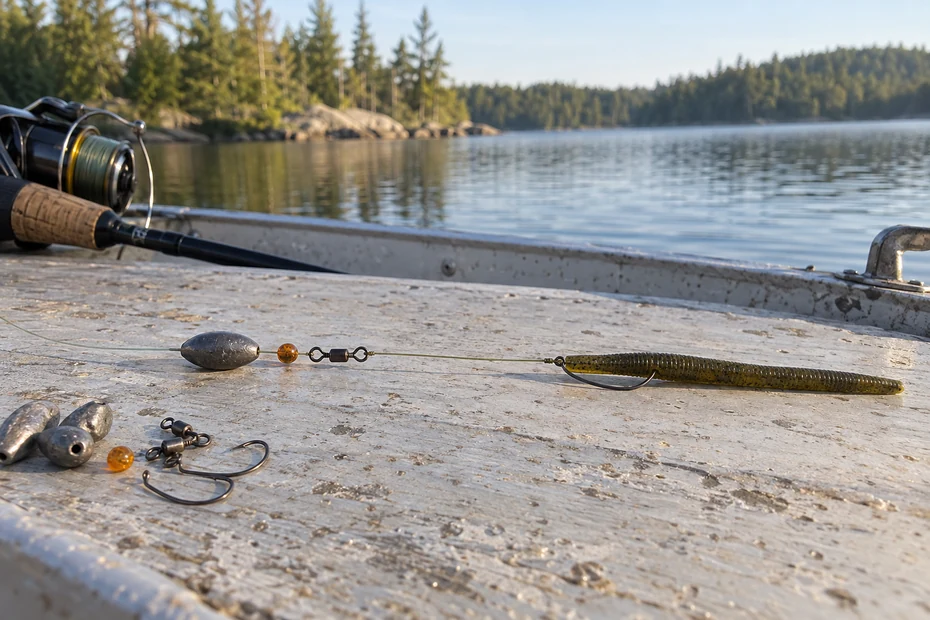
Carolina rig hooks and weights: choose and rig them
Match the hook to your soft plastic and the weight to bottom contact. Build a Carolina rig you can cast, inspect and fish under local… Read More »Carolina rig hooks and weights: choose and rig them
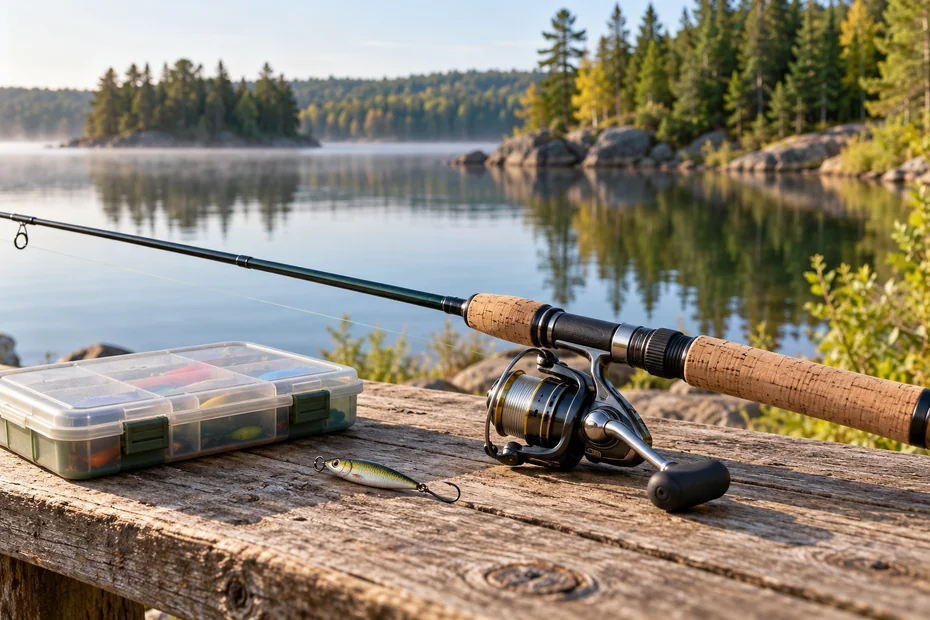
Fishing techniques are easier to compare when you start with the water in front of you. A shore caster needs room to deliver and retrieve a lure; a river angler also has current to manage. Choose one presentation to practise, then read the guide that explains its controls and limitations.
This collection covers spinning, shore fishing, fly fishing, jigging, trolling and bait presentations. Local seasons and tackle rules still determine which methods you can use.
Updated 28 October 2026.
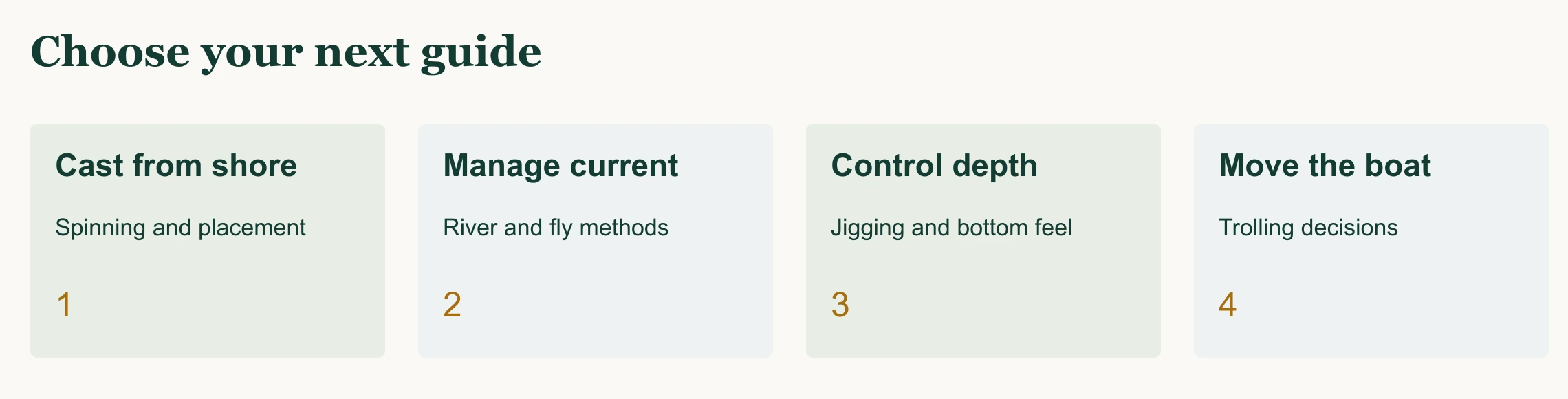
Open the full-size technique reading pathOpen the full-size technique reading path
These routes overlap. You might use a spinning presentation from shore on a lake; the method guide explains the tackle while the location guide helps you plan the place.
River fishing techniques considers how to choose a presentation for a stretch of moving water. Read it before changing several tackle variables at once. Observe the drift from stable ground and keep the river's current advisories in your plan.
For fly tackle, fly fishing techniques gives a first-session practice plan, short casts and drift control. You can practise delivery on open ground with yarn replacing the hook. A casting exercise does not require entering current.
Read the broader Canadian river fishing guide for the species, access and trip context around the method. A technique that reaches a fish-holding feature is useful only where the access, season and tackle are allowed.
Use jigging techniques to study how a weighted lure moves and how you maintain contact. A short, repeatable movement gives you something to compare when you change lure weight or retrieve pace.
The Carolina rig guide explains a different arrangement: the sinker contacts bottom while a leader separates the bait from it. Read the cover and snag limitations before choosing it for a crowded or obstructed bank.
For an outing where a boat moves the presentation, trolling techniques covers speed and depth decisions. Boat operation, weather and required safety equipment remain separate checks. A trolling setup is not a reason to expand a simple shore trip into a boating trip.
The live-bait guide belongs after a local bait check. Ontario's open seasons and sanctuaries guidance explains why a closed target species remains off limits even if you intend to release it. British Columbia's regulations page links the regional rules and subsequent changes. Use the corresponding authority wherever you fish.
For coastal feeding questions, read whether fish eat seaweed. It separates direct grazing from prey and spawning habitat. A natural feeding relationship does not establish permission to collect vegetation or use it as bait.
The guides below continue the collection, including more specialised methods and conditions. Use them with the freshwater planning guide when you need to connect a presentation with a Canadian destination.

Match the hook to your soft plastic and the weight to bottom contact. Build a Carolina rig you can cast, inspect and fish under local… Read More »Carolina rig hooks and weights: choose and rig them

Wahoo fish are fast, toothy, and unforgiving. Learn how to identify them, troll smarter, and catch more on your next offshore trip.
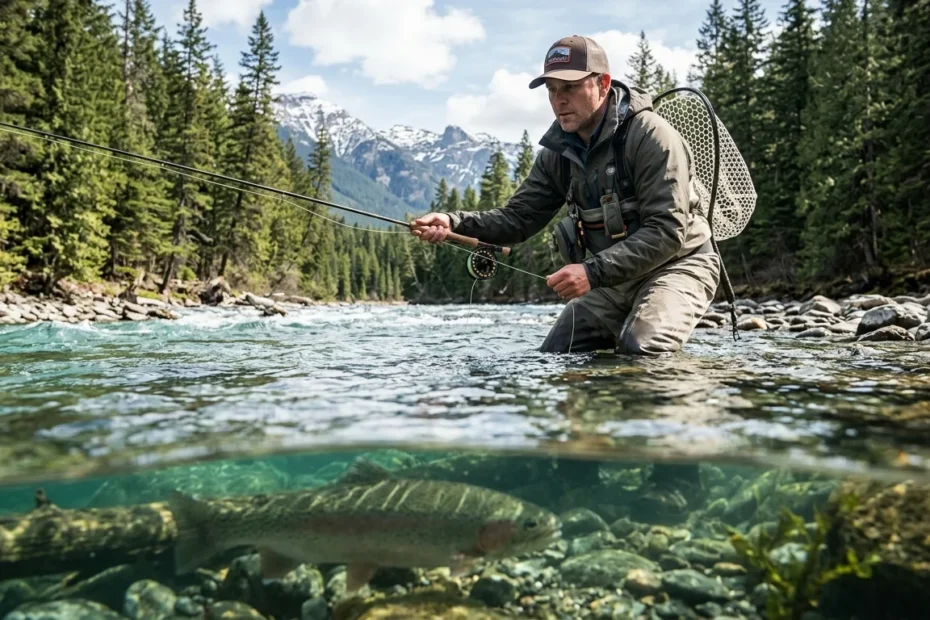
Learn river fishing in Canada with species targets, current-reading tips, seasonal patterns, gear, safety checks, and official licence links.

If you want to know when does the fishing season start, the true Canadian answer is: it never really stops—it just changes water states. But… Read More »When Does the Fishing Season Start? The Canadian Angler’s Opener Guide
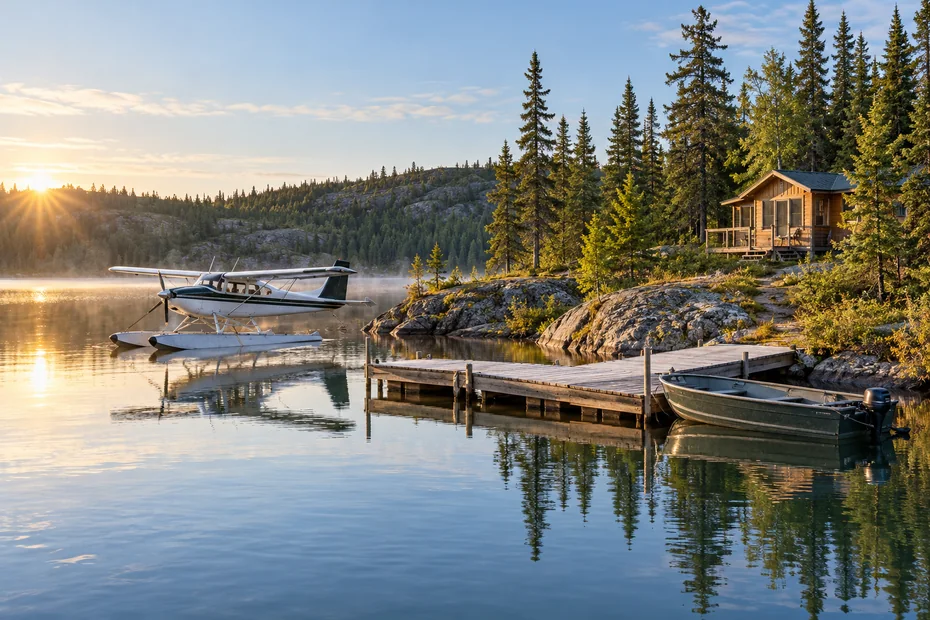
Compare Manitoba fly-in service levels and named operators, build the complete travel budget and check flights, baggage, lake rules and booking terms.
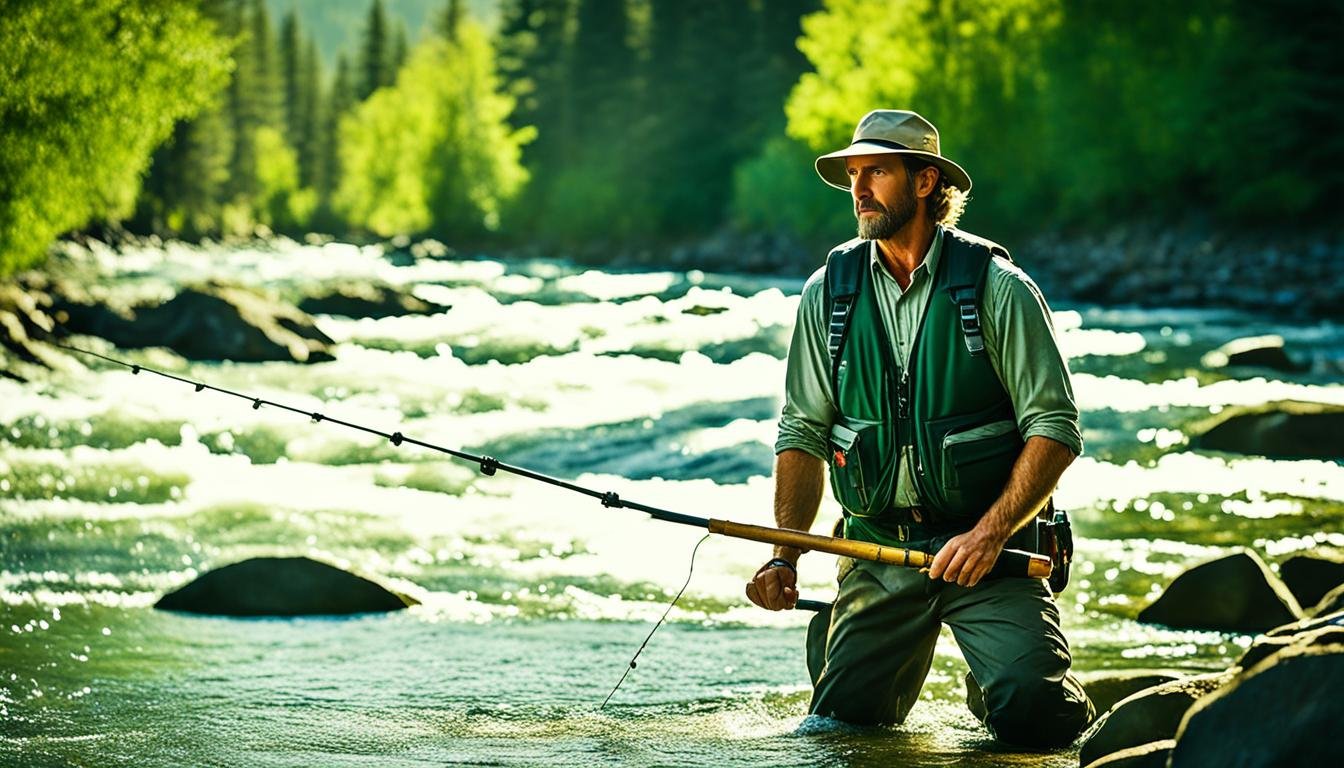
River Fishing Techniques in 2026: a simple system to read rivers, pick winning rigs, and catch more trout, bass, and walleye.

Discover the essentials of Saltwater Fishing along Canada’s coastlines. Learn about gear selection, top fishing spots, seasonal tips and local regulations for a successful catch
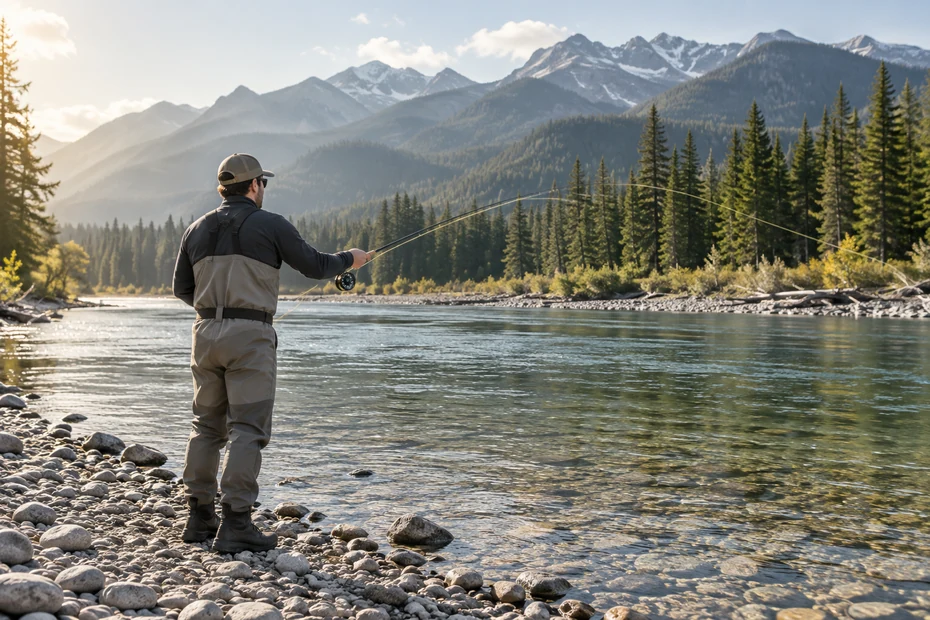
Learn fly fishing techniques with short casting drills, roll casts, current reading, mending and dry-fly, nymph and streamer presentations.
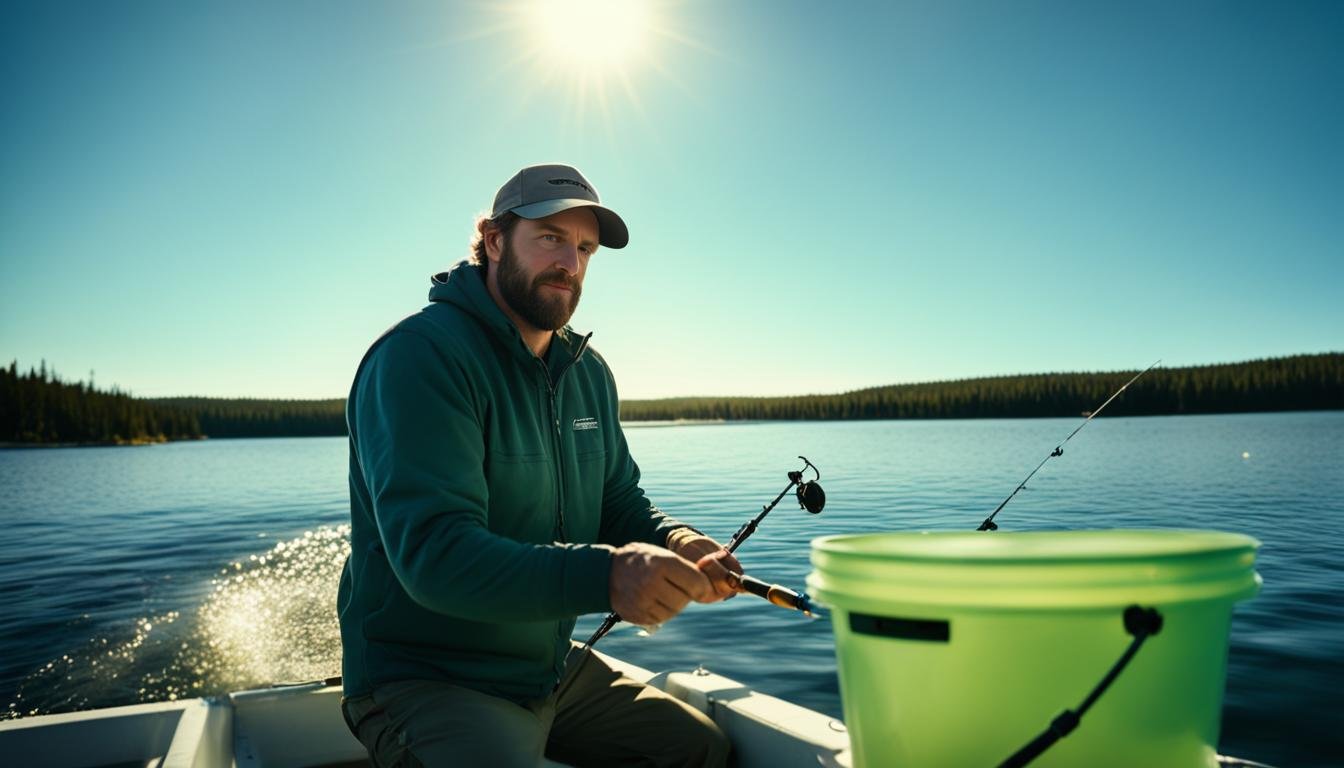
Master fishing with live bait: simple rigs, seasonal strategies and ethical tactics to catch more fish with confidence.
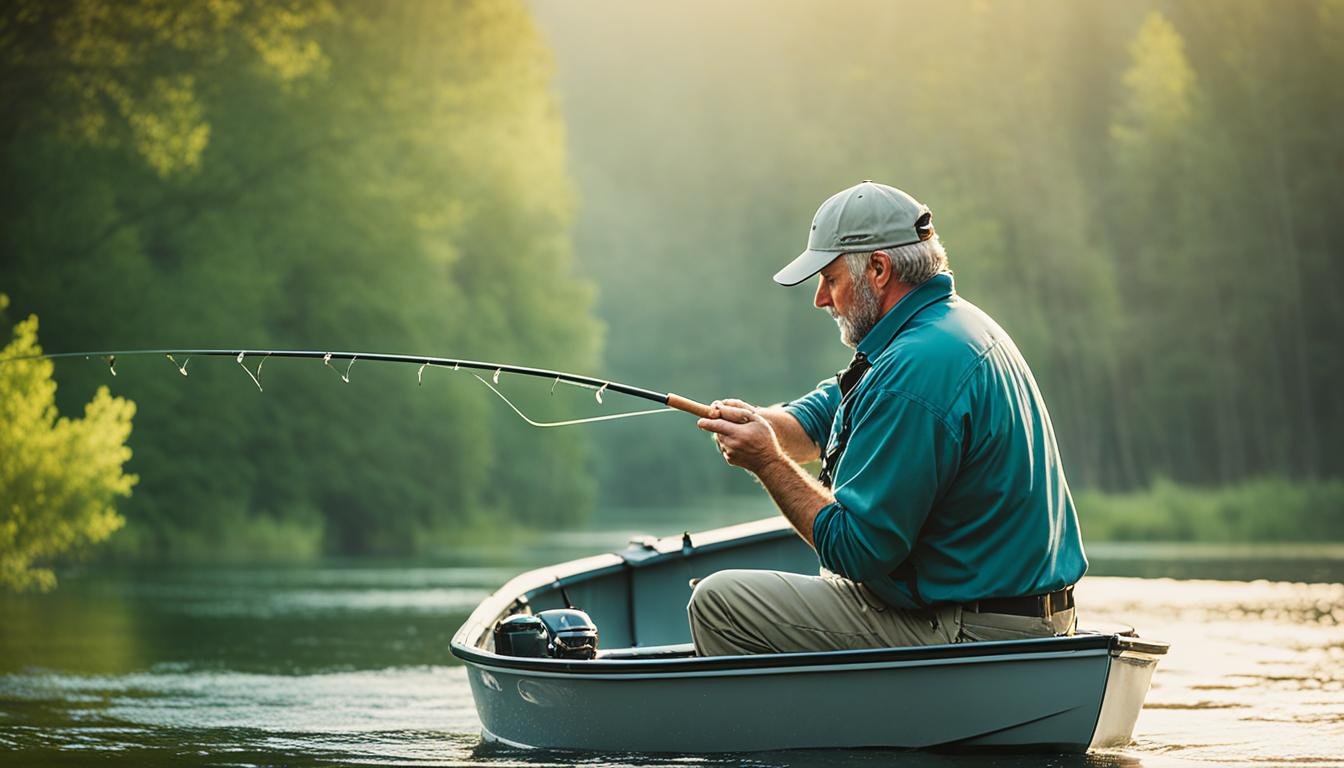
Master drift fishing techniques with simple rigs, gear tips, and pro tricks to catch more fish from boat, bank, or kayak in any current.