

Canada-first guide to fly-in fishing and hunting lodges: floatplane payload, remote safety, licences, WMU checks, lodge tiers, conservation and premium gear CTAs.
- Floatplane payload, weather, fuel, passengers and gear must be confirmed before packing.
- Remote fish and game trips need licence, WMU, conservation and cold-chain checks.
- The best lodge choice depends on aircraft, communication, boats, guide support and rules.
Bottom line Book the lake, aircraft and legal requirements together before sending a deposit.
Quick answer
Fly-in fishing and hunting lodges: book the aircraft, lake and rules together
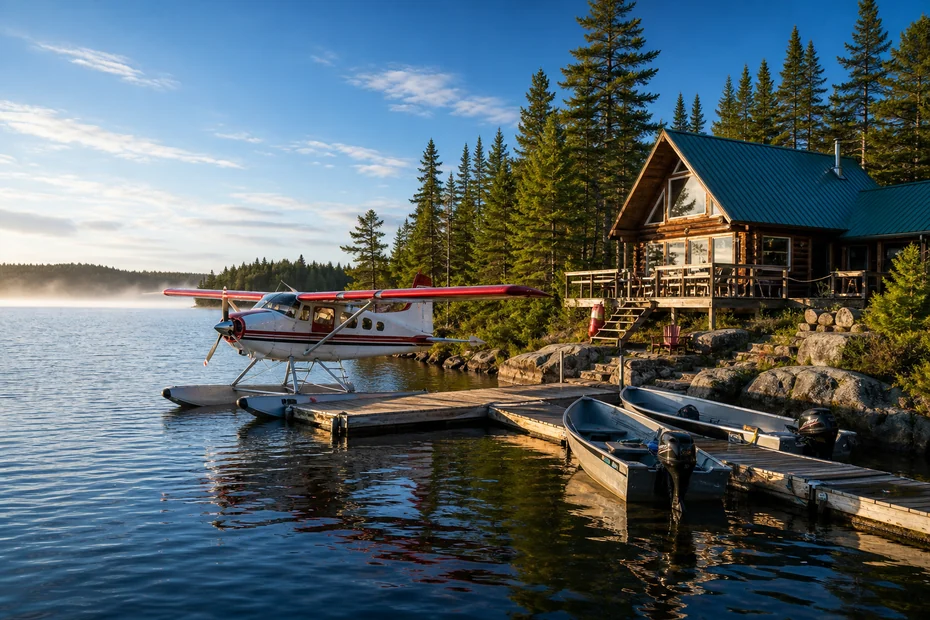
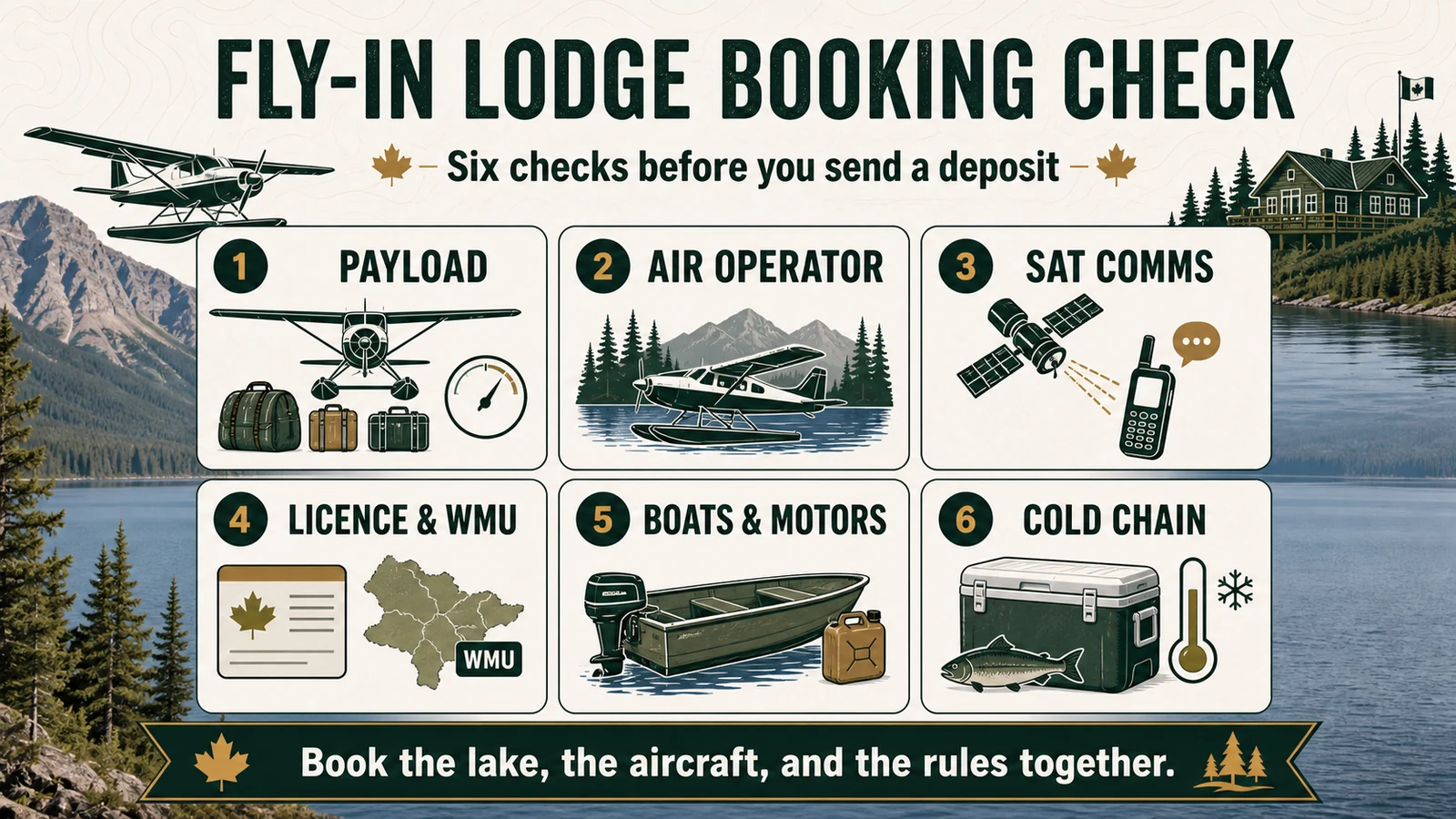
Fly-in fishing and hunting lodges in Canada are not just remote cabins with good views. Before you send a deposit, confirm floatplane payload, air operator, satellite communication, licence or WMU rules, boat systems, harvest policy and cold-chain logistics.
Quick answer
How to judge fly-in fishing and hunting lodges before you pay
Safety gate
Ask who operates the aircraft, what the baggage limit means in real conditions, how weather delays work and what communication exists at the outpost.
Remote guests should test the complete shell and layering system before departure; the Canadian fishing rain-gear guide covers cold rain, bib fit and packable backup layers.
Fish and game gate
Ask about lake pressure, catch-and-release policy, boats, motors, guide time, WMU or fishery zone and how harvested fish or meat is cooled.
Money gate
Ask what the deposit covers: flights, fuel surcharges, guide days, licences, bait, tags, food, evacuation, double flights and weather-delay nights.
Selector matrix
The fly-in lodge type that fits your trip
| Guest profile | Best lodge class | What to verify | Best next step |
|---|---|---|---|
| Hardcore walleye or pike angler | Single-lake outpost cabin | Boat quality, motor backup, conservation policy, lake pressure and sat communication. | Compare target-species lodges such as Ontario walleye lodges or Manitoba pike lodges. |
| Moose, bear or wolf hunter | Guided or semi-guided remote camp | WMU, guide authority, tags, firearm documents, meat care, cold storage and reporting rules. | Start with Canada hunting regulations and the broader hunting in Canada guide. |
| Family or corporate group | Full-service American Plan lodge | Guide pool, meal plan, medical plan, child safety, communications and boat operator expectations. | Compare comfort-first options in luxury fishing and hunting lodges. |
| Budget remote traveler | Housekeeping or drop camp | Food weight, generator hours, propane, outhouse/shower setup, emergency contact and weather-delay policy. | Use the fishing lodges in Canada hub to compare less remote options too. |
Aviation logistics
Floatplane payload is a safety system, not a negotiation
A fly-in lodge trip often depends on aircraft such as a Cessna 185, De Havilland DHC-2 Beaver or DHC-3 Otter. The exact aircraft matters less than the rule: the operator and pilot calculate weight and balance from passengers, fuel, cargo, weather, water conditions and required reserves.
Useful payload is not just “how much gear fits.” A practical way to think about it is: available load = aircraft limit minus pilot, fuel, passengers, required equipment and conditions. Hot air, rough water, short takeoff distance or extra fuel can reduce what the aircraft can safely carry.
Never pressure the pilot
Pack soft-sided duffels, weigh food and tackle, and accept the lodge limit. If your group needs coolers, firearms cases, extra batteries or camera gear, ask whether the outfitter plans a second flight or a larger aircraft. This guide is planning information, not aviation, legal or emergency-response advice.
Guide’s Log
What a remote lodge really feels like after the plane leaves
The moment that teaches people respect for fly-in trips is not always the takeoff. It is the quiet after the engine fades and the dock stops shaking. Suddenly the lake, the boats, the cabin and the gear pile are the whole world for the week.
That is when a good lodge feels different from a pretty brochure. The motor starts clean. The satellite device is where the manager said it would be. The fish-cleaning table is clean, the fuel cans are labelled, the map has hazard notes, and the cabin has enough screened space to keep bugs out while weather pins you down.
A weak setup feels different too. One leaky boat, one dead pull-start, one missing radio, one cooler full of soft ice. Remote country does not forgive sloppy logistics. Before you ask whether a camp has “trophy fishing,” ask whether the small systems are tight.
Lake biology
Why “pristine” does not mean unlimited fish
Many Canadian fly-in lakes are cold, clear and low in nutrients. Anglers often call them pristine, but biologically that can mean slow growth and limited replacement of large predator fish.
In midsummer, walleye, pike and lake trout position around temperature, oxygen, forage and thermocline structure. A strong outfitter can explain how the lake fishes by season instead of promising that every guest will catch a wall-hanger.
The Local Secret
The best outposts protect the very fish that sell the trip. Keep smaller legal fish for a shore lunch when rules allow it, photograph big pike, walleye and lake trout quickly, and release them cleanly. A remote lake can feel endless from the air and still be biologically fragile.
Legal and licence checks
Hunting, fishing and WMU rules must be settled before booking
Fishing and hunting rules vary by province, territory, waterbody, zone, date and residency status. For Ontario trips, check the official Ontario Fishing Regulations Summary and Ontario Hunting Regulations Summary before relying on lodge marketing copy.
If the trip involves hunting, verify the Wildlife Management Unit, outfitter or guide requirements, non-resident licence path, firearm paperwork, tags, hunter reports and meat export or transport steps. For fishing-only trips, verify licences, conservation limits, live bait rules, barbless rules where applicable and possession limits.
Budget tiers
What you are really paying for
| Tier | Typical fit | Value signal | Red flag |
|---|---|---|---|
| Premium guided lodge | Families, corporate groups, first-time remote travelers | Guide pool, meal plan, reliable boats, comms, weather support and clear evacuation plan. | Beautiful cabins but vague aircraft, rules or emergency details. |
| Housekeeping outpost | Experienced anglers who can cook, run boats and manage weather downtime | Exclusive lake access, simple cabins, clear boat/motor specs and realistic packing list. | No satellite contact, no motor backup and unclear fuel policy. |
| Remote hunting package | Hunters needing tags, guide support and meat logistics | Clear WMU, guide, tag, firearm, reporting and cold-chain plan. | “Big game available” language with no licence or operator detail. |
Affiliate gear checklist
Premium gear worth comparing before a fly-in lodge trip
Affiliate disclosure: CanadaFever may earn from qualifying Amazon purchases. These products are not a substitute for outfitter instructions, aircraft limits or official rules; use them as comparison starting points and confirm they fit your lodge’s packing list.

Satellite communication
Garmin inReach Mini 2 Satellite Communicator
Best for: fly-in outposts without cell coverage, solo boat days and emergency check-ins.
Confirm subscription, coverage, battery plan and local emergency protocol with the lodge.
Check on Amazon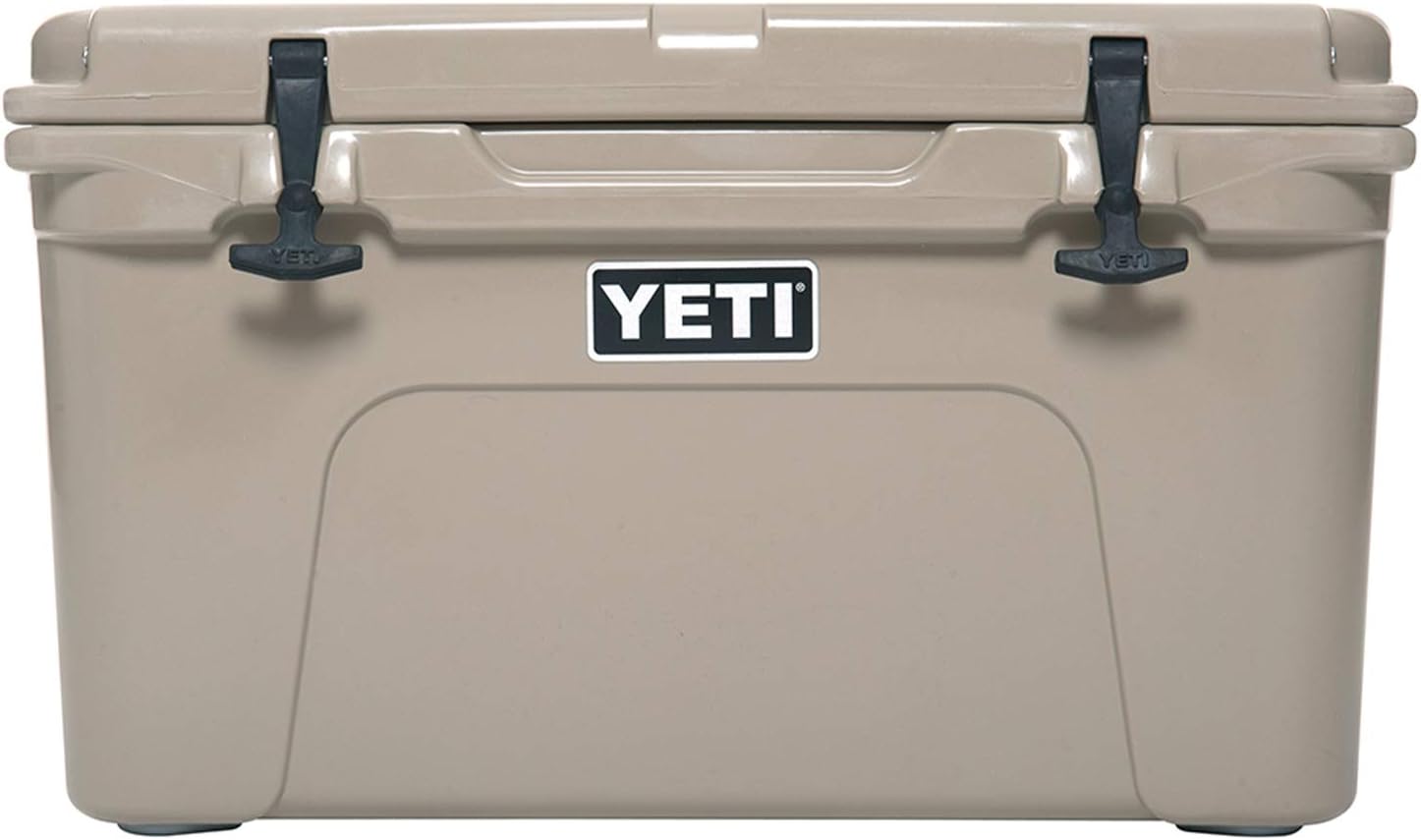
Cold-chain protection
YETI Tundra 45 Hard Cooler
Best for: meat, fish and perishable food transport when the aircraft and outfitter allow hard coolers.
Hard coolers are heavy; ask the outfitter before packing one on a strict floatplane payload.
Check on Amazon
Wet-weather fishing
Simms Freestone Stockingfoot Chest Waders
Best for: shoreline, creek-mouth and cold-water sessions when lodge boats are not the only option.
Match size and boots carefully; waders add bulk and should be justified by the trip plan.
Check on Amazon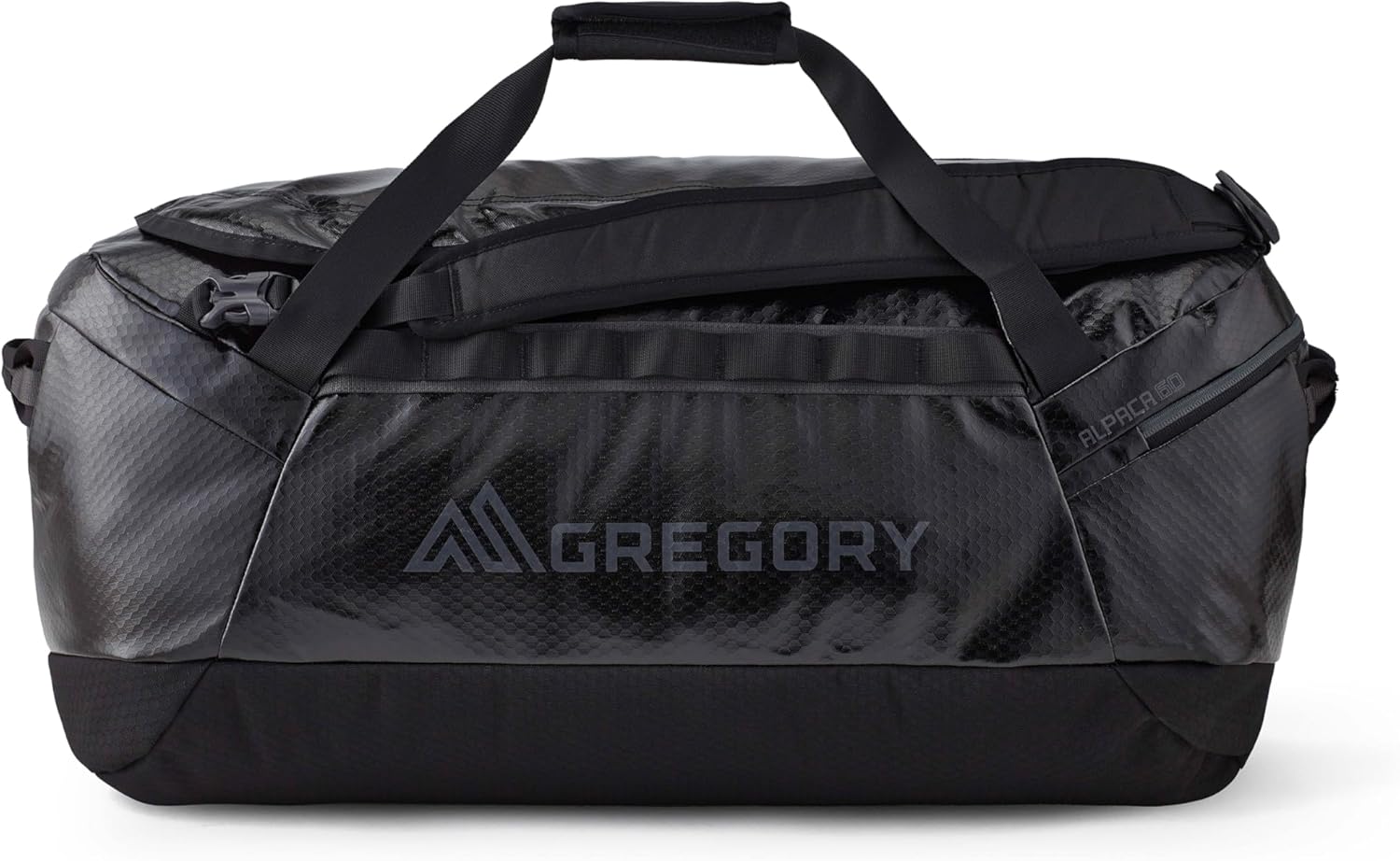
Soft-sided payload packing
Gregory Alpaca 60L Water-Resistant Duffel
Best for: floatplane-friendly soft packing, wet gear separation and cabin-to-dock transfers.
Soft duffels usually fit aircraft cargo holds better than rigid bins, but weight still rules.
Check on AmazonThe Pre-Trip Protocol
Before you send the deposit
Step 1: Confirm access
Ask for aircraft type, baggage limit, soft-bag requirements, weather-delay rules and who operates the flight.
Step 2: Confirm rules
Check fishing zone, hunting WMU, tags, guide requirements, reporting and possession rules from official sources.
Step 3: Confirm systems
Verify satellite communication, boat/motor backup, cold storage, first-aid plan, evacuation plan and refund terms.
Official sources
Sources to check before a remote trip
Aircraft and operations
Use Transport Canada air taxi standards as the official starting point for commercial air-service context. Your outfitter should still answer operator-specific questions in plain English.
Rules and safety
Pair official fishing and hunting regulation summaries with CanadaFever’s fishing licence guide, hunting safety guide and bear spray buyer guide when the destination is remote bear country.
FAQs
Fly-in fishing and hunting lodges in Canada FAQs
How much gear can I bring on a fly-in lodge trip?
There is no universal number. The pilot and operator set the final limit from aircraft type, fuel, passenger weight, cargo, lake conditions, temperature and required reserves. Treat the lodge's gear limit as a safety rule, not a suggestion.
Are fly-in fishing and hunting lodges better than drive-to lodges?
They can be better for remoteness, low pressure and wilderness feel, but they also carry higher cost, stricter packing limits and more weather risk. Drive-to lodges are easier if your group needs flexibility, medical access or heavy gear.
What should hunters verify before booking a remote lodge?
Verify province or territory rules, residency status, guide requirements, WMU or zone, tags, firearm paperwork, export or transport rules, meat handling and mandatory reporting. Do this before the deposit, not after the flight is booked.
Why do remote fly-in lakes need harvest restraint?
Many northern lakes are cold, low-nutrient systems where large predator fish grow slowly. A few heavy harvest weeks can damage the trophy class. Keep shore lunch selective and release large pike, walleye and lake trout unless rules and lodge policy say otherwise.
What questions should I ask a fly-in outfitter before sending money?
Ask about the air operator, payload limit, baggage format, satellite communication, boats and motors, guide availability, fish or game handling, licence help, refund terms, weather delays and what happens during a medical evacuation.