

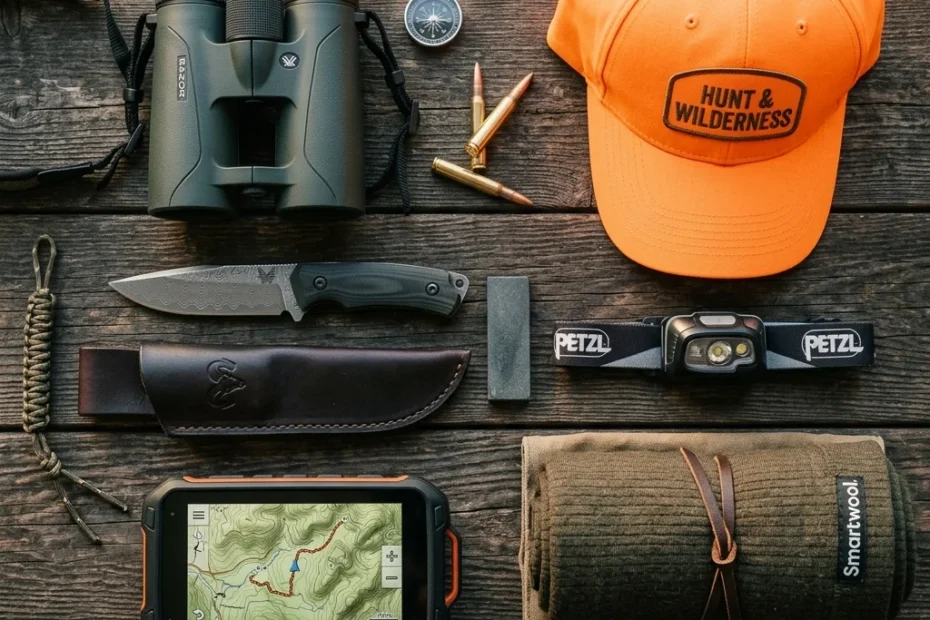
Build a smarter hunting kit. This Hunting Gear Guide shows you how to build a modular gear system for any hunt and budget.
- Plan Hunting Gear Guide around legal seasons, land access, firearm or bow rules, and current provincial or federal requirements
- Scout habitat, weather, travel routes, and animal movement before you commit to a field setup
- Keep safety, identification, permission, and retrieval plans clear before the hunt starts
Bottom line Hunting Gear Guide works best when legality, scouting, and safety are settled before tactics or gear choices
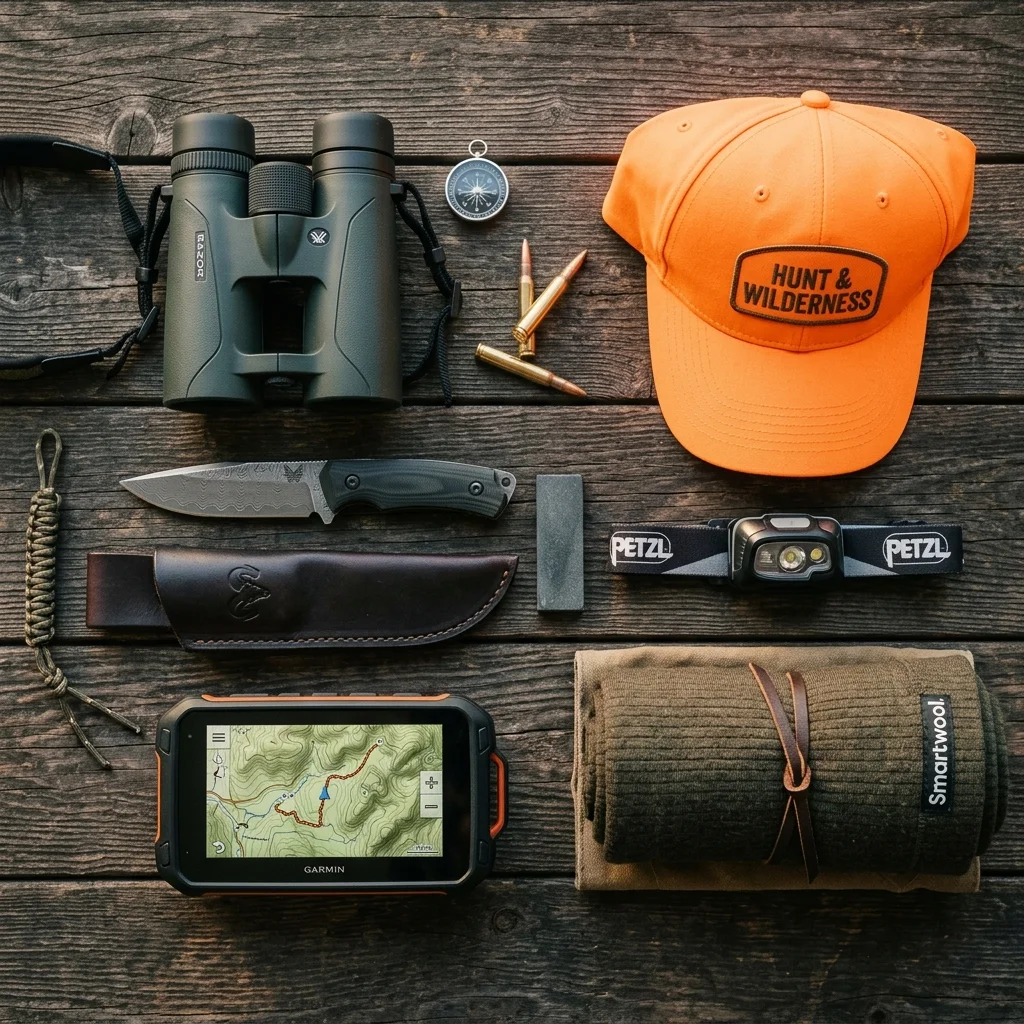
This Hunting Gear Guide is for real hunters who are tired of random gear lists and want a clear system that actually works in the field.
Most guides throw 60+ items at you and say, “You need all this.” You don’t. You need a core kit that always comes with you, and a few add-on modules that you plug in based on your hunt, season, and budget.
That’s what we’ll build here: a simple, modular gear system you can grow over time instead of buying everything at once.
⚡ Key Takeaways
- Feet and Eyes First: If your budget is tight, invest most of your money in broken-in, quality boots and high-performing binoculars. Better optics will find game that your rifle never will.
- Avoid Cotton: Synthetic or merino base layers are non-negotiable. Cotton absorbs sweat, loses insulation, and causes dangerous chills in cold conditions.
- Build Modularly: Your Core Kit covers 80% of outdoor trips. Expand with focused modules (like backcountry or late-season) when your targets shift.
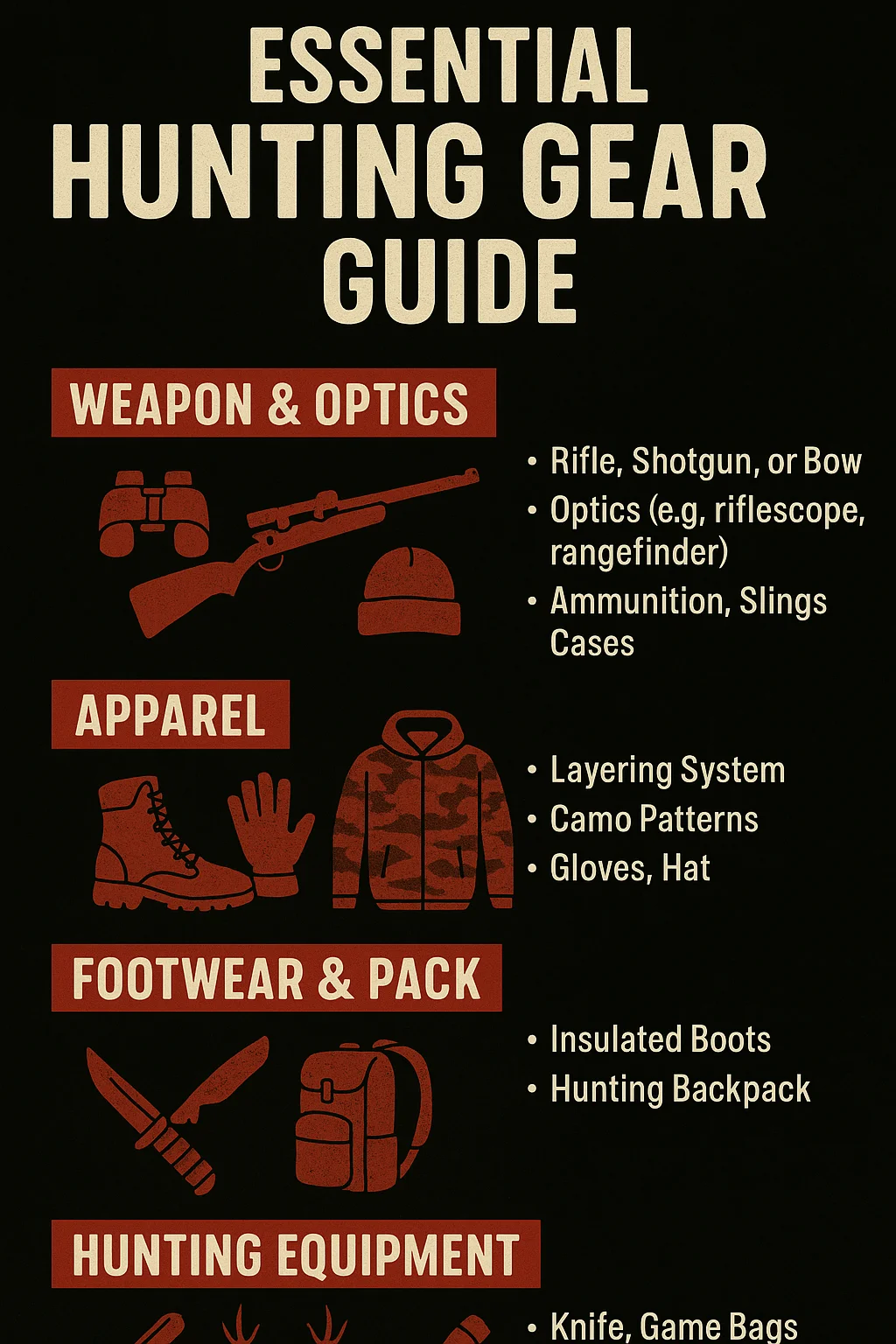
The Modular Hunting Gear Roadmap
Use this table as a simple roadmap. You’ll see the Core Kit plus the most important modules you can add later.
| Gear Module | Key Items (Examples) | Best For |
|---|---|---|
| Core Day-Hunt Kit | Weapon system, optics, layering clothes, boots, pack, kill kit, safety & nav | Every hunt: deer, elk, upland, small game |
| Backcountry / Overnight | Tent or tarp, sleeping bag, sleeping pad, stove, fuel, water filter | Multi-day trips, mountain or remote hunts |
| Specialty Hunt Modules | Tree stand/saddle, waders & decoys, turkey calls, scent control | Whitetail, waterfowl, turkey, family hunts |
You’ll build this system step by step.
The Foundation: Your Core Day-Hunt Kit
Your Core Kit is the gear that comes with you on almost every hunt. Think of it as your minimum viable setup. If your budget is tight, start here. Get this kit dialed in before you even think about fancy extras.
1. The Weapon System: Your Ethical Tool
Your weapon system is simple:
- One rifle, shotgun or bow you know well.
- The right ammo or arrows.
- A solid sling and protective case.
Pick one platform and commit. It’s better to know one rifle very well than to own three you rarely shoot. Practice from field positions, not just from a bench. If you’re hunting in Canada and want to understand the bigger picture of seasons, species and hunt types, read our main overview on hunting in Canada.
2. The Optics System: See More, Hunt Smarter
Good optics find animals your naked eye never will. In many cases, you’ll get more value from better binoculars than from a more expensive rifle.
Your basic optics system:
- Binoculars (e.g., 8×42 or 10×42).
- A compact rangefinder.
- A simple but reliable scope or bow sight.
Celestron Outland X 8×42 Binoculars (B004KM82IQ)
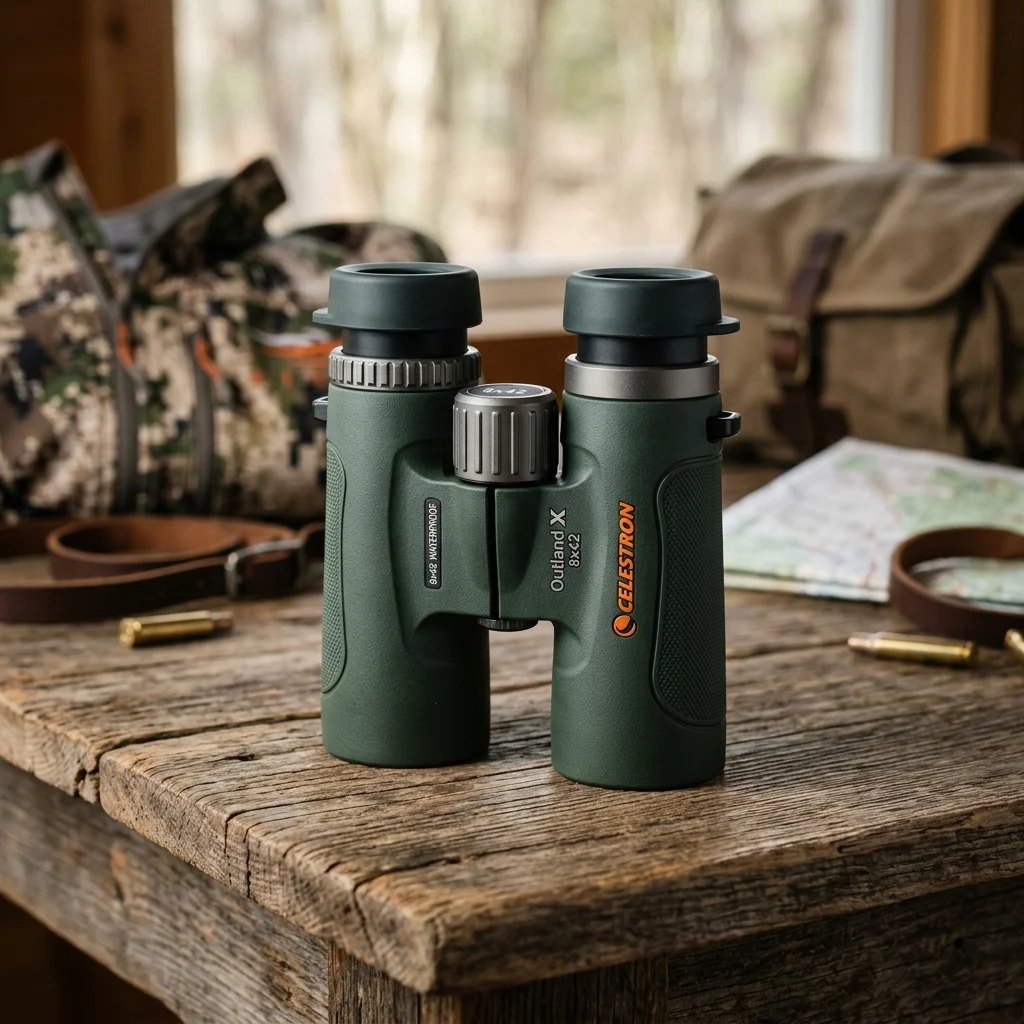
For a reliable entry-to-mid level optics option that performs well in low-light hunting scenarios, the Celestron Outland X 8×42 features multi-coated optics, waterproof and fogproof protection, and a durable protective rubber armor exterior.
3. The Clothing System: Layering, Not Just Camo
Clothing is not about looking cool. It’s about staying dry, warm and quiet so you can focus on the hunt. Your clothing system has three layers:
- Base Layer – Moves sweat away from your skin. Synthetic/merino only; avoid cotton.
- Mid Layer – Traps heat. Fleece, wool, or synthetic puffy.
- Outer Layer / Shell – Blocks wind and rain. Must be a quiet fabric.
Smartwool Classic Thermal Merino 250 Crew (B003CUAD9S)
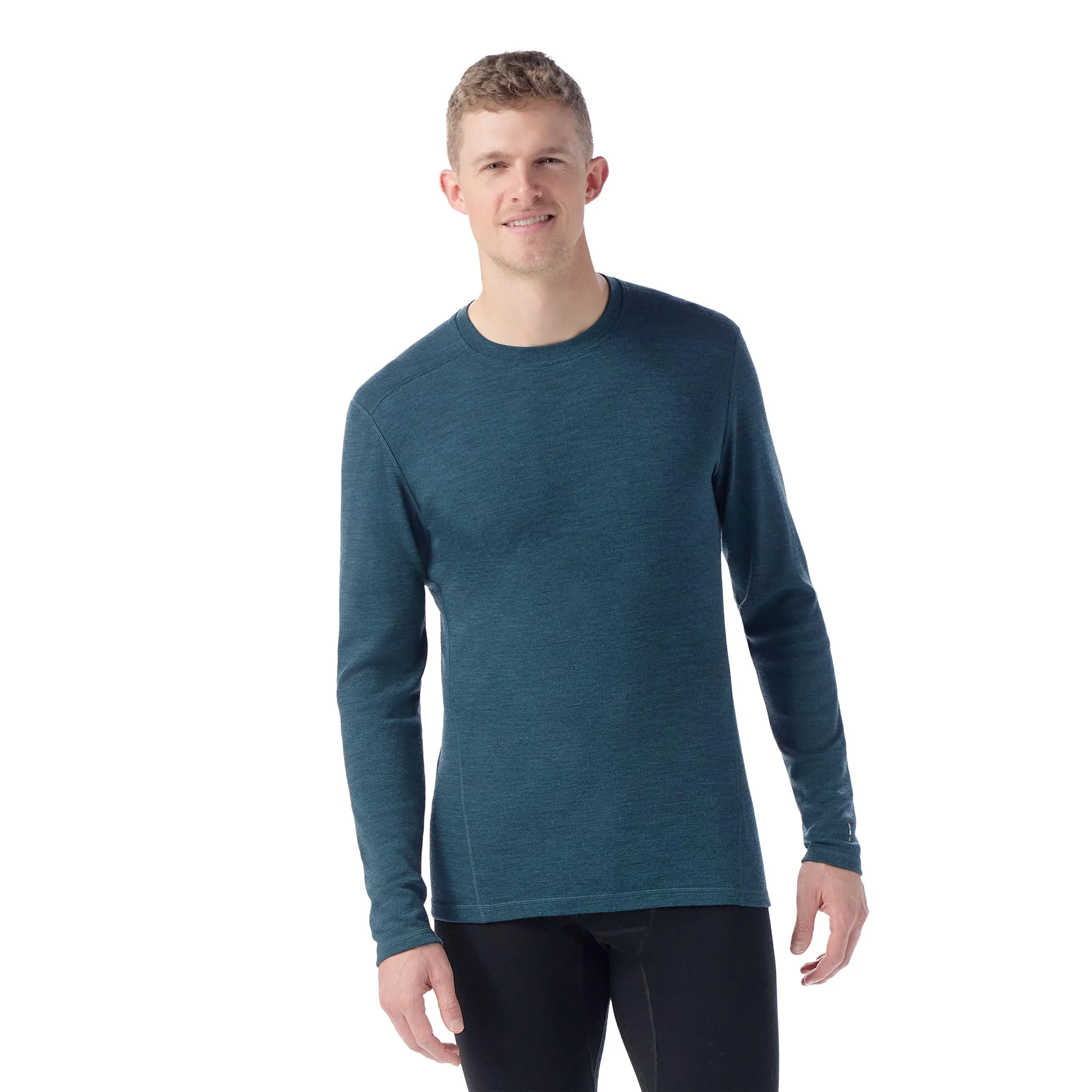
A 100% merino wool heavy base layer crew that manages sweat and body temperature perfectly during long cold-weather sits in stands or blinds.
For game-specific clothing ideas, check related pages like waterfowl hunting and deer hunting, where conditions and movement patterns are very different.
4. Footwear: Your Most Important Gear Investment
If your feet are wrecked, your hunt is over. Choose boots based on terrain, season, and waterproofing needs. Invest in quality merino wool socks, buy at least two pairs so you can rotate them, and break in your boots weeks before the season.
5. The Hunting Pack: Your Mobile Basecamp
Your pack carries everything that keeps you safe, fed and ready. For day hunts, look for a capacity around 20–35 liters with a comfortable hip belt and quiet fabric. Pack must-haves: water, snacks, extra layers, kill kit, first-aid kit, and a reliable headlamp.
6. The Kill Kit: When the Real Work Starts
When an animal is down, the real work begins. A simple kill kit containing a sharp fixed-blade knife, synthetic game bags, nitrile gloves, and field wipes will save you time and preserve the meat.
7. Safety & Navigation Essentials
This is the gear that doesn’t feel exciting, but it’s what gets you home safely. Always carry a blaze orange vest and hat, a trauma first-aid kit, headlamp, navigation unit/phone app with offline mapping, and a backup compass.
Interactive Gear Bag Checklist Generator
Deer, Moose, Elk. Focuses on heavy meat packout, scent control, and tracking gear.
Ducks & Geese. Focuses on chest waders, decoying setups, and calls.
Turkey, Grouse, Pheasant. Focuses on seat comfort, ground calling, and light brush pants.
General wilderness trekking. Focuses purely on core navigation, safety, and pack essentials.
0°C to 10°C. Standard layering, grid fleece, windproof shells, and waterproof boots.
Sub-zero (<0°C). Heavy thermal base, insulating puffy, silent parka, mitts, and warmers.
Above 10°C. Lightweight active base layers, high breathability, and non-insulated boots.
Returning to base camp or vehicle daily. Daypack systems (20-35L) and core safety.
Camping / backpacking out. Adds sleep systems, shelter, stove, and water filtration.
0% Packed (0/0 items)
Level Up: Specialized Add-On Modules
Once you have your Core Kit sorted, expand your capability with these modular packs:
Module 1: Backcountry / Overnight Kit
For multiday excursions into the Canadian backcountry, pack weight and survival systems become critical. Your survival depends on protecting your body heat and securing water sources.
- Backpacking Tent/Tarp: Ultralight, windproof structure.
- Sleeping System: Down sleeping bag rated below target temperatures and an insulated sleeping pad.
- Backpacking Stove: Lightweight canister stove with titanium pot.
- Water Filter: Gravity or squeeze filter (e.g. Sawyer) to process backcountry water.
Sawyer Squeeze Backcountry Water Filter (B07CGC2H1X)
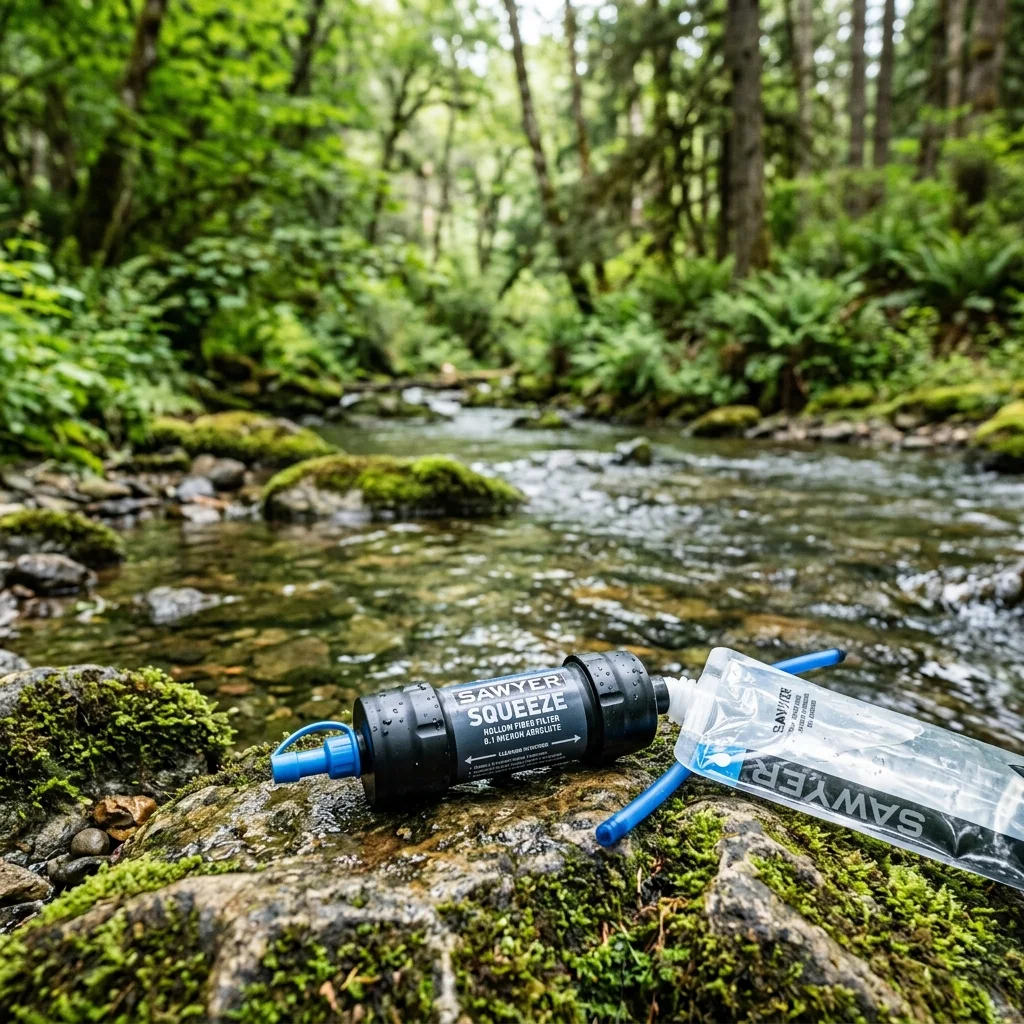
The gold standard for backcountry water filtration. Extremely lightweight, durable, and handles high volume streams without slowing down.
Module 2: Late-Season & Cold Weather Kit
The Canadian late-season deep freeze can ruin hunts due to hypothermia. The goal is to sit still without freezing your extremities.
- Heavyweight Insulation: Silent bibs, down puffy layer, and heavy wind-blocker parka.
- Extreme Insulated Boots: Footwear rated with 1000g+ Thinsulate or pac boots.
- Chemical Warmers: Hand, toe, and body warmer packs.
Muck Boot Arctic Sport Rubber Boots (B000ARGJN6)
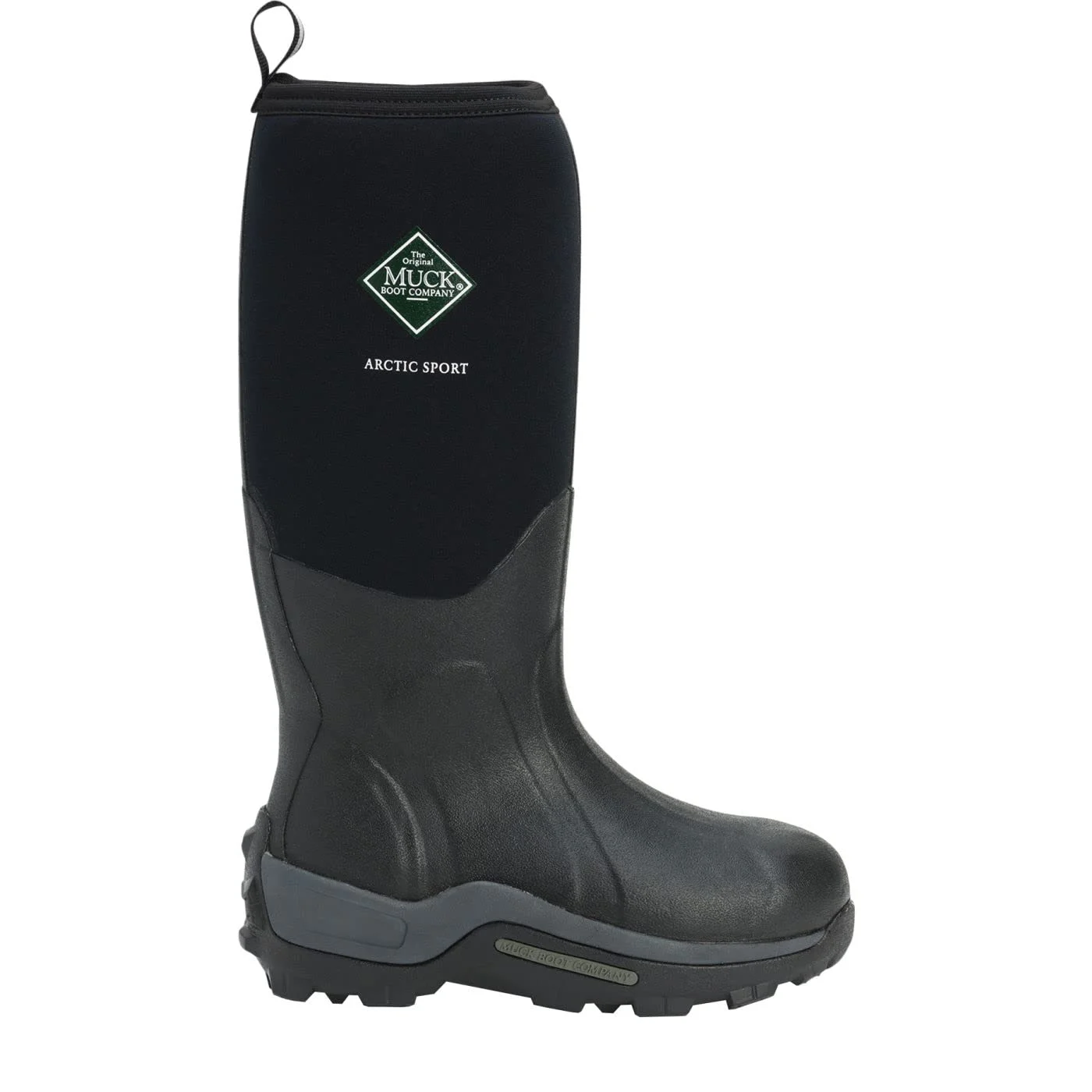
Fully insulated, heavy-duty waterproof boots rated to -40°C. Perfect for standing in snow, freezing mud, or low-activity winter sits.
Module 3: Waterfowl Hunting
Waterfowl hunts require dedicated wet-weather shielding and attractants. Don’t bring standard deer gear to the marsh.
- Chest Waders: Heavy-duty neoprene or breathable waders with integrated boots.
- Decoys & Calls: Standard duck/goose call spread and floating decoys.
- Non-Toxic Ammunition: Steel, bismuth, or tungsten shot (mandatory under Canadian federal law).
Neoprene Chest Waders (B00CO91H52)
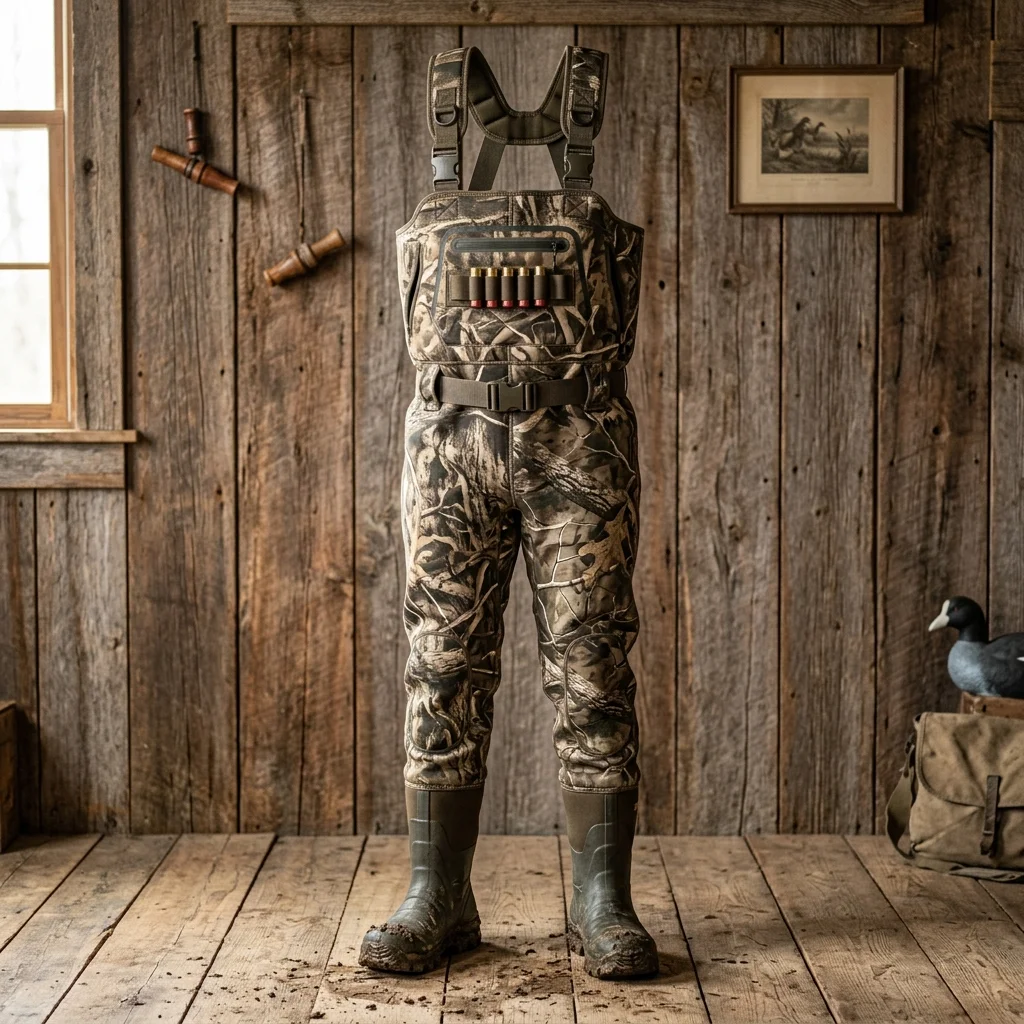
A durable neoprene setup with integrated thinsulate boots. Essential for setting decoys and recovering downed birds in wet marshland.
Practice & Processing Systems
Pre-Season: Practice & Setup System
Prepare your equipment weeks before opening day. Get consistent from field positions instead of just shooting off benches.
- Targets: Archery blocks or steel targets.
- Bipod/Rest: Stabilize your rifle for ethical shot placement under field stress.
- Rangefinder Calibration: Confirm range markers match scopes.
Post-Season: Field-to-Freezer System
Meat care starts the minute the animal is down. High-quality home-processing gear preserves venison cleanly.
- Heavy Duty Tarps: Protect vehicle beds and processing floors.
- Gambrel and Hoist: Secure hangers for clean skinning.
- Vacuum Sealer: Ensure zero freezer burn for long-term storage.
Vacuum Sealer Kit (B01DTOTZOY)
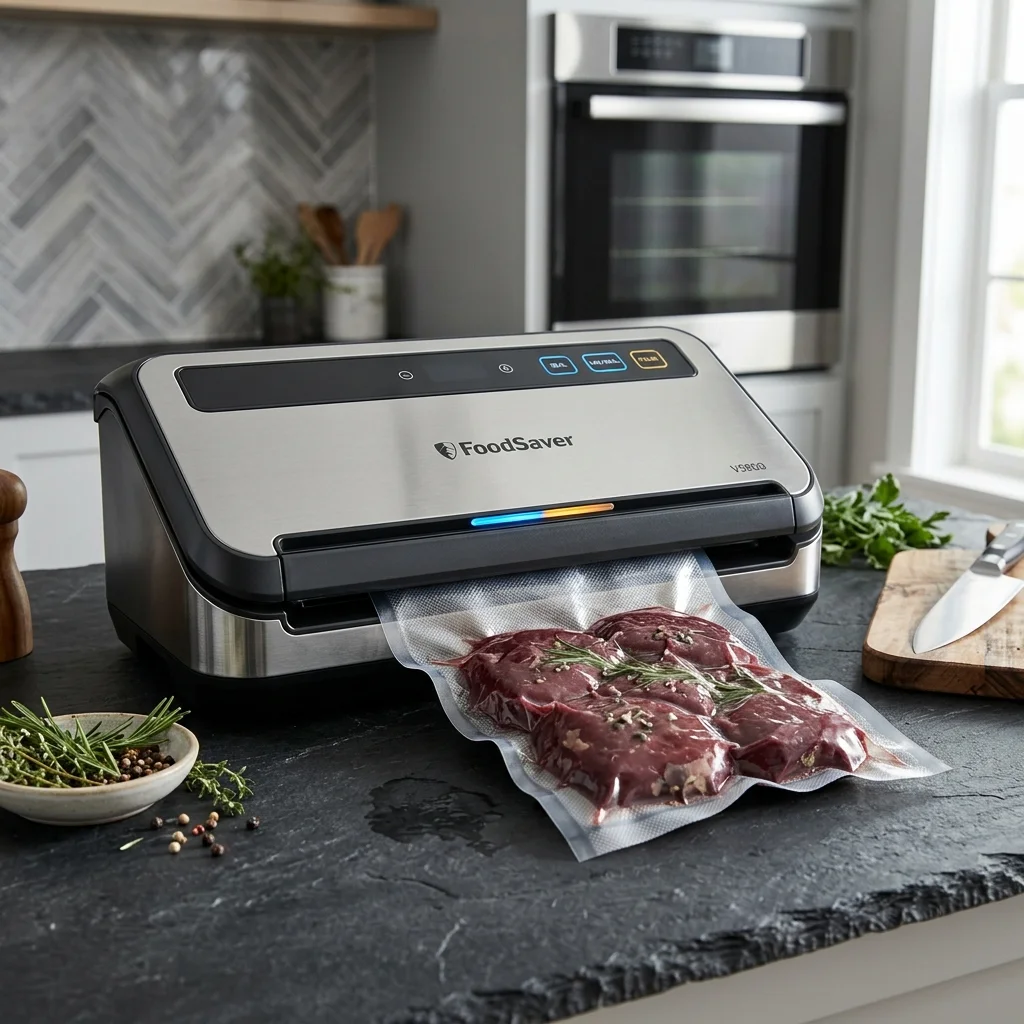
Protects organic game meat from freezer burn for years. A critical final step for all successful big game hunts.
“I’ve seen hunts in the Alberta backcountry cut short on day two, not because of a lack of game, but because someone brought brand-new un-broken-in boots or neglected a backup power bank for their GPS mapping unit. The cold and moisture in Canada are unforgiving. Double check your core safety and layering before you step into the bush.”
Frequently Asked Questions
Q: Why is cotton so dangerous for late-season hunting?
A: Cotton is highly hydrophilic, meaning it absorbs water like a sponge. When cotton gets wet from sweat, it loses all its insulating properties and holds moisture directly against your skin. In cold weather, this leads to rapid cooling and increases the risk of hypothermia.
Q: Can I mix wool and synthetic layers?
A: Yes! A common and highly effective combination is wearing a lightweight Merino wool base layer against your skin for odor control and temperature regulation, topped with a synthetic grid fleece mid-layer for fast moisture transfer and warmth.
Q: How should a hunting base layer fit?
A: It should fit snugly against your skin (“next-to-skin” fit) without being constricting. If the base layer is loose, it cannot effectively wick moisture away from your skin, leaving you damp and cold.