
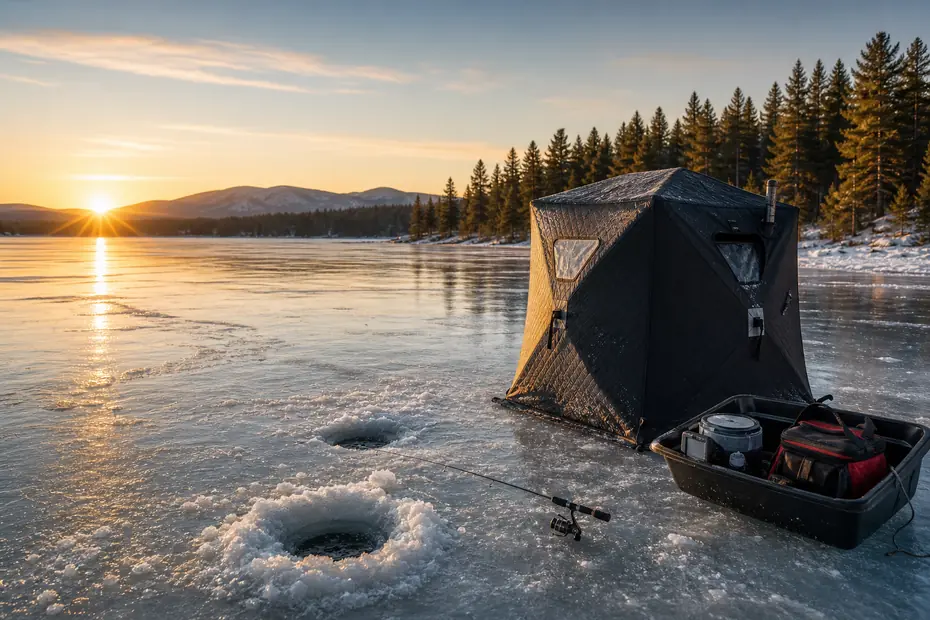
Canada outdoor field guide · Winter
Find your winter water.
Plan your ice fishing trip around local conditions, the right kit and the fish you want to target.
Watch beneath the ice →Make winter fishing a considered plan.
Plan an ice fishing trip around ice checks, safety gear, shelters, electronics, target species and current rules before the auger ever touches the surface.
- 1
Check local reports, thickness, weak-ice signs and rescue gear first.
- 2
Choose shelter, heater, battery and clothing for wind, slush and cold.
- 3
Match sonar, lure weight and depth to the winter species you target.
Bottom lineNo fish is worth unsafe ice; safety decides whether the trip happens.
The ice fishing rod guide turns lure weight and shelter space into a practical length and power choice.
Build your winter kit
Safety essentials. Shelter. Sonar.
Start with conditions, clothing and rescue equipment. Then compare the gear that fits your trip.
As an Amazon Associate, CanadaFever may earn from qualifying purchases. We recommend gear by use case and safety relevance; prices are intentionally not hardcoded.

Frabill Retractable Ice Picks
View on Amazon
Yaktrax Diamond Grip Ice Cleats
View on Amazon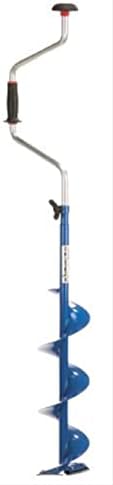
Strike Master Mora Hand Ice Auger
View on Amazon
Eskimo Outbreak 450XD Insulated Hub Shelter
View on Amazon
Garmin Striker 4 with Portable Kit
View on Amazon
Humminbird ICE Helix 7 G4 GPS Fish Finder
View on AmazonWatch · 12 seconds · No audio
A look beneath the ice.
See how sonar helps you read depth, follow your lure and observe fish response in this simplified animation.
Illustration, not to scale. Read depth, watch your lure and observe fish response. Sonar does not establish whether ice is safe. Sonar reference: Garmin ice fishing brochure (PDF).
Start with the ice, then build the fishing plan
Good ice fishing days usually feel simple on the surface: drill, drop, watch, move, repeat. The part that separates a smart trip from a dangerous one happens before the first hole.
Ice can change across one bay because current, springs, river mouths, snow cover, pressure ridges, warm inflows, aerators and wind-blown slush all change how the sheet forms. A lake that looks locked up from shore can still have thin or rotten sections away from the access.
Check local conservation, park, outfitter, hut operator or municipal guidance for the specific lake and access point. Do not assume last weekend’s conditions still apply.
Use a spud bar, auger or chisel and measure in more than one spot. Blue/clear ice, white snow ice, slush ice and late-season honeycomb ice do not carry risk the same way.
Ice picks, a throw rope, cleats, flotation, a dry bag, extra gloves and a charged phone belong in the plan before electronics or extra tackle.
No ice is guaranteed safe. Treat thickness charts as general references, not permission. Local conditions, ice quality, loading, weather, current and access routes can override any simple number.
Choose your winter setup
Pack for the day you plan.
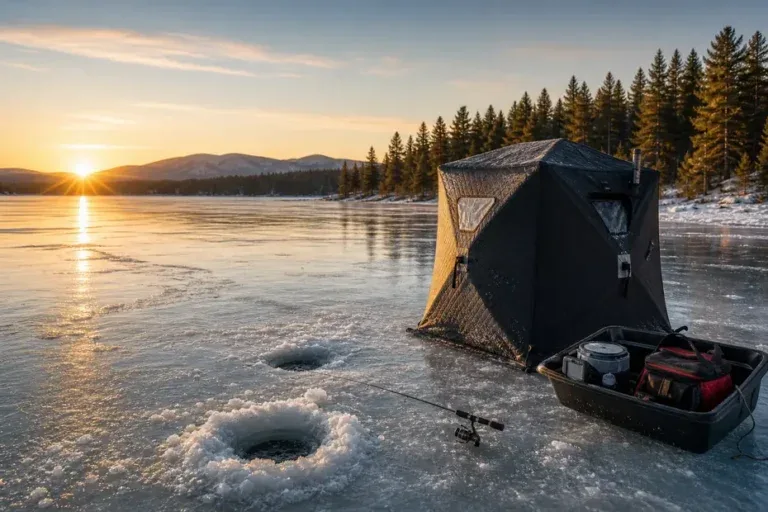
Keep a mobile kit
Think about the weight you carry, warm layers and a simple fishing setup.
Explore the gear guide →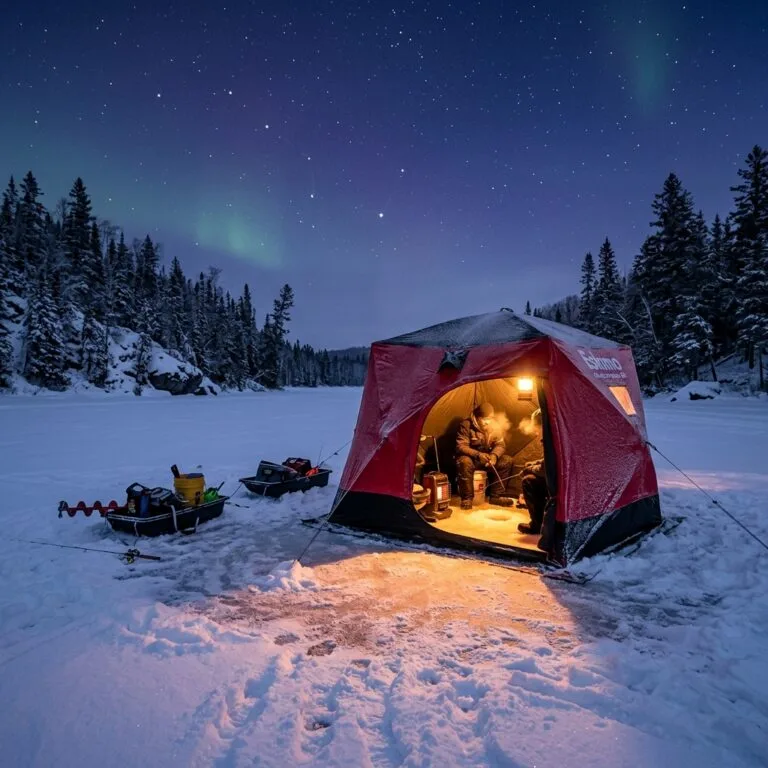
Make shelter part of the plan
Consider group size, wind and ventilation before choosing a base camp.
Explore the gear guide →The Canadian ice fishing selector matrix
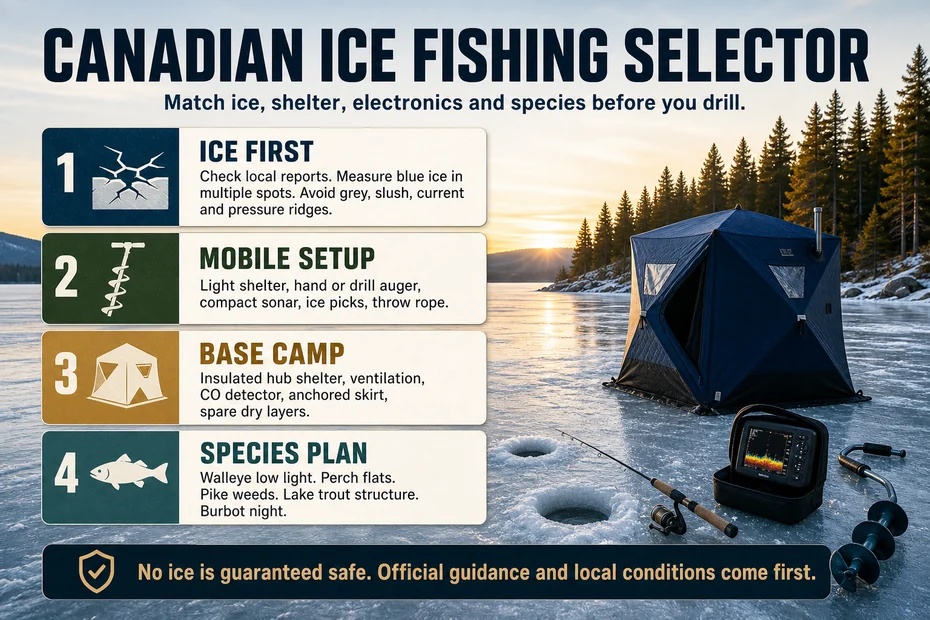
The best setup depends on how far you will walk, how exposed the lake is, whether you are fishing alone or with family, and which species you are targeting. A mobile perch angler and a multi-person lake trout base camp should not buy the same kit.
For footwear, compare ice-fishing boots by slush protection, stationary warmth and fit before choosing your winter kit.
| Angler profile | Best setup logic | Gear priority | Main risk to manage |
|---|---|---|---|
| First winter trip | Use a maintained access, go with an experienced local, stay shallow and keep the day short. | Cleats, picks, flotation, warm layers, simple rod, small tackle box and a basic sonar or rental hut. | Overconfidence, underdressing, weak access ice and not knowing local line or bait rules. |
| Mobile panfish angler | Walk light, drill fast, hop between weed edges, flats and basin transitions until you mark fish. | Light shelter, hand or drill-powered auger, compact sonar, tungsten jigs and a sled that does not overload the ice. | Fatigue, wind exposure, slush drag and carrying more than you can move safely. |
| Family base camp | Pick a proven access, keep the shelter anchored, manage heat carefully and use deadsticks plus jigging holes. | Insulated hub shelter, chairs, floor plan, CO detector, ventilation, spare gloves and a simple electronics screen. | Carbon monoxide, tripping hazards, open holes, heater misuse and staying too long in changing weather. |
| Deep-water trout or burbot | Use electronics to hold depth, watch fish response and avoid wasting time over empty structure. | GPS mapping, flasher or live sonar, heavier rod, spoons, tube jigs, glow baits and careful release tools. | Deep-water release stress, sudden whiteouts, long walks and battery failure in severe cold. |
Ice safety details most beginner guides skip
Many simple guides reduce ice safety to a single thickness number. That is too thin for real Canadian conditions. Thickness matters, but ice quality and the route matter just as much.
Clear ice, white ice and rotten ice are different
Clear blue or black ice usually forms more consistently than white snow ice, which can include refrozen slush, air pockets and weak layers. Late-season grey or honeycomb ice can fail even when it looks thick. Treat colour, sound, cracking, water on top and snow load as warning signals, then verify with local guidance and direct checks.
Current and pressure ridges change the whole calculation
River mouths, narrows, bridges, culverts, springs, aerators and pressure ridges deserve extra distance. Current can eat ice from below, while a pressure ridge can hide broken, uplifted or refrozen plates. Do not cross a ridge just because tracks lead over it.
Shelters need ventilation and a carbon monoxide plan
Insulated shelters help you fish longer, but any fuel-burning heater inside a tight shelter raises carbon monoxide risk. Keep vents open, use a working CO detector, follow the heater manufacturer’s instructions and shut the heater down if you feel headache, dizziness, nausea, weakness or confusion.
General information only: This guide is not emergency, legal or professional safety advice. Conditions can change quickly. Follow current official guidance, manufacturer instructions and local restrictions for the waterbody you plan to fish.
Rules, licences and conservation checks before you fish
Ice fishing rules in Canada are not one national rulebook. Licences, seasons, bait rules, slot sizes, possession limits, lake closures, fish sanctuaries and line limits can vary by province, zone, waterbody and year.
For Ontario anglers, start with the official Ontario ice fishing page and the Ontario Fishing Regulations Summary. For federal and coastal context, use the DFO recreational fishing page.
| Check | Why it matters on ice | Best move |
|---|---|---|
| Licence and outdoors card | Requirements can differ for residents, Canadian non-residents and visitors. | Confirm the current province or territory licence rules before the trip. |
| Waterbody and zone | Two lakes in the same region can have different seasons, sanctuaries or limits. | Look up the exact lake, river, bay or management zone. |
| Line limits and live bait | Ice anglers often set multiple lines, but the number and bait rules can vary. | Do not copy another angler’s spread until you verify your zone. |
| Species limits | Walleye, lake trout, pike, perch, whitefish and burbot may have different limits and size rules. | Carry a current digital or printed rule summary and identify fish before keeping them. |
Species plan: where winter fish usually show up
Winter fish are catchable because they use predictable edges, basins and feeding windows. The trick is to match your electronics and lures to the species instead of fishing every hole the same way.
Focus on low-light windows near points, humps, saddle edges, weed transitions and current-influenced structure. Jigging spoons, minnow baits and deadsticks can all work when legal.
Look for flats, weed edges, soft-to-hard bottom changes and basin schools. Small tungsten jigs, spoons and quick hole-hopping usually beat sitting still over empty water.
Pike often use weedlines, shallow bays and ambush corridors near baitfish. Setups must follow local line, bait and size rules, especially around live bait and quick-strike rigs.
Use mapping and sonar to work points, shelves and deep structure. Trout can chase far through the column, so watch the screen and change retrieve speed instead of only changing lures.
Night periods, bottom contact, glow baits and rocky transitions matter. Keep release tools ready, because cold hands and deep water can make handling mistakes worse.
Whitefish often respond to bottom-oriented presentations and subtle movement. Use electronics to separate bottom from fish and avoid overworking baits in clear water.
Electronics, batteries and sonar on the ice
A flasher or fish finder does not make ice safe, but it can save hours once you are already on fishable ice. The goal is to know depth, see your lure, spot fish response and move when the screen stays empty.
If you also want to identify fish or inspect lure reactions visually, compare underwater ice-fishing cameras with water clarity and cable margin in mind.
For a beginner, a compact flasher or portable fish finder is enough. For deep structure, lake trout, tournament scouting or bigger water, GPS mapping, CHIRP, split-screen history and live sonar can help you choose holes faster. See our guides to the best ice fishing flashers in Canada, ice fishing fish finders and advanced ice fishing electronics.
Cold also changes battery behaviour. Keep spare batteries warm, protect terminals from slush, charge according to the manufacturer’s instructions and do not assume summer run time will carry over to a windy February day.
Compare your ice fishing essentials.
These are direct product CTAs, not broad search links. Product availability, specs and seller details can change, so confirm the current Amazon listing and manufacturer guidance before buying.
As an Amazon Associate, CanadaFever may earn from qualifying purchases. We recommend gear by use case and safety relevance; prices are intentionally not hardcoded.
Humminbird ICE Helix 7 G4 GPS Fish Finder
A strong fit for serious ice anglers who want a larger screen, GPS mapping workflow and CHIRP-style target separation for deeper structure.
- Best for: lake trout, walleye structure and multi-lake scouting.
- Compare against compact flashers if you mostly fish shallow panfish.
- Confirm current bundle contents and transducer details on Amazon.
Garmin Striker 4 with Portable Kit
A practical compact electronics option for anglers who want depth, lure visibility and portability without building a large ice electronics system.
- Best for: first portable sonar setup and mixed open-water/ice use.
- Useful when you rent huts or walk light and need a simple screen.
- Check whether your ice use needs a separate ice transducer accessory.
Eskimo Outbreak 450XD Insulated Hub Shelter
A premium base-camp style shelter choice for groups that need fishable space, insulation and more stable winter comfort on exposed lakes.
- Best for: family trips, longer sits and colder Canadian conditions.
- Use anchors, manage snow flaps and keep ventilation open with heaters.
- Confirm current package contents because some listings bundle accessories.
Strike Master Mora Hand Ice Auger
A simple non-gas drilling option that can work as a lightweight backup or first auger when you fish moderate ice and want fewer battery or engine variables.
- Best for: simple trips, backup drilling and anglers avoiding gas fumes.
- Not a substitute for a premium electric auger on very thick ice.
- Keep blades protected and replace dull blades before remote trips.
Frabill Retractable Ice Picks
Self-rescue picks are small enough to wear every time. They are not a guarantee, but they can help you get traction on the ice edge if you break through.
- Best for: every walk-on ice trip, especially early and late season.
- Wear them where you can reach them, not buried in a sled.
- Pair with a throw rope, cleats and a plan to fish with a partner.
Yaktrax Diamond Grip Ice Cleats
Traction cleats help reduce slips around glare ice, packed snow, sloped accesses and refrozen slush. They are a safety layer, not permission to walk unsafe ice.
- Best for: slick access points and hard, polished walking routes.
- Check sizing and boot compatibility before buying.
- Inspect the chains and rubber before each trip.
Choose the next ice fishing guide by the problem you need to solve
This page is the hub. Use the cluster guides when you need a narrower answer before buying gear or choosing a lake.
Official sources to check before an ice fishing trip
Use official sources for rules, safety guidance and carbon monoxide risk. Social media reports are useful for context, but they are not a substitute for current local guidance.
Ontario.ca ice fishing explains Ontario-specific ice fishing basics and links into official rule systems.
Ontario Fishing Regulations Summary is the rule source to confirm zones, seasons, limits and exceptions.
Fisheries and Oceans Canada provides federal recreational fishing links and coastal context.
For carbon monoxide basics, the Canadian Centre for Occupational Health and Safety carbon monoxide profile is a useful reference. For an ice shelter, also follow the heater manufacturer’s instructions and local fire or emergency guidance.
Common questions about ice fishing in Canada
Is ice fishing safe in Canada?
Ice fishing can be done responsibly, but no ice is guaranteed safe. Check official and local conditions, measure as you move, avoid weak-ice areas and carry self-rescue gear before thinking about fish.
What do I need for my first ice fishing trip?
Start with cleats, ice picks, a throw rope, warm layered clothing, waterproof boots, gloves, a charged phone, a simple rod, legal tackle and a way to confirm the rules. A rented hut or guided first trip can reduce the amount of gear you need to buy immediately.
Do I need a shelter for ice fishing?
You do not always need a shelter for short mild-weather trips, but a shelter helps manage wind, children, longer sits and severe cold. If you use heat inside, ventilation and a carbon monoxide detector become part of the setup.
Can I use two lines while ice fishing in Canada?
Line limits depend on the province, zone and waterbody. Some places allow more than one line through the ice, while others add restrictions. Verify the current rule for the exact waterbody before setting a deadstick or second hole.
What fish are common through the ice?
Common Canadian ice fishing targets include walleye, yellow perch, northern pike, lake trout, whitefish, burbot, crappie and stocked trout. Availability depends on the lake, province, season and local regulations.
Should beginners buy electronics first?
Electronics help you learn depth, bottom, lure position and fish response, but safety gear and rules come first. After that, a compact flasher or portable fish finder is usually more useful than buying many rods or lures at once.