

Burbot fishing in Canada guide with identification, habitat, seasonal patterns, gear, tactics, and official regulation checks.
- Use Burbot Fishing in Canada to match species behaviour, habitat, season, and presentation to Canadian water conditions
- Check local regulations before fishing; limits, closures, bait rules, and licences can vary by province and waterbody
- Focus on practical setup: where to fish, what to cast or troll, how deep to work, and when to move
Bottom line Burbot Fishing in Canada gets simpler when you pair current rules with the right habitat, timing, and presentation
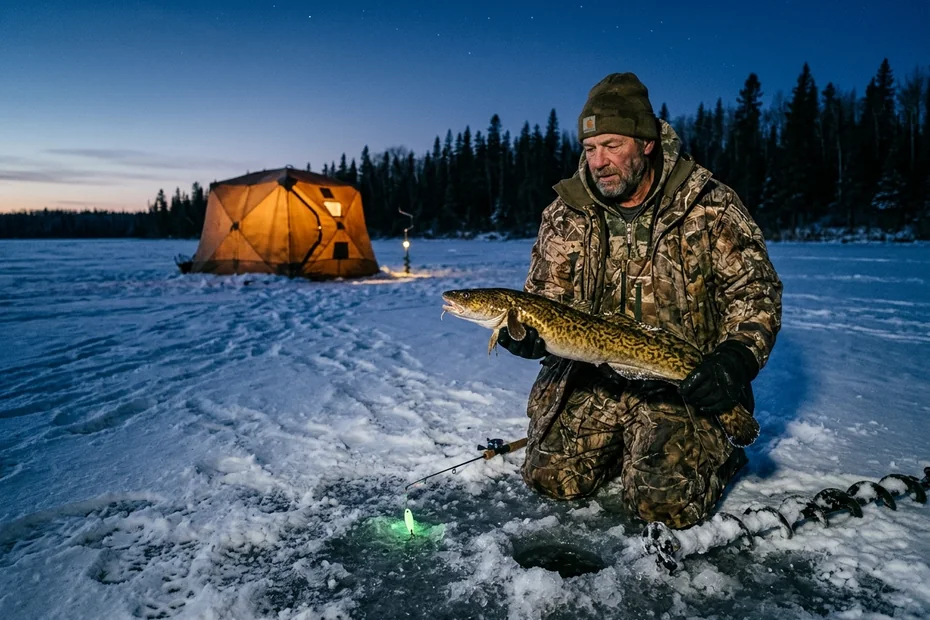
Burbot fishing turns Canada’s coldest, darkest winter evenings into electric hardwater sessions, rewarding anglers willing to stay over deep frozen basins past sunset for pure snow-white fillets nicknamed poor man’s lobster. Known scientifically as Lota lota, the burbot is the world’s only strictly freshwater member of the cod family, hunting bottom crayfish, sculpins, and ciscoes aggressively underneath winter ice from British Columbia eastward into Quebec.
Instead of shutting down during brutal January cold fronts like warm-water perch or bass, burbot actually spawn right under solid lake ice between late January and early March, sliding up out of 90-foot abysses onto 12-to-35-foot gravel reefs after dusk. Pounding heavy glow spoons cleanly into soft bottom mud draws thick marbled predators straight to lantern-lit holes within seconds.
This manual integrates directly into our Fishing for Specific Species in Canada resource and aligns with Canada Outdoor Planning Tools for hardwater ice prep and thermal gear checklists.
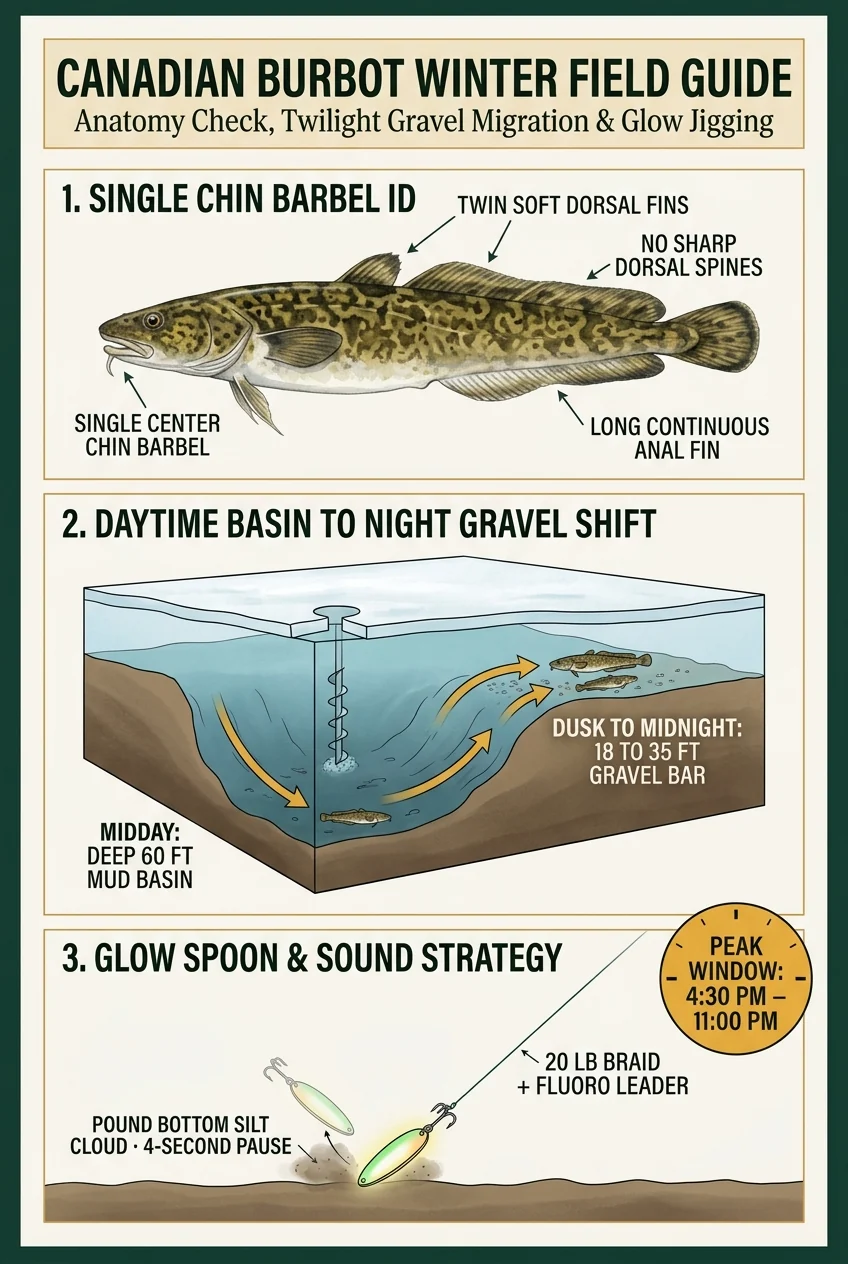
Open full-resolution burbot diagram (WebP)
Biological Identification: Separating Burbot From Bowfin, Catfish, and Eels
Anglers encountering their first Canadian burbot inside dim ice shelters occasionally pause in surprise at its snake-like swimming coil, slippery marbled hide, and whiskered jaw. Recognizing Lota lota immediately separates tasty cold-water freshwater cod cleanly from warm-water bowfin (Amia calva), bullheads, or protected river eels along overlapping St. Lawrence and Great Lakes channels.
Unlike thick catfish sporting eight long barbels alongside painful sharp pectoral fin spines, burbot feel completely spineless and soft-skinned across every single fin edge.

Open 1024×559 burbot identification plate
Five Instant Cod Checks
- Single Median Chin Barbel: Look directly beneath the center of the lower lip: exactly one soft whisker hangs down beside faint nasal barbels (never multiple corner whiskers like bullheads or channel catfish).
- Two Separate Dorsal Fins: A tiny short front dorsal section sits directly ahead of one long ribbon-like rear dorsal fin spanning halfway down the tail end.
- Forward Jugular Pelvic Fins: Narrow feeler-like pelvic fins sit remarkably far forward right underneath the gill throat rather than further back beneath the belly.
- Zero Hard Fin Spines: Every single dorsal, pectoral, and pelvic ray feels completely flexible without sharp stinging lock-bones.
- Rounded Paddle Tail: Dark golden-brown and black mottled hide blends cleanly down onto a smooth spoon-shaped rounded tail tip.
| Field Character | Burbot (Lota lota) | Bowfin (Amia calva) | Channel Catfish / Bullhead | American Eel (Anguilla rostrata) |
|---|---|---|---|---|
| Lower Chin Whiskers | 1 centered single chin barbel | None (short anterior nose tubules only) | 4 pairs (8 long barbels around mouth) | None |
| Sharp Fin Spines | None; all fins pliable soft rays | None; hard armored skull scales | Stiff locking sharp dorsal & pectoral spines | None |
| Pelvic Fins Present | Yes (small pair directly under throat) | Yes (mid-belly normal position) | Yes (wide ventral belly placement) | No pelvic fins at all (continuous ribbon) |
| Season & Cold Preference | Thrive in 1 to 10 C; winter ice spawner | Warm vegetated backwaters >15 C | Warm summer rivers and turbid lakes | Freshwater-to-ocean catadromous migrants |
| Primary Canadian Range | Coast to coast in deep cold northern basins | St. Lawrence, Lower Great Lakes, Ottawa Valley | Southern ON, MB Red River, QC St. Lawrence | Atlantic provinces, St. Lawrence, Lake Ontario |
Winter Under-Ice Spawning Migrations and Nocturnal Mud Hunts
Few Canadian freshwater fish track daylight switches cleanly like burbot. While daylight hangs above frozen snow-covered bays, mature burbot curl quietly inside deep dark clay basins between 50 and 120 feet down where lake temperatures remain calm and dimly lit. Once winter dusk softens overhead glare, massive feeding movements push burbot straight up steep canyon slopes onto shallow 12-to-35-foot shoals.
Between late January and early March, dense spawning balls actually intertwine across firm sand flats and rocky reef humps underneath freezing nights, attacking anything shiny or meat-scented crashing directly inside their feeding lane.
| Season / Water Phase | Core Holding Depth | Key Feeding Trigger | Primary Presentation |
|---|---|---|---|
| Early Hardwater Ice (Dec to Jan) | 22 to 45 ft steep rocky slopes & creek mouths | Post-fall baitfish schools pinned near shelves | Glow bucktail jigs, heavy rattle spoons tipped with shiner heads |
| Peak Winter Spawn (Late Jan to March) | 12 to 32 ft sand flats & firm rocky reefs | Pre-spawn & active nocturnal social spawning balls | Pounding bottom glow jigs paired with quiet stationary circle-hook lines |
| Spring Ice-Out & Open Water (Apr to May) | 8 to 20 ft dam spillways & river rock flats at night | Migrating smelt and spottail shiners along warm shores | Sliding egg-sinker shore rigs drifted tight over current seams |
| Warm Summer Stratification (Jun to Oct) | 60 to 130 ft icy deep hypolimnion basins | Cool below-thermocline sculpins and deep cisco pods | Deep vertical three-way bait rigs or heavy lead jigs off deep structure |
Bottom-Pounding Glow Spoons, Scented Jigs, and Two-Hole Spreads
Burbot rely heavily on lateral-line vibrations and sensitive chin-barbel chemoreceptors rather than keen razor-sharp sight inside pitch-black winter ice holes. Stirring up tiny clouds of bottom mud with heavy spoons creates both rhythmic vibration waves and muddy smoke plumes that burbot investigate rapidly from across rocky contours.
Where Canadian winter jurisdictions authorize two ice lines per angler, spacing one active pounding jigging hole barely four feet from a quiet scented deadstick hole builds unbeatable winter synergy.
Essential Burbot Ice and Night-Shore Rigging Tactics
- UV-Charged Glow Jigging Spoons & Rattle Baits: Drop heavy 1/2 to 1 oz luminous chartreuse, green-glow, or glow-white jigs loaded with internal glass rattles straight into bottom silt, lift 12 inches, and drop firmly straight back down to thud mud clouds before holding motionless for five seconds.
- Chunky Bait Tipping: Slide strips of thawed herring, emerald shiner heads, perch belly strips, or squid rings cleanly onto hook bends whenever regulations permit dead organic bait so lazy scavengers gulp lures solidly down rather than nipping cold steel.
- Stationary Circle-Hook Deadsticks: Rig one 1/0 to 3/0 non-offset circle hook six inches beneath a sliding egg or teardrop sinker, pinch a freshly split baitfish tight on the point, and set the rod snugly in a tip-down or soft rod cradle four feet away.
- Headlamps & Quick Glow Chargers: Carry waterproof UV flashlights inside winter coats so fading luminescent paint lights brightly straight back up every fifteen minutes on deck without blinding your night vision.
Consult complete cold-weather ice safety kits and augers inside our dedicated hub on ice fishing in Canada, match winter rod actions in fishing gear and equipment, and double check basic hook rigging tips via fishing for beginners in Canada.
5-Step Clean Handling and Table-Care Protocol
Keep Gloves Ready Around Slimy Coiling Tails
Burbot twist backward tightly around wrist sleeves or line tips the instant they clear frozen holes. Slip rubberized waterproof ice gloves on swiftly while steering the snout up cleanly without grabbing delicate gill covers.
Unhook Rapidly Before Cold Frost Freezes Eyes
Heavy circle hooks lodge cleanly in corner lip cartilage; use 8½-inch long pliers swiftly over warm shelter snow or open ice water whenever planning careful catch-and-release returns.
Prevent Unnecessary Deep Barotrauma on Releases
Reel catches smoothly up from depths deeper than 40 feet rather than horse-cranking light fish swiftly to surface chill. Submerge unneeded non-harvest burbot head-first straight back into cold water swiftly.
Select Clean Backstrap Loin Fillets
The thick dorsal loin steaks running down either side of a winter burbot’s upper backbone hold dense snow-white meat completely free of floating pin-bones.
Poach Gently in Butter & Garlic
Drop uniform bite-sized snow-white burbot medallions gently into simmering salted butter water for three minutes until crisp white curls hold together cleanly like poached lobster tails.
Top Canadian Burbot Lakes and Hardwater Destinations
Cold glacial lakes stretching across northern Canada host astonishing burbot density, with cold winter waters holding fish well over eight to fourteen pounds along major reservoirs. Browse wider travel options inside our directory on the best fishing spots in Canada or plan heated winter hut stays inside regional lodge guides.
- Alberta Winter Trophy Giants (Cold Lake, Lesser Slave Lake, Lac Ste. Anne): Alberta stands unmatched across western Canada for accessible giant burbot exceeding 8 to 12 pounds cruising sandy mud transitions after dark from January straight through March.
- Saskatchewan Reservoirs (Lake Diefenbaker & Tobin Lake): Deep prairie hydro valleys combine prolific cisco forage with broad hardwater access supporting record-class freshwater cod alongside thick winter walleye harvests.
- Lake Winnipeg & Manitoba Shield (Red River Lockport Spillway): Fast cold autumn currents below St. Andrews Lock and winter bays across Manitoba’s big inland lakes concentrate hungry bottom predators right along shore drop-offs.
- Ontario Shield Giants (Lake Simcoe, Lake Nipissing, Lake of the Woods): Both southern cottage basins and remote northern Shield reservoirs yield bonus trophy burbot hammering evening walleye jigs cleanly down onto mud flats.
- British Columbia Deep Basins (Kootenay Lake, Columbia River, Okanagan): Deep glacial mountain valleys hold cool water clear down into river runs where dusk anglers pull hefty cod off shore rock seams.
Spring Ice-Out Shoreline Nights and Open-Water Backstrap Prep
Once freezing winter lake sheets finally fracture along river estuaries and prairie dam tailraces in April and May, aggressive post-spawn burbot gorge hungrily on cold shallow spottail shiner runs just feet off rocky shorelines after dark. Set simple sliding egg-sinker bottom rigs holding fresh minnows straight below swift wing-dams on the Saskatchewan River, Manitoba’s Red River, or Ontario’s Ottawa tributaries using spinning rods tipped with crisp luminous rod bells.
Cleaning a thick slippery winter burbot cleanly takes two minutes when cutting straight onto firm cold kitchen boards. Leave rough lower belly flap meat behind completely, slicing smoothly along both sides of the spine down past dorsal fin bones to extract two spotless snow-white tubular backstrap loins free of floating Y-bones. Slice cold firm white fillets evenly into one-inch chunks, poach three minutes inside simmering salt-and-garlic butter until opaque snowy curls turn sweet like cold ocean lobster tails, and drain straight onto warm plates with lemon zest.
Compare guided winter bungalows and fly-in camp stays safely inside fishing lodges in Canada, all-inclusive fishing lodges in Canada, and fly-in fishing lodges in Canada.
Provincial Regulations, Night-Ice Safety, and Catch Rules
Because Canadian provinces manage burbot independently based on regional sturgeon recovery, cold lake lake-trout overlaps, and walleye spawning schedules, regional bag limits vary wildly from zero-retention conservation protections in parts of BC up to liberal ten-fish winter limits on prairie reservoirs. Confirm exact zone quotas inside fishing regulations and licences in Canada ahead of night runs.
| Province / Zone | Core Legal Season & Nuances | Organic Bait & Line Rule | Official Authority |
|---|---|---|---|
| Alberta (PP1 / NB Zones) | Wide winter open seasons on Cold, Pigeon & Lesser Slave | Two-line ice allowances & specific live/dead bait bans by lake | Alberta Sportfishing Regulations |
| Saskatchewan (South / Central) | Diefenbaker & Tobin open through ice seasons | Barbless hook compliance rules across major southern rivers & lakes | Saskatchewan Anglers Guide |
| Ontario (Simcoe / Nipissing / North) | Open winter ice seasons; night ice fishing allowed in most FMZs | Check strict two-line distance sight-monitoring limits per FMZ | Ontario MNRF FMZ Tables |
| British Columbia (Regions 4 / 7) | Region-specific quotas vs closed Kootenay restoration sections | Verify exact lake/river closures inside Kootenay sub-drainages | BC Freshwater Regulations |
Canadian Burbot Depth & Glow Setup Selector
Calibrating jig weight cleanly to depth and matching circle-hook sizes to cutbait cuts tangled bottom snags down smoothly while keeping heavy bottom bites locked cleanly onto sturdy braided rigs.
Interactive Canadian Burbot Ice & Shore Rig Calculator
Select your fishing platform, depth shelf, and winter light phase to calculate ideal jig weight, line setup, bottom cadence, and bait compliance checks.
Recommended Canadian Burbot Setup:
Charge glow paint brightly before every drop across dusk sand transitions and keep a quiet second circle-hook deadstick four feet away.
Recommended Burbot Jigging Hardware and Terminal Lines
Dark freezing nights down 35 feet over sharp boulders chew thin monofilament fast; tough braided lines, heavy luminous jigging baits, and extended pliers take the fight out of twisting burbot easily.
CanadaFever participates in affiliate programs. We may earn a commission on qualifying purchases made through links on this page at no additional cost to you.
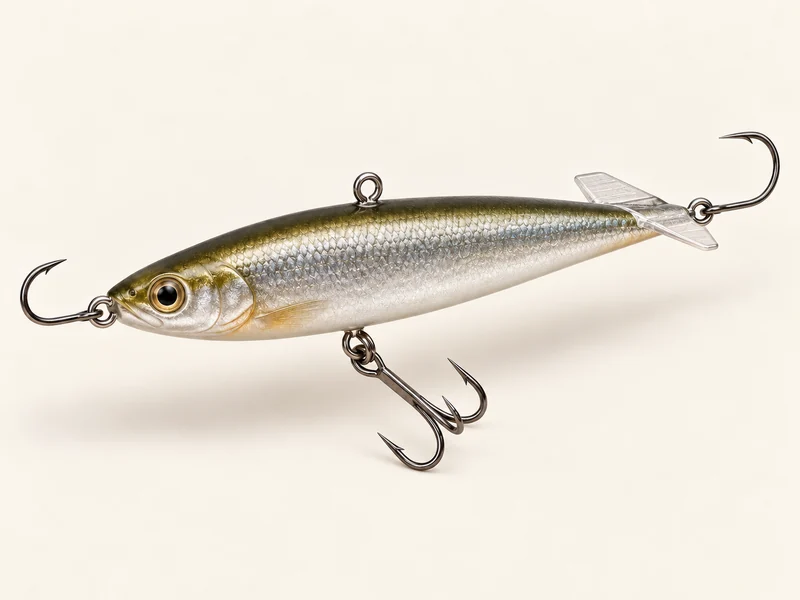
Reference illustration – check exact variant on Amazon.
Rapala Jigging Rap Hard Ice Lure
- Heavy balanced minnow body drops straight onto 35-foot winter shoals without drifting sideward in under-ice currents.
- Darting swimming circle draws lazy predators tightly into active jigging holes before dropping gently onto deadsticks.
- Tip center bottom hook cleanly with small minnow heads wherever local winter zones allow bait.
Reference illustration – check exact variant on Amazon.
Sufix 832 Advanced Superline Braid (20 lb, 150 yd)
- Zero line stretch gives crisp tactile bottom feedback when thumping spoons 40 feet underneath frozen ice shelters.
- Dense round weave resists jagged razor edges along thick mid-February eight-inch auger hole collars.
- Strong knot integrity holds heavy swirling tail coils steadily during close-range hand-over-hand lifts.
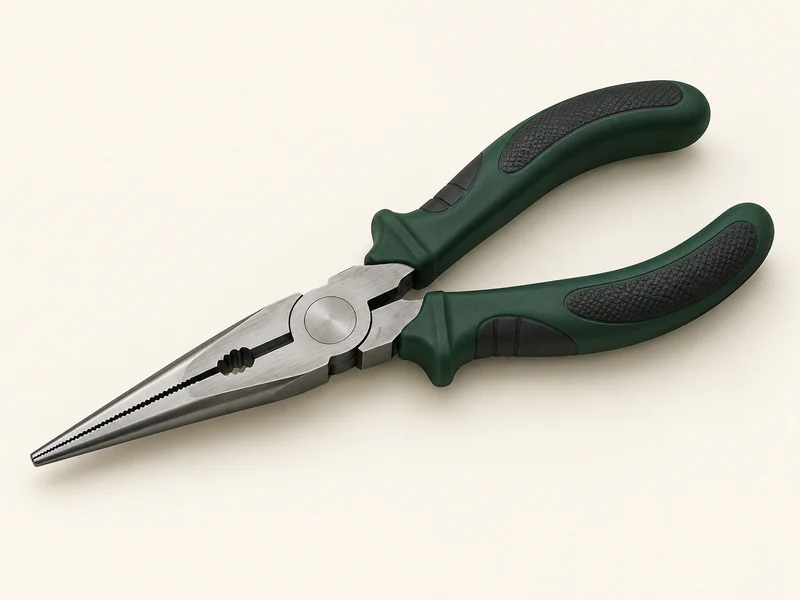
Reference illustration – check exact variant on Amazon.
Rapala 8½-inch Fisherman’s Pliers
- Long nose reach pulls stubborn deep-set hooks out smoothly when slimy rolling cod spin awkwardly along dark ice holes.
- Over-molded non-slip handles hold firmly even inside thick damp winter insulated gloves or mittens.
- Integrated side cutters trim ice-frayed fluorocarbon tags instantly under headlamp beams.
Additional Verified Burbot Gear Categories on Amazon:
Compare Ice Fishing Glow Jig Kits • Browse Heavy Circle Hooks & Sinkers • Review Medium Spinning Rod & Reel Combos
Frequently Asked Questions About Canadian Burbot Fishing
Why do Canadians call burbot poor man’s lobster?
Thick boneless dorsal loin fillets cut off the upper back hold crisp dense white flesh with zero fishy oiliness. Simply boiling or poaching medallions gently in butter and garlic creates firm sweet flakes almost indistinguishable from cold-water Atlantic lobster tail.
What time of night do burbot bite best under frozen winter ice?
Consistent bites ignite right as twilight shuts direct daylight off shallow shoal bottoms around 4:30 to 5:30 PM, staying lively cleanly through 10:00 PM or midnight. Daytime sessions rarely connect unless heavy muddy ice or cloudy blizzards dim deep basin gloom.
How can I verify I caught a burbot instead of a catfish or bowfin?
Check under the chin first: burbot display exactly one single centered barbel right below the lower lip rather than eight wide mouth barbels like channel catfish. They also lack sharp locking dorsal spines and feature one continuous long lower anal fin plus soft small pelvic throat fins.
Why does pounding spoons violently into the mud help catch burbot?
Dark murky night bottoms keep burbot focused tightly on lateral-line vibrations and murky sediment plumes stirred up by escaping sculpins or crayfish. Heavy 1/2 to 1 oz spoons hitting mud bottoms telegraph noise thirty feet out over sand shelves.
Can you catch Canadian burbot in warm summer months from shore?
Open-water shore angling slows during mid-summer heat as cold-water burbot sink down past 60 to 120 feet deep underneath lake thermoclines. Spring ice-out night casting right below dam spillways (especially across Saskatchewan, Manitoba, and Ontario rivers) stays active until late May.
Do burbot have dangerous teeth or sharp venomous gill spines?
No. Burbot carry only fine sandpaper-like brush pads along their jaws and lack any sharp venomous fin spines anywhere on their bodies, making handling around thick insulated gloves safe once wet slimy tails are controlled smoothly.
Official Canadian Fisheries Resources and Related Guides
Reading Underwater Sonar Marks Under Dim Twilight
Unlike vertical-suspending winter whitefish or roaming crappie packs holding fifteen feet below the ice, winter burbot crawl directly glued against bottom contours, appearing as thin rising orange-red bumps peeling slowly straight upward off solid bottom returns. Lifting luminous glow jigs six inches silently instead of yanking swiftly upward lets slow cold-adapted predators lock cleanly on without fleeing off screen.
Wait cleanly until heavy weight loads your rod smoothly rather than striking frantic tiny taps on flasher lines, because sucking bottom feeders often inhale minnow tips twice before gripping solid steel.
Confirm regional line allowances, bait legality, and Kootenay conservation protections via official provincial links prior to winter darkness:
- Fisheries and Oceans Canada (DFO): Aquatic Species Identification Guide
- Government of Alberta: Official Game Fish Species Directory
- Ontario Ministry of Natural Resources: Ontario Fishing Regulations Summary
- Related CanadaFever Guides: Fishing for Specific Species in Canada · Canada Outdoor Planning Tools · Ice Fishing in Canada · Fishing Gear and Equipment · Fishing for Beginners in Canada · Fishing Regulations and Licences in Canada · Best Fishing Spots in Canada · Fishing Lodges in Canada · All-Inclusive Fishing Lodges Canada · Fly-In Fishing Lodges Canada