
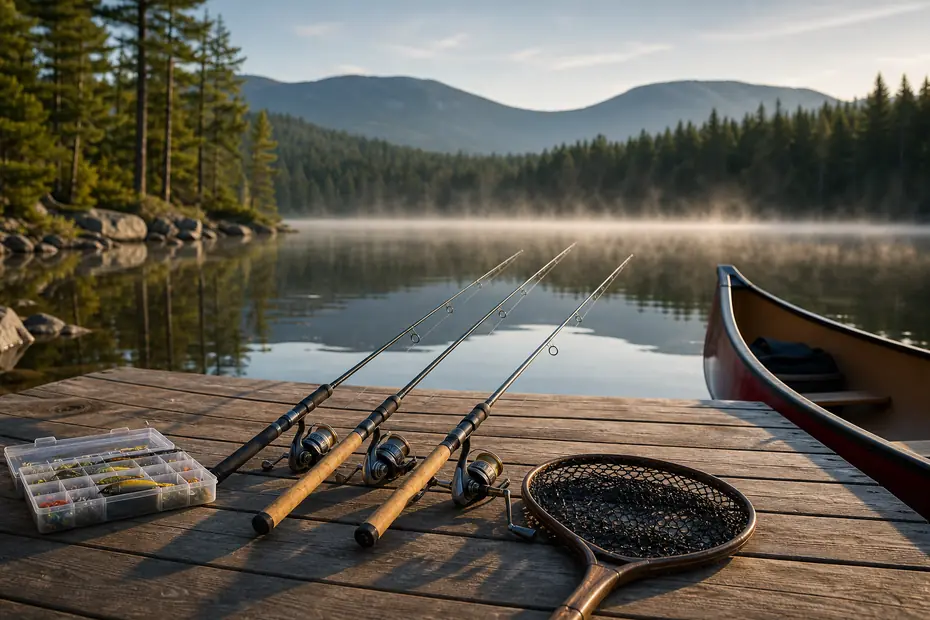
Canada fishing gear guide
Find Your Fishing Rod
Choose a fishing rod by species, lure weight, water, power, action, blank quality and guide train instead of buying by brand name or stiffness claims alone.
Match rod power and action to the fish, lure weight and presentation.
Use blank, handle, reel seat and guide quality as durability checks.
Pair the rod with reel size, line and leader before judging performance.
Bottom line Buy a rod for the fish, lure weight and water you actually fish.
Quick start
Start with the job, not the brand
The fastest way to buy the wrong fishing rod in Canada is to start with a brand name, a sale price, or a high-modulus claim. Start with the job. What fish are you targeting? Where are you fishing? What lure weights will you actually throw? Will you cast from shore, sit low in a kayak, troll from a boat, or fish inside an ice shelter?
Beginner all-rounder
A 6 ft 6 in to 7 ft medium-light or medium spinning combo covers the widest range of casual Canadian lake, dock, and river fishing.
Species setup
Trout, bass, walleye, pike, salmon, panfish, and ice fish all push rod choice in different directions.
Technique setup
Jigs, crankbaits, jerkbaits, floats, trolling, finesse plastics, and heavy cover need different rod behavior.
Rules and safety
Rod choice connects to line, hooks, bait, boating safety, fish handling, and local regulations.
Key takeaways
One rod can start the season. It cannot solve every trip.
A versatile spinning rod is the right first move for many anglers. The second rod should be chosen only after your real fishing pattern is clear.
- Buy for your main species first, then add specialty rods later.
- Power is strength. Action is bend. Length controls casting, leverage, and handling.
- Check lure and line ratings before buying line or heavy lures.
- Shore, kayak, canoe, boat, and ice fishing all change what feels practical.
- Use official regulations before planning bait, hooks, lead, live bait, or species-specific tactics.
Official sources
Sources and Official Links
Rod choice is gear advice, but fishing trips are still shaped by rules, watercraft safety, and provincial differences. Use these official resources when your setup involves bait, barbs, lead, boating, licence rules, or species-specific restrictions.
DFO recreational fishing rules
Federal starting point for recreational fishing regulation context in Canada.
Transport Canada PFD guidance
Useful when rod choice is tied to canoe, kayak, boat, or paddle-based fishing.
Ontario fishing regulations summary
Shows why province-specific rules matter for species, seasons, bait, and fishing methods.
BC freshwater fishing licence
Helpful example of provincial licensing and freshwater planning details before a trip.
Digital field asset
Canadian Fishing Rod Decision Map
This map keeps the visual simple. The real thinking happens in the five decision cards below it: species, water, power, action, and length. Work through those in order before comparing rods.
How to use the map
Pick the fish first, then the water and platform. Only after that should you choose power, action, and length. This keeps you from buying a rod that is technically good but wrong for your actual fishing.
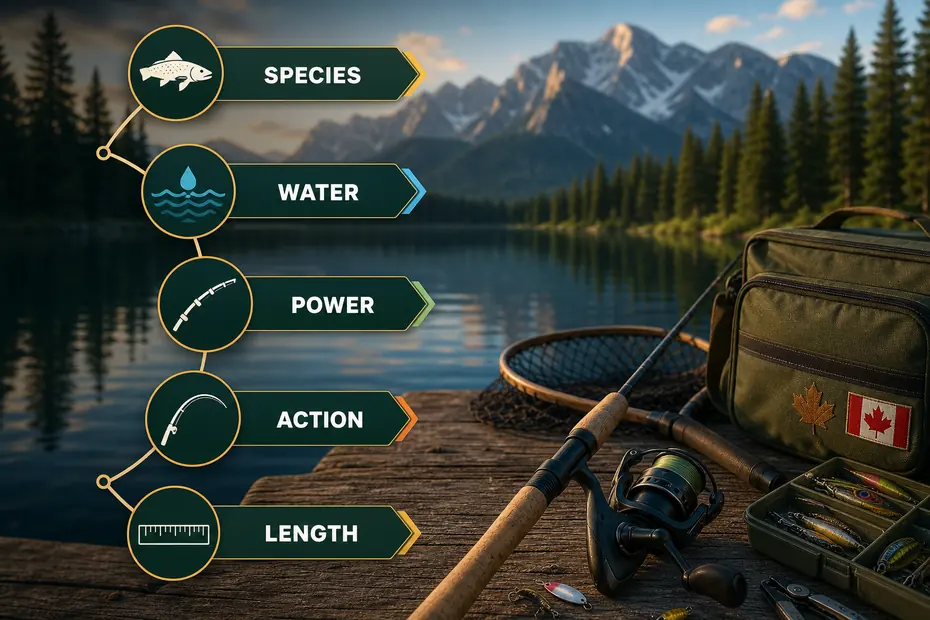
Choose for the fish you target most, not the biggest fish you imagine.
Shoreline, current, weeds, docks, deep lakes, and ice all change rod needs.
Match lifting strength to fish size, cover, hook type, and leader needs.
Choose bend and sensitivity for jigs, trebles, floats, or moving baits.
Balance casting distance, leverage, portability, and platform control.
Download the rod finder checklist
Printable 3-page worksheet for species, specs, buying checks, and trip notes.
Rod decision system
How to choose a fishing rod in Canada
A rod is a lever, a shock absorber, and a lure-delivery tool. If it is too stiff, small fish feel dead and light lures will not cast. If it is too soft, hooks do not set well and fish control gets sloppy. If it is too long, it becomes awkward in a canoe or tight creek. If it is too short, shore casting and line control suffer.
Best first rod
For many Canadian beginners, the best first rod is a 6 ft 6 in to 7 ft medium-light or medium spinning combo with 8-10 lb mono, fluorocarbon, or braid plus leader. It is forgiving, easy to cast, and broad enough for common lake species.
Best second rod
Your second rod should solve a real limitation: lighter trout presentations, heavier bass and pike cover, longer shore casts, trolling, salmon, travel, or ice fishing. Do not buy the second rod until the first rod has taught you what is missing.
Species setup matrix
Match rod power to the fish you actually target
| Target | Good starting rod | Why it works | Mistake to avoid |
|---|---|---|---|
| Trout and panfish | Ultralight or light spinning, 5 ft 6 in to 6 ft 6 in | Loads with tiny jigs, spoons, floats, and soft plastics. | Using a stiff medium-heavy rod that cannot cast light lures. |
| Bass | Medium spinning plus medium-heavy casting later | Spinning covers finesse. Casting handles heavier cover and moving baits. | Buying a baitcaster before learning brake control and lure weight. |
| Walleye | Medium-light or medium fast spinning, around 6 ft 8 in to 7 ft 2 in | Good sensitivity for jigs while keeping enough backbone for deeper fish. | Ignoring line and lure rating for jig weight and depth. |
| Pike | Medium-heavy spinning or casting with leader planning | More backbone helps with larger lures, weeds, and toothy fish. | Fishing light mono without a pike-safe leader where teeth are likely. |
| Salmon and lake trout | Longer medium-heavy setups matched to trolling, casting, or float work | Longer rods protect line, steer larger fish, and manage heavier systems. | Assuming a cottage bass rod is enough for big-water salmon work. |
| Ice fishing | Short ice rod matched to panfish, walleye, trout, or pike | Short rods work inside shelters and transmit light vertical bites. | Trying to use a full-length open-water rod through an ice hole. |
Technique setup
Match rod action to the presentation
Technique matters because lures load rods differently. A small jig needs sensitivity and tip control. A crankbait with treble hooks often works better with a rod that bends deeper. A float rig benefits from length and line control. Heavy cover bass fishing needs power more than delicacy.
Jigging
Fast action, medium-light to medium power, and good sensitivity help you feel bottom, light bites, and slack-line changes.
Crankbaits
Moderate action gives treble hooks a little cushion so fish do not rip free on short surges near the boat.
Floats and shore casting
Longer rods help mend line, move floats, cast further, and control fish from banks, piers, and current seams.
Kayak and canoe
Shorter manageable rods are easier while seated. Pair rod choice with storage, PFD use, and hook-control habits.
Specs explained
Rod length, power, action, line rating, and lure rating
| Spec | What it means | CanadaFever field rule |
|---|---|---|
| Length | How long the rod is, usually listed in feet and inches. | Longer casts farther and controls line better; shorter is easier in tight quarters, kayaks, and ice shelters. |
| Power | The rod’s lifting strength, from ultralight to heavy. | Choose power for fish size, hook style, cover, and lure weight, not ego. |
| Action | Where the blank bends under load. | Fast for feel and hooksets; moderate for moving baits and treble-hook forgiveness. |
| Line rating | The line range the rod is designed to fish. | Stay inside the printed range unless you know exactly why you are leaving it. |
| Lure rating | The lure weight range that loads the rod properly. | This is one of the most ignored specs. A rod that cannot load your lure will cast poorly. |
| Pieces | One-piece, two-piece, multi-piece, telescopic, or travel. | One-piece feels clean, but travel rods often make more sense for real Canadian road trips and cabins. |
Buying mistakes
Common fishing rod mistakes to avoid
Buying too heavy
A heavy rod can make average fish feel dull and small lures nearly impossible to cast well.
Ignoring lure rating
If your lures sit below the rating, the rod will not load. If they sit above it, casting and safety suffer.
Forgetting transport
A one-piece rod is great until it does not fit in the car, cabin, flight tube, or canoe route.
Skipping rules
Rod choice connects to bait, hooks, lead, fish handling, and species rules. Check the local regulations before the trip.
Blank engineering
Do not buy a fishing rod by modulus alone
High-modulus carbon can feel crisp, but it is not automatically the strongest or safest blank. Modulus is a stiffness signal. Durability also depends on resin quality, wall thickness, taper, hoop reinforcement, ferrule design, guide train weight, and how the rod is loaded during a fight.
Why blank engineering matters
A fishing rod is a tapered blank that stores and releases energy. In plain language: sensitivity improves when the blank transmits vibration cleanly, while durability improves when the butt and mid-section can absorb shock without collapsing the blank cross-section.
- Young’s modulus: stiffness of the carbon fibers, not a universal quality score.
- Flexural stiffness: the real bending feel created by material, diameter, taper, and wall thickness.
- Resin matrix: the system that helps hold fibers together under impact and torsion.
- Guide train: ring material, frame weight, spacing, and alignment affect line flow and recovery speed.
Visual field guide
Fishing Rod Engineering Matrix
Use this visual as a quick reference before comparing product pages. Start with the target species and technique, then confirm power, action, blank type, guide train, and lure-weight range.
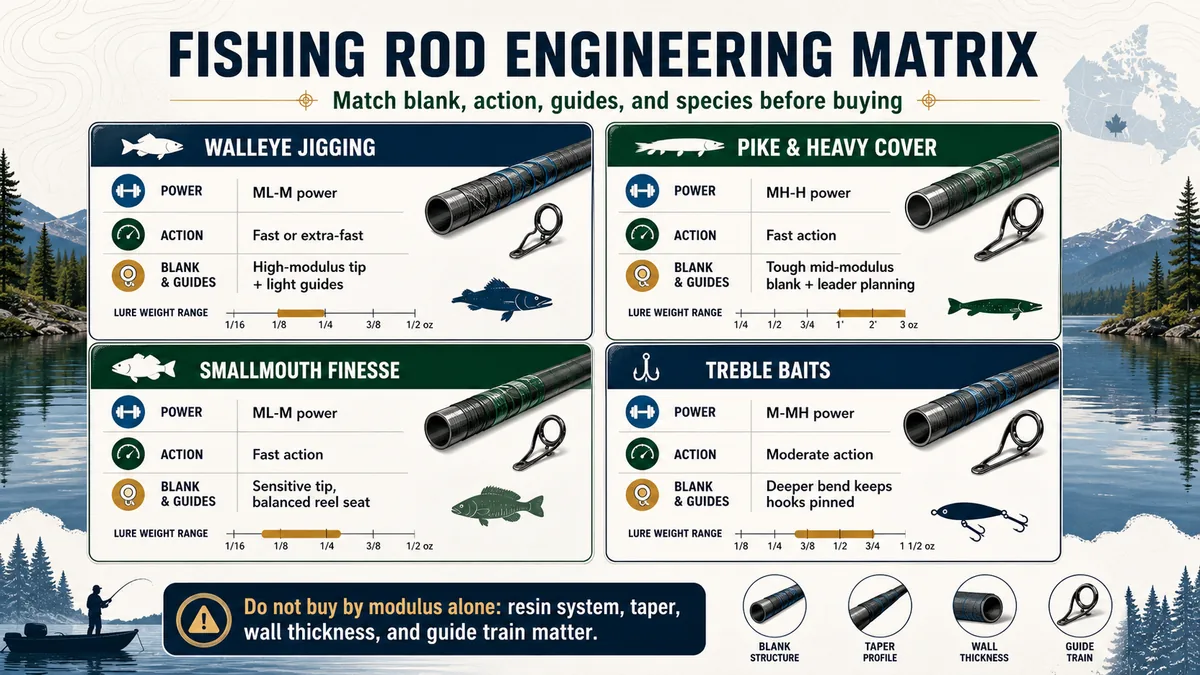
Selector matrix
The definitive fishing rod selector matrix
| Species and technique | Blank architecture | Hardware blueprint | Primary benefit |
|---|---|---|---|
| Walleye vertical jigging | Medium-light to medium power, fast or extra-fast tip, lighter high-modulus tip section. | Light guide train, exposed or sensitive reel-seat feel, braid-to-leader compatibility. | Better bottom contact and bite detection without overpowering light jigs. |
| Northern pike jerkbaits and heavy casting | Medium-heavy to heavy power with tougher mid-modulus or composite-style shock tolerance. | Stronger guides, secure reel seat, leader-friendly line path. | More shock absorption and control around weeds, teeth, and close-range strikes. |
| Smallmouth finesse | Medium-light to medium power, fast action, balanced tip and mid-section. | Low-friction guides and comfortable split or full grip for long casting sessions. | Lets light plastics, tubes, and drop-shot rigs load properly without feeling dead. |
| Treble-hook crankbaits | Medium to medium-heavy power with moderate action and deeper bend. | Guide spacing that manages line slap and a handle length that fits repeated casting. | Keeps fish pinned when they surge without tearing small treble hooks free. |
| Travel, cabin, and portage fishing | Two-piece, four-piece, or multi-piece blank with ferrules that fit snugly and align cleanly. | Protective case, corrosion-resistant guides, and simple field repair planning. | Reduces breakage risk when a full-length rod is unrealistic. |
Quality tiers
Budget, mid-tier, and elite rod quality
Economy rods
Best when price and toughness matter most. Expect more weight, less crisp recovery, and simpler guides. Good for casual trips, kids, guests, and rough storage.
Mid-tier rods
The sweet spot for many serious weekend anglers. Better blanks, cleaner guide trains, and more useful sensitivity without forcing elite pricing.
Premium rods
Worth comparing when technique demands feel, balance, and recovery speed. Do not pay only for carbon buzzwords; check warranty, components, and fit.
Specialty rods
Salmon, musky, ice, trolling, float, surf, and travel rods should be bought for a narrow job. They are poor all-round first-rod choices.
Critical rod safety
Avoid high-sticking and blank overload
Most rod failures happen when load is concentrated into the tip instead of distributed through the stronger butt and mid-section. When landing a heavy fish, keep the rod angle controlled, use the reel and drag, and avoid lifting straight up at extreme angles. Match line strength and lure weight to the printed blank rating, and follow the manufacturer’s instructions for multi-piece ferrules and drag settings.
Direct rod picks
Premium Fishing Rods to Compare on Amazon
Use these direct product CTAs only after the selector matrix has narrowed the job. They are not ranked by hype; each one solves a different Canadian fishing problem.

St. Croix Triumph Spinning Rod
A strong fit when the first cheap combo starts feeling dull and you want a cleaner walleye, bass, trout, and general freshwater spinning rod.
- Better for anglers who already know they prefer spinning tackle.
- Useful for jigs, soft plastics, small spoons, and lighter live-bait rigs.
- More refined than a starter combo without jumping into specialist pricing.
- Choose the length, power, and action that match your main water.
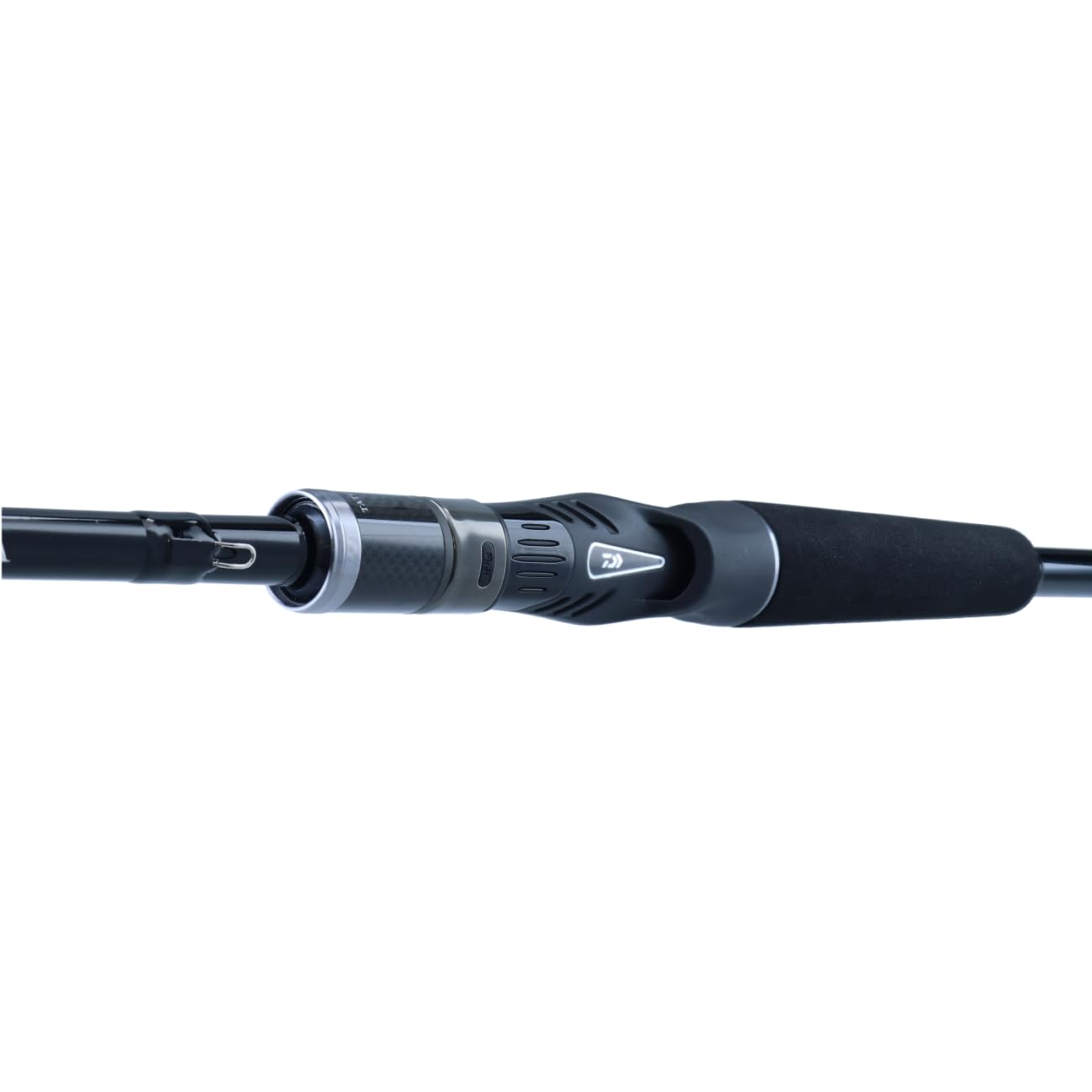
Daiwa Tatula XT Casting Rod
A practical casting-rod lane for bass, pike, weed edges, spinnerbaits, heavier jigs, frogs, and anglers who already understand baitcaster control.
- Best compared after you know your lure weights and cover type.
- Medium-heavy casting models suit many bass and pike presentations.
- A clearer upgrade path than buying a random baitcaster combo.
- Use leader planning when toothy pike are realistic bycatch.
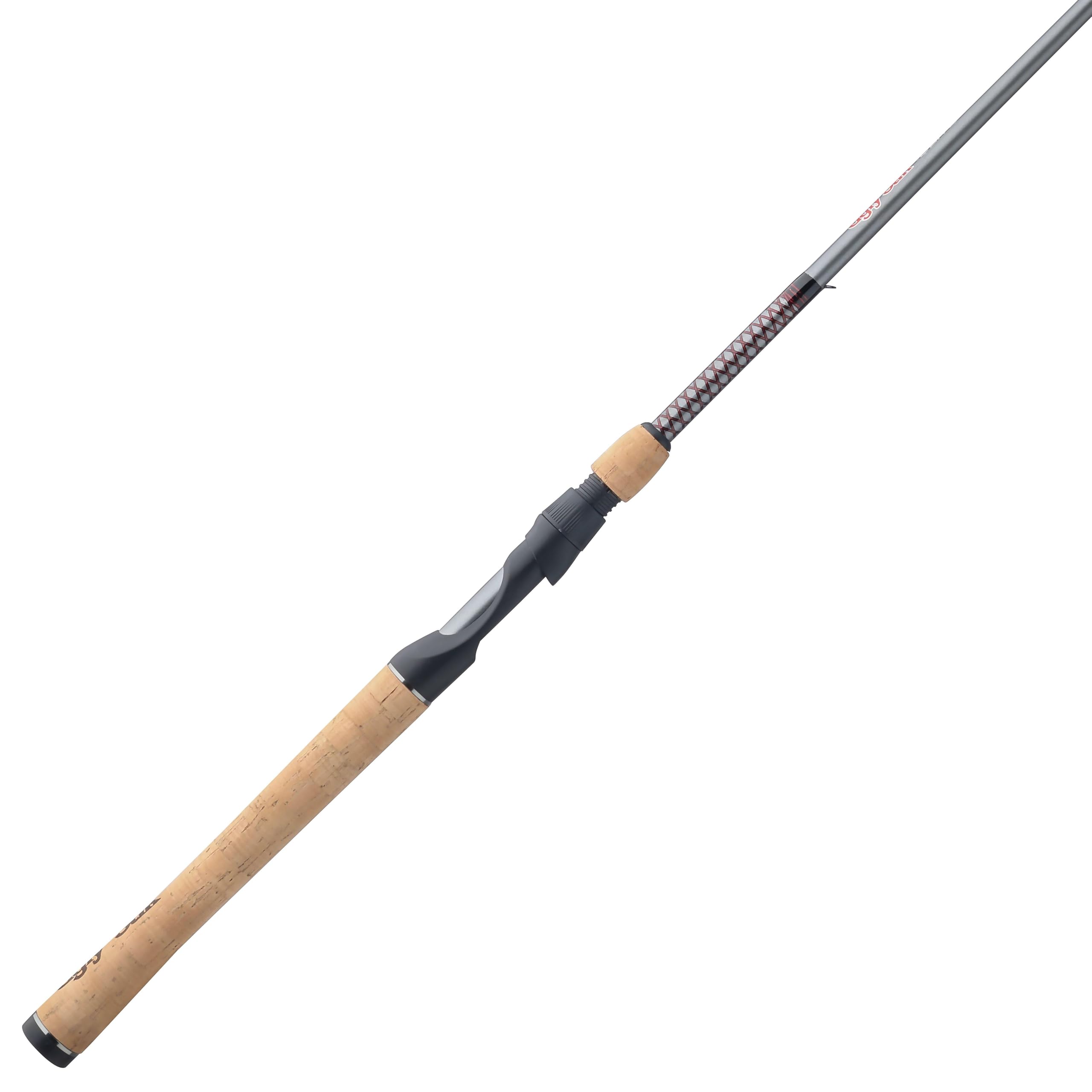
Ugly Stik Elite 7-Piece Spinning Rod
A better fit for cabins, road trips, flights, compact cars, portages, and backup kits where packability and toughness matter more than maximum sensitivity.
- Seven-piece format solves transport problems on Canadian trips.
- Good backup lane for anglers who already own a one-piece rod.
- Useful when a rod tube or full-length rod is awkward.
- Do not choose it for maximum blank sensitivity; choose it for portability.
CanadaFever may earn a small commission from qualifying purchases at no extra cost to you. Amazon links use amazon.com with OneLink enabled for supported regions.
Learning path
Build the rest of your Canadian fishing setup
Fishing gear and equipment
Use the main gear pillar when you need the full kit, not just the rod.
Fishing for beginners
Start here if you are still building basic licence, safety, tackle, and first-trip confidence.
Advanced techniques
Move here when you are ready to match rods to depth, speed, structure, and pattern work.
Bass baitcaster combos
Useful when medium spinning gear no longer handles cover, heavier lures, or casting accuracy.
Smallmouth lure setups
Clear-water lure choices can change rod action, line, and casting distance needs.
Pike lures in stained water
Pike gear needs leader planning, stronger hooks, and rods that handle bigger moving baits.
Fish finders and electronics
Electronics can change how you fish depth, structure, and boat positioning.
Regulations and licences
Check licence, bait, hook, species, and provincial rule details before the trip.
Rod FAQ
Fishing rod questions Canadian anglers ask first
Tap a question for the short answer. These are practical buying decisions, not catalogue trivia.
What fishing rod should I buy first in Canada?
+
Most new anglers should start with a medium-light or medium spinning combo around 6 ft 6 in to 7 ft. It handles basic lake, river, dock, and shore fishing without forcing you into a specialty rod too early.
Is a medium spinning rod enough for Canadian fishing?
+
A medium spinning rod is enough for many beginner trips, especially bass, walleye, stocked trout, perch, and general cottage fishing. It is not enough for every situation. Pike, musky, salmon, heavy cover, big lures, and ice fishing often need a more specific setup.
What rod power is best for pike, bass, walleye, trout, and salmon?
+
For trout and panfish, use ultralight to light. For walleye, use medium-light or medium. For bass, medium spinning and medium-heavy casting both make sense. For pike, step toward medium-heavy with proper leaders. Salmon and lake trout usually need longer rods, stronger reels, and heavier line planning.
What is the difference between rod power and rod action?
+
Power is the rod strength: ultralight, light, medium, medium-heavy, or heavy. Action is where the rod bends. A fast-action rod bends nearer the tip and feels sensitive. A moderate-action rod bends deeper and can be better with crankbaits, treble hooks, and fish that surge near the boat.
Do I need different rods for shore, kayak, canoe, and boat fishing?
+
Not always, but platform changes matter. Shore anglers often benefit from extra length for casting distance. Kayak and canoe anglers usually prefer rods that are easy to manage while seated. Boat anglers can carry more specialized rods because transport and storage are easier.
Should beginners buy a combo or separate rod and reel?
+
A combo is usually the simpler first buy because rod, reel, and price point are already matched. Buy separately once you know your main species, preferred techniques, line choice, and what felt wrong with your first setup.
How does carbon modulus affect sensitivity and durability?
+
Higher modulus carbon is stiffer and can transmit vibration well with less material, but it can also be less forgiving if the resin system, taper, and wall thickness are weak. For most anglers, a balanced blank is better than chasing the highest modulus number.
What is rod blank flexural stiffness?
+
Flexural stiffness is the bending behavior created by the material and blank shape together. Two rods can both say medium power but feel different because diameter, wall thickness, taper, guide weight, and resin system are different.
Editorial note
How CanadaFever approaches rod recommendations
We build rod advice around fishing decisions: species, water, platform, lure weight, line rating, and safety. A product link appears only after the guide explains what problem the rod should solve.
Affiliate disclosure: CanadaFever may earn from qualifying purchases through Amazon.com links. This does not change the price you pay and does not replace the decision process above.