
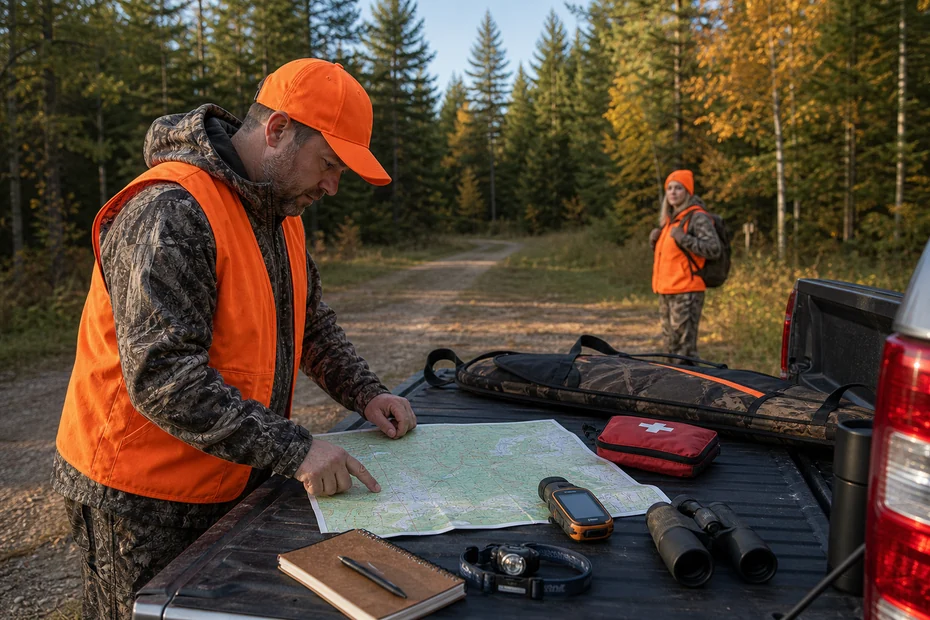
Canada hunting safety guide
Hunting Safety in Canada
Use a practical safety order for legal checks, firearm or bow control, visibility, route planning, communication, weather and emergency gear.
Plan the hunt.
Know when to stop.
Safe hunting is a repeated field system, not one slogan.
The hunting safety order that prevents the biggest mistakes
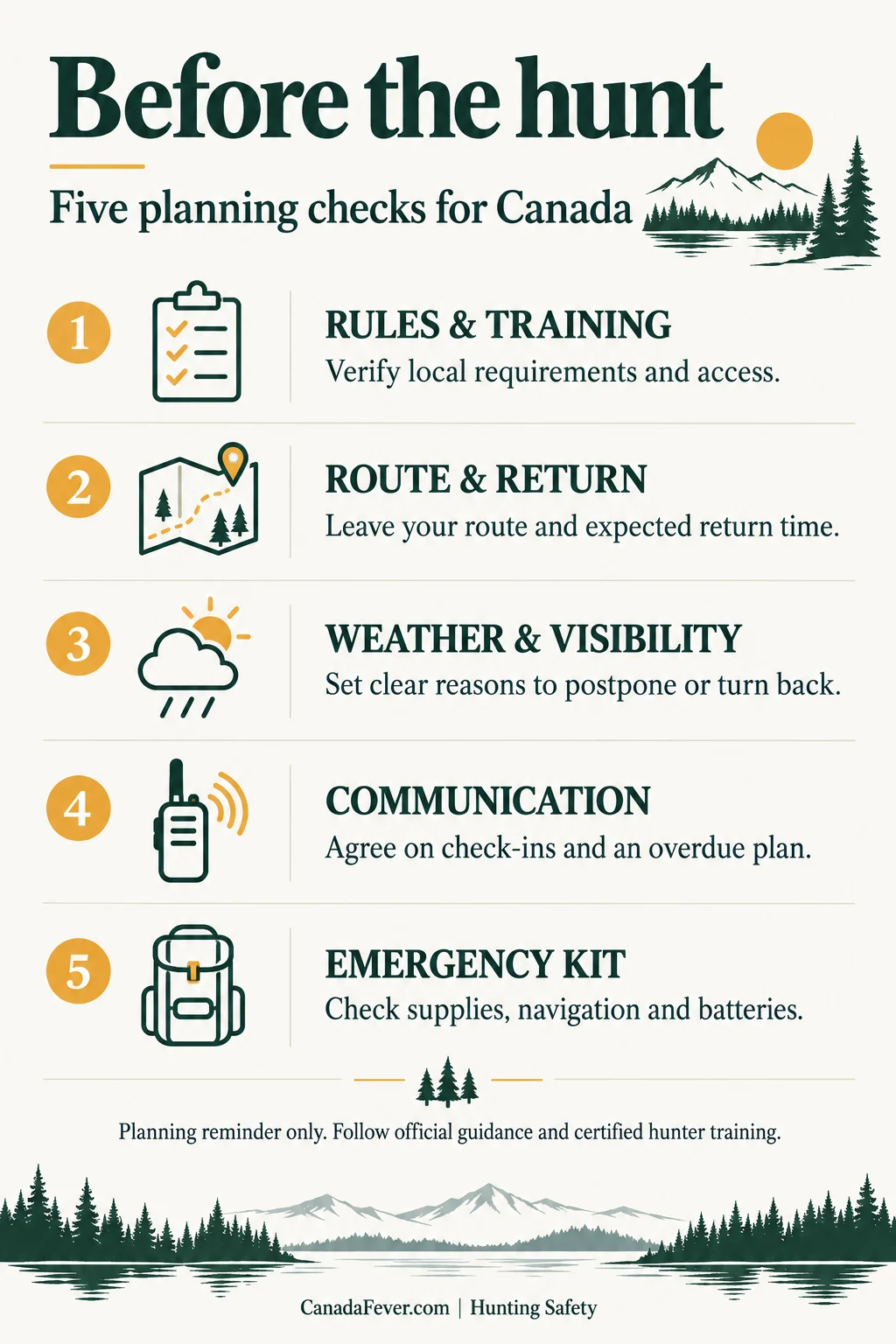
Safe hunting is a system, not one slogan. Work through the five checks below before the hunt, then repeat them whenever visibility, terrain, weather or partner positions change.
Check the rules first
Confirm licence, tag, WMU or zone, season, access, reporting, hunter-orange rules and method rules with official sources.
Know target and backstop
Keep the muzzle or broadhead pointed safely. Stop if you cannot identify the target, foreground, background and partner locations.
Make hunters obvious
Wear required high-visibility clothing and agree on movement signals before anyone crosses, drives, tracks or changes position.
Plan the exit first
Mark truck, stand, glassing point, pickup time, emergency exits, communication limits and the person who will raise the alarm.
Carry critical backups
Carry light, first aid, water, fire, insulation, navigation, communication, food and document protection before going remote.
Pause when uncertain
If weather, backstop, visibility, firearm status, route or partner position is unclear, stop the hunt and reset the plan.
Safety rule: Confidence is not proof. The moment you lose target certainty, backstop certainty, route certainty or partner certainty, the safest choice is to stop and re-check.
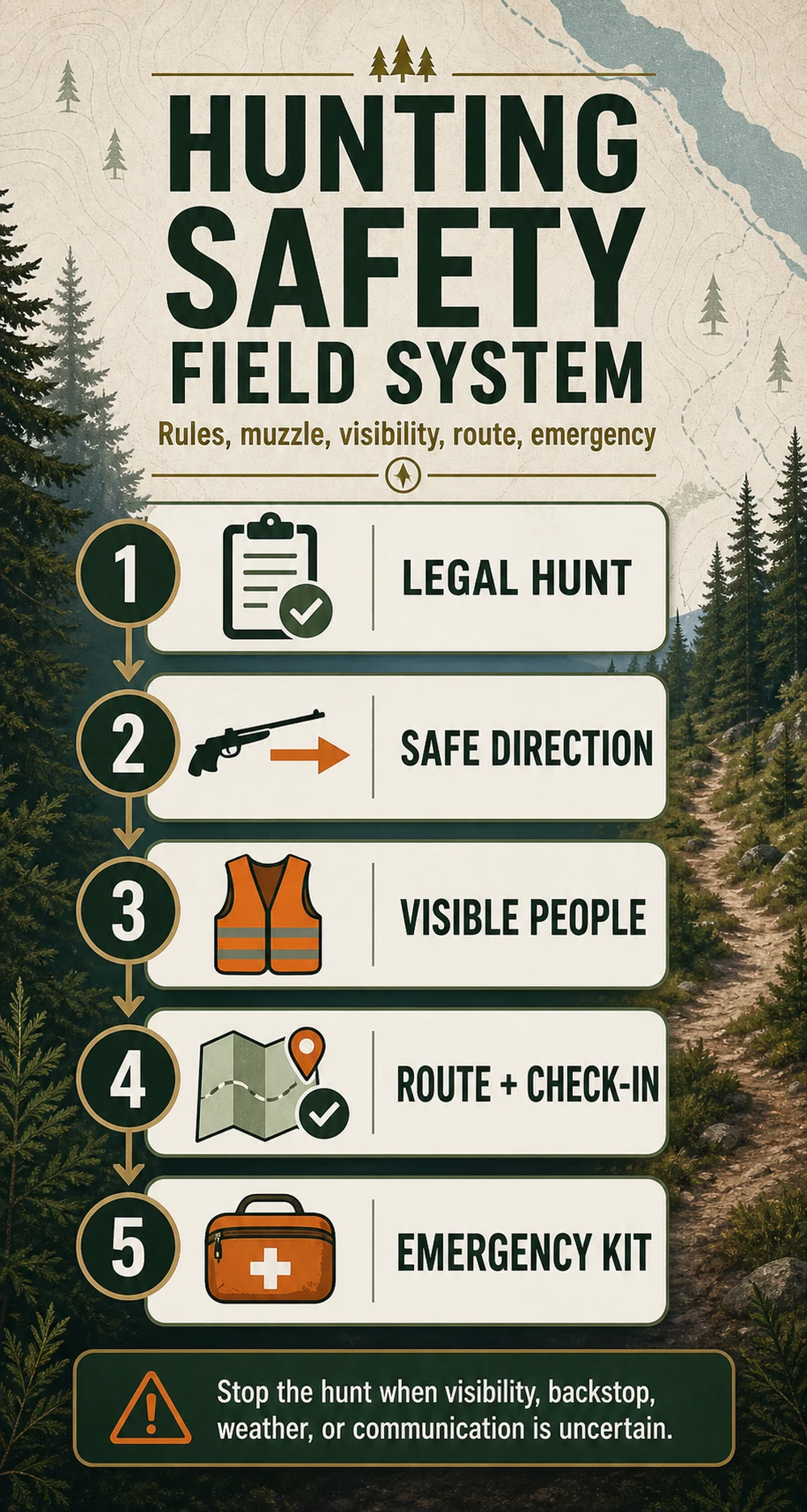
Hunting safety field system
This new visual keeps the field sequence simple: legal hunt, safe direction, visible people, route check-in and emergency kit.
Match the safety plan to the hunt
Different hunts create different failure points. Use this matrix to decide what deserves extra attention before leaving the road.
| Hunt type | Main safety risk | Best field control | Do not skip |
|---|---|---|---|
| Public-land firearm season | Moving hunters, poor backstops, low light and mistaken identity. | High-visibility clothing, clear lanes, verbal check-ins and no shot without target/background certainty. | Provincial visibility rules and safe direction habits. |
| Tree stand or elevated platform | Falls during climbing, setup, entry, exit or long sits. | Full-body harness, lifeline, three points of contact, manufacturer instructions and suspension-relief plan. | Connecting before leaving the ground and inspecting straps, steps and platform. |
| Cold or wet backcountry hunt | Hypothermia, soaked insulation, fatigue and delayed rescue. | Layering, rain shell, dry backup layer, fire starter, hot drink plan and clear turnaround time. | Dry insulation and a route plan that still works after weather changes. |
| Solo scouting or tracking | Navigation error, injury, dead phone and no one knowing your location. | Offline map, GPS or compass, satellite messenger where remote, check-in window and emergency contact. | Telling a reliable person where you are going and when to call for help. |
| Bear country or carcass recovery | Surprise encounter, food attractants, dense cover and limited visibility. | Noise, spacing, wind awareness, legal deterrents where allowed, clean food storage and exit route. | Backing out when visibility, wind or animal behaviour is wrong. |
Safe direction, target identification and backstop control
Canada’s safety rules differ by jurisdiction, but firearm discipline does not change. Treat every firearm as loaded, keep it pointed in a safe direction, keep your finger off the trigger until ready, and know what is in front of and beyond the target.
Target certainty
Do not shoot at sound, movement, colour, antler shape or a partial outline. Identify the animal, legal status, foreground, background and partner positions first.
Controlled follow-up
Unload or safe the firearm when appropriate, communicate with partners, mark the last known location, and wait when the situation requires it.
Ontario’s official regulations also remind hunters not to discharge a firearm from vehicles or motorboats and list rules around loaded firearms near certain roadways. Treat those as examples of why the province or territory source must be checked before each hunt.
Blaze orange, partner movement and low-light decisions
High-visibility clothing is not only a legal checkbox. It helps other people identify you in brush, rain, snow, dawn, dusk and firearm seasons. In Ontario, licensed hunters in certain gun seasons for deer, elk or moose must wear hunter orange, and the official summary defines garment and head-cover requirements.
- Check the province or territory rule for the species, season and method.
- Make sure the visible garment can be seen from multiple directions.
- Tell partners before moving, crossing a line, leaving a stand or tracking.
- Use a headlamp or marker when returning in darkness where legal and appropriate.
- Stop when fog, snow, brush, glare or low light makes identification uncertain.
Tree stand safety starts before climbing
Falls often happen during climb-up, climb-down, setup and transfer, not only during the sit. If you use an elevated stand, follow the stand and harness manufacturer instructions and use a full-body harness, lifeline and suspension-relief plan designed for hunting.
Stand, straps and steps
Look for weathered straps, cracked welds, loose fasteners, damaged cables, worn steps, bark movement and any missing manufacturer parts.
Stay tied in
Stay connected from the ground through the climb, the platform transfer and the descent. Practice using suspension-relief straps before hunting.
The Treestand Manufacturers Association describes full-body harness parts, anchorage, fall arrest and suspension trauma concepts. Use those resources and the exact product manual for your stand and harness.
Cold, wet and wind change the safety plan
Cold stress does not require extreme temperatures. Wet clothing, wind, sweat, fatigue and slow movement can pull heat away quickly. Canadian Centre for Occupational Health and Safety guidance lists hypothermia and frostbite as cold-environment risks and explains first-aid priorities.
- Avoid cotton base layers in cold wet conditions; carry a dry insulating layer.
- Pack a shell that blocks wind and precipitation.
- Set a turnaround time before fatigue and darkness reduce judgment.
- Carry a headlamp, fire starter, emergency blanket, food and water.
- Watch for shivering, confusion, clumsiness, numb skin and worsening decision-making.
High-quality safety tools worth packing
These products do not replace training, legal compliance or judgment. They support safer navigation, communication, hearing protection and night movement.

Garmin inReach Mini 2 Satellite Communicator
Premium backup communication for remote hunts where phone coverage and check-ins are unreliable.
View on Amazon
Garmin eTrex 32x Handheld GPS
Rugged navigation backup for marking truck, route, stand, glassing point, water and exit options.
View on Amazon
Howard Leight Impact Sport Electronic Earmuffs
Quality hearing protection for range work, sight-in sessions and firearm practice before the season.
View on Amazon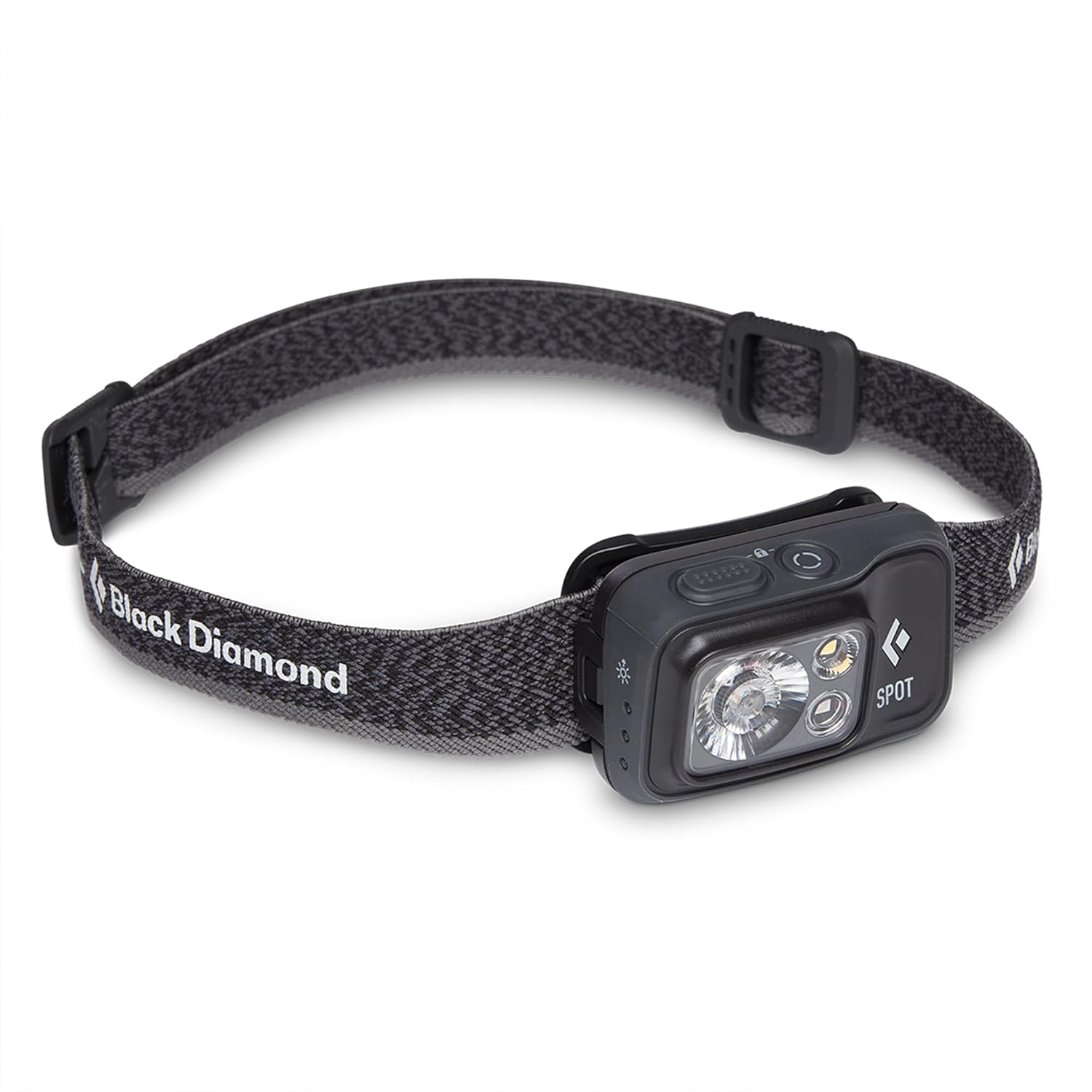
Black Diamond Spot 400 Headlamp
Reliable hands-free light for pre-dawn setup, late tracking, map checks and safer return routes.
View on AmazonAs an Amazon Associate, CanadaFever may earn from qualifying purchases. Product images are loaded from Amazon’s media CDN and product buttons go directly to Amazon product pages.
Use these sources before the hunt
Open the source that matches your decision. Regulations, firearm handling, cold exposure, tree-stand gear and park/wildlife rules can all change the field plan.
Ontario general hunting regulations
Loaded firearm, hunter orange, vehicles, roadways, species and general rule examples.
Open official sourceOntario hunter education
Training pathway, hunter accreditation and Canadian Firearms Safety Course references.
Open official sourceRCMP firearm storage and transport
Federal guidance for storing, transporting and displaying firearms safely.
Open official sourceCCOHS cold environments
Canadian occupational health guidance for hypothermia, frostbite and cold first aid.
Open safety sourceTreestand Manufacturers Association
Full-body harness, anchorage, fall arrest and suspension safety terminology.
Open safety sourceHunting regulations guide
CanadaFever’s rules hub for licences, seasons, tags, reporting and official links.
Read regulations guideHunting safety questions in Canada
Short planning answers for common safety mistakes. Always verify exact rules with the official source for your province, territory, park, landowner or hunt.
What is the most important hunting safety rule?
+
The most important habit is stopping when certainty is missing. Do not continue if the legal hunt, target, backstop, firearm status, partner position, route or weather plan is unclear.
Do hunters in Canada need blaze orange?
+
Often yes, but exact requirements vary by province, season, species and method. Ontario, for example, sets hunter-orange requirements for certain gun seasons. Check the current official summary before the hunt.
What safety gear should a beginner hunter carry?
+
Carry first aid, headlamp, navigation, communication, water, fire starter, food, weather layers, document protection and any legally required visibility or safety gear. Keep the kit simple enough that you actually carry it.
Is a tree stand harness enough by itself?
+
No. A harness only helps when it is the right type, correctly fitted, attached to the right point, used with a lifeline or tether as instructed, and paired with a practiced suspension-relief and rescue plan.
How do I avoid cold-weather hunting mistakes?
+
Stay dry, manage sweat, block wind, carry backup insulation, set a turnaround time and watch for shivering, confusion, clumsiness or numb skin. Wet clothing and wind can make mild temperatures dangerous.
Where this safety guide fits
Use this page as the field-safety layer, then move into licence, regulation, scouting and gear planning.
Hunting in Canada
The broader hub for licences, seasons, species, safety, gear and planning.
Open hunting hubHunting Regulations
Use this when the question is legal: seasons, zones, species, tags, reporting and access.
Read regulations guideOntario Hunting Licence
Ontario-specific Outdoors Card, hunter accreditation, tags and reporting guidance.
Read Ontario guide