

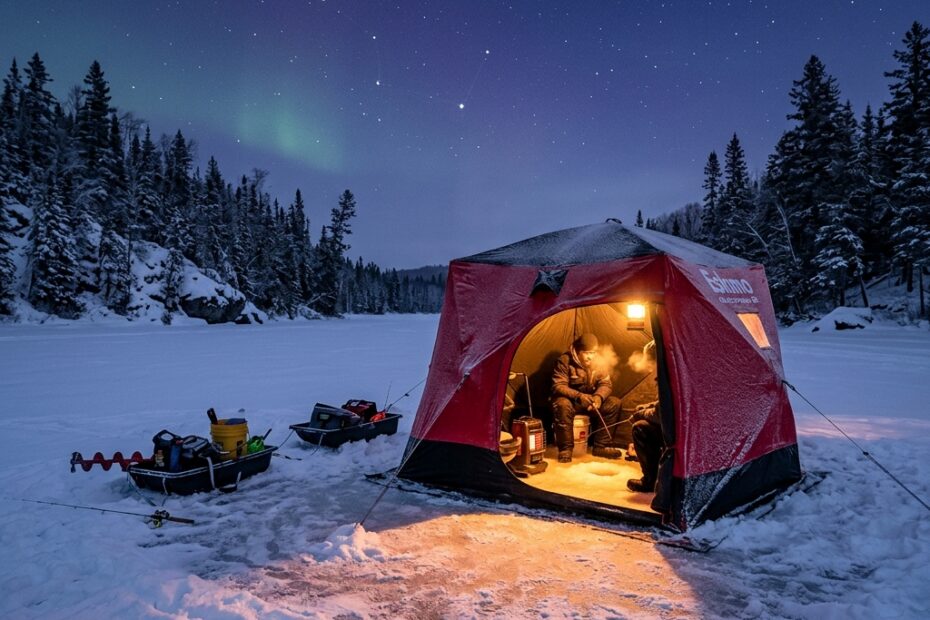
Discover the top-rated ice fishing shelters for extreme Canadian cold. Complete guide to full-thermal hubs vs. flip-over sleds for walleye and lake trout.
- Match Surviving to your water, season, boat size, and actual skill level instead of buying by specs alone
- Prioritize readable controls, durable construction, and Canada-relevant use cases before chasing premium features
- Use the guide to compare what matters in the field: setup time, reliability, safety, storage, and upgrade path
Bottom line The right Surviving choice solves your real Canadian trip conditions without adding gear you will not use
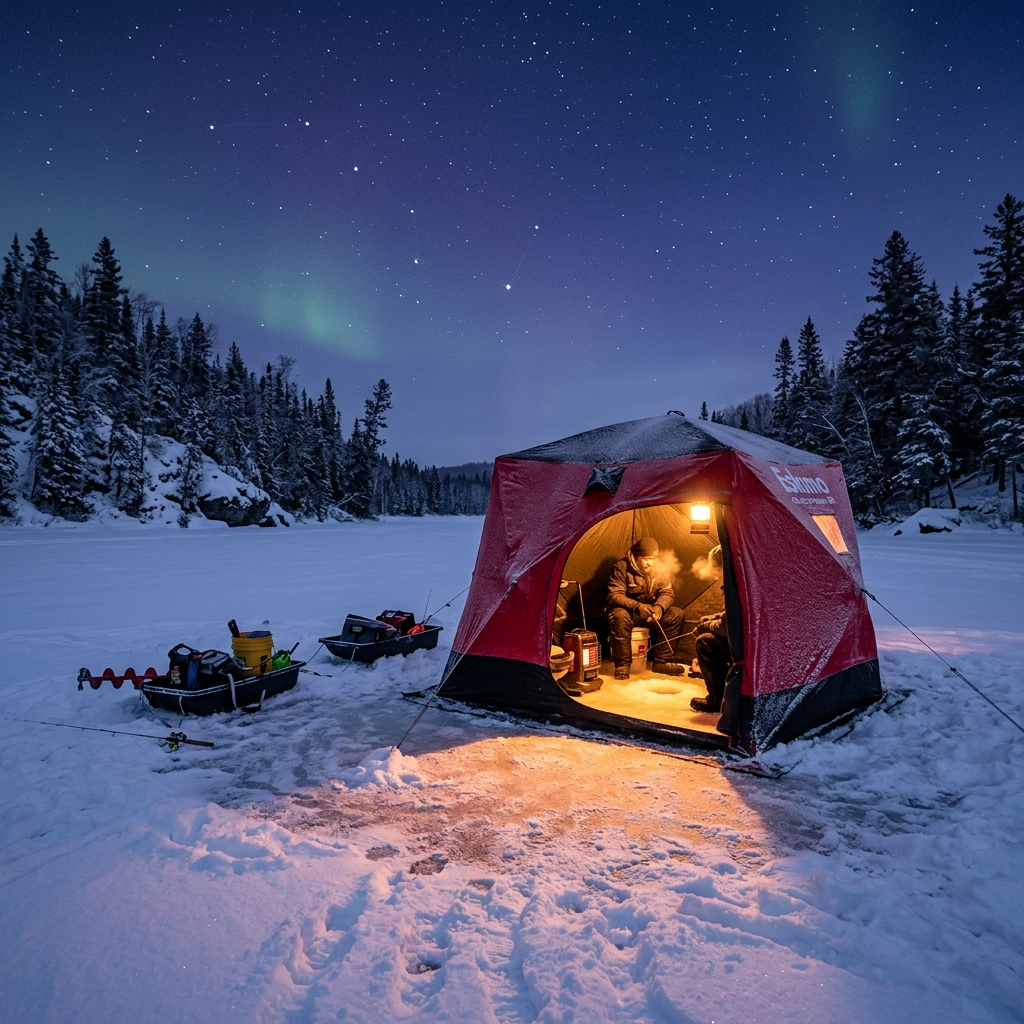
The difference between a good day of ice fishing on Canada’s top lakes and a miserable, potentially dangerous day often comes down to one piece of equipment: your shelter. When you are sitting on the frozen expanse of Lake Winnipeg in mid-January, a -30°C (-22°F) windchill is the baseline, not the exception.
For years, Canadian anglers relied on heavy wooden shacks towed by trucks. Today, the portability of pop-up hubs and sled-based flip-overs has revolutionized the sport. However, many guides written for southern climates recommend lightweight, uninsulated tents that are completely inadequate for the Canadian Prairies or Northern Ontario.
If you buy the wrong shelter, you won’t just be cold—you’ll be dealing with frozen zippers, indoor rain (condensation), and shattered fiberglass poles. This guide breaks down the true 2026 top performers for extreme cold-weather Canadian ice fishing.
If you are still building the rest of the winter kit, use the Fishing Gear and Equipment for Canada pillar to plan rods, electronics, line, safety gear, clothing, augers, and shelter decisions together.
⚡ Key Takeaways
- Full-Thermal is Mandatory: Non-insulated shelters will drip freezing condensation down your neck in -20°C. Always look for “Thermal” or “Insulated” models (typically 60-90 grams of insulation per square meter).
- Hub vs. Flip-Over: Hubs offer massive floor space for the price but require more effort to move. Flip-overs are built into a plastic sled, allowing for rapid “run-and-gun” tactics, but are heavier and more expensive.
- The “No-Trip” Door: Eskimo’s patented Outbreak series features a full-length door that eliminates the dreaded trip hazard common in traditional pop-up hubs.
- Blackout Interiors: If you rely heavily on electronics (flashers/LiveScope) or enjoy sight-fishing in clear water, a dark interior is crucial to eliminate screen glare.
The Guide’s Log
My first trip to Lake Winnipeg for “Greenback” walleye was a disaster, entirely because of my shelter. I had brought an uninsulated, cheap 3-person pop-up from my days fishing in Southern Ontario. It was -35°C outside.
We fired up the propane Mr. Heater. Within 20 minutes, the heat melted the snow inside, evaporated the moisture from our breath, and immediately condensed it on the single-layer ceiling. It started “raining” inside the tent. Then, that rain froze. By the end of the day, the zippers were encased in an inch of solid ice, and the fabric was stiff as a board. We had to use a heat gun to fold the tent down.
Never compromise on thermal insulation in Canada. It doesn’t just keep you warm; it manages moisture and prevents your gear from freezing solid.
Understanding Shelter Types
Animation: Hub Pop-Up Mechanics vs. Flip-Over Sled Deployments
| Shelter Style | Best For | Pros | Cons |
|---|---|---|---|
| Hub (Pop-Up) | Groups (3+), stationary fishing | Massive floor space, cheaper per sq/ft | Requires anchoring, slower to move |
| Flip-Over (Sled) | Solo/Duos, “Run and Gun” | Instant setup, built-in seats, mobile | Heavy, expensive, requires snowmobile/ATV |
The 4 Best Ice Fishing Shelters for Extreme Cold
1. Best Overall Hub: Eskimo Outbreak 450XD
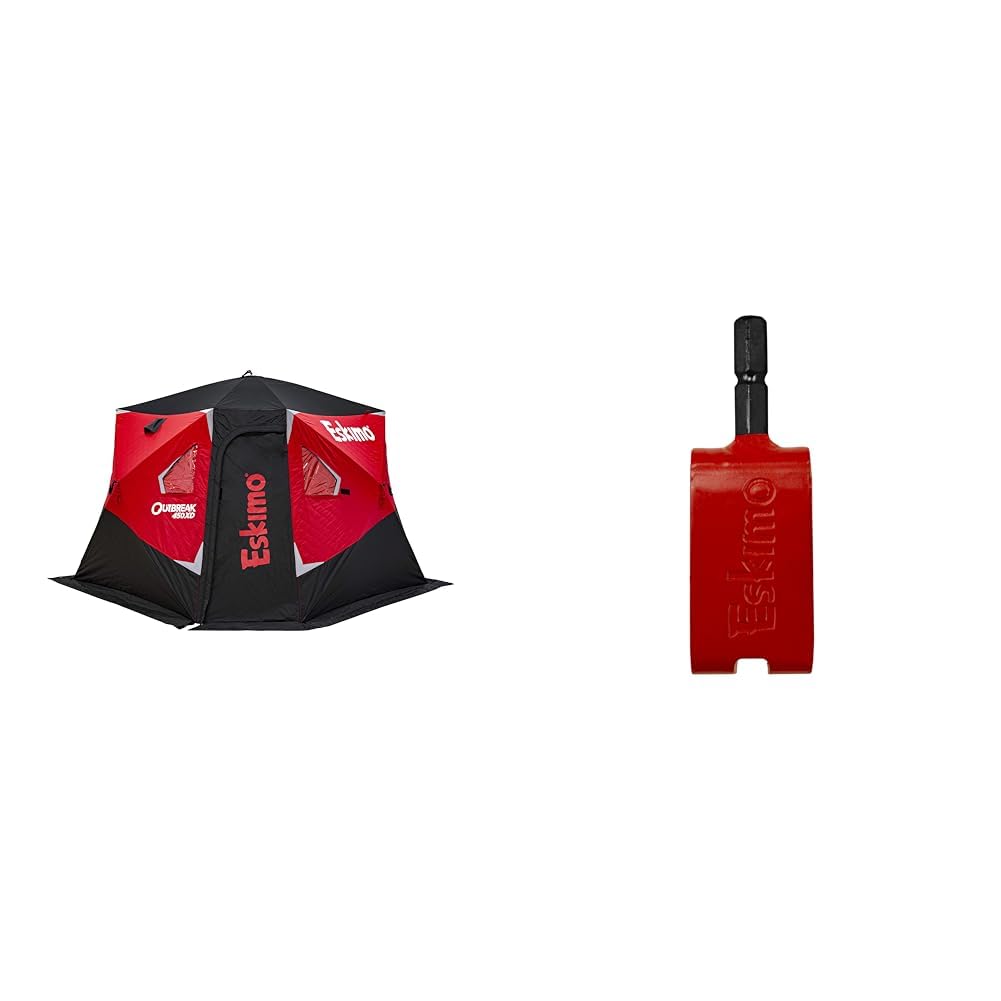
The Eskimo Outbreak 450XD is arguably the finest hub shelter ever designed for Canadian winters. The “XD” stands for Extra Durability, featuring Eskimo’s proprietary StormShield™ fabric—a three-layer, abrasion-resistant, fully insulated material.
What truly sets the 450XD apart is the flared bottom and the oversized, full-panel door. Traditional pop-ups have small, triangular doors that require you to step over an 8-inch fabric lip. In heavy boots, holding an auger and a Vexilar, tripping over that lip is practically guaranteed. The 450XD’s door zips all the way to the ice, allowing you to walk straight in without breaking stride.
Capacity: 4-5 People (75 sq. ft.)
Insulation: Full Thermal
Eskimo Outbreak 450XD
Affiliate Disclaimer: As an Amazon Associate, CanadaFever earns from qualifying purchases. This helps support our Canadian outdoor research at no extra cost to you.
2. Best for High Mobility: Eskimo QuickFish 3i
If you are a solo angler or a pair targeting structure-oriented walleye or whitefish, you need to move frequently. The QuickFish 3i (“i” for insulated) is the industry standard for run-and-gun hub fishing.
It weighs only 34 pounds and can be set up by one person in under 60 seconds. While it doesn’t have the “no-trip” door of the Outbreak series, its compact size makes it significantly easier to heat with a smaller, single-burner propane heater, saving you weight and fuel costs on the ice.
Capacity: 3 People (34 sq. ft.)
Insulation: Full Thermal IQ™
Eskimo QuickFish 3i Insulated (B0CW1ZRH6V)

Affiliate Disclaimer: As an Amazon Associate, CanadaFever earns from qualifying purchases. This helps support our Canadian outdoor research at no extra cost to you.
3. Best Flip-Over for Two: Clam Nanook XT Thermal
Flip-over shelters are built directly into a heavy-duty plastic sled. They feature comfortable, padded boat-style seats and a metal frame that literally “flips over” your head like a baby carriage canopy. You never have to anchor them in light wind because your body weight on the seats holds the sled down.
The Clam Nanook XT Thermal is legendary. The “XT” design provides extra headroom, allowing most anglers to stand up to stretch their legs. The heavy-duty tub glides smoothly over snow, and the 90-gram insulation rating per square meter ensures maximum heat retention.
Capacity: 2 People
Insulation: Full Thermal
CLAM Flex-4 LED Light Kit (B07XJ7VNZM)
To maximize your time inside any ice shelter, proper lighting is essential. The CLAM Flex-4 LED Light Kit delivers 560 lumens of adjustable brightness across 8 levels and 4 color modes (White, Red, Green, Blue). Red and green lights are ideal for preserving night vision and preventing glare while reading sonar screens. It is built with a flexible strip that easily mounts to shelter poles and connects directly to a 12V battery with the included alligator clips.

Affiliate Disclaimer: As an Amazon Associate, CanadaFever earns from qualifying purchases. This helps support our Canadian outdoor research at no extra cost to you.
4. Best Heavy-Duty Lodge: Otter Vortex Pro Monster Lodge
When you are spending an entire weekend on the ice with five buddies, you need a fortress. Otter Outdoors is widely considered the most premium (and expensive) brand in the ice fishing world, known for over-engineering their products.
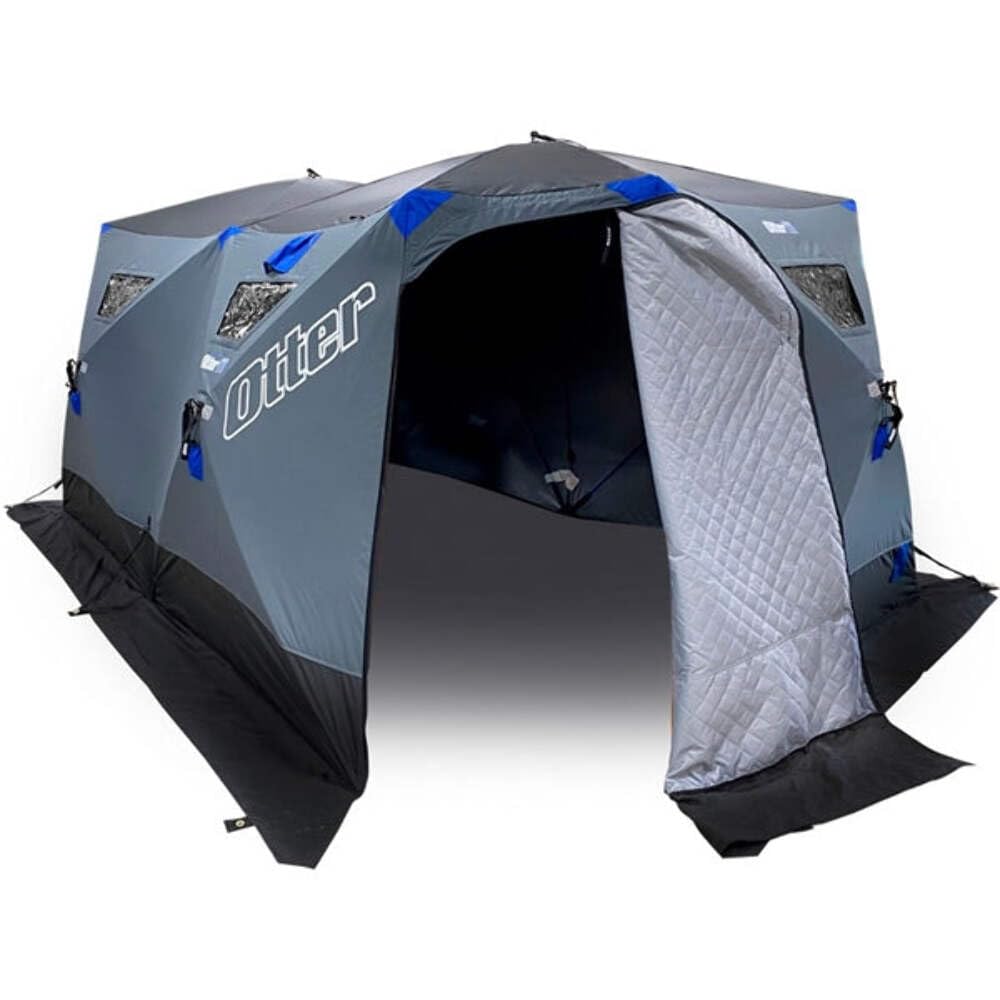
The Vortex Pro Monster Lodge features their ThermalTec 600 Denier Fabric System and an extreme-duty 11mm cobalt pole system. While other hubs collapse inward during 60 km/h gusts on Lake Simcoe or Lac La Biche, the Otter stands firm. It offers a massive 112 square feet of fishable area.
Capacity: 6-8 People (112 sq. ft.)
Insulation: Full ThermalTec
Otter Vortex Pro Monster Lodge
Affiliate Disclaimer: As an Amazon Associate, CanadaFever earns from qualifying purchases. This helps support our Canadian outdoor research at no extra cost to you.
🍁 The Local Secret
Most Canadian lakes have a thick layer of snow insulating the ice. This causes a phenomenon called “slush.” When you drill a hole, water rushes up and mixes with the snow, turning the floor of your shelter into a freezing puddle.
To prevent this, seasoned Ontario lodge guides use interlocking foam floor mats (like the ones used in home gyms). Lay them down inside your hub shelter before you turn the heater on. They keep your boots out of the slush, insulate you from the ice, and dramatically improve the efficiency of your heater.
The Pre-Trip Protocol: The Ventilation Rule
Modern thermal hubs are incredibly airtight. If you are running a propane heater (like a Mr. Heater Buddy), you are consuming oxygen and producing carbon monoxide (CO). Every year, anglers in Canada suffer from CO poisoning, as noted by Red Cross safety guidelines.
You must always leave at least two ceiling vents open. The slight loss in heat is irrelevant compared to the risk of asphyxiation. Furthermore, always ensure the bottom skirt of your tent has a small gap for fresh air to enter near the heater.
Frequently Asked Questions
Do I need ice anchors to hold my shelter down?
Yes, absolutely. Even a slight 15 km/h breeze will turn an unanchored hub shelter into a massive kite. Always drill your heavy-duty ice anchors into the windward corners immediately upon setting up, before you step inside. You can review Ontario’s official ice fishing regulations for more safety tips.
Can I pull a flip-over shelter by hand?
It depends on the snow cover. On bare ice or hard-packed snow, you can easily pull a 100-pound loaded flip-over by hand. However, if a Canadian lake gets a foot of fresh, powdery snow, pulling that sled by hand will become an exhausting, miserable experience. In deep snow, a snowmobile or ATV is required.
How do I dry out my thermal shelter?
Never pack an insulated shelter away wet for more than 24 hours. The fabric will grow mold and the zippers will rust. Set it up in your garage, basement, or living room when you get home and let it air dry completely before storing it in its bag.
Can you sleep in an ice fishing shelter overnight?
Yes, many anglers “ice camp” for days at a time. However, you must use a specialized vented heater (like a diesel heater or a vented propane stove) or rely on extreme cold-weather sleeping bags without a heat source. Never sleep with an unvented Mr. Heater Buddy running. If you want to keep your catch fresh overnight, remember to humanely dispatch it before it freezes solid.
Where this fits: A shelter works best when it fits the full trip plan. Before comparing hub size or fabric, review the Ice Fishing in Canada hub for safety, access, electronics, augers, and species planning.