

Discover the Best Lakes for Fishing in Canada – Angler's Paradise!Discover the Best Lakes for Fishing in Canada – Angler's Paradise!
- Choose the lake and the access route together
- Compare the complete trip cost and included support
- Check named-water rules before choosing dates
Bottom line The best lake fits your target species, travel budget and time on the water.
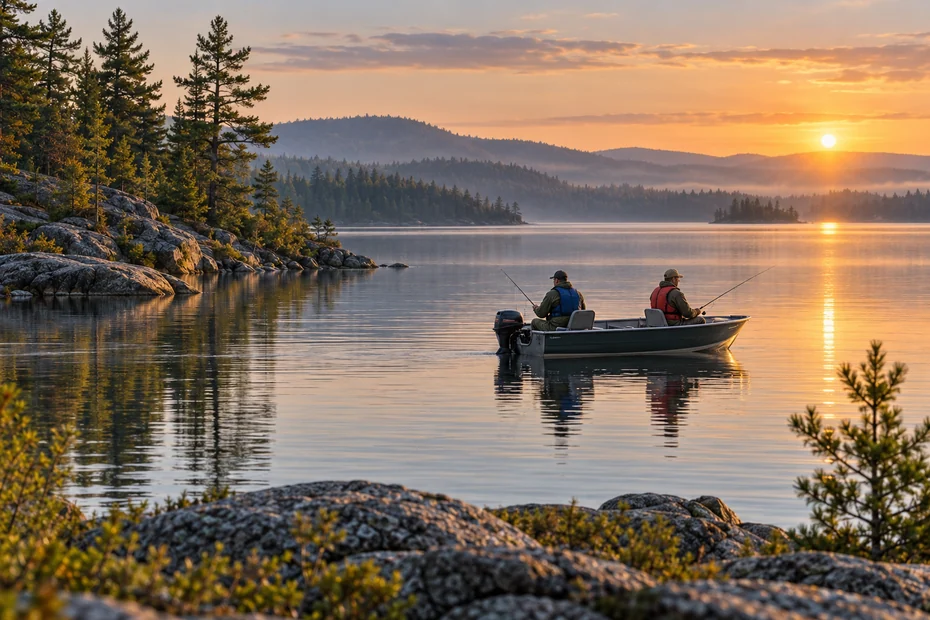
Canada • Lake fishing • A practical trip shortlist
The best lakes for fishing in Canada are the ones that match your target fish, your travel budget and the way you want to spend a day on the water. A road-accessible walleye trip, a cold-water trout expedition and a guided northern fly-in ask very different things of an angler.
This shortlist compares twelve real Canadian lakes through those decisions. It is an editorial selection, not a measured national ranking or a prediction of catches. Species listed are reasons to investigate a destination; they do not mean every species is open to fishing on your dates.
Best lakes for fishing in Canada: compare the trip you can actually take
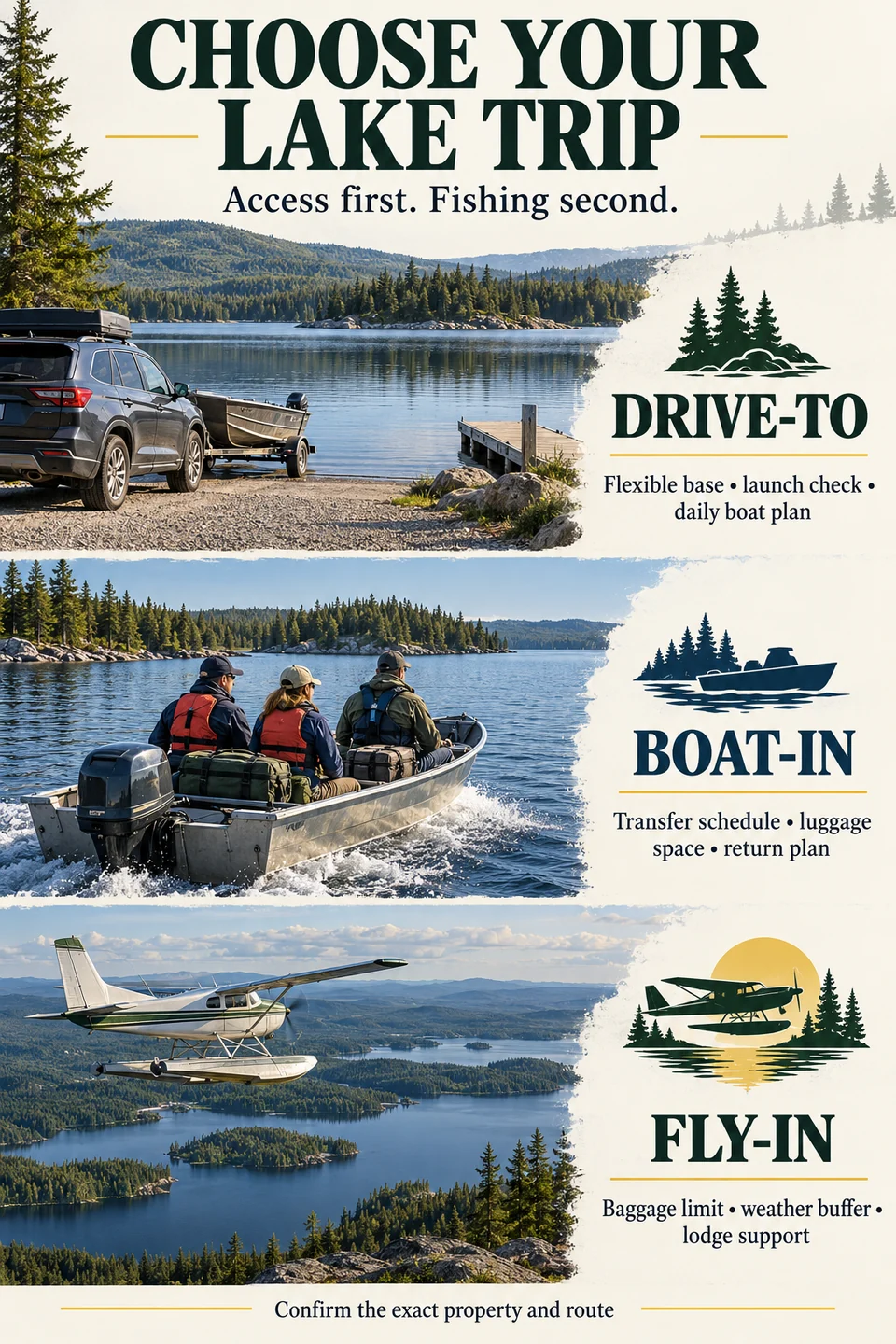
These lakes cover contrasting options across Ontario, Manitoba, Saskatchewan, British Columbia, Quebec and the Northwest Territories. The access column describes the planning direction, not a promise that every shoreline or lodge can be reached the same way.
If you already have a booking, check what tackle and storage are supplied before shopping. The two compact kit additions below cover small-item storage and replacement mainline. Choose two or three lake possibilities first. Then ask the operator or access manager where you start, which part of the lake you fish and what happens when conditions change. For a broader view beyond lakes, our Canadian fishing-destination guide includes other trip formats.
| Lake and jurisdiction | Fishing focus to investigate | Access and booking decision |
|---|---|---|
| Lake Simcoe, Ontario | Perch, bass, lake trout, whitefish | Road-based stay; choose boat, shore or seasonal outfitter |
| Lake Nipissing, Ontario | Walleye, pike, bass, muskie | Road-based communities; verify a launch and suitable boat plan |
| Lake of the Woods, Ontario base | Walleye, bass, pike, muskie, lake trout | Drive-to or transferred lodge; clarify the actual jurisdiction |
| Lac Seul, Ontario | Walleye and pike | Compare main-camp access with a boat-in outpost |
| Clearwater Lake, Manitoba | Lake trout, pike, whitefish | Provincial-park base; confirm facilities and launch conditions |
| Lake Winnipeg, Manitoba | Walleye | Choose the specific basin, access and local guiding format |
| Tobin Lake, Saskatchewan | Walleye and pike | Road-accessible base near Nipawin; check boat hire |
| Reindeer Lake, Saskatchewan/Manitoba | Lake trout, pike and other lodge targets | Resolve the lodge transfer and province of the fishing water |
| Quesnel Lake, British Columbia | Rainbow trout and lake trout | Road access to a large lake; choose a particular launch or guide |
| Lac Saint-Jean, Quebec | Landlocked salmon and other regional targets | Road-based visit plus communal-area permission |
| Great Bear Lake, Northwest Territories | Lake trout, grayling and pike | Remote lodge journey; flight arrangements and M1 authorization |
| Great Slave Lake, Northwest Territories | Lake trout, grayling and pike | A Yellowknife excursion or a separate remote-lodge itinerary |
Twelve lake profiles: choose by fishing interest and practical fit
1. Lake Simcoe: a road-based option in southern Ontario
Lake Simcoe suits an angler who wants to compare several fishing approaches without building the trip around a remote transfer. Destination Ontario describes perch, bass, lake trout and whitefish opportunities, with Barrie and Orillia among the surrounding communities.
The useful decision is the exact outing, not simply “Simcoe.” Perch fishing, bass fishing and a deeper-water trout outing can require different equipment and operator choices. Ask which species the guide targets on your dates and whether the boat, tackle and licence arrangements are included.
For a short visit, a nearby accommodation base can preserve flexibility. Keep a permitted shore or non-fishing alternative in mind if the boat day changes. Winter requires a separate conditions-based plan; an ice-fishing reputation does not establish that any date or access route is safe.
2. Lake Nipissing: walleye interest with a carefully chosen base
Destination Ontario’s Nipissing guide describes a broad fishery with walleye, bass, northern pike and muskie, supported by communities including North Bay, Callander and Sturgeon Falls. That gives you several starting points rather than one universal itinerary.
Choose the base around the water you intend to fish and the daily travel you can manage. Ask where the boat leaves, whether a guide can work near that base and what sheltered alternatives are available. A convenient road journey does not remove the need to assess weather and navigation on the lake.
Nipissing has named-water rules that deserve their own check. Do not lift a season or walleye size rule from a travel article and assume it applies to your whole trip. Read the current Ontario summary and the lake exceptions before settling on a harvest plan.
3. Lake of the Woods: variety with a jurisdiction decision
For variety, an Ontario-based Lake of the Woods trip is a strong starting point. The provincial destination guide identifies walleye, pike, muskie, bass, crappie and lake trout, and describes Kenora as a waterfront service base.
The first practical question is where the booking actually takes you. Do not assume an Ontario licence covers every part of a cross-border lake. Establish the intended fishing water and any boundary-related requirements with the operator and relevant authorities.
For a boat-in example, Crow Rock Lodge currently describes its Lake of the Woods setting and transfer format. Enquire about the departure point, guide arrangements and accommodation plan. Its promotional language is not evidence that you will catch a particular fish or have an entire waterbody to yourself.
Choose one main target so the guide can prepare an appropriate day. A broad species list is useful for alternatives, but it should not turn a short visit into a rushed attempt to catch everything.
4. Lac Seul: compare the main camp with the outpost
Lac Seul is an Ontario option for anglers prioritizing walleye and northern pike. Lac Seul Lodge describes its Ear Falls base and separate boat-in outpost cabins. That distinction makes it a useful example of two travel styles on the same lake.
A main-camp stay and an outpost booking may differ in meals, communications, assistance and the movement of gear. Ask which property your quotation covers and how you reach it. Confirm whether guiding, fuel and boat use are included or arranged separately.
For an independent group, discuss the navigation information and orientation provided before departure. An outpost should fit the group’s actual experience rather than its appetite for remoteness. Compare the return procedure and contact plan as carefully as the fishing photographs.
Use our Canadian fishing-lodge comparison to separate housekeeping, full-service and guided arrangements before requesting a quotation.
5. Clearwater Lake, Manitoba: a park-based trout choice
This profile refers to Clearwater Lake in Manitoba, not the British Columbia lake with the same name. The provincial park page identifies lake trout, northern pike and whitefish among the fishing interests.
Choose it when a park-based trip appeals more than a lodge transfer. Establish where you will stay and launch, which facilities operate on your dates and whether you need your own boat. Do not assume a campsite reservation includes fishing access, a rental craft or equipment.
If lake trout are your priority, ask a qualified local provider about a suitable outing and handling approach. Deep-water fishing deserves deliberate planning; catching and releasing a fish is not automatically harmless. Keep the species and conditions discussion separate from the accommodation booking.
6. Lake Winnipeg: resolve the specific outing first
Lake Winnipeg is a Manitoba shortlist choice for walleye interest. The province’s lake information identifies walleye among its fisheries. The fishing decision still needs a much more specific location and format.
Ask which access point and part of the lake the provider uses. A recommendation for a tributary or a winter outing should not be silently substituted for the open-water lake trip you intended. Obtain the exact meeting place, supplied equipment and weather arrangements.
A guided introduction can reduce the number of decisions a visitor must make alone, but it does not guarantee a catch or remove the need for suitable clothing and current licence checks. Compare the actual time on the water with the total travel and preparation time.
7. Tobin Lake: a Saskatchewan drive-to starting point
Tourism Saskatchewan identifies walleye and northern pike, with access through Nipawin Regional Park and additional north- and south-shore approaches. This is a useful direction for a road-based lake holiday.
Choose the accommodation and access together. Ask whether you can bring your own boat, rent one or book a guided outing, and clarify launch, parking and fuel arrangements. A resort listing does not mean every service is available for every date.
For budget comparison, separate the cabin bill from the daily fishing bill. Self-catering can suit a group that wants its own schedule, while guiding may be worthwhile for learning the particular water. Check the current Saskatchewan licence and habitat-certificate requirements before treating the trip as fully costed.
8. Reindeer Lake: province and transfer both matter
Reindeer Lake deserves consideration for a northern lodge trip, especially when lake trout and pike are the main interests. Tourism Saskatchewan’s Nordic Lodge listing describes those species alongside other fishing targets.
Because the lake extends across Saskatchewan and Manitoba, establish the province of the actual fishing water. A lodge’s postal address and the water you reach during the day are not necessarily the same planning detail. Ask the operator to explain the intended route and applicable licence arrangements.
For a closer provider comparison, our Saskatchewan lake-trout lodge guide helps assess the booking format. Resolve the transfer method rather than categorizing every Reindeer Lake trip as fly-in. Ask where you meet, how luggage moves and what is included at the lodge. Choose the property whose support matches the group, and confirm the return schedule before arranging a tight onward connection.
9. Quesnel Lake: a British Columbia trout trip with named-water checks
The Freshwater Fisheries Society of BC describes Quesnel Lake’s rainbow- and lake-trout fishing and road approaches via the Horsefly–Likely area. It is a large-lake choice, not a reason to assume any small boat or shoreline will serve the same purpose.
Decide on the specific launch, accommodation or guide first. Ask about the daily route, boat suitability and a changed-weather plan. A guided introduction may be more useful than buying specialized equipment before you understand the outing.
Quesnel has named-water restrictions. Use the current BC Region 5 synopsis and in-season changes, including the rules for the section you intend to fish. Keep tributary and lake opportunities distinct. A fishing tip describing fish movement does not authorize entry into a closed area.
10. Lac Saint-Jean: landlocked salmon and a second permission
For a different eastern-Canada fishing interest, consider Lac Saint-Jean in Quebec. The regional tourism listing identifies the lake’s landlocked-salmon focus and the communal wildlife area.
Quebec’s special-area guidance says a communal wildlife area requires both a provincial licence and permission from its responsible organization. Arrange both requirements; a lodging or guiding reservation is not a substitute.
Ask a local provider which species and method fit your dates, what equipment is supplied and where the outing begins. Confirm the lake-area permission and relevant fishing periods through current official information. This is a useful choice when the group wants a regional trip with a clearly defined fishing component.
11. Great Bear Lake: a remote lodge decision
Great Bear Lake is a Northwest Territories option for anglers prepared to organize a remote lodge journey. Plummer’s Great Bear Lake Lodge lists lake trout, Arctic grayling and northern pike among its fishing focus.
Compare the complete journey, not only the lodge package. Ask about the departure gateway, luggage allowance, tackle, transfers and contingency arrangements. Confirm which services belong to your quotation rather than assuming every optional fly-out is included.
The NWT licence authority identifies the Great Bear Lake Special Management Area and its M1 authorization, in addition to the standard licence. Resolve that requirement with the current official instructions. Remote access does not exempt an angler from fishing rules.
This is a trip for a group that values the northern setting enough to accept its travel commitments. Keep room around onward transport; do not turn a fixed return-flight assumption into the foundation of the holiday.
12. Great Slave Lake: separate a city excursion from a lodge expedition
Great Slave Lake offers more than one booking concept. Plummer’s Great Slave Lake Lodge describes guided fishing and lake trout, grayling and pike interests. A remote lodge stay should be evaluated through its own transfer and package terms.
A Yellowknife-based excursion is a separate option, not a shorthand version of the same itinerary. Confirm the particular season and fishing activity. For winter, a listed experience can provide equipment and shelter while still requiring suitable clothing, confirmed operating conditions and clear licence arrangements.
Choose the format that fits the time available and the group’s comfort. Ask how much of the booking is transport, fishing and interpretation, and what changes if conditions prevent the planned activity. The lake’s reputation does not settle those questions for you.
Read current rules in the right order
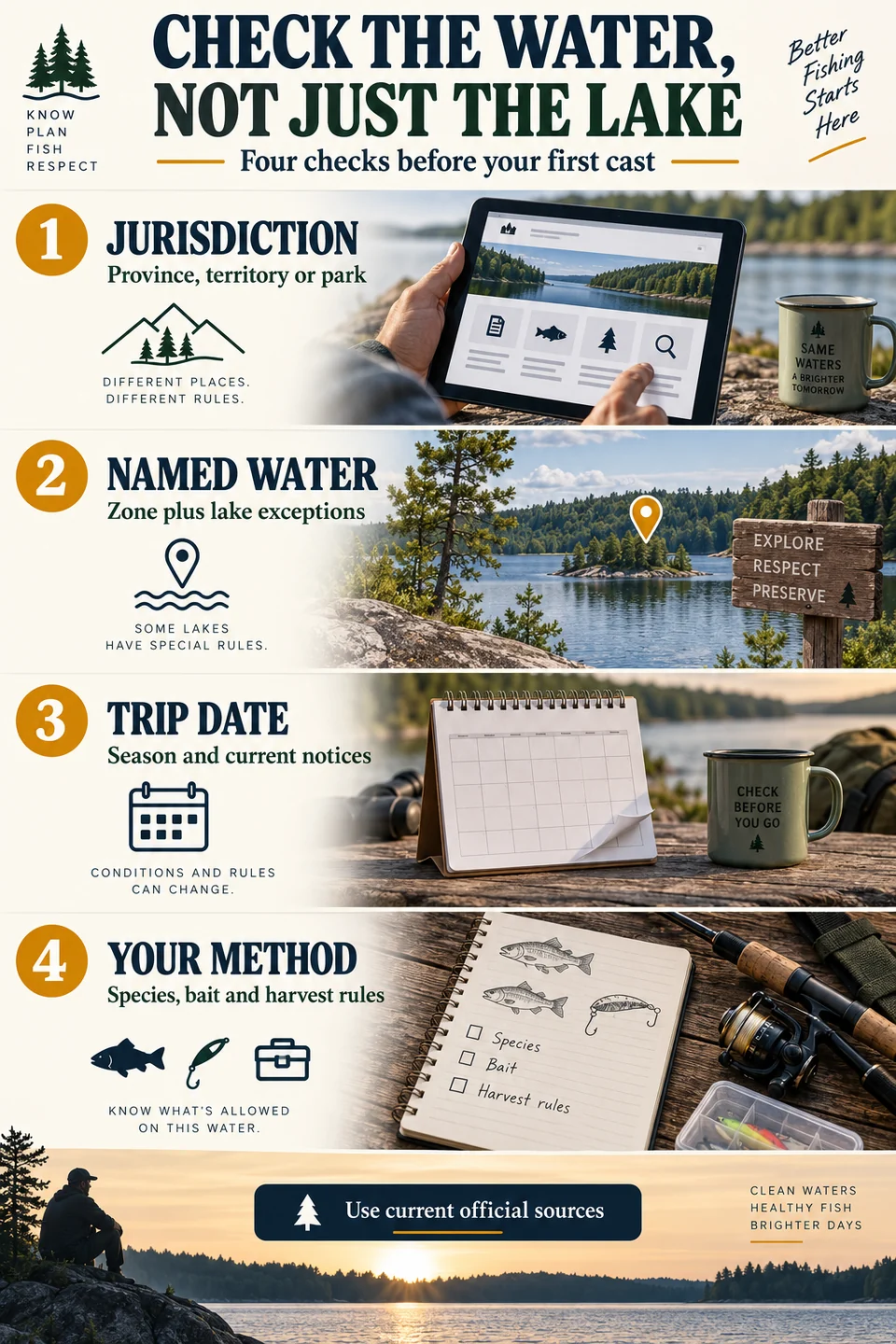
There is no single recreational freshwater licence for this whole shortlist. Start with the jurisdiction and your residency category, then identify the fishing zone and any named-water exceptions. Read the current notices as well as the main guide. Access permission, accommodation and a fishing licence are different arrangements.
| Jurisdiction | Current authority | What to resolve |
|---|---|---|
| Ontario | Ontario Fishing Regulations Summary and notices | Licence category, management zone, named-lake rules and current changes |
| Manitoba | Provincial recreational fishing information | Division, water-specific rules and licence requirements |
| Saskatchewan | Current angling information and guide | Licence, habitat certificate, named-water rules and updates |
| British Columbia | Freshwater regulations and in-season changes | Region 5, Quesnel Lake entry and current notices |
| Quebec | Sport-fishing rules and communal-area administration | Licence, zone/species/date and Lac Saint-Jean permission |
| Northwest Territories | NWT fishing licences and current guide | Licence, mandatory barbless hooks and Great Bear M1 authorization |
Saskatchewan’s current 2026–27 information adds a habitat certificate to angling-licence purchases. Check the applicable certificate alongside your chosen licence; do not budget from an older fee list. Similarly, the NWT’s special-area authorizations need their own check rather than an assumption that buying the basic licence finishes the task.
A tourism page is useful for choosing a destination, but current rules decide whether you can fish your intended species and method. Our Canadian licence-planning guide explains the broader process. Confirm exact restrictions with the authority for the water before casting.
Compare complete trip costs and the support you receive
Request a written quotation for the same group size and dates. Ask for the currency and the items excluded. A lodge package, a cabin rental and a day guide should not be compared as if their displayed totals buy the same things.
For a drive-to trip, include the road journey, accommodation, launch or parking arrangements, boat use, fuel, meals and guiding. For a transferred trip, add the staging night, transport to the departure point, baggage arrangements and any costs caused by a changed return.
Guiding can be worthwhile when you need navigation help, a suitable technique introduction or assistance choosing legal alternatives. Ask whether it is fully guided, available for selected days or separate from the accommodation. Do not count a boat rental as a guided package.
For mixed groups, check seating, toilets, steps, cabin access and the length of a normal fishing day. A property’s general comfort description cannot establish suitability for a particular mobility need. Explain essential requirements directly before paying a deposit.
Our fly-in lodge guide helps compare the remote-trip format, while rod-case choices become relevant once the carrier’s actual luggage rules are clear.
| Booking format | Cost items to include | Ask before paying |
|---|---|---|
| Drive-to cabin with your own boat | Accommodation, road travel, launch, parking, fuel and food | Are dock space and access included, and what is the local boat plan? |
| Boat-in camp or outpost | Transfer, luggage movement, boat use, fuel, meals and any guiding | Which base and transfer are included, and how do you contact support? |
| Guided fly-in lodge | Gateway travel, staging nights, lodge transfers, baggage and package exclusions | What changes after a weather delay, and who pays the additional costs? |
| Day guide or seasonal excursion | Meeting-point travel, equipment, licence arrangements and booking terms | What is supplied, what conditions can change the activity and what is refundable? |
A specific guided option on Great Slave Lake
Viator currently lists Arctic Tours Canada’s Yellowknife Ice Fishing Tour in Heated Shacks, product 11583P13, on Great Slave Lake. The listing describes fishing equipment, hot drinks and heated-space options. This is a winter excursion, not an open-water lodge package.
Before booking, resolve the exact date, operating conditions, required clothing, licence arrangements and pickup. The page currently contains inconsistent capacity descriptions, so confirm the group size directly. It also lists the experience as non-refundable and not wheelchair accessible; review the terms for your actual booking.
Affiliate disclosure: CanadaFever may earn a commission if you book through this link, at no additional cost to you. We have not personally tested this excursion.
Check the Great Slave Lake excursion and current terms
For open-water lodge stays, use the actual provider enquiries in the lake profiles and compare the transfer, guiding and accommodation arrangements.
Two compact additions for a lake-trip kit
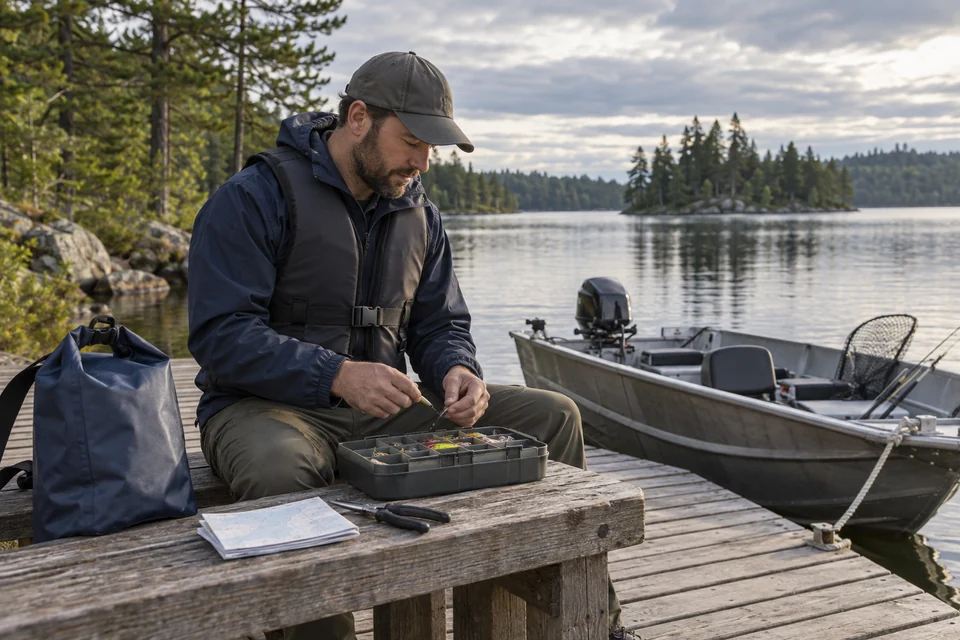
Buy equipment after confirming what the guide or lodge supplies. These two choices serve storage and replacement-line needs; neither turns unsuitable conditions into a fishable day. Bring the required boating equipment and a properly fitted approved lifejacket or PFD, and follow current official and operator instructions.
Useful additions • published information
Match your lake-trip kit to the booking
As an Amazon Associate, CanadaFever earns from qualifying purchases at no extra cost to you. These recommendations use current listing information and practical fit, not claimed hands-on testing. Check the exact variant, Canadian delivery and return terms.

Plano Guide Series 3600 Field Box
A rigid clear case for organizing small valuables during a boat or road-based trip.
- Clear body makes the stored contents visible
- O-ring lid and cam-action latches are described by the listing
- Rigid bulk may suit a boat bag better than a tight fly-in allowance

PowerPro Spectra Braided Fishing Line
Replacement mainline for an existing compatible setup, selected after discussing the fishing method.
- Choose the strength and spool length for your reel and method
- Carry only the replacement quantity your itinerary needs
- Mainline is not a substitute for an appropriate tooth-resistant leader
If the lodge supplies all tackle, a new line purchase may add no value. For an independent setup, our fishing-line comparison helps frame the choice. Tell the guide if pike or muskie are intended targets; do not treat an ordinary mainline as protection against teeth.
Best lakes for fishing in Canada: let the chosen water shape the kit
A compact walleye selection, a trout-trolling setup and dedicated muskie equipment are different purchases. Begin with the operator’s requirements and your existing gear. Carry the legal bait and terminal tackle for the exact water, with tools appropriate to handling the species you may encounter.
For a first independent trip, start with our Canadian beginner fishing guide. For boat use, establish training, navigation and weather decisions separately from buying tackle. Keep equipment, travel and legal preparation working together.
Frequently asked questions
Which Canadian lake should I choose for a first fishing trip?
Start with a manageable journey, a clear access point and the support you need. Simcoe, Nipissing or Tobin may be useful road-based comparisons, but the exact guide, boat and conditions matter more than the lake’s reputation.
Are fly-in lakes always better than drive-to lakes?
No. Fly-in travel changes access, schedules and support costs. A drive-to base may give your group more flexibility; a remote lodge may simplify meals and guiding. Compare the actual inclusions and return arrangements.
Does one fishing licence cover all these lakes?
No. Check the province or territory and the exact water. Great Bear Lake has an additional M1 authorization, and Lac Saint-Jean’s communal wildlife area requires permission as well as the provincial licence.
Can I rely on this guide for seasons and harvest limits?
Use the current official rules linked in the guide. Species, zone, named-water exceptions, dates and notices determine the applicable restrictions. A destination shortlist cannot replace those checks.
Should I buy tackle before booking a lake trip?
Confirm what is supplied and what the operator recommends first. The lake, target species, method and luggage restrictions should shape the purchase. Avoid buying equipment that duplicates a guided package or does not suit the intended water.