

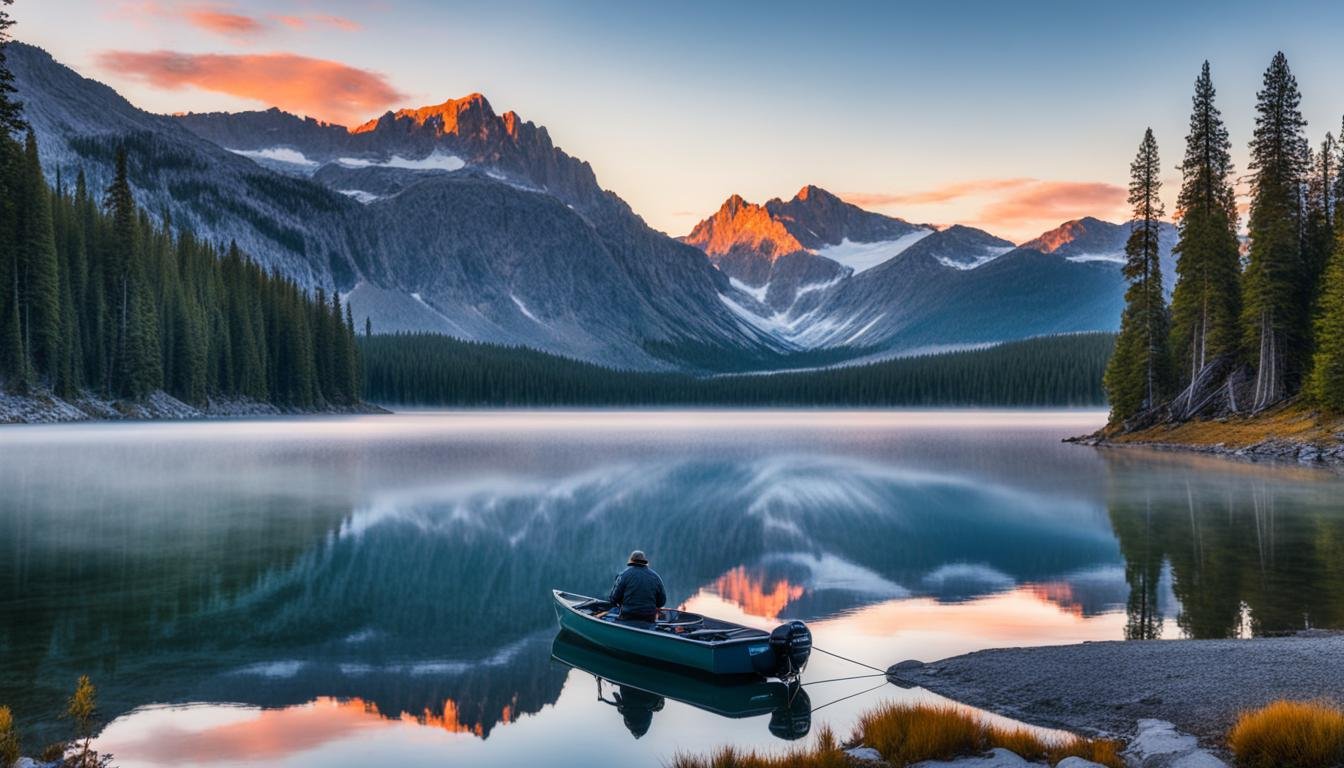
Lake Trout fishing in Canada guide with identification, habitat, seasonal patterns, gear, tactics, and official regulation checks.
- Use Lake Trout Fishing in Canada to match destination, season, access, and budget to the kind of trip you actually want
- Check licences, local rules, travel logistics, weather, and booking windows before locking in dates
- Compare locations by practical fit: target species or activity, remoteness, services, safety, and backup options
Bottom line Lake Trout Fishing in Canada becomes easier when you choose the destination around timing, access, rules, and your real trip style
Quick Answer
Lake Trout fishing in Canada is best planned by matching the species to the right water, season, gear, and official rule source. Start with identification and habitat, then verify province, zone, date, waterbody, size, retention, bait, and licence rules before fishing.
Where this fits: This profile is part of the Fishing for Specific Species in Canada hub. Use it with the Canada Outdoor Planning Tools species finder before checking the exact regulation source.
How to identify lake trout
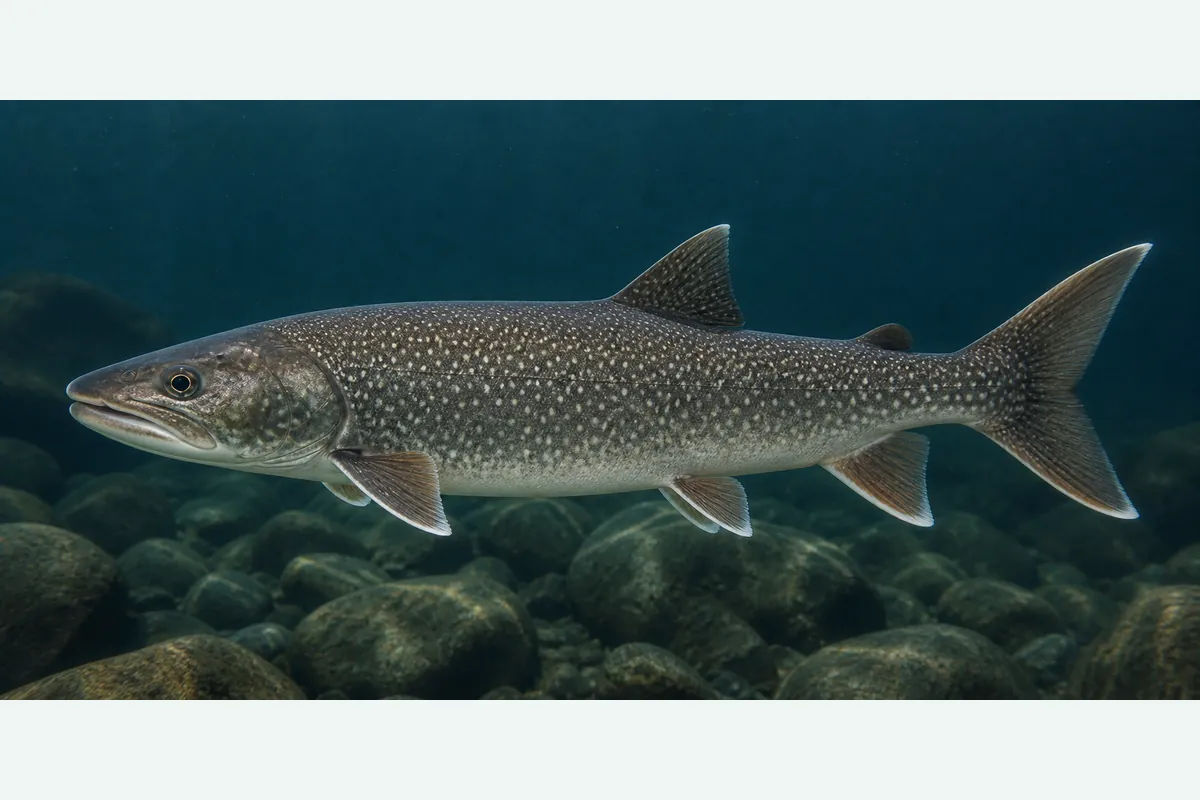
Lake Trout identification matters because regulations, limits, and legal handling can depend on the exact species. Look for these field marks before keeping fish or comparing your catch to a rule table.
- dark body with light spots
- deeply forked tail
- pale belly
- large head
- char family shape
Where to Find Lake Trout in Canada
Lake trout are a major Canadian cold-water species from provincial shield lakes to northern fly-in destinations.
Lake trout need cold, oxygen-rich water. In summer they often hold deep, while spring, fall, and winter can bring them shallower or closer to structure.
Start broad with province and water type, then narrow to the exact lake, river, zone, park boundary, or tidal area. A species can be common in a province and still closed, protected, stocked-only, or specially managed on a specific waterbody.
Best Provinces and Lakes
- Ontario and Quebec: deep shield lakes, cold basins, and remote lodge water.
- Manitoba, Saskatchewan, and Alberta: clear cold lakes, reservoirs, and northern drive-in/fly-in trips.
- Yukon, Northwest Territories, and Nunavut: remote cold-water trips with narrow access windows.
Use these as planning examples, not a final destination list. Access, stocking, closures, slot rules, park rules, and local conservation measures can change the best water for a trip.
Best Seasons
Spring and fall often make shallow structure more realistic. Summer typically requires depth control, trolling, jigging, or electronics. Ice fishing can be excellent where rules allow it.
Regulation-safe planning: This section describes common fishing patterns, not legal open seasons. Always verify province, zone, date, waterbody, species, size, slot, bait, hook, and possession rules through official sources.
Best Techniques
The best starting pattern is the one that fits the fish, the water temperature, the structure, and your skill level. Keep the first kit tight before buying specialty tackle.
trolling spoons or plugs
trolling spoons or plugs over deep structure
vertical jigging with tubes
vertical jigging with tubes or spoons
ice jigging over humps
ice jigging over humps and basin edges
casting spoons in cold
casting spoons in cold shallow windows
Recommended Gear
Use medium to medium-heavy rods, quality reels, braid or heavier mono, fluorocarbon leaders, spoons, tubes, trolling gear, and careful release tools for deep or large fish.
- Use medium to medium-heavy rods, quality reels, braid or heavier mono, fluorocarbon leaders, spoons, tubes, trolling gear, and careful release tools for deep or large fish.
- Prioritize fish-care tools, a measuring plan, and safe handling gear before buying specialty tackle.
- Buy gear by water type and presentation, not by a generic species label alone.
Trout Salmon Fishing Spoons
Compare category options after matching the gear to lake trout, water type, season, and safe fish handling needs.
View category on AmazonSalmon Trout Landing Net
Compare category options after matching the gear to lake trout, water type, season, and safe fish handling needs.
View category on AmazonFluorocarbon Leader Trout Salmon
Compare category options after matching the gear to lake trout, water type, season, and safe fish handling needs.
View category on AmazonThese are broad Amazon category links for comparison, not product-performance guarantees. For a broader buying path, use the Fishing Gear and Equipment hub and the Fishing for Beginners in Canada guide before upgrading rods, reels, line, electronics, or platform-specific gear.
Licence and Regulation Notes
Lake trout often have sensitive stocking, natural reproduction, slot, sanctuary, and depth-related release concerns. Check the exact lake, not only the province.
Use the Fishing Regulations and Licences in Canada hub first, then open the official province, territory, federal, or park source for the exact water. When trip planning turns into destination research, move to Best Fishing Spots in Canada.
Related Spots
Use these CanadaFever guides to move from species research into water, access, platform, and trip planning.
Best Fishing Spots in Canada
Use the national spots hub to match lake trout with province, access, season, and trip style.
Best Fishing Spots in CanadaIce Fishing in Canada
If lake trout is part of a winter plan, start with ice safety, access, and local winter rules.
Ice Fishing in CanadaKayak and Canoe Fishing
For smaller water, check whether a paddle craft fits the species, weather, landing plan, and safety setup.
Kayak and Canoe FishingRelated Lodges
Use lodge research only after the species target, licence path, season window, and realistic travel style are clear.
Fishing Lodges in Canada
Compare lodge styles after the lake trout target and rule check are clear.
Fishing Lodges in CanadaAll-Inclusive Fishing Lodges
Use this path when boats, meals, guides, and logistics should be bundled into one trip plan.
All-Inclusive Fishing LodgesFly-In Fishing Lodges
Remote lake trout trips need access, weight, weather, guide, and conservation planning before tackle decisions.
Fly-In Fishing LodgesFAQ
Is lake trout a good fish for beginners in Canada?
Moderate; depth, cold water, and rules matter
What is the simplest way to start lake trout fishing?
Start with one legal waterbody, one season window, and a simple presentation such as trolling spoons or plugs over deep structure. Keep the kit narrow until you understand the fish and local rules.
Can I keep lake trout in Canada?
Maybe, but only the official rule source can answer that for your exact province, zone, waterbody, date, licence, fish size, and possession situation.
Official sources for lake trout research
CanadaFever helps with planning and plain-English context. Official sources control the final rules, seasons, closures, licence products, and species-specific exceptions.
DFO aquatic species browser
Federal species browser for Canadian aquatic species, habitat descriptions, and conservation context.
Open sourceAlberta game fish species
Official Alberta game-fish species index with descriptions for many freshwater sport fish.
Open sourceOntario Fishing Regulations Summary
Province-level example of why zone, waterbody, species, and date rules must be checked before fishing.
Open source