Skip to content

Kayak and Canoe Fishing

Ultimate Guide to Kayak and Canoe Fishing in Canada

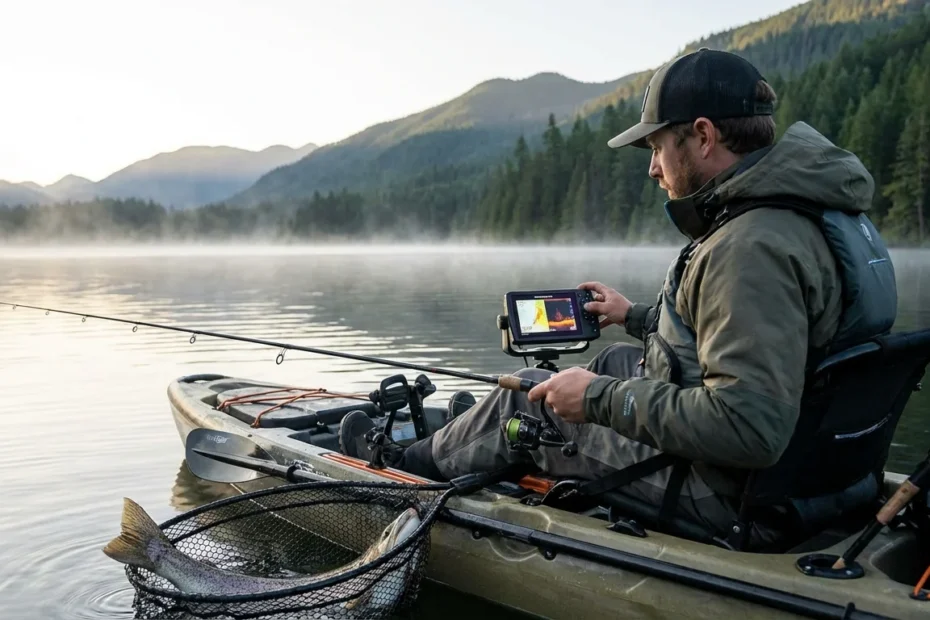
Kayak and canoe fishing opens access to waters unreachable by motorboats—shallow bays, quiet backwaters, remote wilderness lakes, and river systems where paddle power is the only way in. CanadaFever’s Kayak and Canoe Fishing category is your complete resource for mastering paddle-powered angling across Canada’s vast waterways.

From choosing your first fishing kayak to advanced rigging techniques and safety protocols, our comprehensive guides help you fish farther, safer, and more successfully from human-powered watercraft.

Choosing Your Fishing Kayak or Canoe

Fishing Kayak Types

Sit-On-Top Kayaks (Most Popular)

  • Advantages: Easy entry/exit, self-draining, stable, comfortable
  • Best For: Warm weather, easy access fishing, beginners
  • Top Models:
    • Hobie Pro Angler ($3500-$4500) – Pedal drive, ultimate fishing platform
    • Old Town Predator ($1200-$1800) – Affordable, stable, well-equipped
    • Perception Pescador ($600-$900) – Budget-friendly, beginner-friendly

Pedal Drive vs. Paddle

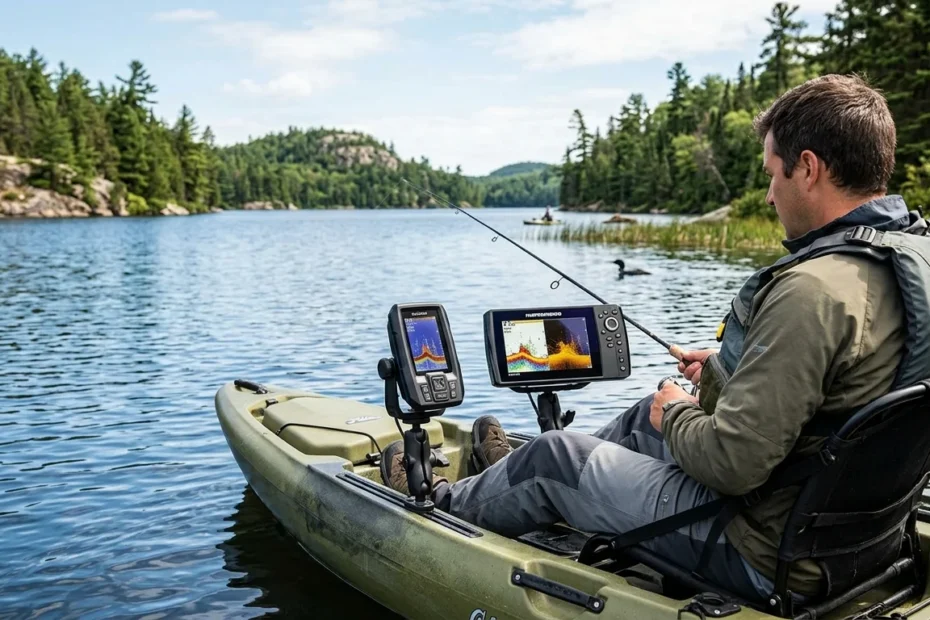
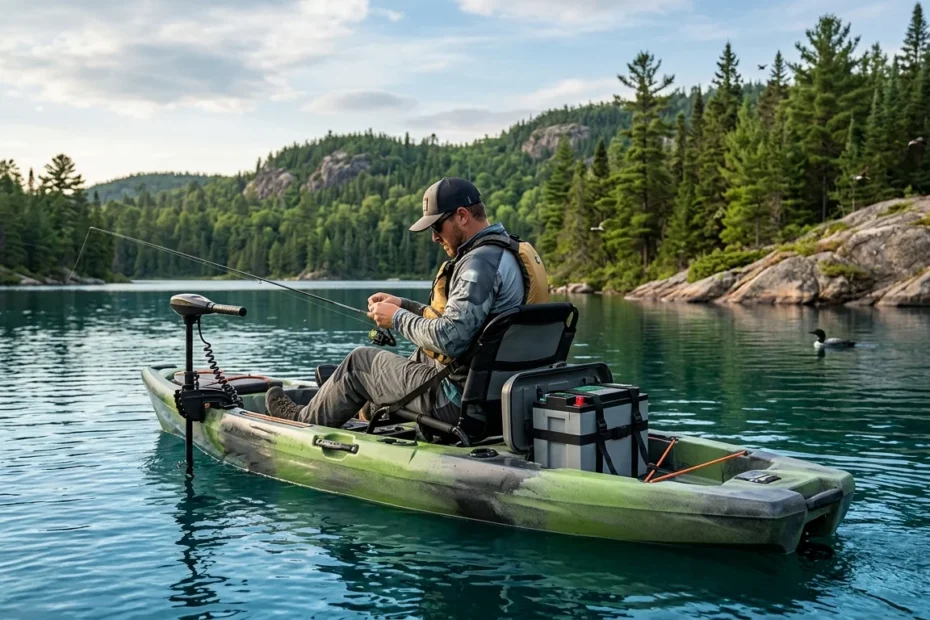
  • Pedal Systems (Hobie MirageDrive, Old Town PDL):
    • Hands-free propulsion = fish while moving
    • Faster, less tiring for long distances
    • Expensive ($2000-$4500)
  • Traditional Paddle:
    • Affordable, simple, lightweight
    • Quieter approach to fish
    • No mechanical maintenance

Fishing Canoes

Canoe Advantages

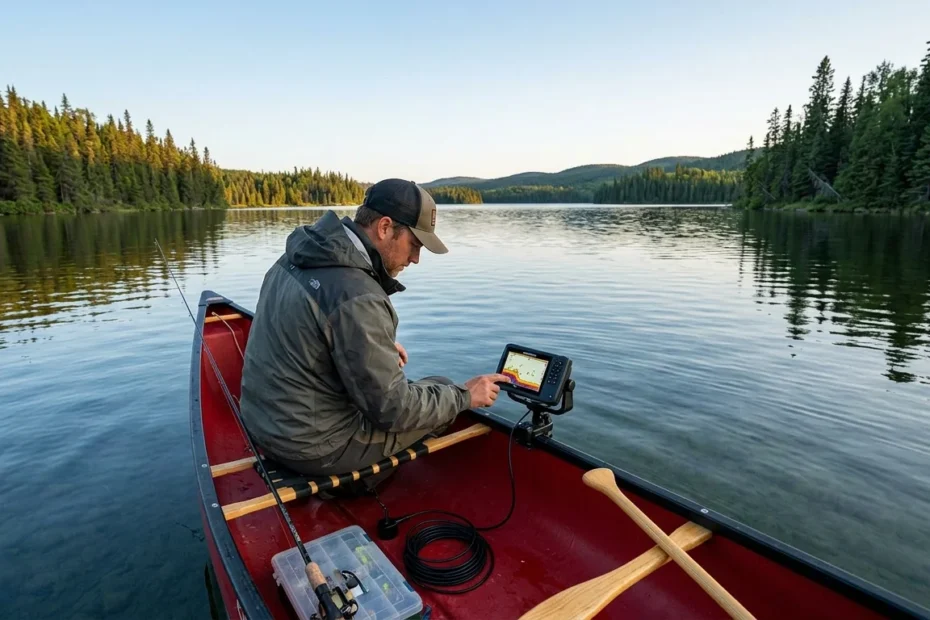
  • Capacity: Carry more gear, bring a partner, overnight trips
  • Stability: Wider beam = rock-solid casting platform
  • Versatility: Fish, camp, portage, family trips
  • Stand-Up Fishing: Easier than most kayaks

Best Fishing Canoes:

  • Old Town Discovery ($800-$1200) – Classic, durable, affordable
  • Wenonah Fisherman ($1500-$2000) – Purpose-built fishing design
  • Nova Craft Prospector ($1200-$1800) – Canadian-made, versatile

Key Features to Look For

Stability

  • Primary Stability: How stable it feels when stationary (important for casting)
  • Secondary Stability: How stable when leaning/fighting fish
  • Width: 30″+ for good fishing stability

Storage & Capacity

  • Dry Hatches: Waterproof compartments for valuables, electronics
  • Tank Wells: Open storage for tackle boxes, coolers, live wells
  • Weight Capacity: 350+ lbs allows for angler, gear, fish, and safety equipment
  • Rod Storage: Built-in rod holders (flush-mount or clamp-style)

Essential Kayak Fishing Gear

Paddles

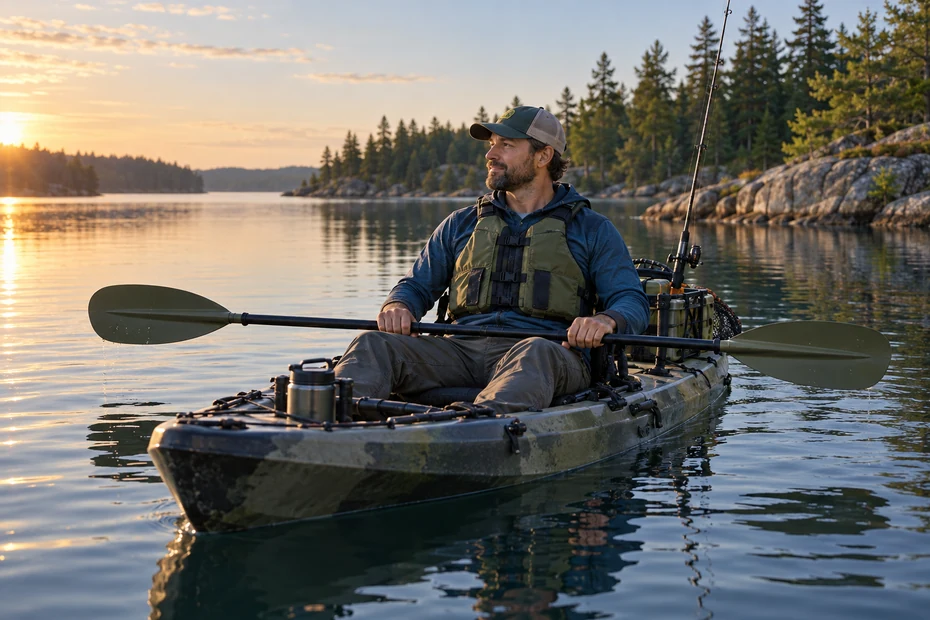
  • Length: 220-240cm for fishing kayaks (depends on width and paddler height)
  • Material:
    • Plastic: Affordable, heavy, durable ($40-$80)
    • Fiberglass: Light, efficient, mid-price ($100-$200)
    • Carbon Fiber: Ultralight, expensive, premium ($200-$400)
  • Top Brands: Werner, Aqua-Bound, Bending Branches

Personal Flotation Device (PFD)

  • Canadian Law: Must wear or have accessible PFD
  • Fishing-Specific PFDs: High back clearance, multiple pockets, rod holder loops
  • Top Models:
    • NRS Chinook ($130-$180) – Fishing-specific, tons of pockets
    • Astral E-Ronny ($150-$200) – Comfortable, breathable
    • Stohlquist Fisherman ($100-$140) – Purpose-built, affordable

Safety Equipment

  • Whistle: Attached to PFD (required by law)
  • Paddle Float: Self-rescue device
  • Throw Rope: 50 ft floating rope for rescue
  • First Aid Kit: Waterproof container
  • Communication: Cell phone in waterproof case, VHF radio, or satellite communicator
  • Knife: Safety line-cutting tool (attached to PFD)
  • Drinking Water: Hydration is critical

Kayak Fishing Techniques

Anchoring & Positioning

Anchor Trolley System

  • What It Is: Pulley system allows anchor point adjustment bow to stern
  • Why Use It: Position kayak for wind/current, control drift direction
  • Installation: DIY with rope, pulleys, pad eyes ($30-$50 total)
  • Anchor Types:
    • Folding grapnel (3-5 lbs) for rocky/weedy bottom
    • Mushroom anchor for sand/mud

Stake-Out Poles

  • Use: Shallow water anchoring (under 8 feet)
  • Advantages: Quick deploy, no rope tangles, quiet
  • Top Models: YakAttack ParkNPole, Power-Pole Micro

Drift Fishing

  • Technique: Let wind/current move you over structure
  • Control: Use paddle or drift chute to slow drift
  • Presentations: Vertical jigging, dragging bottom rigs
  • Best For: Large flats, river fishing, searching for fish

Casting Techniques

  • Sit or Stand: Most kayaks allow sitting casts, some allow standing
  • Balance: Keep weight centered, brace with legs
  • 360° Access: Rotate seat to cast all directions
  • Accuracy: Practice casting from kayak (different than shore/boat)

Fighting Fish from Kayak

  • Rod Positioning: Keep rod tip high, use reel drag
  • Body Position: Stay centered, don’t lean too far
  • Large Fish: Let kayak be pulled (kayak “sleigh ride”)
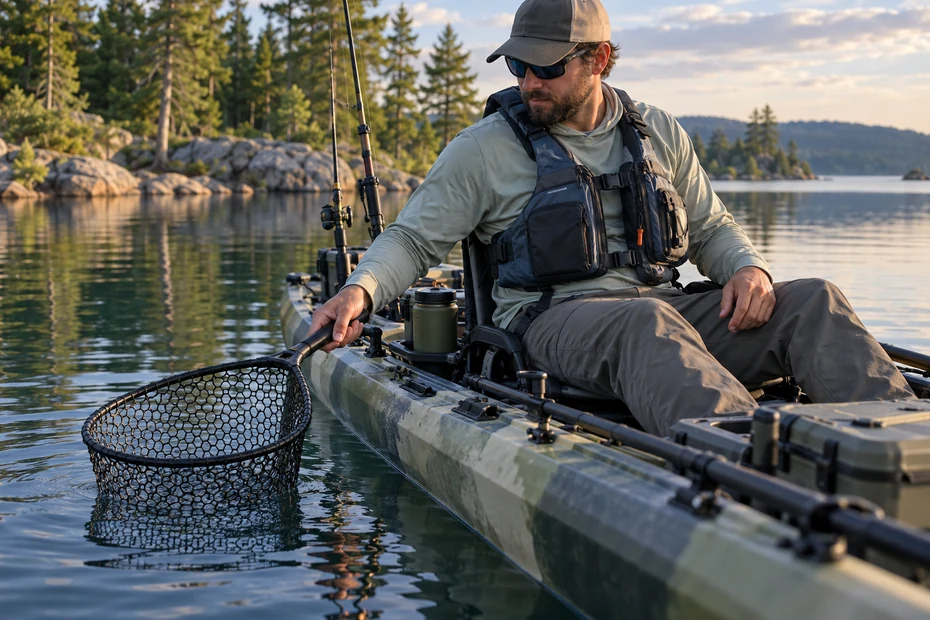
  • Landing: Net fish, lip grip, or slide into lap
  • Safety: Know when to break off (too big, dangerous situation)

Safety Protocols & Emergency Procedures

Pre-Trip Planning

  • Weather Check: Wind, temperature, precipitation forecast
  • Water Conditions: Lake/river levels, current speed, ice (early/late season)
  • Float Plan: Tell someone where you’re going, expected return
  • Emergency Contacts: Phone numbers for local authorities, park rangers

On-Water Safety Rules

  1. Always Wear PFD: Non-negotiable in Canadian waters
  2. Stay Within Limits: Know your skill level, don’t push boundaries
  3. Avoid Alcohol: Impaired paddling = dangerous paddling
  4. Weather Awareness: Leave water if lightning, high winds approach
  5. Stay Visible: Bright colors, safety flag, lights at dawn/dusk
  6. Buddy System: Paddle with partner when possible
  7. Communication: Carry waterproof phone or radio

Capsizing & Self-Rescue

  • Sit-On-Top: Flip kayak upright, climb back on from side
  • Sit-Inside: More difficult—use paddle float, practice before needing it
  • Cold Water: Hypothermia risk—get out of water quickly, call for help
  • Practice: Do capsizing drills in safe, shallow water

Best Kayak Fishing Locations in Canada

Ontario

  • Kawartha Lakes: Smallmouth bass, pike, muskie (excellent kayak access)
  • Algonquin Provincial Park: Lake trout, brook trout (backcountry paradise)
  • Bay of Quinte: Walleye, bass, pike (world-class fishery)
  • Thousand Islands: Pike, bass, muskie (scenic paddling)

British Columbia

  • Fraser Valley Lakes: Trout, bass (mountain scenery)
  • Okanagan Lake: Kokanee, rainbow trout (accessible shores)
  • Vancouver Island Rivers: Salmon, steelhead (adventure fishing)

Prairie Provinces

  • Manitoba’s Whiteshell: Pike, walleye (wilderness lakes)
  • Saskatchewan’s Churchill River: Lake trout, pike (remote access)
  • Alberta Foothills: Rainbow trout, bull trout (mountain streams)

Kayak Maintenance & Care

After Every Trip

  • Rinse: Freshwater rinse (critical after saltwater)
  • Drain: Remove all water from hull and hatches
  • Inspect: Check for cracks, loose fittings, wear points
  • Dry: Towel dry or air dry before storage

Storage

  • Indoor: Best—protects from UV, temperature extremes
  • Outdoor: Cover with tarp, store upside down, support at multiple points
  • Avoid: Direct ground contact, hanging by handles (causes warping)
  • Winter: Store in garage/shed, remove all water (prevents ice damage)

Transportation

  • Roof Racks: J-cradles or saddles (Thule, Yakima)
  • Tie-Downs: Cam straps (not ratchet straps—can over-tighten)
  • Bow/Stern Lines: Prevent fore/aft movement
  • Speed: Drive slower with kayak (wind resistance)

Why Kayak Fishing in Canada?

  • Access Remote Waters: Reach areas boats can’t go
  • Silent Approach: Paddle quietly to spooky fish
  • Affordable: Lower cost than boat ownership
  • Exercise: Full-body workout while fishing
  • Portability: Car-top transport, no trailer needed
  • Versatility: Fish lakes, rivers, coastlines
  • Low Maintenance: Minimal upkeep compared to boats
  • Environmental: Zero emissions, low impact

Start Your Kayak Fishing Journey Today

Browse our comprehensive kayak and canoe fishing guides to discover the freedom of paddle-powered angling. From choosing your first fishing kayak to mastering advanced rigging and exploring remote Canadian waters, CanadaFever’s Kayak and Canoe Fishing category provides everything you need to fish farther, safer, and more successfully from human-powered watercraft.

Remember: Kayak fishing isn’t just about catching fish—it’s about accessing wild places, connecting with nature, and experiencing Canada’s waters from a unique, intimate perspective. The fish you catch from a kayak always feel bigger, and the places you reach always feel more rewarding.