

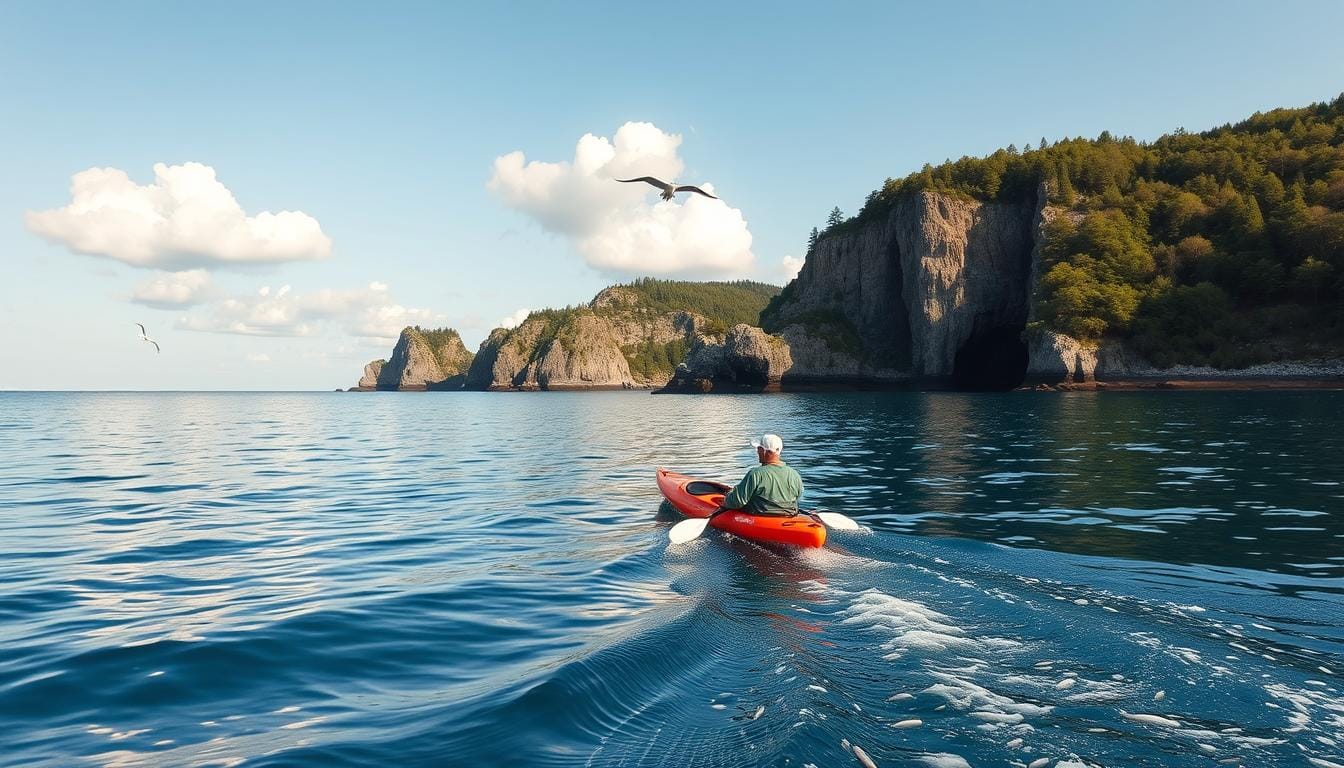
Discover essential tips and techniques for ocean kayak fishing in Canada. From gear selection to safety protocols, we'll guide you through the best coastal angling spots
- Match Ocean Kayak Fishing in Canada to your water, season, boat size, and actual skill level instead of buying by specs alone
- Prioritize readable controls, durable construction, and Canada-relevant use cases before chasing premium features
- Use the guide to compare what matters in the field: setup time, reliability, safety, storage, and upgrade path
Bottom line The right Ocean Kayak Fishing in Canada choice solves your real Canadian trip conditions without adding gear you will not use
Key Takeaways
- Dress for Immersion: Cold ocean water kills in minutes. Always wear a high-grade dry suit or full wet suit when saltwater kayak fishing.
- VHF Marine Radio: Always carry a floating handheld VHF marine radio to monitor coast guard weather updates and broadcast emergencies on channel 16.
- Tide & Current Aware: Ocean tides create fast, dangerous currents. Always check tide charts and plan to paddle against the current on launch.
- Visual Distress Signals: Transport Canada regulations require carrying visual flares, whistles, and reflective safety tape on your paddles.
🌊 Ocean Tide & Current Risk Calculator ⏱️
Calculate the local marine risk factors to determine if launching is safe.
Ocean kayak fishing is the ultimate frontier for saltwater anglers in Canada. From the rugged coastlines of Vancouver Island, British Columbia, to the sandy shorelines of Prince Edward Island and Nova Scotia, our oceans offer incredible fishing opportunities for Salmon, Halibut, Rockfish, Lingcod, and Sea Trout.
However, the ocean is an unforgiving environment. High tides, fast-moving currents, wind swells, and cold water temperatures create significant safety hazards that do not exist on inland ponds. Rigging your kayak correctly and understanding Transport Canada safety requirements is crucial before launching. Let’s look at the master strategies for ocean kayak fishing in 2026.
1. Cold Water Safety: Dress for Immersion
In Canada, even in mid-summer, ocean temperatures rarely rise above 50°F (10°C). Falling into water this cold without proper clothing causes immediate gasp reflex, cold shock, and hypothermia within minutes, making swimming impossible. **Always wear a high-quality dry suit** or a full neoprene wet suit when fishing the ocean. Dress for the water temperature, not the air temperature.
2. Communication and Navigation Gear
Saltwater basins are vast and subject to sudden sea fogs that reduce visibility to zero. Always carry a floating **handheld VHF marine radio** secured directly to your PFD. VHF allows you to contact the Coast Guard immediately on Channel 16 in emergencies. A track-mounted GPS chartplotter or a compass is also mandatory to navigate back to your launch site when fog rolls in.
3. Transport Canada Safety Requirements
Transport Canada classifies fishing kayaks as human-powered pleasure craft. You are legally required to carry specific safety items on board: a Transport Canada-approved life jacket (PFD) worn at all times, a sound-signaling device (pealess whistle), a floating throw line (min 15m), a manual bilge pump or bailer, and a watertight flashlight. Visual distress flares are highly recommended for offshore launches.
Ocean Safety & Rigging Gear
Vetted, top-rated products that are highly recommended for Canadian paddlers and anglers.
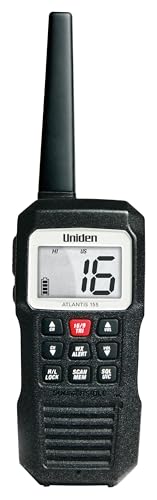
Uniden Atlantis 155 Handheld Marine VHF Radio
A floating, waterproof 3-watt handheld VHF marine radio. Features a large, bright LCD screen and receives NOAA weather channels.
- Floating, Waterproof: Designed to float with a bright orange chassis, ensuring you never lose your lifeline to the shore.
- NOAA Weather Alert: Keeps you ahead of storm fronts with real-time updates and emergency weather channel alerts.
- Large Backlit LCD: Easy to read in full sunlight or pitch-black night, with intuitive buttons for quick channel switching.

Earth Pak Waterproof Dry Bag (10L / 20L)
Heavy-duty PVC roll-top bag built to protect spare clothes, wallets, vehicle keys, and licenses from capsizes.
- 100% Waterproof Seal: Uses a secure roll-top closure system to keep spare clothes, keys, licenses, and phones dry in any downpour.
- Heavy-Duty PVC: Constructed from commercial-grade 500D PVC to resist punctures, tearing, and abrasion during rugged portages.
- Convenient Carry: Includes a comfortable, adjustable shoulder strap (and backpack straps on larger sizes) for hands-free transport.

Complete Folding Grapnel Anchor Kit (3.5 lb)
3.5 lb folding grapnel anchor kit with 50 feet of rope, a marker buoy, and a durable storage bag. Essential for lock-in position.
- Reliable Holding Power: 3.5 lb folding grapnel anchor holds securely in rocky, weedy, or sandy lake bottoms.
- Full Marine-Grade Kit: Includes 50 feet of high-strength line, a marker buoy, a snap hook, and a padded storage bag.
- Collapsible Design: Tines fold flush against the shaft, locking securely in place for compact, rattle-free storage.
Affiliate Disclaimer: As an Amazon Associate, CanadaFever earns commissions from qualifying purchases. This supports our free outdoor guides at no extra cost to you.
🌍 Explore Guided Fishing Trips in Canada
Want to fast-track your success on the water? Book a professional local guide through Viator to find the best spots, learn advanced paddling techniques, and hook into trophy fish.
*CanadaFever is a Viator Partner (ID: P00210641). We may earn a commission if you book through our links, at no extra cost to you.*
What safety gear is legally required for ocean kayak fishing in Canada?
You are legally required by Transport Canada to carry a snug-fitting PFD, a pealess whistle, a 15-meter floating throw line, a manual bilge pump, a watertight flashlight, and a magnetic compass or GPS.
How do you handle high swells and tides in a fishing kayak?
Always point your kayak bow directly into oncoming waves or wakes; never allow your hull to go broadside (parallel) to swells, which can easily roll the kayak. Check local tide tables and plan to launch against the tidal currents.
Do you need a dry suit for ocean kayak fishing in Canada?
Yes. Due to the cold ocean temperatures on both the Pacific and Atlantic coasts of Canada, a dry suit is highly recommended year-round to prevent cold shock and hypothermia in the event of a capsize.
Where this fits: Ocean launches add tide, swell, cold water, and distance risk. Start with the Kayak and Canoe Fishing in Canada pillar before adapting the plan to saltwater.