

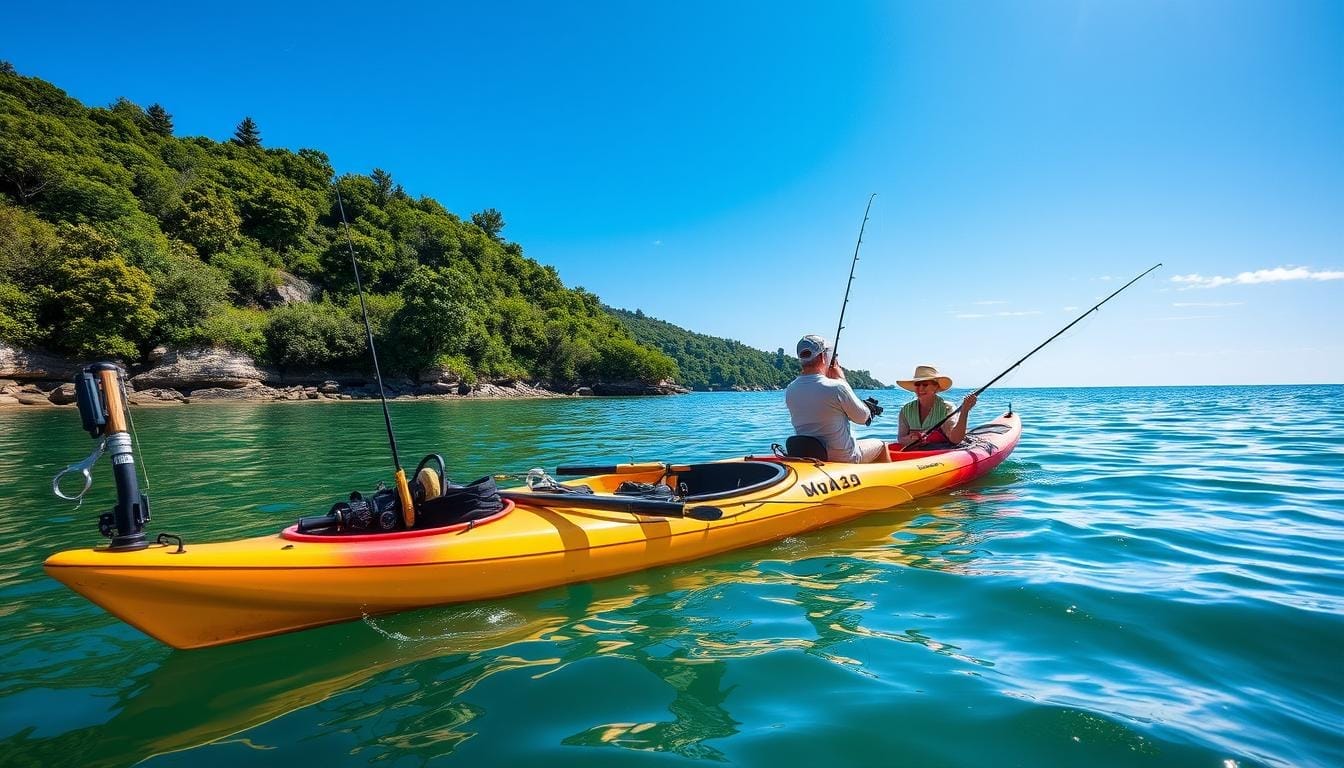
Discover essential tips for shoreline fishing from a kayak and maximize your catches. Learn about gear selection, safety measures, and proven techniques for success
- Match Shoreline Fishing from a Kayak to your water, season, boat size, and actual skill level instead of buying by specs alone
- Prioritize readable controls, durable construction, and Canada-relevant use cases before chasing premium features
- Use the guide to compare what matters in the field: setup time, reliability, safety, storage, and upgrade path
Bottom line The right Shoreline Fishing from a Kayak choice solves your real Canadian trip conditions without adding gear you will not use
Key Takeaways
- Read the Cover: Look for transition zones: weed edges, fallen logs, dock pilings, and rocky drop-offs where predators wait to ambush bait.
- Stealth Approach: Paddling creates zero engine noise. Glide quietly into shallow pockets, casting ahead of your kayak to avoid spooking fish.
- 45-Degree Positioning: Position your kayak at a 45-degree angle to the shoreline structure. This allows you to retrieve lures parallel to the cover.
- Shallow Anchoring: Use stakeout poles or micro-anchors in shallow water to lock your position in wind without deploying loud metal anchors.
🎯 Shoreline Cast & Strategy Wizard 🚣
Select a shoreline structure type to generate your boat position and casting profile.
Shorelines are the most productive and active biological zones in any lake or river. Fallen trees, overhanging brush, rocky riprap, weedbeds, and wooden docks are prime cover. Here, baitfish hide, and top predators like Smallmouth Bass, Largemouth Bass, Northern Pike, and Walleye wait to ambush them.
For motorboats, fishing shallow shorelines is challenging because engine noise spooks fish and deep hulls run aground. Kayaks, however, glide silently in inches of water, allowing you to access these tight zones. But to fish shorelines successfully, you must master wind control, kayak positioning, and casting angles. Let’s look at the best strategies for shoreline kayak fishing in 2026.
1. The Power of parallel Casting
Many beginners paddle straight up to a weedline or dock and cast directly perpendicular to the shore. This perpendicular angle only keeps their lure in the prime strike zone for a few feet of the retrieve. Instead, position your kayak parallel to the cover, staying 20-30 feet away. Cast your lure parallel to the weedline or docks. This keeps your presentation in the feeding zone for the entire length of your retrieve, maximizing your catch rate.
2. Kayak Positioning and Wind Management
When fishing shorelines, wind is your greatest enemy. If the wind blows towards the shore, it will push your kayak directly into the weeds or rocks. To manage this without dropping anchor continuously, approach the shoreline at a 45-degree angle facing into the wind. Cast slightly ahead of your kayak. The wind will slowly drift you back, allowing you to cast to new structure while keeping your hull pointed safely away from the bank. If you find a highly productive spot, lock your position using a shallow-water stakeout pole.
3. Reading Shoreline Cover
Not all shorelines are created equal. Focus your casting on high-value transition zones. A wooden dock with shade underneath is prime, especially if it has vertical pilings. Look for fallen timber (blowdowns) where branches extend into deep water. The intersection where a sandy flat transitions into rocky riprap or a thick weed edge is another hot zone. Spend less time casting to bare sand beaches and focus on structure density.
Shoreline Casting Gear
Vetted, top-rated products that are highly recommended for Canadian paddlers and anglers.

YakAttack Omega Pro Rod Holder
A highly adjustable rod holder compatible with spinning, casting, and fly rods. Mounts securely to gear tracks for precision shoreline casting angles.
- Locking Security: LockDown system secures spinning, casting, or fly reels to prevent rod loss in heavy waves or trolling strikes.
- 360-Degree Adjustability: Easily rotate and tilt the rod holder to achieve the perfect angle for trolling or rod storage.
- Track Mounted: Designed for quick installation and removal on all standard kayak gear tracks without drilling.
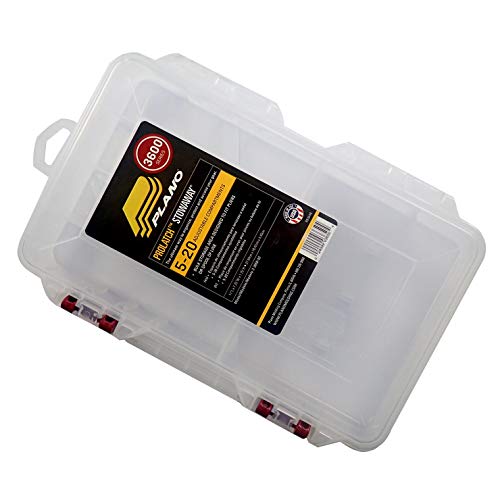
Plano Waterproof Stowaway Utility Boxes (3-Pack)
Equipped with a Dri-Loc O-ring gasket seal and three cam-action latches to protect hooks and lures from moisture and rust on wet kayak decks.
- Dri-Loc O-Ring Seal: Waterproof silicone O-ring seal keeps moisture out, preventing hook rust and tackle damage on wet decks.
- Cam-Action Latches: Three tight-locking cam latches secure the lid firmly, ensuring a waterproof and dustproof seal.
- Customizable Dividers: Adjustable dividers let you create up to 24 compartments to organize lures of all shapes and sizes.
KastKing split ring Fishing Pliers
Corrosion-resistant stainless steel pliers with sheath. Essential for cutting braid, crimping sleeves, and opening split rings.
- Stainless Steel Durability: Made from corrosion-resistant 420 stainless steel and coated with tough Teflon for saltwater and freshwater use.
- Tungsten Carbide Cutters: Ultra-sharp tungsten carbide line cutters easily slice through tough braided line, mono, and fluorocarbon.
- Split Ring Tip: Designed with a specialized split ring nose tip for easy opening and changing of hooks on lures.
Affiliate Disclaimer: As an Amazon Associate, CanadaFever earns commissions from qualifying purchases. This supports our free outdoor guides at no extra cost to you.
🌍 Explore Guided Fishing Trips in Canada
Want to fast-track your success on the water? Book a professional local guide through Viator to find the best spots, learn advanced paddling techniques, and hook into trophy fish.
*CanadaFever is a Viator Partner (ID: P00210641). We may earn a commission if you book through our links, at no extra cost to you.*
How far from the shoreline should you paddle your kayak?
Typically, staying 25 to 40 feet away from the shoreline is ideal. This puts you within easy casting range of the cover while keeping your kayak far enough away to avoid spooking shallow fish or running aground on rocks.
What is the best kayak positioning for casting at shoreline structures?
Positioning your kayak at a 45-degree angle facing into the wind or current is best. This allows you to paddle slowly to hold position, cast ahead of your boat, and retrieve your lure parallel to the shoreline structures.
How do you prevent wind from blowing you into the weeds?
Use a shallow-water anchor pin or stakeout pole in water under 6 feet deep, or employ a drift sock to slow down wind-induced drift. Integrated anchor trolleys also help align your kayak safely with the wind direction.