
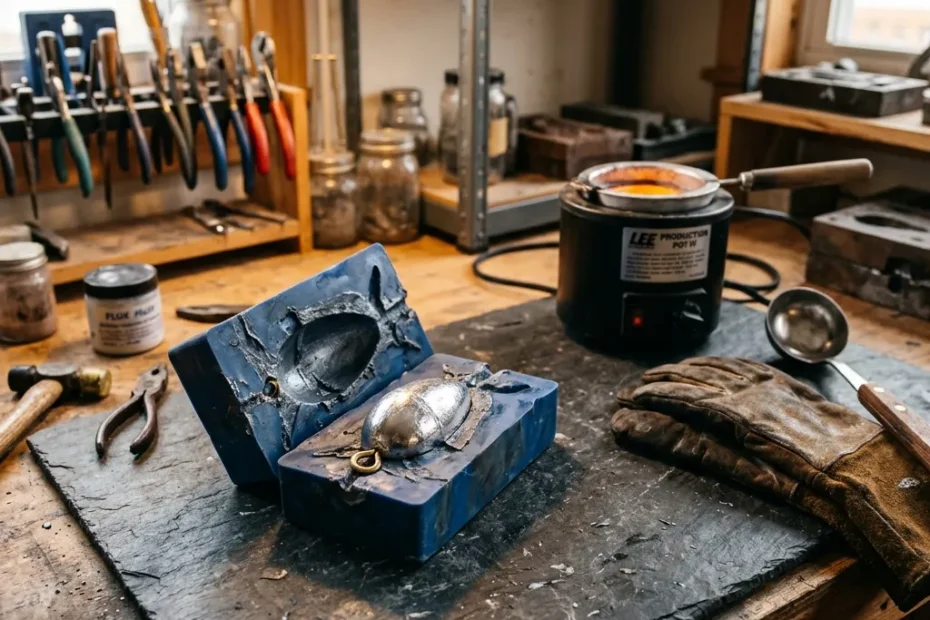
Learn to make DIY sinker molds easily! Get tips on materials, methods, and safety for custom fishing weights. Save money and enjoy fishing more.
- Use DIY Sinker Molds to match species behaviour, habitat, season, and presentation to Canadian water conditions
- Check local regulations before fishing; limits, closures, bait rules, and licences can vary by province and waterbody
- Focus on practical setup: where to fish, what to cast or troll, how deep to work, and when to move
Bottom line DIY Sinker Molds gets simpler when you pair current rules with the right habitat, timing, and presentation
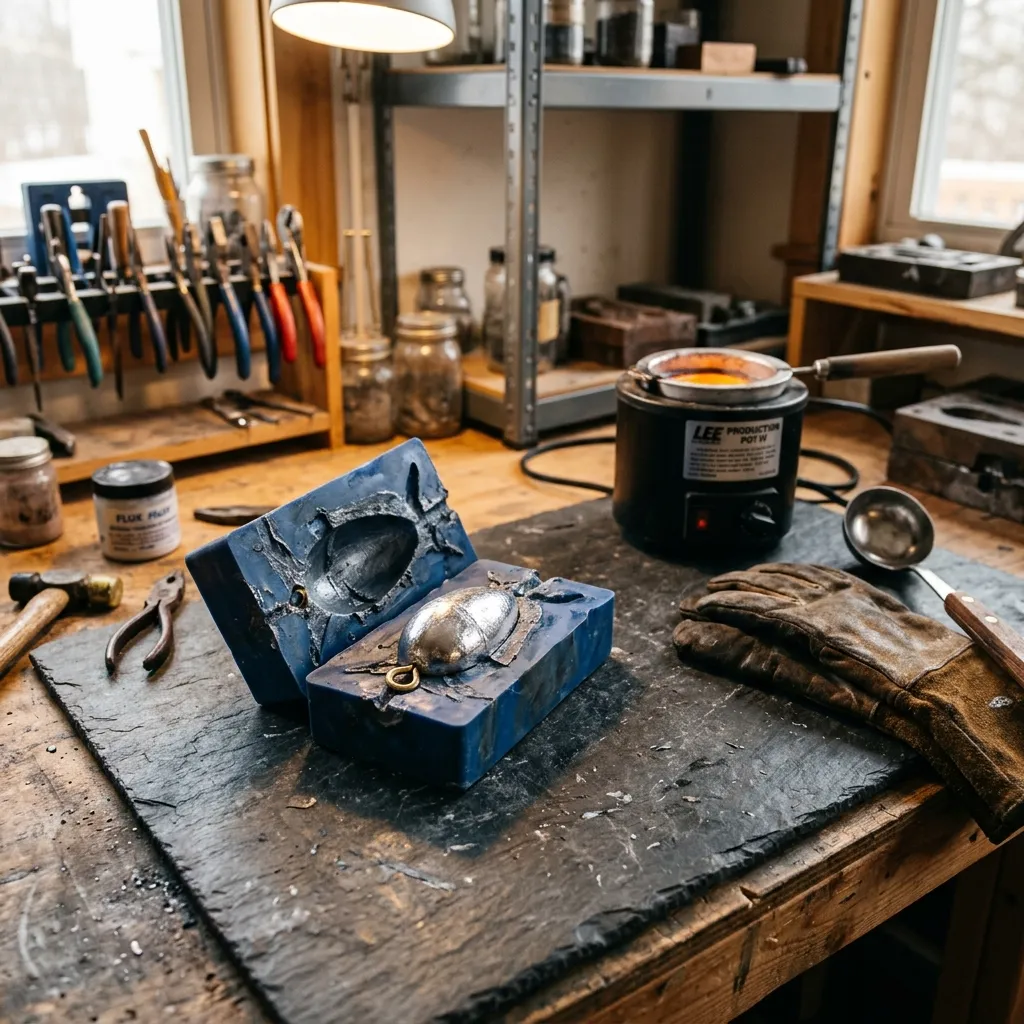
Making DIY sinker molds lets you create custom fishing weights at home. You can use materials like silicone to shape lead or other metals into sinkers.
Key Takeaways
Estimated reading time: 4 minutes
Want to save money on fishing gear? Making your own DIY sinker molds is a great idea. It helps you get the exact weights you need for your fishing trips. This is a fun project for many anglers in Canada.
What You Need for DIY Sinker Molds
To make DIY sinker molds, you need a few key things.
- Silicone for Molds: This is a popular choice. You can buy RTV (room temperature vulcanizing) silicone from craft stores like Hobby Lobby or online. This silicone often comes with an activator. You mix them together to make the mold.
- Lead or Metal: You need lead or another heavy metal for the sinkers. You will melt this metal and pour it into your molds.
- Wood or Metal Shapes: To make sinkers in certain shapes, use wooden dowels or metal pieces. Make sure they are very smooth. If wood is not smooth, the grain might show on your sinkers.
- Glue: Use glue to hold your shapes or any swivels in place inside the mold box before you pour the silicone.

Quick checklist for your DIY sinker mold project.
How to Make Your DIY Sinker Molds
There are a couple of main ways to create DIY sinker molds.

Using Silicone Molds
Silicone is flexible and good for detailed shapes.
- Mix Silicone: Carefully mix the silicone and its activator. Follow the instructions that come with it.
- Prepare Shape: Get your wooden dowel or other shape ready. Place it in a small box.
- Pour Silicone: Pour the mixed silicone over your shape. Make sure it covers the shape completely.
- Let it Cure: Wait for the silicone to dry and harden. This can take several hours.
- Ready to Use: Once cured, take out your shape. The silicone mold is now ready for pouring melted lead. You can see how this is done in YouTube tutorials.
Using Wood or Metal Molds
These are simpler but might not last as long as silicone.
- Make Mold Shape: Cut your sinker shape into a piece of wood or soft metal.
- Smooth It: Sand the inside of the mold so it is very smooth.
- Pour Lead: Carefully pour melted lead into the mold.
- Cool Down: Let the lead cool and get solid.
- Remove Sinker: Take the finished sinker out of the mold.
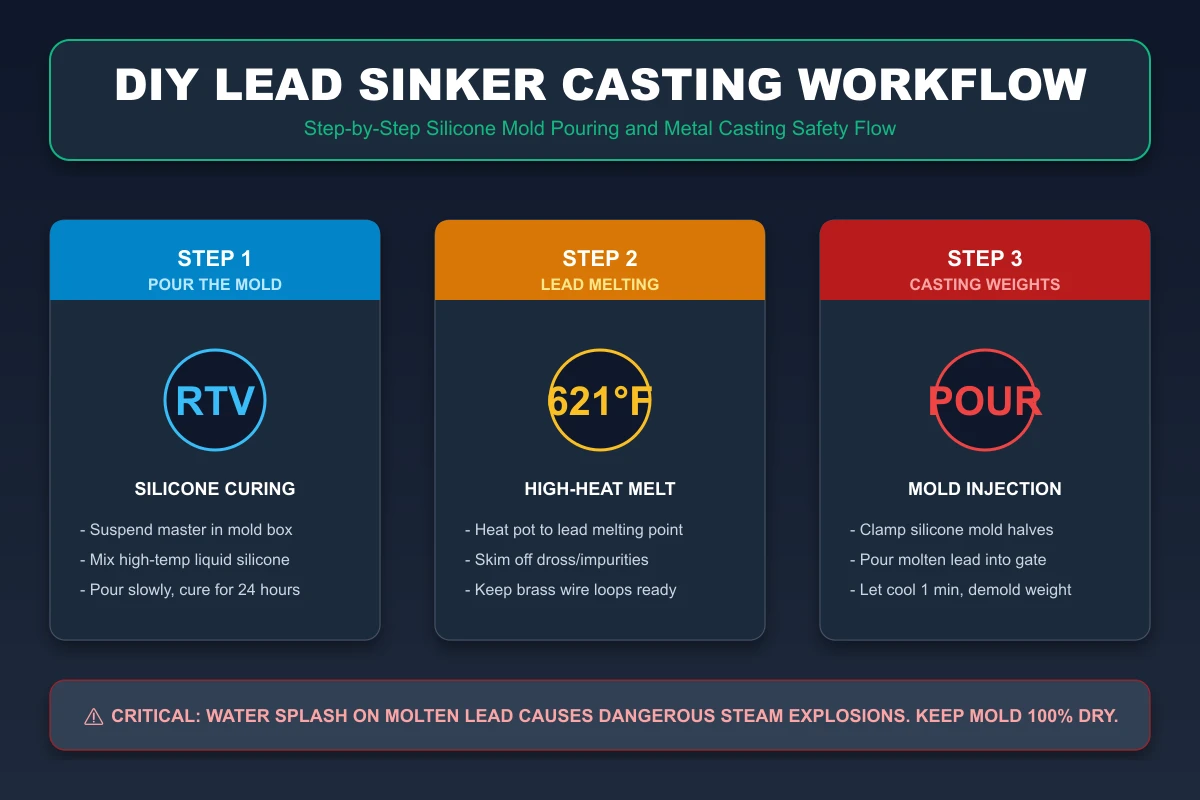
A step-by-step approach to making silicone molds and casting weights. Find or shape a master sinker out of wood, clay, or a store-bought lead weight to use as the template for your mold. Mix high-temperature RTV liquid silicone at a 1:1 ratio. Place the master sinker in a small mold box and pour the silicone slowly over it. Let cure for 24 hours. Cut open the silicone mold box, slice a neat seam to remove the master, and place brass sinker wire eyes into the slots before closing the mold halves. Put on heavy welding gloves and safety glasses. Melt clean lead in a pot outdoors, clamp the silicone mold halves tightly, and carefully pour lead into the funnel gate.How to Cast Custom Lead Sinkers
1. Create the Master
2. Pour the Silicone Mold
3. Slice the Seam and Insert Loops
4. Pour the Molten Lead
Types of Sinker Molds You Can Buy
If you do not want to make your own, you can buy ready-made molds. Stores and online shops sell many kinds.
- Bell Sinker Molds
- Cannon Ball Sinker Molds
- Pyramid Sinker Molds
- Split Shot Sinker Molds
- Trolling Sinker Molds
These come in many shapes and sizes for different fishing styles. You can see examples of different sinkers in this video.
| Mold Material Option | Pros (For Custom Sinkers) | Cons / Details |
|---|---|---|
| RTV Silicone Mold | Detailed, flexible, very easy demolding, durable for many pours. | Requires 24 hours to cure before use. |
| Plaster of Paris Mold | Extremely cheap, fast setting, good for single/few prototypes. | Trapped moisture can cause lead explosions if not fully dry. |
| Aluminum Mold | Industrial grade, lasts forever, perfectly clean sinker finish. | Expensive to buy, requires CNC or machining to customize. |
| Wood Sinker Mold | Easy to carve, quick one-off pours. | Burns away after 1-2 pours, less safe. |
Where to Find Help for DIY Sinker Molds
If you want to learn more, there are great places to find help.
- YouTube Videos: Websites like YouTube have many videos. They show step-by-step how to make DIY sinker molds. You can find helpful tutorials like this one or see live demonstrations.
- Lure Making Sites: Companies like Lure Making sell many jig and sinker molds. They are a good place to get ideas or buy molds if you do not want to DIY. They offer over 400 different molds. This shows many anglers want custom gear.
- Do-it Molds: Another great resource is Do-it Molds. They have a big catalog. They also offer tips for making your own molds.
My Experience with DIY Sinker Molds
Many fishers find making their own DIY sinker molds very rewarding. It is a good feeling to catch a fish with gear you made yourself. Plus, you can try out different shapes and sizes. Stores might not sell these custom shapes. It takes a bit of practice. But soon, you can make sinkers just right for your fishing spots and save money.
Recommended DIY Sinker Casting Gear
Vetted products to help you mix silicone, melt metals, and cast custom sinkers safely.

Platinum Cure Silicone Mold Making Kit 15A, 1:1 Mixing Ratio Liquid Rubber for Resin Casting & Crafts, Flexible Material, 66 oz
Vetted premium item for home casting workshop. Essential for high heat melting and safe pouring.

Lee Precision Electric Metal Melter Pro 4 – 20 LB
Vetted premium item for home casting workshop. Essential for high heat melting and safe pouring.
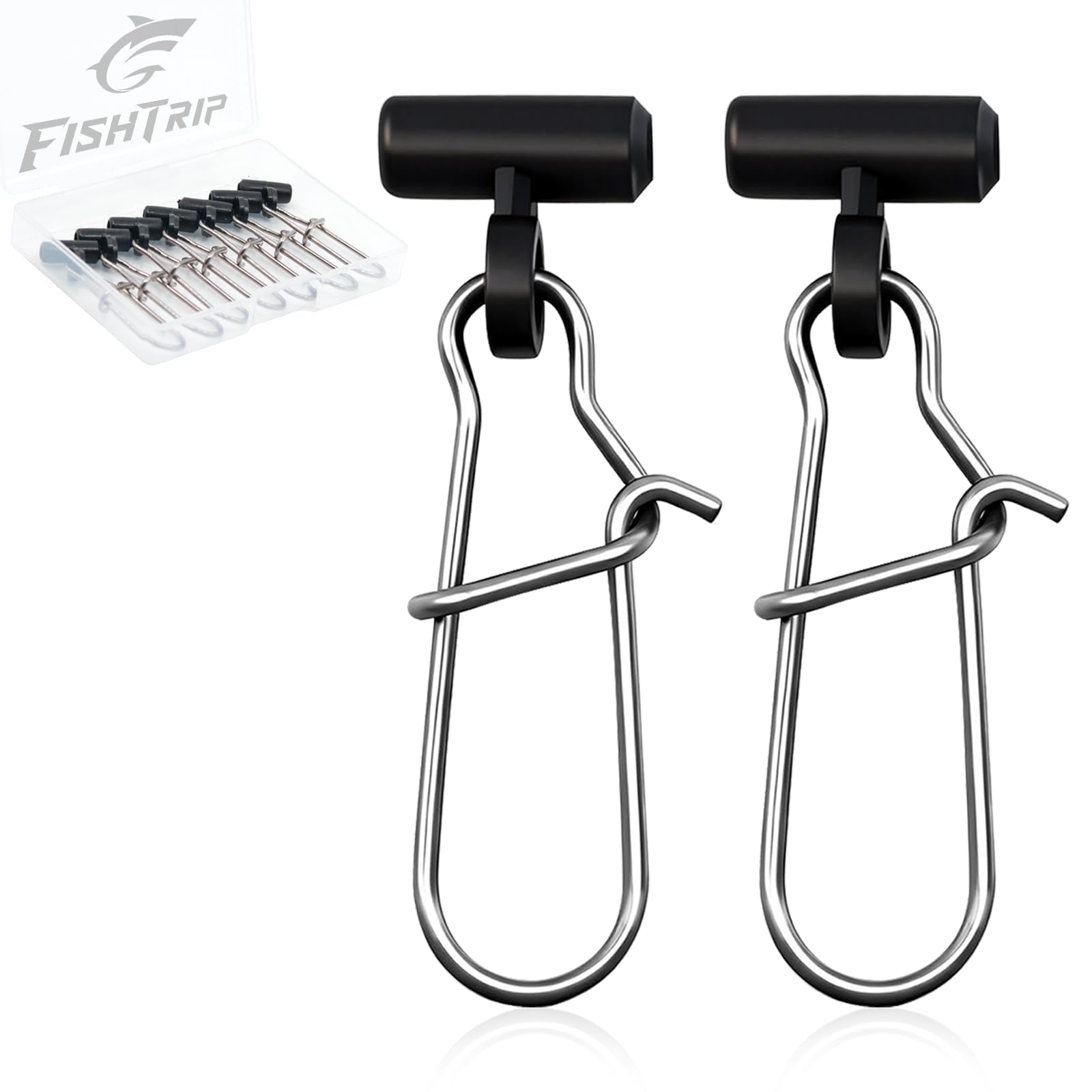
300Pcs Steel Alloy Screw Leads Sinker Eyes, Sinker Eyelets Sinker #2 Brass Wire Eyes Sinker #2 Brass Wire Eyes Fishing Tool, Sinker Kit, Sinker Kit, Attache Plomb Carpe for Weever Catching, Suitable
Vetted premium item for home casting workshop. Essential for high heat melting and safe pouring.

Egg Sinker Mold Fishing Weight Molds with 5 Mold Cavities,1oz, 2oz, 3oz, 4oz, 5oz, Lead Sinker Molds with 2 Pull Pin
Vetted premium item for home casting workshop. Essential for high heat melting and safe pouring.
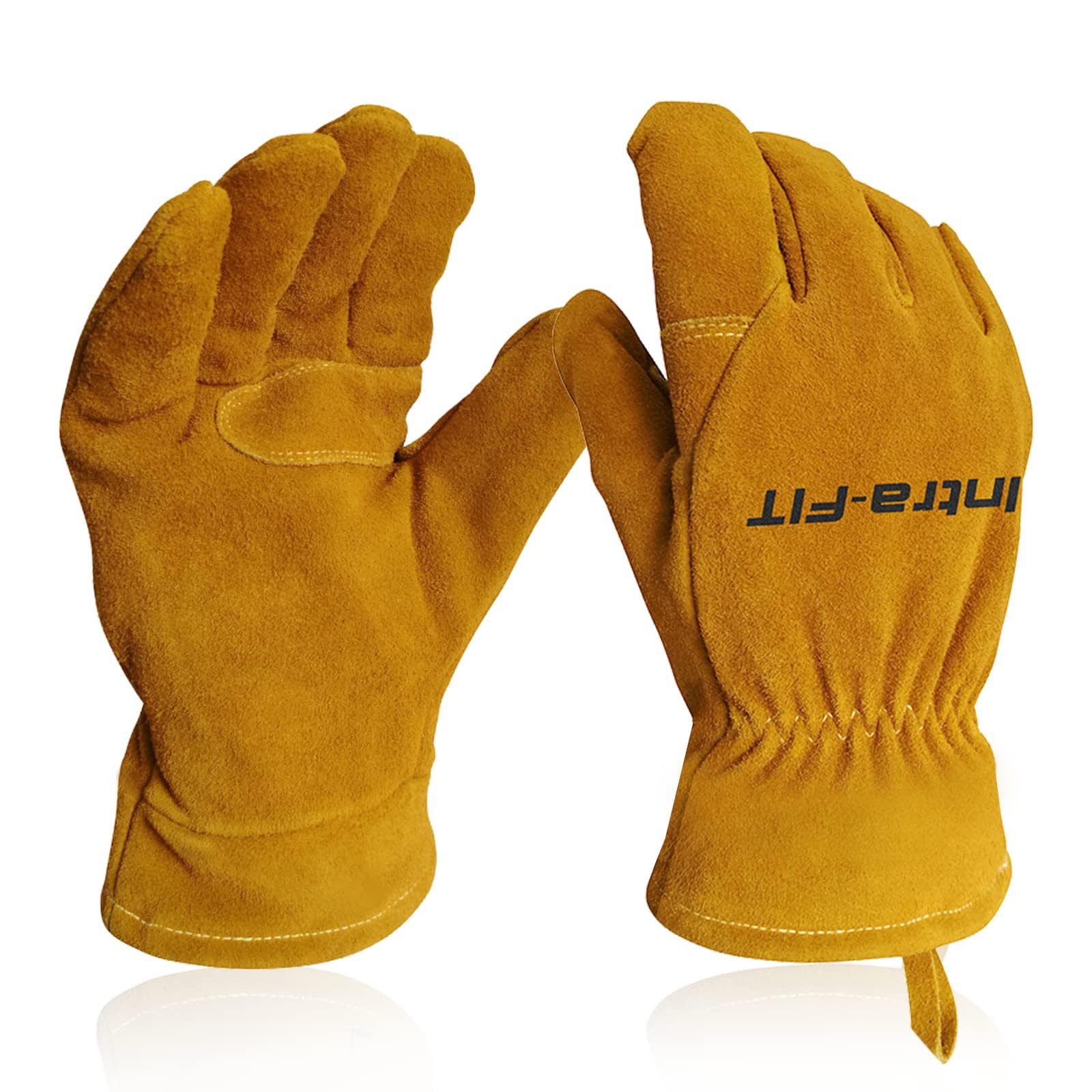
WZQH 16 Inches,932℉,Leather Welding Gloves, Heat/Fire Resistant,Large Mitts for BBQ,Oven,Grill,Fireplace,Tig,Mig,Forge,Baking,Furnace,Stove,Pot Holder,Animal Handling Glove.L Black-gray
Vetted premium item for home casting workshop. Essential for high heat melting and safe pouring.
Affiliate Disclaimer: As an Amazon Associate, CanadaFever earns from qualifying purchases. This helps support our Canadian outdoor research at no extra cost to you.
Safety First: Tips for Making Sinkers
Working with melted lead needs care. Always think about safety.
- Wear Safety Gear: Use gloves and eye goggles. This protects you when handling hot lead or sharp tools.
- Good Air Flow: Melt lead in a place with good air flow, like outside or in a garage with doors open. This helps you avoid breathing in fumes.
- Heat Safety: Hot lead is very dangerous. Use a thermometer to check its heat. Be careful when pouring.
Conclusion
Creating DIY sinker molds is a fun project. It saves you money. It also lets you make custom fishing gear. With the right stuff and some practice, you can make great sinkers at home.
1. What is the safest material for making DIY sinker molds?
High-temperature RTV silicone is the safest and easiest material for DIY molds because it is flexible, detailed, and handles the heat of molten lead (621°F) without cracking.
2. How hot does lead need to be to melt?
Lead melts at 621.5°F (327.5°C). You will need a dedicated electric lead melting pot or a cast iron pot on a high-BTU propane burner to reach pouring temperature.
3. Do I need a release agent for silicone molds?
Yes, applying a light coat of silicone mold release spray or talcum powder helps the lead sinkers pop out easily and extends the life of your mold.
4. What safety gear is required for melting lead?
You must wear heavy-duty heat-resistant leather welding gloves, safety goggles, long sleeves, closed-toe boots, and a respirator mask designed for lead fumes. Always melt lead outdoors.
5. Can I use aluminum or plaster for molds?
Yes, plaster of Paris can be used but it must be completely dry. Any trapped moisture in plaster will instantly vaporize and cause a dangerous steam explosion when hot lead is poured.


