

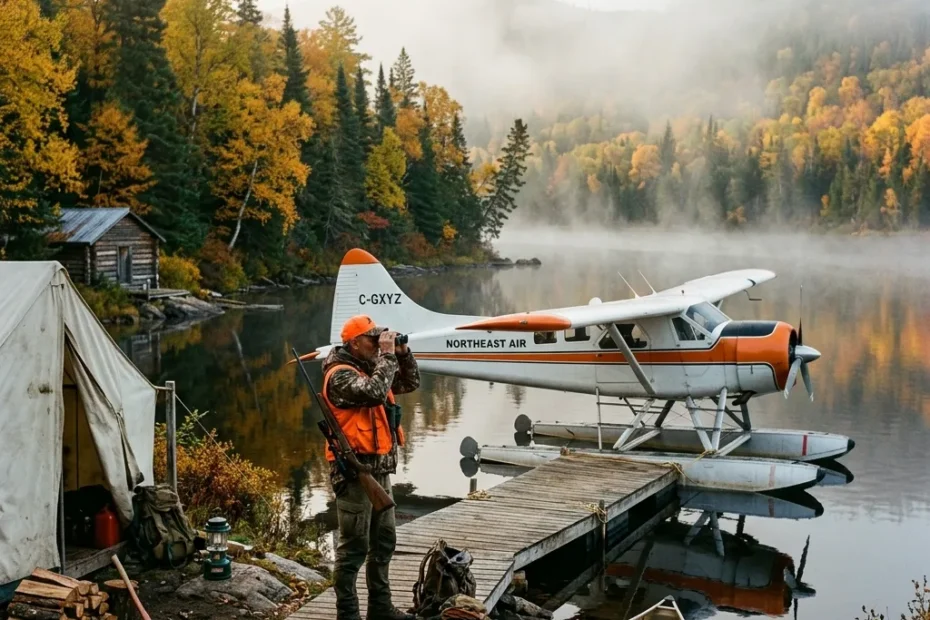
An independent guide to the best moose hunting outfitters in Ontario. Learn how to secure a non-resident tag, choose between fly-in vs. drive-in, and review the top regions like Nakina and Sunset Country.
- Plan Ontario Moose Hunting Outfitters around legal seasons, land access, firearm or bow rules, and current provincial or federal requirements
- Scout habitat, weather, travel routes, and animal movement before you commit to a field setup
- Keep safety, identification, permission, and retrieval plans clear before the hunt starts
Bottom line Ontario Moose Hunting Outfitters works best when legality, scouting, and safety are settled before tactics or gear choices
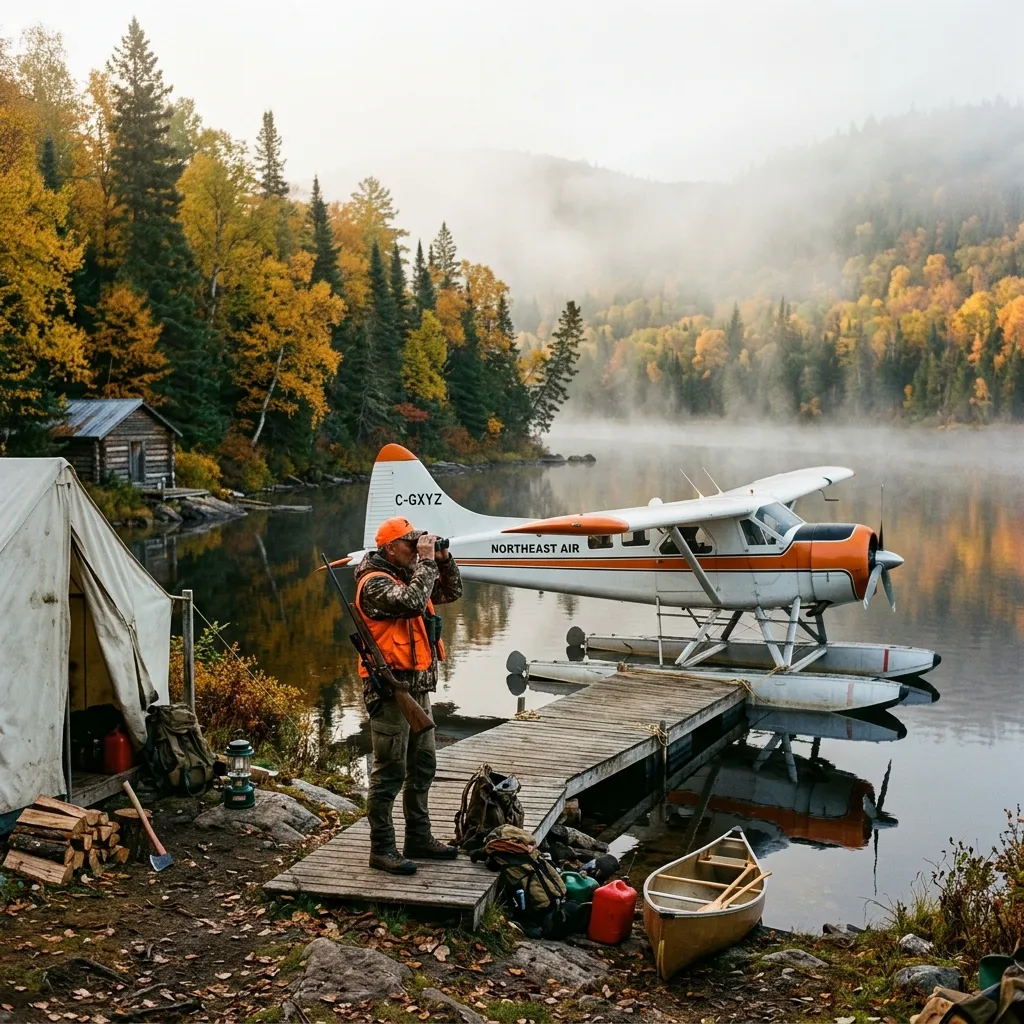
If you’re hunting moose in Canada, Ontario remains one of the premier destinations in the world for an accessible yet genuinely wild hunt. But navigating the vast boreal forest and the complexities of the tag allocation system is the true challenge.
Booking with one of the best moose hunting outfitters in Ontario is often the only realistic way for non-residents to secure a guaranteed tag without facing years of drawing disappointment.
Before you compare camps, read the Ontario hunting licence 2026 planner so the Outdoors Card, hunter accreditation, non-resident allocation, tag, WMU, firearm, and reporting pieces are clear.
Key Takeaways:
- Tag Strategy: Using an outfitter bypasses the resident point system via the Non-Resident Allocation.
- Regions: The Nakina area (WMU 18/19) and Sunset Country offer the highest densities and best remote fly-in options.
- Booking: Top camps book out 1-2 years in advance. Do not wait until spring to plan a fall hunt.
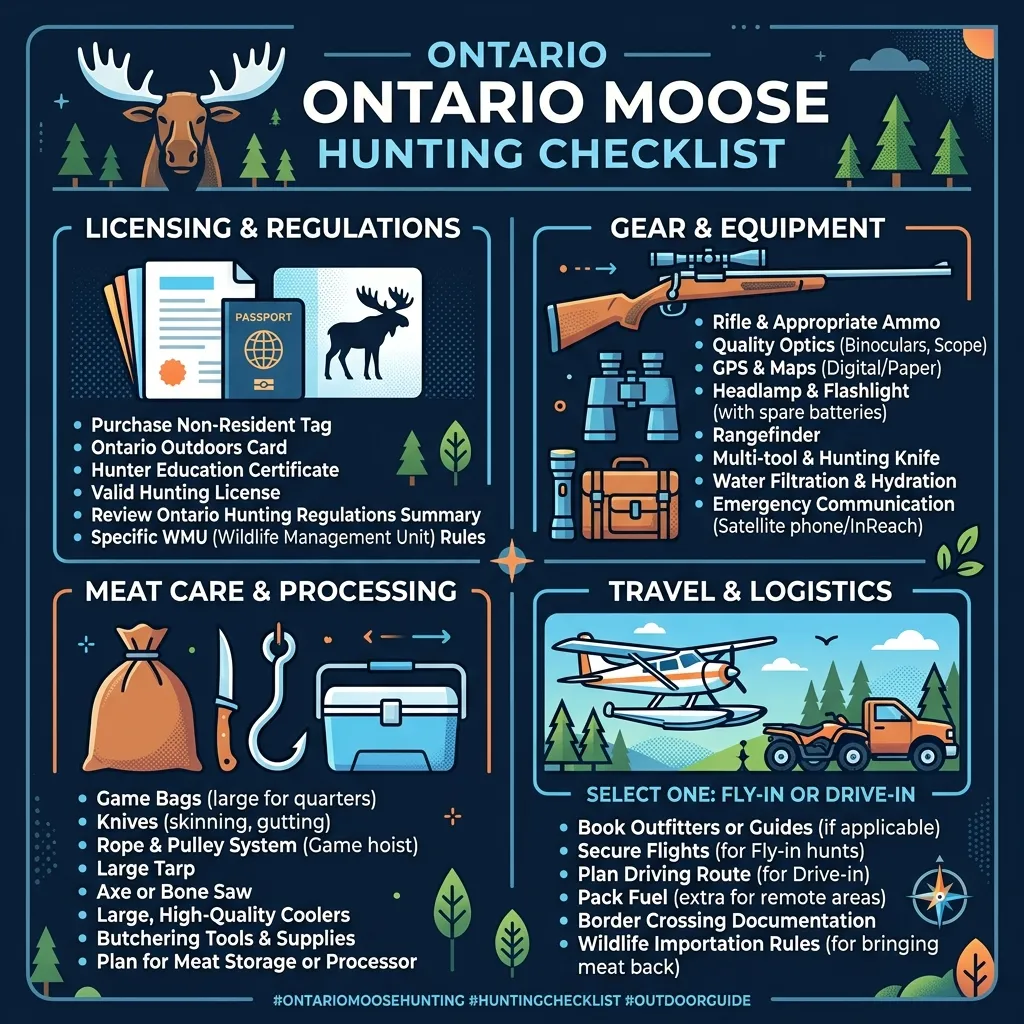
Infographic: Ontario Moose Hunting. Share freely with credit to CanadaFever.com.
The Guide’s Log
We were camped seventy miles north of Nakina, deep in Wildlife Management Unit 18. It was mid-October, and the morning frost had frozen our boat seats solid. By 7:00 AM, the unmistakable grunt of a bull moose echoed across the bay, sending shivers down my spine that had nothing to do with the cold.
When you drop a 1,200-pound animal in a remote muskeg swamp, the real work begins. The difference between a great outfitter and a bad one isn’t just about finding the moose—it’s about how quickly they can get a float plane in to haul the quarters out before the meat spoils or the bears move in. I’ve seen DIY hunts turn into nightmares because hunters didn’t have the logistical backing of a solid camp. Up here, logistics are everything.
Why Use an Ontario Moose Hunting Outfitter?
The Ontario moose hunting landscape is notoriously difficult to navigate alone. Unlike looking for bear hunting outfitters in Alberta, securing an Ontario moose tag as a non-resident requires you to go through a licensed tourist outfitter.
The Ontario Ministry of Natural Resources (MNR) allocates a specific number of tags to these businesses. When you book a hunt, you are essentially securing your tag along with your lodging.
This avoids the resident draw system, but it means availability is incredibly limited. The best outfitters sell out their bull tags years in advance, so early planning is non-negotiable.
🍁 The Local Secret
Don’t overlook cow and calf tags if your primary goal is high-quality organic meat. Bull tags command a massive premium and book up fastest, but cow hunts often provide higher success rates and arguably better table fare at a significantly lower cost.
Tactical Breakdown: The Crosswind Calling Trap

Animation: By setting the shooter downwind of the caller, the approaching bull exposes broadside as he circles to scent-check the “cow.”
Top Regions for Moose in Ontario
Ontario is massive, and moose densities vary wildly. The most sought-after outfitters are concentrated in specific Wildlife Management Units (WMUs) that consistently produce numbers.
The Nakina and Geraldton Corridor
Located in Northwestern Ontario, the Nakina region is famous for its remote fly-in outposts. This area offers vast tracts of untouched boreal forest interspersed with countless lakes and rivers.
Outfitters here often utilize float planes to drop hunters into isolated cabins where hunting pressure is virtually zero. This is prime territory for those wanting a true wilderness experience without seeing another hunting party all week.
Sunset Country (Kenora / Red Lake)
Just like it is famous for having some of the best walleye lodges in Ontario, Sunset Country boasts incredible moose hunting. The mix of deep woods and extensive waterways makes it ideal for boat-based calling setups.
You can find a mix of drive-in main lodges and fly-in outposts here. The infrastructure is excellent, making it easier to coordinate meat processing and transport.
Algoma Country (Sault Ste. Marie / Wawa)
For those driving from the US Midwest or Southern Ontario, Algoma Country provides closer access while still offering rugged terrain. The topography here is steeper and more demanding.
Hunts in Algoma often involve utilizing ATVs and old logging roads, making it a great option for hunters who prefer to stay mobile and cover ground on land rather than by boat.
What to Expect from a Guided vs. Un-Guided Hunt
When reviewing outfitter packages, you’ll generally find two models: fully guided and un-guided (or “DIY”) outpost hunts.
| Hunt Type | Pros | Cons | Best For |
|---|---|---|---|
| Fully Guided | Expert calling, tracking, and meat extraction handled for you. | Significantly more expensive. Less privacy. | First-time moose hunters, those wanting maximum success odds. |
| Un-Guided (Outpost) | Cheaper, ultimate privacy, hunt at your own pace. | You must call, gut, quarter, and extract a massive animal yourself. | Experienced bush hunters in good physical shape. |
If you choose an un-guided route, ensure your group is physically prepared. Quartering a moose in a knee-deep swamp is incredibly demanding work, requiring specialized hunting gear and stamina.
Essential Gear for the Ontario Bush
The weather during the Ontario moose season (typically late September through October) is volatile. You can experience tee-shirt weather, freezing rain, and heavy snow all in the same week.
Layering is critical, as is reliable waterproof footwear. But once the animal is down, meat care becomes the absolute priority. You need heavy-duty game bags to protect the quarters from dirt and blowflies while they hang at camp.
Allen Company Backcountry Quarter Bags

Affiliate Disclaimer: As an Amazon Associate, CanadaFever earns from qualifying purchases. This helps support our Canadian outdoor research at no extra cost to you.
Never rely on cheap, thin cotton bags. A moose quarter is massive and heavy; standard bags will rip under the weight. Invest in heavy-duty, reusable bags specifically designed for elk or moose.
The Pre-Trip Protocol
Border Declarations: If you are driving from the US, you must declare your firearms at the border and complete the Non-Resident Firearm Declaration form (RCMP 5589) beforehand. Do not sign it until you are in front of the customs officer.
Making Your Final Decision
When contacting outfitters, ask pointed questions about their recent success rates and how they handle meat recovery. A good outfitter should be transparent about their logistics.
Ensure you understand exactly what is included. Are boat rentals and fuel part of the package? What about flight weights on the bush plane? Every pound matters when flying into the remote north.
If your group isn’t strictly focused on moose, many of these same outfitters offer incredible multi-species trips. You might want to consider Ontario fishing lodge prices for a combo hunt/fish package, or explore top pike lodges in neighboring provinces if your tag draw fails.
For more details on legal requirements, always consult the Canadian Firearms Program and provincial hunting summaries.
Where this fits in the hunting plan
Use this guide as one part of the broader Hunting in Canada 2026 planning hub. The pillar helps connect licences, seasons, safety, species, access, gear, and reporting before you commit to a trip.
Frequently Asked Questions
How much does a guided moose hunt cost in Ontario?
Prices vary wildly, but a fully guided fly-in moose hunt typically ranges from $5,000 to $9,000+ USD per hunter. Un-guided outpost hunts are generally cheaper, often ranging between $2,500 and $4,500 USD, depending on the tag included.
Do I need a passport to hunt in Ontario?
Yes. All US citizens crossing the border into Canada must present a valid passport or passport card, regardless of whether they are driving or flying.
Can I bring my own ATV or boat to the lodge?
This depends entirely on the outfitter. Drive-in main camps often allow and encourage you to bring your own ATVs or boats. Fly-in outposts, however, have strict weight limits and provide boats on-site.
When is the best time to hunt moose in Ontario?
The peak of the rut usually falls between late September and mid-October. This is the optimal time for calling bulls into close range, though weather can be highly unpredictable.
What happens if I don’t get a tag from the outfitter?
Without an outfitter-allocated tag or a successful draw in the resident system, you cannot legally hunt moose in Ontario. If an outfitter does not have a tag for you, do not book the hunt with the expectation of shooting an animal.