

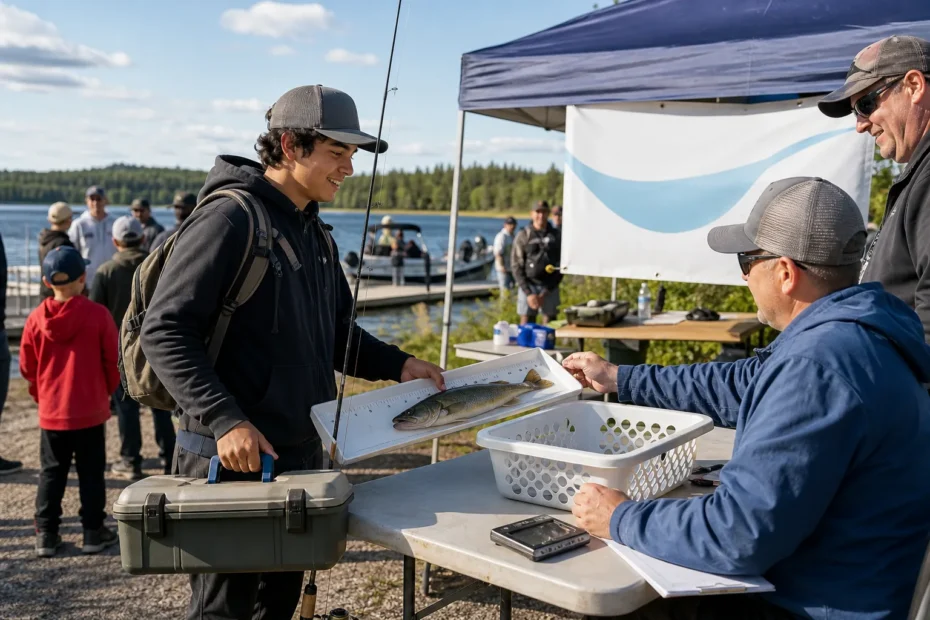
New to fishing? Learn about fun beginner fishing competitions in Canada. Get simple tips to join, what to expect, and enjoy your first event!
- Use Beginner Fishing Competitions in Canada to match species behaviour, habitat, season, and presentation to Canadian water conditions
- Check local regulations before fishing; limits, closures, bait rules, and licences can vary by province and waterbody
- Focus on practical setup: where to fish, what to cast or troll, how deep to work, and when to move
Bottom line Beginner Fishing Competitions in Canada gets simpler when you pair current rules with the right habitat, timing, and presentation
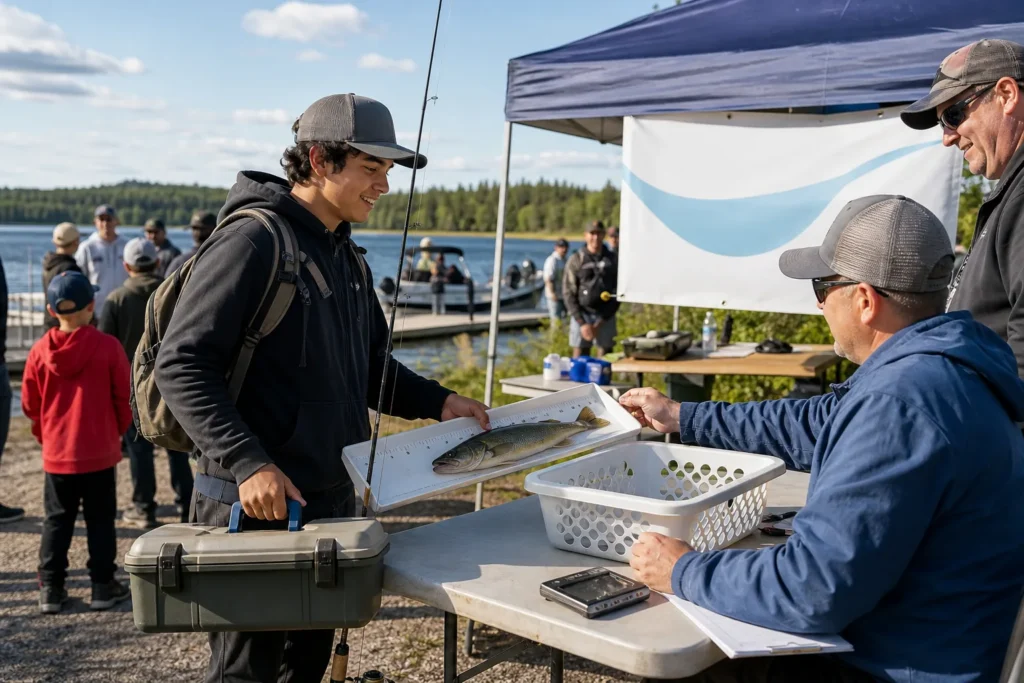
Quick answer: should a beginner enter a fishing competition?
Beginner fishing competitions are worth trying when the event is low-pressure, the rules are clear, and you can verify the licence, catch format, fish-care rules and safety requirements before paying an entry fee. Start with a local derby, family event, shore event or beginner-friendly club tournament before entering a high-stakes boat event.
A local derby, family fishing day, shore event, youth event or club fun tournament.
Confirm licence, species, open season, zone, waterbody, event rules and release format.
Treat the first event as practice: learn check-in, scoring, fish care and etiquette.
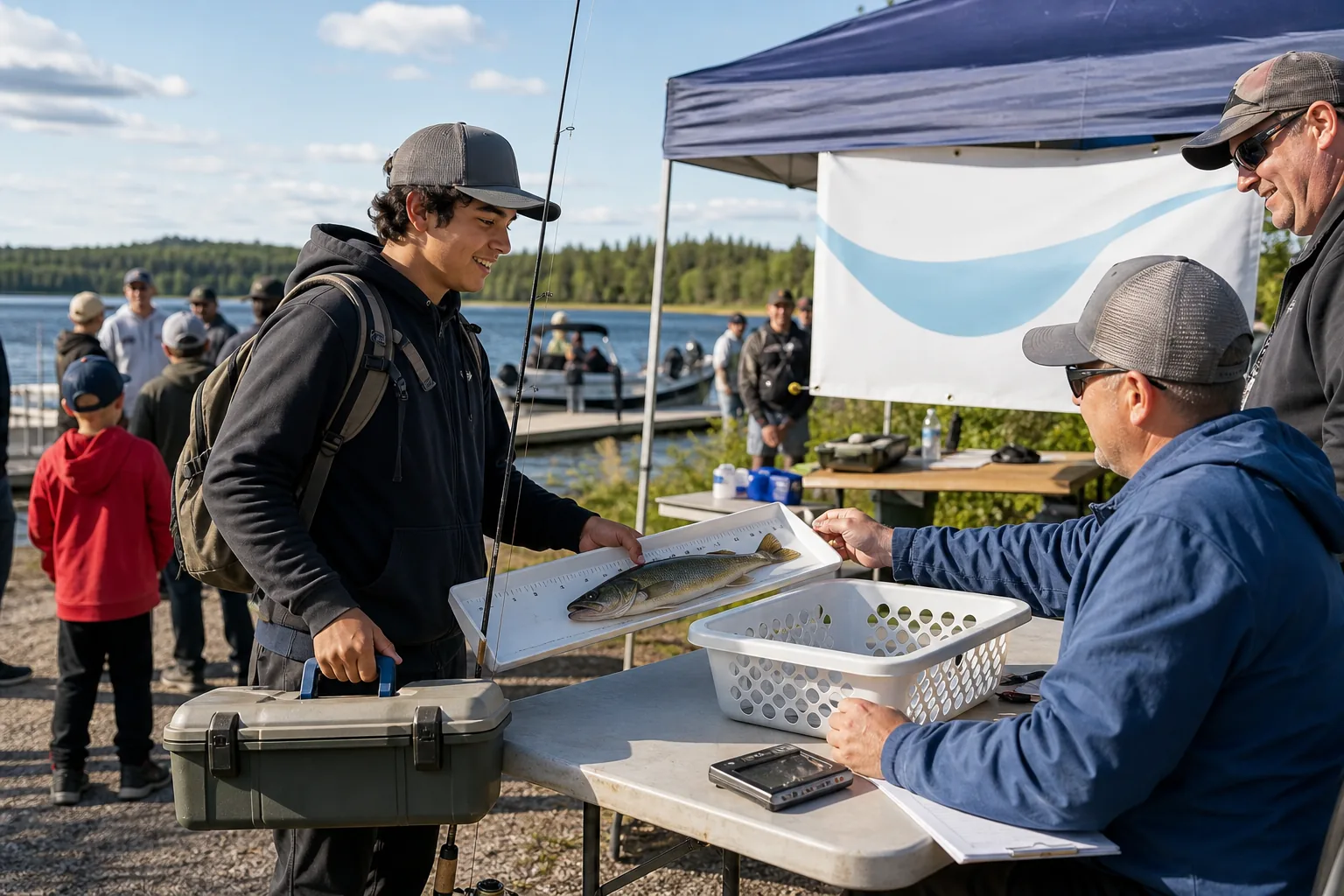
A fishing competition can sound intimidating if you are new. The word tournament makes people think of expensive boats, pro anglers, livewells, weigh-ins and pressure. Some events are like that. Many beginner-friendly events are not.
For a new angler, the right competition is simply a structured day on the water. You sign in, follow the rules, fish a set time window, measure or submit your catch, and learn from people who care about the same water. The wrong event is one where you do not understand the rules until you are already standing at the launch.
Beginner competition readiness map
Use this sequence before registering for your first event.
Choose local, beginner-friendly, low-pressure formats first.
Verify province, age, residency, waterbody and species rules.
Length, weight, photo release, live weigh-in or points.
Rod, tackle, PFD, measuring board, pliers and weather gear.
Wet hands, fast photos, quick release and clean handling.
Best types of beginner fishing competitions
The best first competition is usually not the biggest one. Choose an event where the format is easy to understand and the organizers expect mixed skill levels.
Event type selector
Start with formats that reduce pressure and keep the rules simple.
Best for kids, new anglers and social learning. Usually low pressure and short duration.
Best when you do not own a boat. Focus on access, safety, casting and species ID.
Best once you know basic rules and want feedback from more experienced anglers.
Best after you understand navigation, livewell rules, fish care, weather and team roles.
| Event format | Beginner fit | Rule to confirm first |
|---|---|---|
| Catch-photo-release | Strong first choice because fish can be measured and released quickly. | Photo requirements, measuring board rules, app rules and release expectations. |
| Family derby | Good for relaxed learning, kids, first-time anglers and shore access. | Age classes, eligible species, boundaries and whether licences are still required. |
| Length-based tournament | Often easier than weigh-ins because measuring can be done on the water. | Approved measuring board, photo angle, tie-breakers and submission deadline. |
| Live weigh-in | Can be exciting but is harder for beginners because fish care and timing matter. | Livewell, transport, release, possession and event-specific fish-care rules. |
| Ice fishing derby | Fun where legal and safe, but not a first event unless ice safety is well supported. | Ice conditions, shelter rules, number of lines, bait rules and emergency plan. |
How to prepare for your first fishing competition
Preparation is mostly about removing surprises. You do not need pro-level gear. You need the right licence, a format you understand, basic fish-handling tools, weather protection and enough time to arrive calmly.
First tournament timeline
A simple schedule for the week before your first event.
Rules beginners must understand before entering
Competition rules sit on top of normal fishing rules. If the province says a fish cannot be kept, the event cannot magically make it legal. If a waterbody has a closure, bait restriction, sanctuary boundary or possession rule, that still matters.
| Rule area | Beginner mistake | Better move |
|---|---|---|
| Licence | Assuming event registration replaces the fishing licence. | Confirm your licence, age exemption, residency and any required card/account. |
| Eligible species | Submitting a fish that is not part of the event or is protected on that water. | Read the species list and verify the official waterbody rules. |
| Measurement | Using the wrong board, bad photo angle or unclear fish position. | Use the approved board and practice one clean photo before event day. |
| Fish care | Keeping fish dry too long for photos or weigh-in confusion. | Wet hands, minimize air exposure and follow event release instructions. |
| Boundaries | Fishing outside the event zone or entering restricted water. | Save the map, ask organizers and stay conservative if a boundary is unclear. |
CanadaFever rule: if a rule is unclear, stop and ask the organizer or official source before fishing. A beginner event should make participation easier, not legally confusing.
Gear checklist for beginner fishing competitions
Pack for control, safety and clean fish handling. The goal is not to look like a pro. The goal is to avoid losing time because you forgot the one small item the event requires.
Competition gear map
Keep gear simple, visible and organized.
Use the required measuring board and keep your phone charged for photos or app submissions.
A rubber net and pliers reduce fish stress and help with clean hook removal.
Bring proven lures, hooks, sinkers and leaders that match the event species.
Dress for wind, cold, rain and sun. Safety gear beats extra tackle.
Beginner competition gear worth considering
These are category-level shopping links, not product guarantees. Always match gear to the event rules.
Measuring board
Length-based events often require a clean, readable measuring board.
Browse on AmazonTackle storage
A compact tackle box keeps lures, hooks and tools organized under pressure.
Browse on AmazonLanding net
A rubberized net helps land and release fish more cleanly.
Browse on AmazonPFD
A properly fitted life jacket is basic competition safety around boats and docks.
Browse on AmazonCanadaFever may earn from qualifying purchases. Official-source sections never contain affiliate links.
What happens on event day
Most beginner stress comes from not knowing the rhythm of the day. The exact order varies by event, but the basic pattern is usually similar.
- Arrive early and check in before the deadline.
- Confirm boundaries, eligible species, scoring and photo or weigh-in process.
- Set up gear before the start time rather than during the first bite window.
- Fish conservatively. Accuracy, legal fish and clean handling matter more than rushing.
- Submit fish exactly as the rules require.
- Stay for results if possible. You will learn from what successful anglers did differently.
How to get better after your first event
The best tournament anglers review. Beginners should do the same, but keep it simple. Write down the water conditions, what lures you used, where you caught or missed fish, what confused you, and what you would pack differently next time.
If your first event shows that you need basic skill work, use the fishing for beginners guide. If gear was the weak point, build from the fishing gear hub. If the event made you curious about bigger tournaments, compare formats in the Canada fishing competitions and events guide.
Beginner mistakes to avoid
- Entering a serious cash event before learning local derbies and club formats.
- Not reading the event rules until the morning of the competition.
- Forgetting that official fishing regulations still apply during tournaments.
- Buying too much tackle instead of practicing with a few reliable setups.
- Handling fish too slowly for photos or weigh-in.
- Ignoring weather, boat safety, cold water and launch conditions.
Official beginner competition sources
CanadaFever helps you prepare. Official provincial, territorial, federal, park and event sources control final rules.
DFO recreational fishing
Federal starting point for recreational fishing context and regional rule paths.
Open official sourceOntario fishing regulations summary
Official Ontario seasons, limits, zones, exceptions and sportfishing regulation context.
Open official sourceOntario live fish transport
Official rules for keeping, transporting and releasing live fish in Ontario.
Open official sourceSaskatchewan competitive fishing events
Official Saskatchewan requirements and permitting context for competitive fishing events.
Open official sourceB.C. fishing regulations
Official British Columbia freshwater fishing regulations and regional rule checks.
Open official sourceParks Canada visitor rules
Official visitor safety and park-rule context for fishing and outdoor activities in national parks.
Open official sourceFAQ about beginner fishing competitions
Do I need a fishing licence for a beginner competition?
Usually yes, unless an official exemption applies. Event registration does not automatically replace provincial, territorial, federal or park licence requirements.
What is the easiest fishing competition for beginners?
A family derby, shore event, youth event, club fun tournament or catch-photo-release event is usually easier than a serious live weigh-in boat tournament.
Can I enter without a boat?
Yes, if the event allows shore fishing, pier fishing, bank access or team participation with another angler. Always confirm the event boundaries and access rules.
What gear should I bring to my first fishing competition?
Bring a licence, event rules, rod and reel, simple tackle, measuring board if required, pliers, landing net, PFD where relevant, weather gear, water and a charged phone.
Are fishing competitions good for kids?
They can be excellent when the event is family-oriented, short, safe and clear about fish handling. Avoid high-pressure formats for a first experience.