

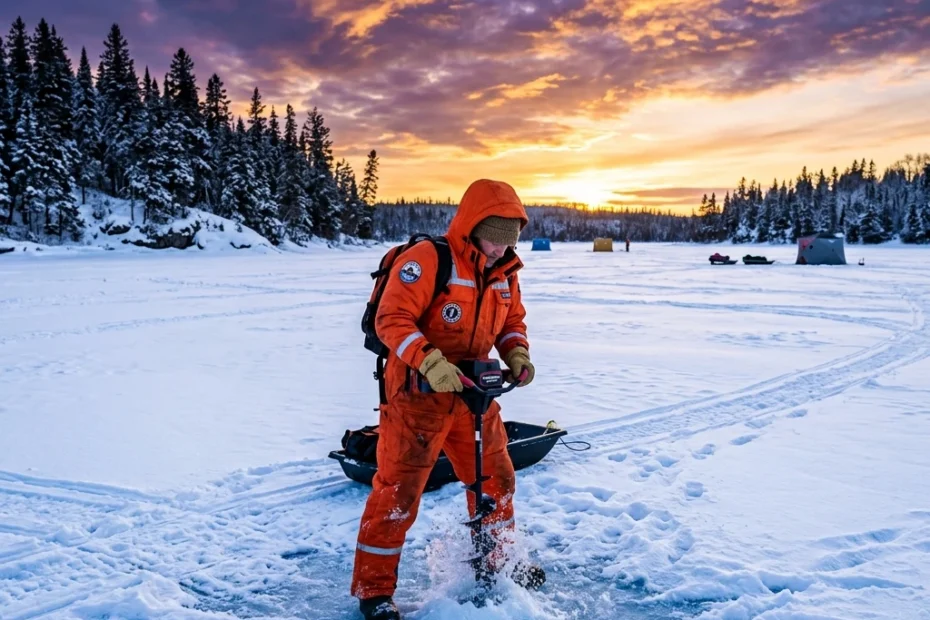
Master the ice with the best ice fishing gear in Canada for 2026. Expert reviews of rod combos, cold-weather line, safety gear, augers, and the latest tech.
- Match Ice Fishing Gear Canada to your water, season, boat size, and actual skill level instead of buying by specs alone
- Prioritize readable controls, durable construction, and Canada-relevant use cases before chasing premium features
- Use the guide to compare what matters in the field: setup time, reliability, safety, storage, and upgrade path
Bottom line The right Ice Fishing Gear Canada choice solves your real Canadian trip conditions without adding gear you will not use
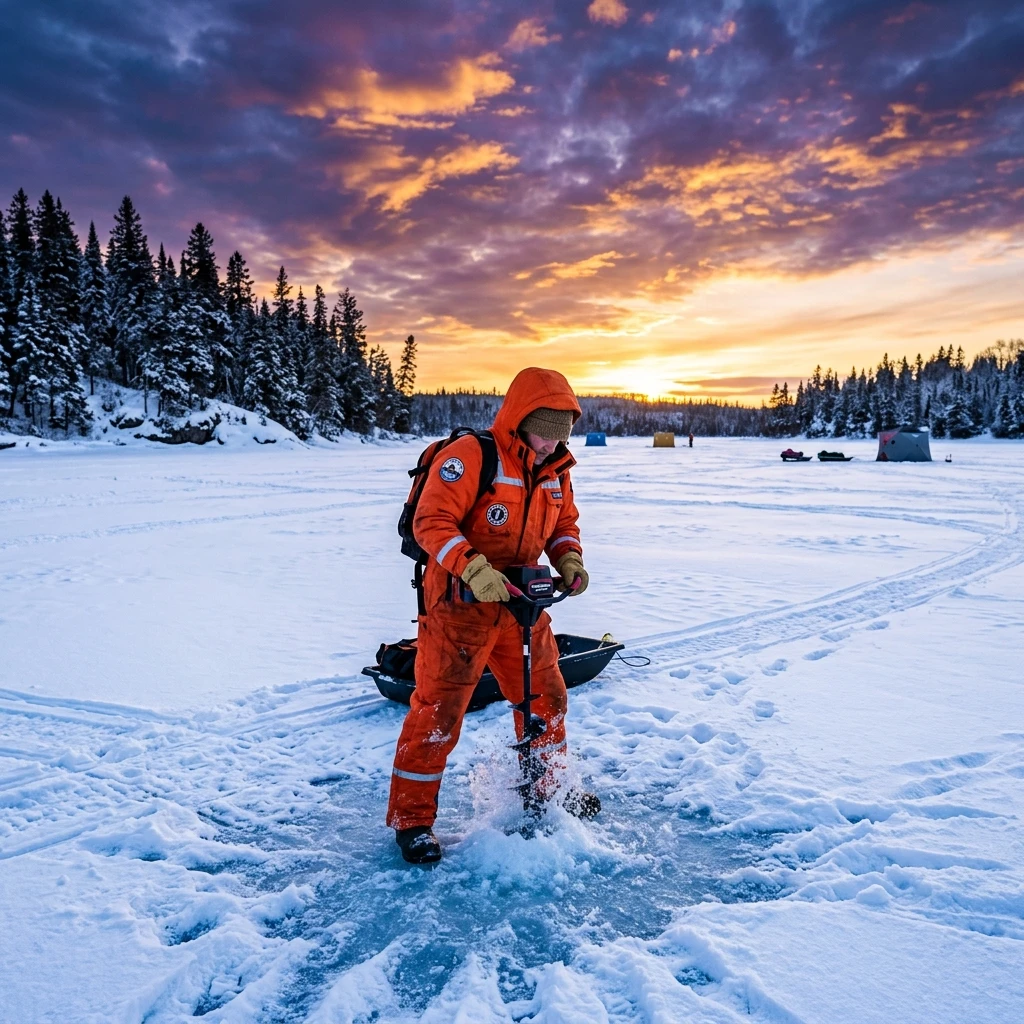
The moment you step onto a frozen Canadian lake in January, the rules change. The wind doesn’t care that your hands
are cold. The walleye don’t care that your auger won’t start. And the ice doesn’t care that your shelter is leaking
condensation down your neck.
For a rod-specific decision, compare length, power and action in the best ice fishing rods Canada guide.
Ice fishing in Canada — on lakes like Lac Saint-Jean, Lake Winnipeg, or Lake Simcoe — is a technical discipline that
demands a system, not just a collection of random gear. Every piece of equipment must work together in extreme cold,
and one weak link can ruin your entire day. This guide cuts through the noise and gives you the definitive 2026 setup.
For context on where to actually use this gear, see our guide to the Best Fishing Lakes in Canada.
⚡ Key Takeaways: The 2026 Ice Fishing System
- Safety is the foundation: Ice picks, a spud bar, and a float suit are non-negotiable before any
gear discussion starts. - Go electric for your auger: 40V lithium augers have permanently replaced gas — lighter,
quieter, instant-start, zero fumes inside your shelter. - Run a hybrid line system: High-vis braid as your main line connected to a 6-foot fluorocarbon
leader is the 2026 standard for deep-water sensitivity. - Thermal shelters only: Non-insulated shelters drip frozen condensation on your gear. A
triple-layer thermal skin is mandatory in Canadian winters. - Live sonar changed everything: Forward-facing sonar (like Humminbird MEGA Live) has moved from
the boat to the ice sled, turning scouting into a real-time hunt.

The Guide’s Log
My first real ice fishing trip
was on Lake Simcoe chasing walleye. I had a gas auger, a cheap non-thermal shelter,
and monofilament line. The auger froze on the third hole. The shelter dripped ice water on my electronics. The
monofilament coiled so badly I couldn’t feel a bite.
Everything in this guide exists because of
that miserable day. Every single recommendation is chosen to solve a specific, brutal, Canadian-winter problem.
1. Safety: The Non-Negotiables
Before any gear conversation, this section comes first. Every year, Canadian anglers fall through ice and die. The
equipment below takes up almost no space and costs very little relative to the risk.
⚠️ The Three Rules of Canadian
Ice Safety
- Spud Bar first: Thump the ice ahead of every step in unfamiliar areas. One solid strike going
through = turn around. - Ice picks around your neck: Not in your pocket. Not in your bag. Around. Your. Neck. Your hands
lose grip in seconds from cold shock. - Float suit: Not just a warm parka — a float suit has built-in buoyancy. It keeps you horizontal
and afloat while you self-rescue.

⛑️ Non-Negotiable Safety Gear
Frabill Ice Safety Picks
Retractable spring-loaded picks
with ergonomic foam handles that stay grippy even when soaking wet. The lanyard keeps them around your neck, not
lost in a bag at the critical moment. Under $20 — the best insurance policy in ice fishing.
2. Rod & Reel Combos: Sensitivity is Everything
In open water, a missed bite is just a missed bite. On the ice, you might sit over a school of 50 walleye for an hour
and never know they’re inhaling your lure because your rod tip isn’t sensitive enough to transmit the “tick.” Modern
ice combos are engineered around one obsession: transmitting the subtlest bite signal to your hand.
| Combo | Best For | Action | Price Range |
|---|---|---|---|
| 13 Fishing Wicked Ice | All-species versatility | Medium / Medium-Light | $$ |
| Clam Katana | Panfish / Light walleye | Ultra-Light / Light | $$ |
| St. Croix Custom Ice | Trophy walleye / Lake trout | Medium-Heavy | $$$ |

🏆 Best All-Rounder
13 Fishing Wicked Ice Combo
The Wicked’s solid Toray carbon
blank provides genuine sensitivity without the premium price tag. The “Evolve” reel seat gives you direct-to-blank
feel. Cold-weather lubricant is pre-loaded in the drag system — it won’t seize at -25°C. Available in multiple
actions, making it the Swiss Army knife of Canadian ice fishing.

🎣 Best Finesse Combo
Clam Katana Ice Combo
High-modulus graphite blank
that transmits the “tick” of a perch inhaling a tungsten jig 30 feet down. The oversized, gloved-hand-friendly
drag knob is a detail most ice combos forget. Designed in Minnesota for actual cold — not the lab.
3. Ice Line: The Science of Cold-Water Invisibility
Line choice is where most Canadian ice anglers lose fish. Below -10°C, standard monofilament develops “memory” — it
stays coiled off the spool and kills your ability to detect light bites. The solution is a two-component system.
| Line Type | Visibility | Cold Performance | Best Role |
|---|---|---|---|
| Fluorocarbon | Near-invisible | Excellent (low memory) | Leader / clear water |
| Braid (8-strand) | High-vis | Excellent (zero stretch) | Main line deep water |
| Monofilament | Medium | Poor (coils in cold) | Budget panfish only |
🍁 The Hybrid Setup: Canada’s 2026 Standard
Spool 10lb high-vis braid and tie a 6-8 foot 4lb
fluorocarbon leader via a micro-swivel. The braid gives you zero-stretch sensitivity; the fluoro leader is invisible
to line-shy walleye and perch in clear Shield lakes. This is how the top Ontario walleye lodges rig their guide rods.
4. Augers: The Lithium Revolution
The two-stroke gasoline auger is effectively extinct for Canadian ice anglers. Lithium augers weigh half as much,
start instantly at -35C, produce zero fumes, and drill 50+ holes per charge.
| Feature | Electric Lithium | Gasoline 2-Stroke |
|---|---|---|
| Weight | 12-18 lbs ✓ | 28-35 lbs ✗ |
| Start at -30C | Push-button ✓ | Pull-cord (often fails) ✗ |
| Fumes inside shelter | None ✓ | Dangerous CO risk ✗ |
| Maintenance | Zero ✓ | Oil/gas mix, spark plugs ✗ |
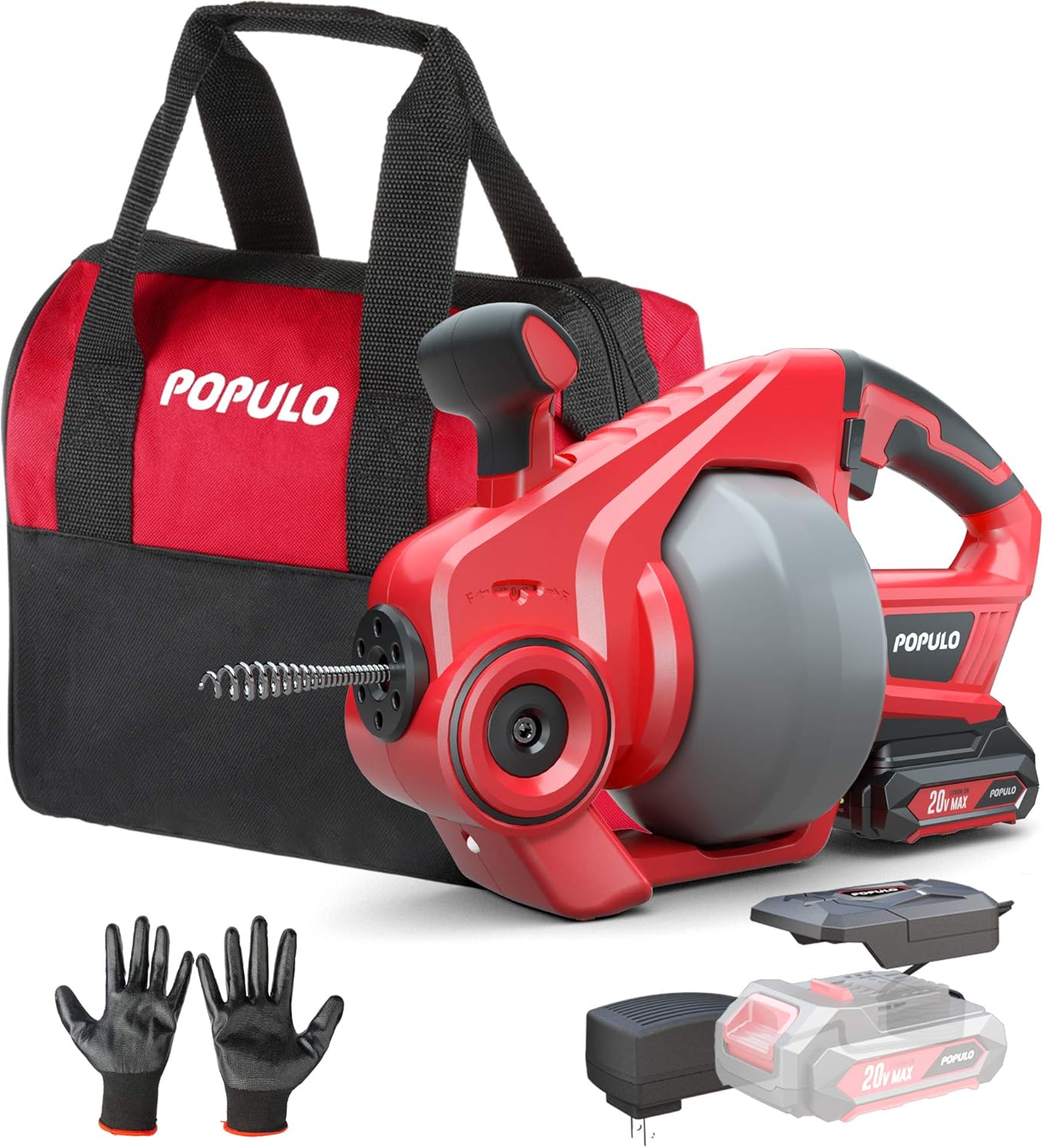
⚡ Top Pick: Electric Auger
StrikeMaster Lithium 24V
Lite-Flite
At 13 lbs total, the lightest
powered auger you can buy. Drills 8-inch holes through 36 inches of hard Canadian ice on a single charge. Lazer
blades stay sharp through a full season. Keep the battery in your jacket pocket until drilling — cold kills
lithium capacity by 40%.
5. The 2026 Lure Arsenal: Sound, Glow and Flutter
Ice fishing lures in 2026 are engineered around three triggers: vibration (lateral line), UV/glow (deep water), and
erratic drop action (inactive fish). Here are the two lures every Canadian ice box needs.
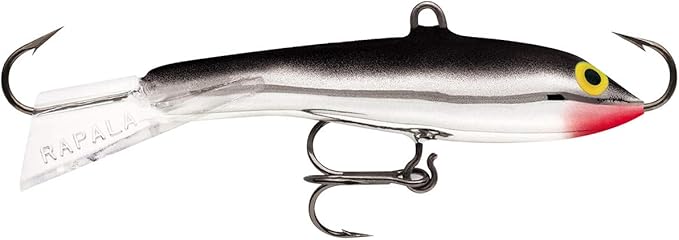
🁁 The Vertical Jigging Classic
Rapala Jigging Rap #5
Swims in a tight circle on
every drop, triggering walleye, lake trout, and jumbo perch. Glow Tiger pattern mandatory for 30+ foot depth. The
#5 is the Canadian walleye standard; drop to #3 for perch. See our full lake trout guide for
more vertical options.
6. Shelter Heat: The Mr. Heater System
A thermal shelter is mandatory (see our full ice shelter guide), but the heater inside it matters
equally. The Mr. Heater Portable Buddy is the undisputed Canadian standard.

🔥 Best-Selling Ice Fishing Heater
Mr. Heater Portable Buddy (9,000
BTU)
Oxygen depletion sensor shuts
off before CO becomes dangerous. Pro tip: run a hose to a 20lb tank kept inside your sled bag. Small 1lb canisters
freeze and lose pressure below -20C — don’t rely on them for full-day sessions.
✓ Pre-Trip Ice Fishing
Checklist
- Ice safety picks (around your neck — not in your bag)
- Spud bar (for testing ice on the move)
- Float suit / bibs on
- Auger battery warmed and fully charged
- Propane tank — full, with backup hose for 20lb tank
- Sonar unit — lithium battery fully charged
- Rods pre-rigged with hybrid line (braid + fluoro leader)
- Lure box — jigging raps, tungsten jigs, glow spoons
- Ice scoop / ladle
- 2026 provincial fishing licence (digital or paper)
Frequently Asked Questions: Best Ice Fishing Gear Canada
2026
What is the minimum safe ice thickness for
fishing in Canada?
Most provinces recommend 4 inches (10 cm) for a single
angler on foot, 5 inches for a group, and 8-12 inches for a snowmobile. Ice is never uniformly thick. Review Ontario’s official ice fishing safety guidelines before every trip.
Is fluorocarbon or braid better for ice fishing?
Neither alone — run both. Use 8-10lb braid as your main line
for zero-stretch bite detection, then tie a 6-8 foot fluorocarbon leader. Braid shows every twitch; fluoro is
invisible to the fish.
Do I need a fish finder for ice fishing in
Canada?
Not legally required, but practically essential on lakes
deeper than 20 feet. A flasher or graph shows fish approaching in real time and helps detect bites before your rod
tip moves. See our fish finder guide for setup tips.
What auger size is best for walleye and pike in
Canada?
An 8-inch bit is the Canadian standard for all species up to
pike. Wide enough to land a trophy walleye, yet small enough that a 24V motor drills through 36 inches of hard ice
without strain. Go 10-inch only if you’re consistently targeting 40-inch-plus pike or large lake trout.
Can I use open-water gear for ice fishing?
Not effectively. Open-water rods are too long for vertical
jigging, and reel bearings use grease that seizes at -20C. Ice rods (18-36 inches) and ice reels use
cold-temperature lubricant that stays fluid in Canadian winter conditions.
Ready to hit the hard water? Check out the best Ontario walleye lodges for a guided introduction to ice
fishing Canada’s legendary lakes.
Affiliate Disclaimer: CanadaFever is a participant in the Amazon Services LLC Associates Program. We
earn a small commission from qualifying purchases at no extra cost to you. All recommendations are based on
independent research and real-world Canadian ice fishing experience. Assisted by AI for research and data
synthesis.