
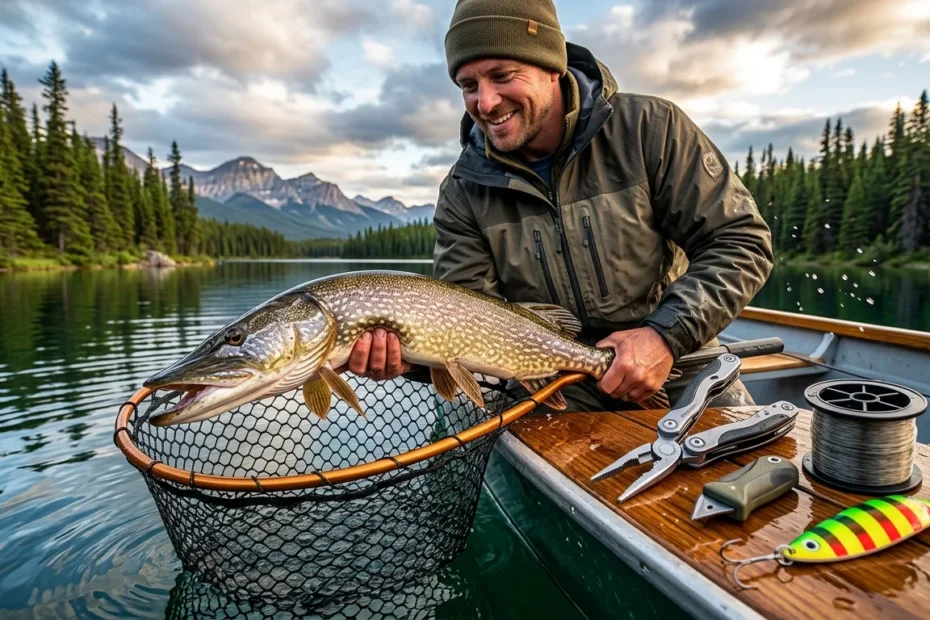
Fishing tools in Canada should make your day cleaner, safer, and easier. Learn which tools actually matter for bank, boat, kayak, and ice anglers.
- Use Fishing Tools in Canada to match species behaviour, habitat, season, and presentation to Canadian water conditions
- Check local regulations before fishing; limits, closures, bait rules, and licences can vary by province and waterbody
- Focus on practical setup: where to fish, what to cast or troll, how deep to work, and when to move
Bottom line Fishing Tools in Canada gets simpler when you pair current rules with the right habitat, timing, and presentation
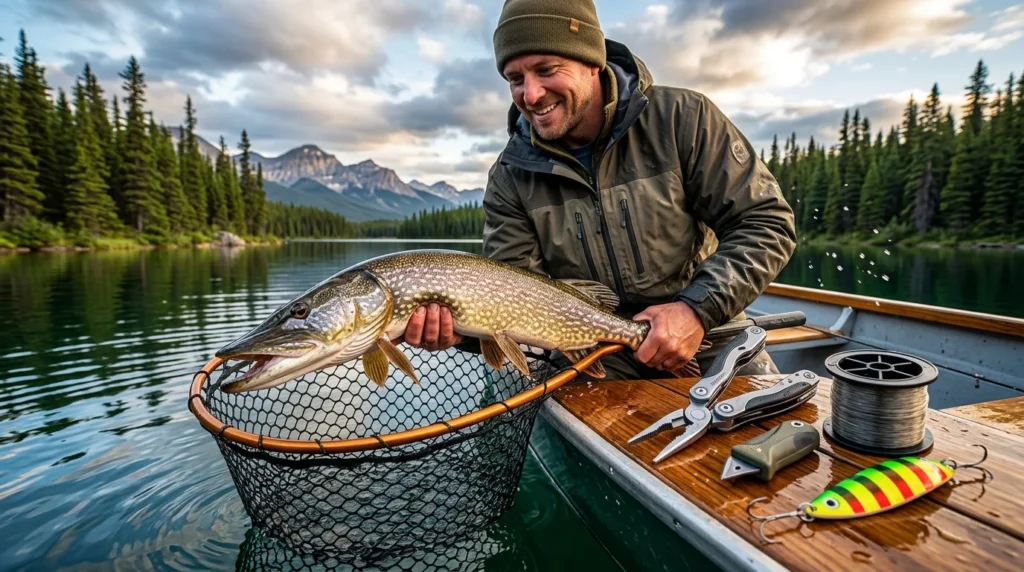
Fishing tools matter more in Canada than most broad gear lists admit, because the right pliers, cutters, measuring gear, and release tools do more than save time. They help you fish cleaner, safer, and closer to the rules on lakes, rivers, and ice across the country.
You do not need a giant pouch full of gadgets to fish well. You need a short list that matches the way you actually fish.
Key Takeaways
- The most useful fishing tools are pliers, line cutters, a hook remover, a measuring tool, and a fish-friendly landing option.
- Canadian anglers should match their tool kit to bank, boat, kayak, or ice fishing instead of carrying the same load everywhere.
- Measuring tools, hook choice, and safe handling matter because tackle rules and release expectations vary by water and province.
- A short, reliable kit beats a cluttered tackle bag full of tools you never touch.
The trick is to think in jobs, not gadgets. One tool cuts line, one controls hooks, one helps land fish, one keeps you legal, and one solves the problem you hit most often on your home water.
The Guide’s Log
One windy evening on an Ontario riverbank, the fish were not the problem. The problem was chaos. A carp rolled in the net, a hook buried itself in a sleeve, braid wrapped around wet fingers, and the measuring tape was buried under spare tackle that never should have been in the bag. That was the moment the lesson locked in for good: most bad fishing-tool decisions are not about buying cheap gear. They are about carrying the wrong things, in the wrong order, with no plan for what happens after the strike. Since then, I have trimmed every kit down to the tools that solve the real jobs first. Pliers ride where my hand can find them blind. Cutters stay clipped high, not buried in a tray. The measuring tool comes out before the camera. A lure retriever comes only when I know I will be around expensive hard baits and snaggy structure. The result is not glamorous, but it is efficient. The cleanest anglers I know do not carry the most. They carry the few tools they trust, keep them ready, and use them in the same sequence every trip.
Fishing Tools in Canada Start With Five Jobs
The strongest fishing gear and equipment setup usually starts with five jobs you need to handle fast.
- Cut line cleanly, especially braid and fluorocarbon.
- Remove hooks without tearing up fish or your hands.
- Measure fish quickly when size rules or personal records matter.
- Land and release fish with less chaos.
- Recover or repair tackle when something goes wrong.
That is why this page is not another rod-and-reel roundup. If you want the core setup first, start with essential fishing gear for beginners. This guide is about the smaller tools that make the whole system work better once you are already on the water.
Which Fishing Tools Matter Most for Beginners
If you are still building your first real kit, do not buy ten tools at once. Start with four pieces that solve the problems you hit every trip.
- Compact pliers with a split-ring tip if you throw hard baits.
- Dedicated braid cutters or sharp nippers.
- A soft measuring tape or short measuring board.
- A compact tackle organizer that keeps those tools easy to reach.
If you are sorting the bigger setup around those tools, choosing fishing gear for beginners, fishing tackle boxes and storage, and the perch fishing in Canada guide are the best support pages to pair with this one.
Fishing Tools by Platform: Bank, Boat, Kayak, and Ice
The right tool kit changes with the platform. What works on a bass boat can feel clumsy on a riverbank, and what works in summer can waste space in an ice shelter.
If you fish from small craft, the cleanest companion pages here are kayak and canoe fishing gear, fishing tackle setup for kayaks, and safety tips for kayak fishing.
The Local Secret: Most Anglers Pack Too Much
A compact tool kit usually beats a bigger one because the tools stay accessible. That matters even more on pressured water, windy banks, and cold-weather days when wasted movement costs you fish.
The Local Secret
One of the best upgrades on Canadian water is not another lure. It is putting your pliers and cutters where your hand reaches them first, then building the rest of the kit around that. On bank, kayak, and ice trips, speed and access beat quantity almost every time.
Why Rules and Measuring Tools Belong in This Conversation
This is where a Canadian fishing-tools guide has to be more practical than a generic gear list. Tools are not only about convenience. They also help you stay cleaner around the rules.
Ontario’s official tackle page reminds anglers that every hook on a lure counts toward the four-hook limit, that some waters require barbless hooks, and that two-line ice fishing is only allowed in many waters when you stay within 60 metres and keep the lines in clear view. That is exactly why a measuring tool, hook-control tool, and tidy rigging habit belong in the same conversation.
If you need the bigger legal picture first, start with how to obtain a fishing license in Canada and Alberta fishing regulations or Saskatchewan fishing regulations when your trip is province-specific.
Official reference: Ontario rules for using fishing tackle.
Fishing Tools That Earn Space in Specific Situations
Some tools are not universal, but they are still worth carrying when the situation lines up.
- Lure retriever: useful around wood, rock piles, and expensive hard baits. If that is your pattern, pair this article with homemade fishing lure retriever.
- Portable scale: useful for personal best fish, tournament prep, or species where weight matters more than length.
- Headlamp: essential for low-light boat ramps, night sessions, and early ice access.
- Tool tether: especially valuable on kayaks and docks where dropped pliers are simply gone.
- Forceps: better than big pliers for trout, panfish, and tiny trebles.
On winter trips, the tool conversation changes again. That is why ice fishing gear essentials and complete guide to ice fishing in Canada deserve a place in the same cluster.
How to Maintain Fishing Tools So They Stay Worth Carrying
Fishing tools do not need much maintenance, but they do need a rhythm. Rinse them, dry them, and put them back in the same place after every trip.
- Rinse pliers, cutters, and forceps after dirty or salty trips.
- Dry measuring tapes and boards before putting them back in a pouch.
- Replace rusted split rings, dull cutters, and bent forceps early.
- Do not leave tools loose in the bottom of a wet tackle bag.
If a tool is awkward enough that you keep skipping it, it is not really part of the kit. Replace it with a smaller or better-placed version.
The Pre-Trip Protocol
- Step 1: Clip pliers and cutters where your hand can reach them without digging through a tray.
- Step 2: Pack one measuring tool and check the rules for the water you are actually fishing.
- Step 3: Remove duplicate tools before the trip so your kit stays light and usable.
Fishing Tools FAQ
What fishing tools should every angler carry first?
Start with pliers, line cutters, and a measuring tool. That kit solves hook control, knot cleanup, and legal size checks on most Canadian trips.
Do beginners need a lure retriever?
Not always. A lure retriever earns its place when you fish from a boat around wood, docks, rock, or expensive hard baits. It is far less useful on many simple bank trips.
Why is a measuring tool part of a fishing-tools kit?
Because measuring tools help you check fish quickly and reduce guesswork around slot sizes, keep limits, and release decisions. They are one of the most practical tools in the whole bag.
Are fishing pliers and forceps the same thing?
No. Pliers are better for heavier hooks, split rings, and barbs. Forceps shine with small hooks, trout rigs, and precise releases where big pliers feel clumsy.
How many fishing tools should I pack for a normal trip?
Most anglers do better with four to six reliable tools than a full pouch of backups. Keep the core tools accessible, then add one or two situation-specific items only when the water justifies them.