
Plan a rustic or backcountry lodge stay in Canada with 2026 advice on fly-in, boat-access, hike-in and road-remote lodges, safety, seasons and packing.
- Use Rustic and Backcountry Lodges in Canada to match destination, season, access, and budget to the kind of trip you actually want
- Check licences, local rules, travel logistics, weather, and booking windows before locking in dates
- Compare locations by practical fit: target species or activity, remoteness, services, safety, and backup options
Bottom line Rustic and Backcountry Lodges in Canada becomes easier when you choose the destination around timing, access, rules, and your real trip style
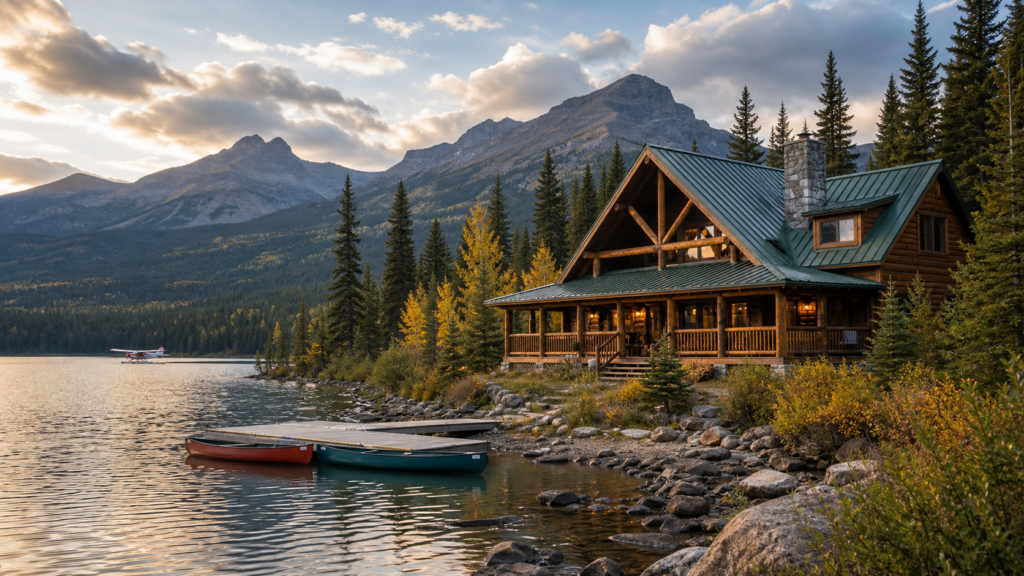
Rustic and backcountry lodges in Canada are for travellers who want the country behind the postcard: floatplanes, boat docks, wood heat, dark skies, quiet lakes, and mornings where the weather decides more than your itinerary.
This 2026 guide is not a generic hotel list. It helps you choose the right kind of wilderness lodge, understand access and comfort levels, plan for safety, and avoid booking a remote stay that looks romantic online but feels wrong once you are three hours from the nearest paved road.
Quick takeaways
- Best for true remoteness: fly-in and boat-access lodges in northern Ontario, Manitoba, Saskatchewan, British Columbia, Yukon, and the Northwest Territories.
- Best for first-timers: road-remote lodges or boat-access lodges with meals, guides, and clear emergency procedures.
- Biggest booking mistake: choosing by cabin photos before checking access, weather windows, cancellation rules, and what is included.
- Best planning rule: treat access, season, safety, and comfort as one decision. A beautiful lodge can still be the wrong fit.
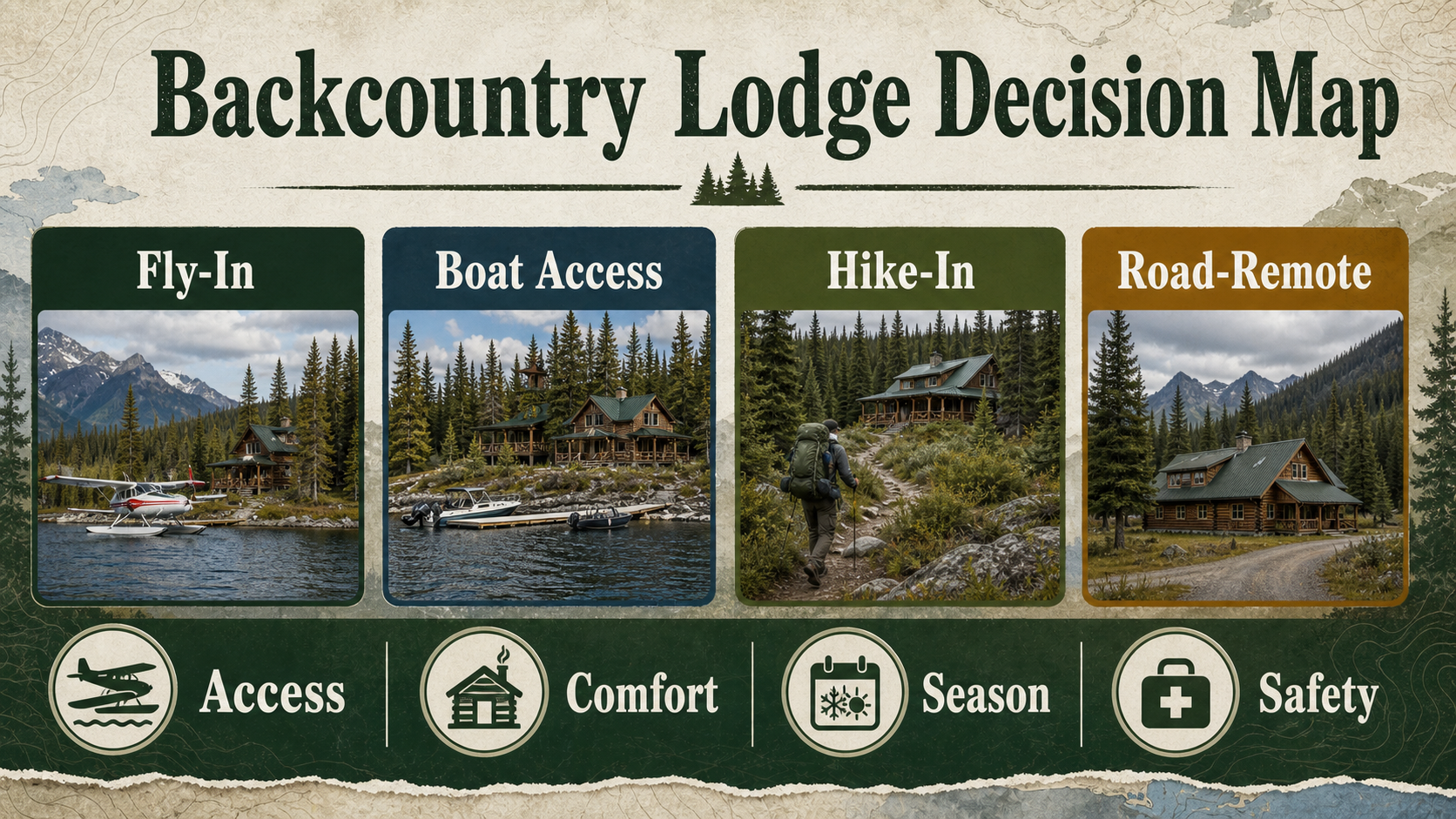
Backcountry Lodge Decision Map
What Counts as a Backcountry Lodge in Canada?
A backcountry lodge is not just a cabin with wood walls. In Canada, the term usually means a lodge where access is limited by geography, weather, water, trail, aircraft, or seasonal roads. Some are rustic and simple. Some are surprisingly comfortable. The common thread is that the lodge sits close to wilderness and far from everyday services.
That can mean a fly-in fishing lodge in northern Saskatchewan, a boat-access coastal lodge in British Columbia, a hike-in mountain lodge in Alberta, or a road-remote camp near a big river system. The right choice depends less on luxury language and more on how you will actually get there, what help is available, and what kind of trip you want.
| Lodge type | Best for | Main tradeoff | Ask before booking |
|---|---|---|---|
| Fly-in lodge | True remoteness, fishing, hunting, northern lakes | Weather can delay arrival or exit | What happens if the plane cannot fly? |
| Boat-access lodge | Coastal, island, lake, and river stays | Water conditions shape schedules | Are transfers included and weather-safe? |
| Hike-in lodge | Mountain walkers, skiers, hut-to-hut travellers | Fitness, pack weight, and trail conditions matter | What is the realistic approach time? |
| Road-remote lodge | First-timers and families who still want quiet | Less wild than fly-in country | Is the road seasonal, gravel, or high-clearance? |
The Guide’s Log: Remote Is a Feature, Not a Decoration
The mistake with rustic lodges is thinking the cabin is the product. It is not. The real product is the distance between you and everything that normally runs your day.
That distance can be magic. It can also expose weak planning fast. A lodge reached by floatplane feels different when fog sits on the lake. A boat-access cabin feels different when wind turns a short transfer into a slow crossing. A hike-in lodge feels different when your pack is too heavy and the afternoon storm arrives early.
Good backcountry lodges know this. They tell you what to bring, what they provide, what can go wrong, and how they handle weather, wildlife, fire, medical issues, and communication. Weak operators sell the view and skip the hard questions.
If you are new to this style of travel, choose a lodge that explains the practical details before the dream. The right rustic lodge should feel wild, but it should not feel careless.
Best Canadian Regions for Rustic and Backcountry Lodges
Canada has rustic lodges in almost every province, but the experience changes sharply by region. A coastal rainforest lodge, a northern fishing camp, and a mountain hut may all use the word “backcountry,” but they are not the same trip.
- British Columbia coast: boat-access wilderness, salmon and halibut trips, wildlife viewing, rain gear, tidal planning, and premium eco-lodge options.
- Canadian Rockies: hike-in, ski-in, and road-remote mountain lodges with big scenery, changing weather, and strong safety requirements.
- Northern Ontario: fly-in and drive-to fishing lodges, lake systems, canoe country, blackfly season, and strong family or angler options.
- Manitoba and Saskatchewan: remote lakes, trophy fishing, hunting packages, floatplanes, long daylight in summer, and serious shoulder-season weather.
- Yukon and Northwest Territories: deeper wilderness, northern lights potential, big distances, high cost, and a need for flexible travel plans.
- Quebec and Atlantic Canada: historic fishing lodges, river systems, coastal access, and classic cabin-style retreats.
If the trip is mostly angling, start with our Fishing Lodges in Canada guide. If you want remote access plus fishing or hunting, compare this page with our fly-in fishing and hunting lodges guide.
Rustic Does Not Always Mean Uncomfortable
“Rustic” can mean anything from a dry cabin with an outhouse to a remote lodge with chef-prepared meals, hot showers, guides, satellite communication, and a sauna. The label alone tells you very little.
| Comfort level | What it usually means | Best traveller fit |
|---|---|---|
| Basic cabin | Simple bunks, cook-your-own meals, shared facilities, limited power | Self-reliant anglers, paddlers, hunters, budget groups |
| Serviced rustic | Meals or partial meals, guides available, boats or activities included | First-time remote travellers, couples, families |
| Premium wilderness | High comfort, guided experiences, transfers, strong service, remote setting | Special occasions, wildlife trips, comfort-focused travellers |
The Local Secret
Ask What Happens on the Bad Weather Day
A great lodge can explain the bad-weather plan without sounding annoyed. Ask what guests do when planes are delayed, boats cannot run, trails are closed, smoke rolls in, or a medical issue appears. The answer tells you more than the sunset photos.
Best Seasons for Backcountry Lodge Trips
Season changes everything. Bugs, snow, wildfire smoke, water levels, fishing seasons, hunting seasons, road access, and daylight all shape the trip.
| Season | Best for | Watch out for |
|---|---|---|
| Late spring | Openers, quieter trips, birding, cold-water fishing | Blackflies, snowmelt, cold water, limited road access |
| Summer | Families, canoeing, fishing, wildlife, long days | Mosquitoes, peak prices, wildfire smoke, heat waves |
| Fall | Colours, fishing, hunting packages, cooler weather | Shorter days, storms, hunting-season safety, early snow |
| Winter | Northern lights, ski lodges, snowshoeing, quiet | Avalanche terrain, road closures, extreme cold, rescue complexity |
For winter trips, use official avalanche and local safety resources before treating a lodge as a basecamp. For fishing-focused stays, check provincial rules and seasons before you book travel dates.
Backcountry Lodge Safety Questions to Ask
Remote does not need to mean risky, but it does mean consequences are slower. A small mistake close to a town is different from the same mistake on a cold lake with no road access.
- How do guests communicate if cell service fails?
- Is there satellite communication, radio contact, or staff on site?
- What is the emergency evacuation plan?
- Are guides trained for first aid, boats, bears, cold water, or avalanche terrain where relevant?
- What wildlife safety rules apply around food, dogs, garbage, and trails?
- What happens if weather delays departure?
- Are transfers, boats, flights, permits, park passes, meals, and gear rentals included?
AdventureSmart’s “three Ts” framework is a useful baseline: trip planning, training, and taking essentials. Parks Canada also publishes safety and accommodation resources for visitors planning frontcountry and backcountry travel.
The Pre-Trip Protocol
Remote Lodge Booking Checklist
- Confirm access: road, boat, floatplane, helicopter, trail, or mixed transfer.
- Ask what is included: meals, guides, boats, fuel, transfers, linens, permits, tips, and taxes.
- Check communication: cell service, satellite device, radio, Wi-Fi, and emergency contacts.
- Plan weather delays: extra medication, flexible flights, and one buffer day after remote travel.
- Pack for the weakest forecast, not the best photo on the lodge website.
- Leave a trip plan with someone at home and follow the lodge’s check-in instructions.
What to Pack for Rustic and Backcountry Lodges
The lodge will usually give you a packing list. Follow it first. Then adapt for your season, activity, and access method. A fly-in lodge with strict baggage limits is different from a road-remote cabin where you can bring a cooler.
Affiliate gear picks
Backcountry Lodge Gear to Compare
CanadaFever may earn a commission if you buy through these links, at no extra cost to you. Use the lodge’s own packing list first, then compare support gear that fits the access method and season.
For broader outdoor packing, see our Canada outdoor planning tools. Anglers should also compare lodge trips against our all-inclusive fishing lodges, fishing and hunting packages with lodging, and British Columbia salmon lodge guides.
Guided Outdoor Experiences Around a Lodge Trip
Sponsored experience links
Add a Guided Nature Day Before or After the Lodge
Rustic lodges often sit far from major tour inventory, but many travellers add a guided wildlife, national park, or outdoor day before or after the remote portion of a Canada trip.
CanadaFever may earn a commission if you book through sponsored Viator links, at no extra cost to you. Tour availability does not guarantee lodge access, wildlife sightings, or safe backcountry conditions.
Booking Mistakes to Avoid
- Comparing nightly rates without transfers. A cheaper lodge can become expensive when flights, boat transfers, gear rentals, and meals are separate.
- Ignoring baggage limits. Floatplanes and boats often have strict weight rules.
- Assuming Wi-Fi or cell service. Some lodges deliberately offer little connection; others have emergency-only communication.
- Booking peak bug season by accident. Blackflies and mosquitoes are part of the Canadian wilderness calendar.
- Skipping cancellation language. Weather, smoke, road closures, fire restrictions, and aircraft delays can change plans.
Official and Planning Sources
Use lodge websites for exact inclusions, but use safety-first public sources for backcountry planning habits. Good remote travel starts before you arrive.
- AdventureSmart: the Three Ts of trip planning
- Parks Canada: visitor safety
- Parks Canada: accommodation options
- Avalanche Canada: winter backcountry conditions
FAQ
Are backcountry lodges in Canada safe?
They can be safe when the operator has clear access, communication, weather, wildlife, and emergency procedures. Remote travel still carries real risk, so ask how the lodge handles medical issues, delayed transfers, and no-cell-service situations.
What is the difference between rustic and luxury wilderness lodges?
Rustic lodges usually focus on simple comfort, access to nature, and practical services. Higher-end remote lodges add upgraded rooms, dining, guiding, spa-style amenities, or premium transfers. Both can be remote.
Do backcountry lodges have electricity?
Some do, some do not. Many remote lodges use generators, solar power, or limited charging stations. Ask before packing camera batteries, medical devices, satellite messengers, or CPAP equipment.
Are fly-in lodges worth it?
They can be worth it if your goal is remoteness, fishing, hunting, or a true wilderness setting. They are not ideal if you need flexible arrival times, low cost, or easy access to town services.
What should I ask before booking a rustic lodge?
Ask about access, transfers, meals, guide availability, emergency communication, cancellation rules, weather delays, wildlife safety, baggage limits, and what gear guests must bring.
Final Advice
The best rustic and backcountry lodges in Canada are not always the most polished. They are the ones that match your access tolerance, comfort needs, season, budget, and safety expectations.
Choose the lodge that explains the hard parts clearly. That is usually the place most prepared to deliver the quiet, remote, unforgettable Canada trip you actually came for.