
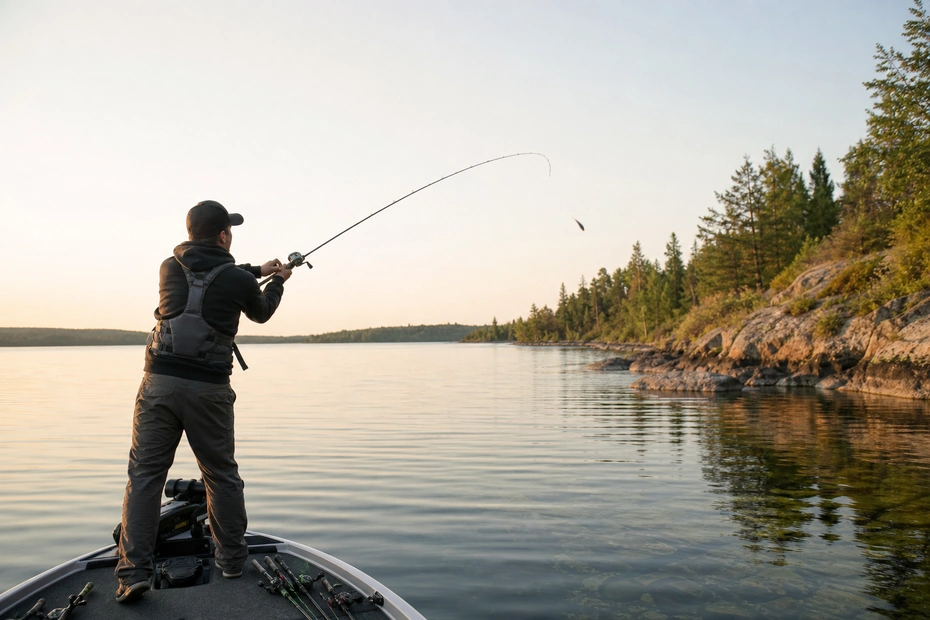
Swimbait Fishing for Trophy Bass: A Canadian Decision Guide
Plan swimbait fishing for larger Canadian bass by matching bait profile, retrieve depth, cover, line and follower response.
Most misses with Bass fishing techniques come from skipping structure scouting, overthinking equipment, or assuming one method fits all conditions. CanadaFever readers get the best results when Bass fishing techniques research is actionable: define one goal, then test line, tempo, and timing in small steps. A reliable plan for Bass fishing techniques balances confidence with flexibility, so you can fish smarter while staying compliant with local rules and conservation practices. Treat this topic as a decision framework, not a one-off fix, and each trip becomes better because your process is repeatable and evidence-based. Bass fishing techniques is a high-intent search topic on CanadaFever for anglers who want to improve results around species-specific conditions. When people ask about Bass fishing techniques, they are usually comparing behavior, movement, and seasonality before deciding on technique and gear. In Canada, this matters across lakes, rivers, and reservoirs because visibility, forage patterns, and pressure can vary quickly between regions. Use a clear workflow: confirm what is legal at the destination, check current access and weather context, then plan a practical setup for Bass fishing techniques.

Plan swimbait fishing for larger Canadian bass by matching bait profile, retrieve depth, cover, line and follower response.
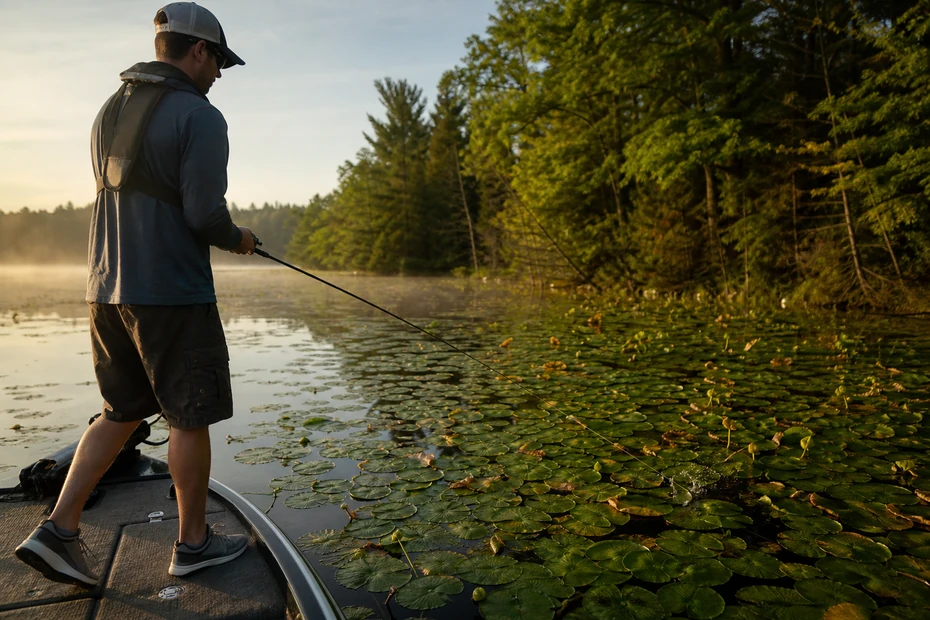
Fish a hollow-body frog through pads and matted cover with better target selection, cadence, hookset timing and Canadian bass-rule checks.
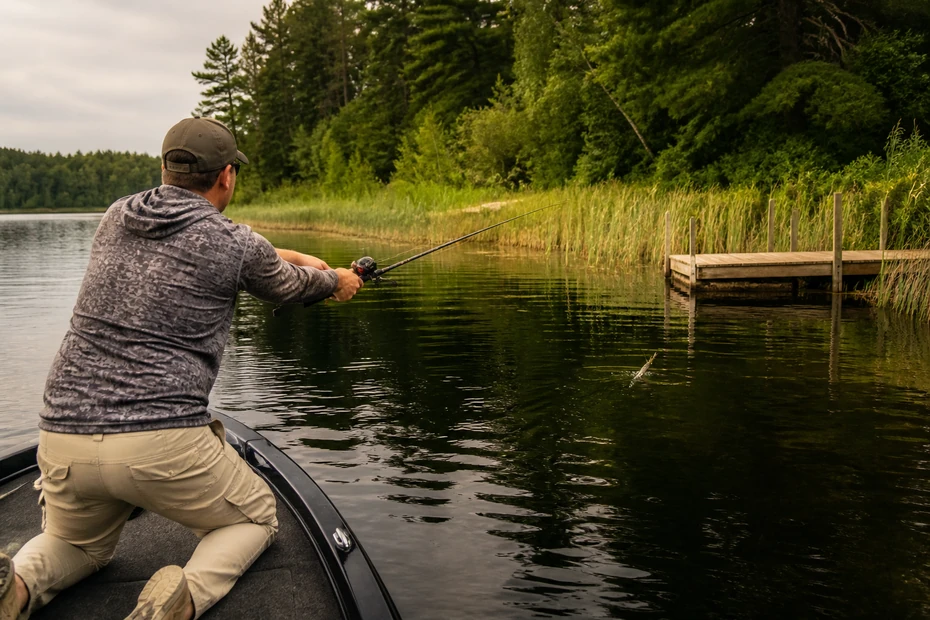
Improve flipping and pitching accuracy for Canadian largemouth bass with a practical target map, entry-angle system and cover-safe tackle plan.
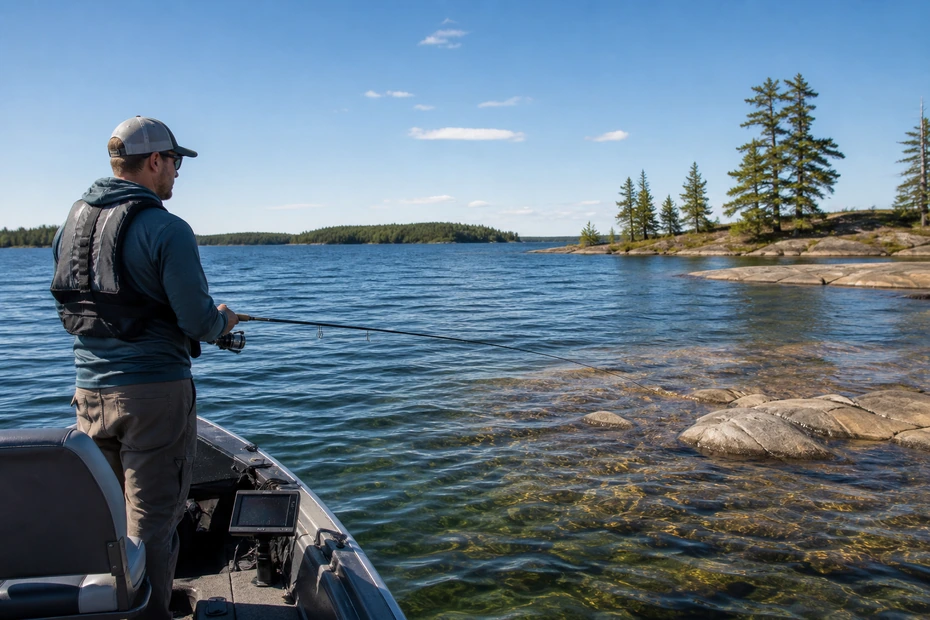
Set up and fish a Carolina rig for bass with practical leader, sinker, bottom-feel and structure decisions for Canadian lakes.