
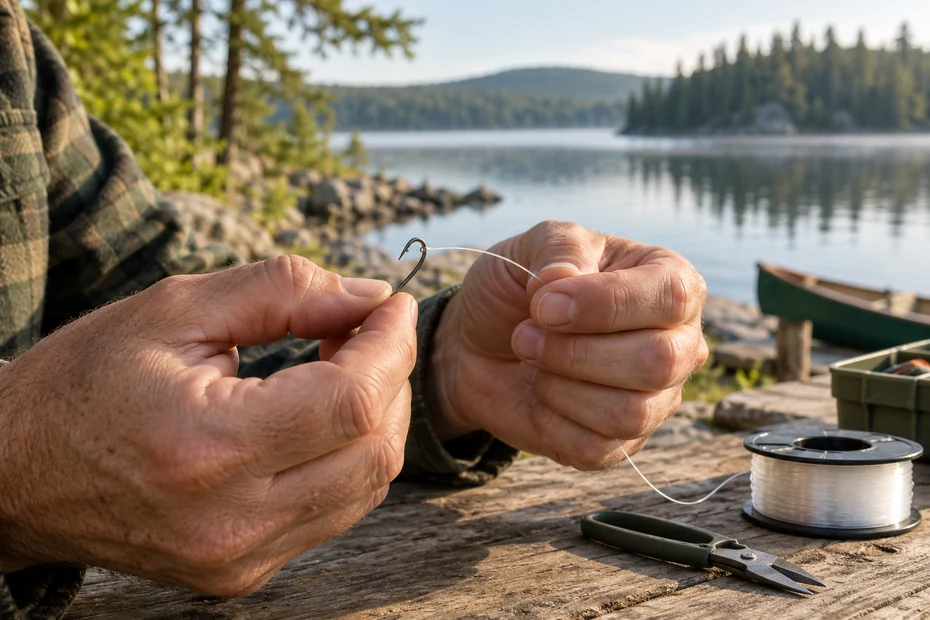
How to Tie a Fishing Hook: Palomar, Clinch and Uni Steps
Learn how to tie a fishing hook with Palomar, Improved Clinch and Uni steps, choose by line material, spot mistakes and pull-test safely.
Most errors with Fishing Knot Techniques come from changing too many variables at once, which makes the real signal impossible to identify. A solid approach balances patience with decisiveness, giving fish a clear cue while preserving energy for the next run. Technique around Fishing Knot Techniques is a chain: preparation, presentation, hook-set timing, and fish-safe handling all matter for final outcome. Use Fishing Knot Techniques-driven practice sessions to build confidence, then scale the same method to family days, guided trips, and solo field days. Fishing Knot Techniques is often a technique question, and the most useful answer is usually about timing and execution, not premium marketing language. If your goal is consistency, Fishing Knot Techniques should be approached with a repeatable sequence: assess conditions, make a controlled test pass, then adjust rhythm one variable at a time. In Canada, technique changes quickly with light, clarity, and wind, so a static pattern for Fishing Knot Techniques can fail when conditions change. CanadaFever readers benefit by treating Fishing Knot Techniques like an experiment and recording what changed, what worked, and what should not be repeated.

Learn how to tie a fishing hook with Palomar, Improved Clinch and Uni steps, choose by line material, spot mistakes and pull-test safely.
Learn how to create your own fishing knot practice board with simple materials. Master essential fishing knots safely at home before hitting the water for… Read More »5 Steps to a Perfect DIY Fishing Knot Practice Board
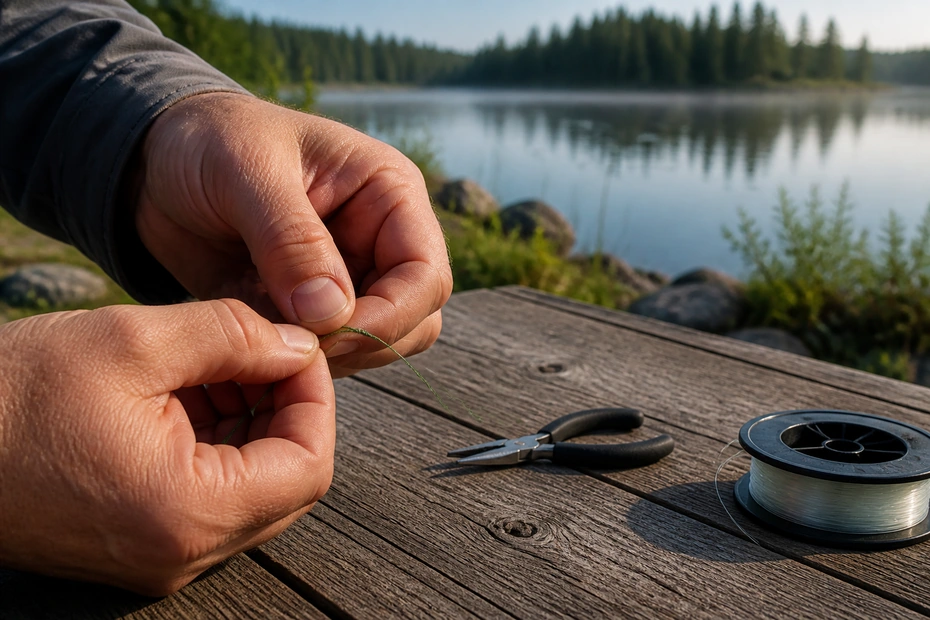
Improve advanced fishing knot tying by matching the knot to line and hardware, seating it correctly and testing every connection before fishing.