
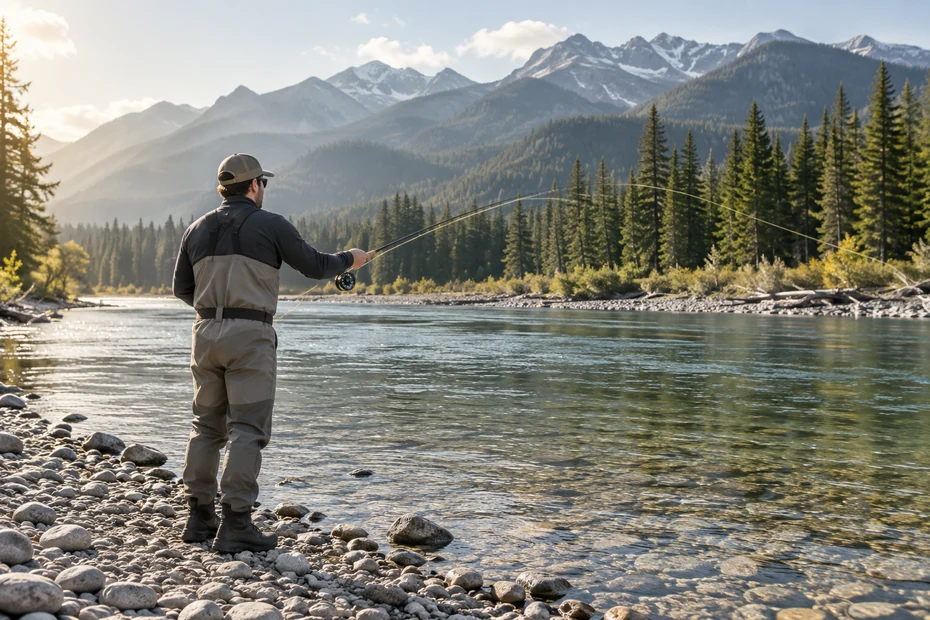
Fly Fishing Techniques: Casting, Drifting and a First-Session Plan
Learn fly fishing techniques with short casting drills, roll casts, current reading, mending and dry-fly, nymph and streamer presentations.
Most errors with Fly Casting Techniques come from changing too many variables at once, which makes the real signal impossible to identify. A solid approach balances patience with decisiveness, giving fish a clear cue while preserving energy for the next run. Technique around Fly Casting Techniques is a chain: preparation, presentation, hook-set timing, and fish-safe handling all matter for final outcome. Use Fly Casting Techniques-driven practice sessions to build confidence, then scale the same method to family days, guided trips, and solo field days. Fly Casting Techniques is often a technique question, and the most useful answer is usually about timing and execution, not premium marketing language. If your goal is consistency, Fly Casting Techniques should be approached with a repeatable sequence: assess conditions, make a controlled test pass, then adjust rhythm one variable at a time. In Canada, technique changes quickly with light, clarity, and wind, so a static pattern for Fly Casting Techniques can fail when conditions change. CanadaFever readers benefit by treating Fly Casting Techniques like an experiment and recording what changed, what worked, and what should not be repeated.

Learn fly fishing techniques with short casting drills, roll casts, current reading, mending and dry-fly, nymph and streamer presentations.
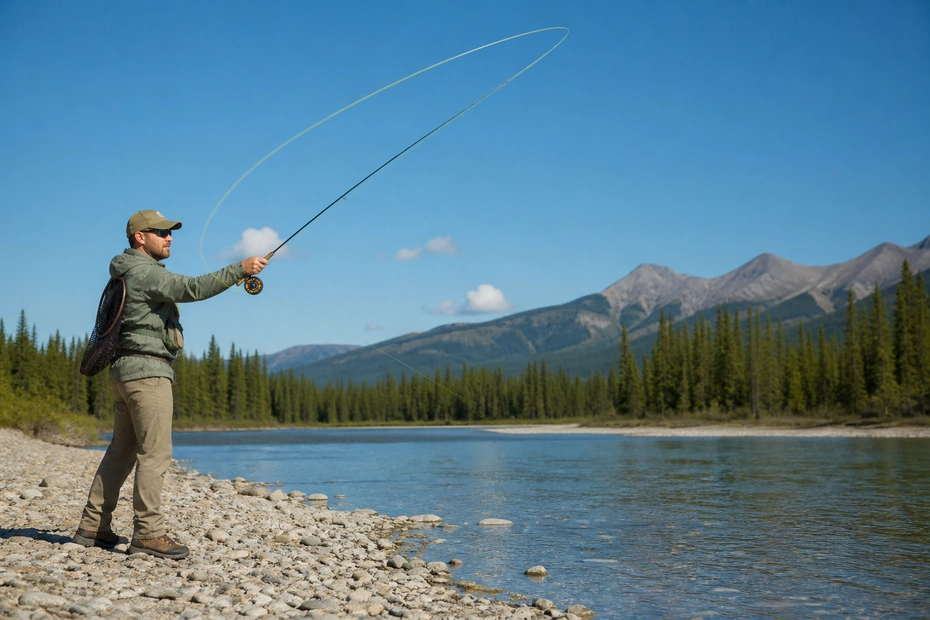
Learn how to fly fish in Canada with a simple first setup, casting practice, fly-selection logic, safe wading and current licence checks.
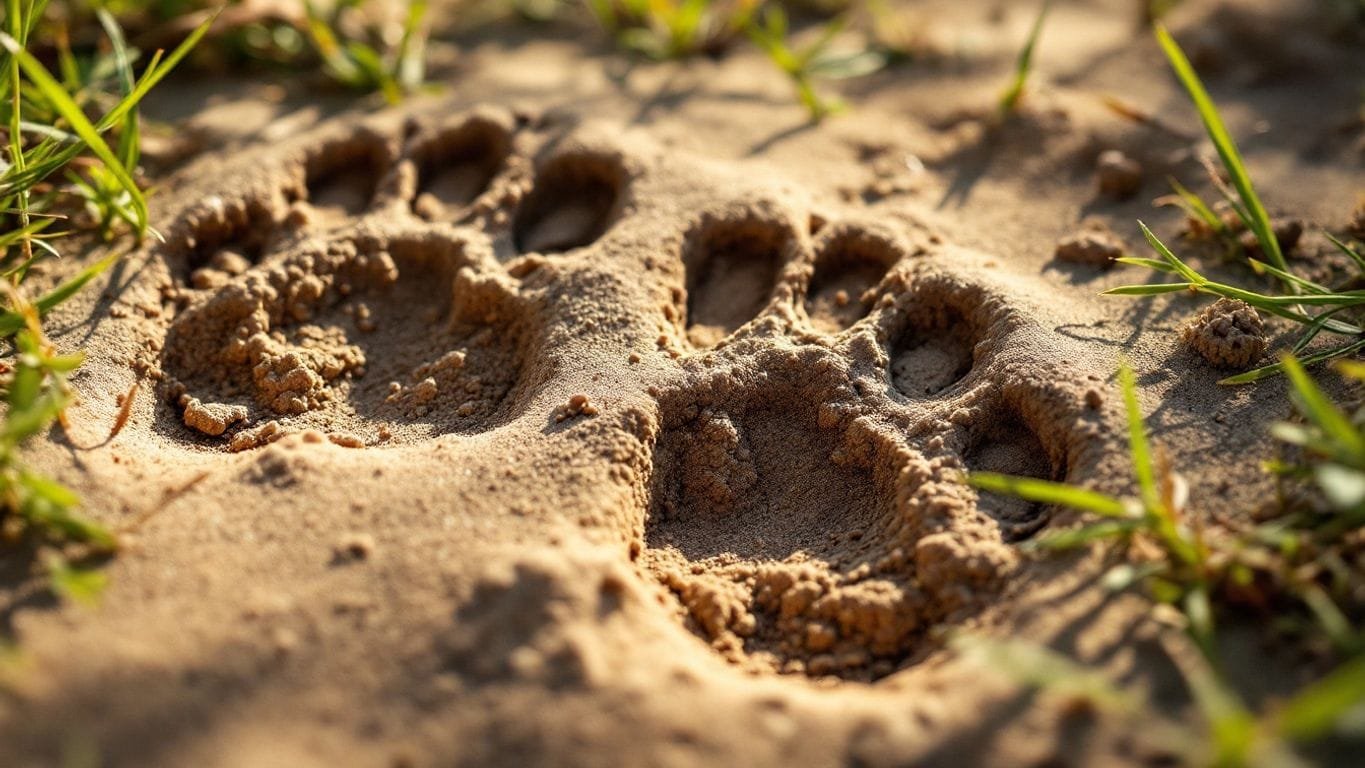
Learn essential techniques for aging animal tracks and improve your wildlife tracking skills in the great outdoors.