

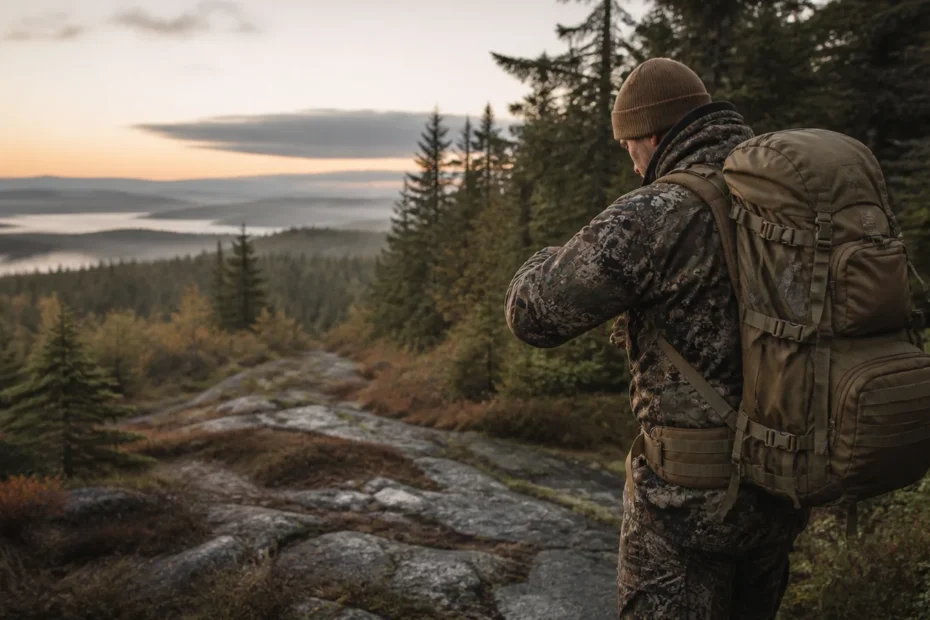
Compare the best hunting backpacks in Canada by fit, capacity, weather protection and load hauling for day hunts, overnights and pack-outs.
- Choose torso and hip-belt fit before colour or pocket count.
- Use 20–35 L as a practical day-hunt direction; longer trips require a deliberate food, insulation and shelter inventory.
- A true load-hauling frame matters when the pack may carry meat, water or a cold-weather camp.
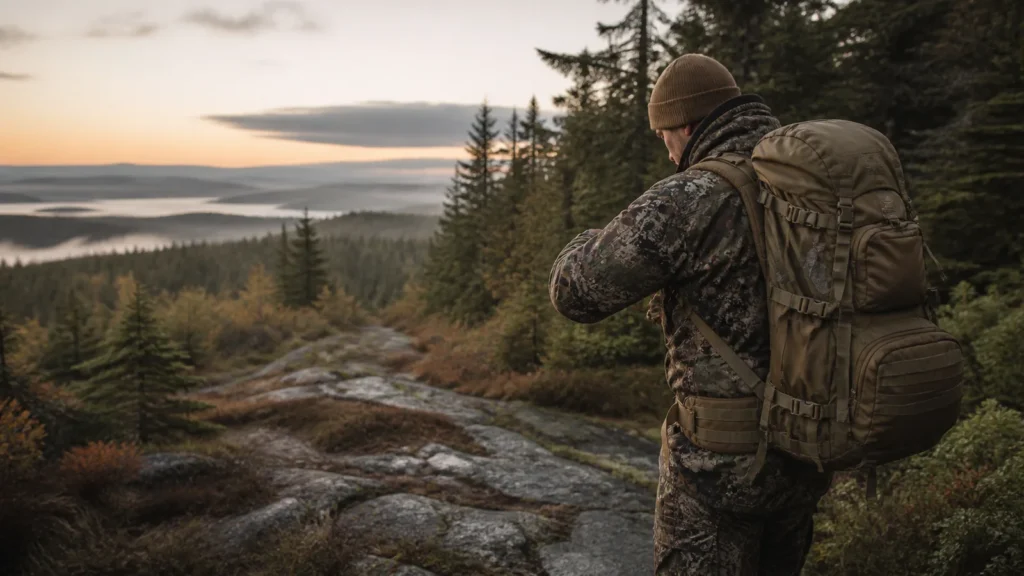
The best hunting backpacks Canada hunters can buy are the packs that fit their torso, stabilize the expected load and match the length of the hunt. A tidy 25-litre daypack may be more useful than an oversized expedition bag for a tree-stand morning, while a structured frame and load shelf become decisive when meat or camp must move over rough ground.
This guide compares pack formats by real use case—not by marketing volume alone. It covers capacity, suspension, access, weather strategy and the questions to answer before trusting a pack beyond the trailhead.
Best Hunting Backpacks Canada: Quick Picks by Hunt
If you are rebuilding a full kit, start with the Canada hunting gear guide, then coordinate the pack with hunting base layers and waterproof hunting boots.
| Use case | Pack direction | Non-negotiable | Main mistake |
|---|---|---|---|
| Tree stand or short day hunt | 20–30 L quiet daypack | Stable fit and external layer carry | Buying excess volume that snags and shifts |
| Mobile full-day hunt | 30–45 L framed or semi-framed pack | Hip belt, hydration and quick access | Judging comfort while the pack is empty |
| Backcountry overnight | 45–65 L structured pack | Torso sizing and cold-weather volume | Using summer capacity for late-season insulation |
| Meat-hauling priority | Frame with load shelf | Compression and washable separation | Treating stated capacity as load comfort |
| Wet coastal or northern trip | Pack plus liner and dry bags | Protected insulation and electronics | Trusting a rain cover as waterproof storage |
How We Researched and Compared These Hunting Backpacks
This is a research-based buying guide, not a claim that CanadaFever carried every pack through a full hunting season. We verified the current product listings, compared published capacity and construction details, and then judged each design against five practical decisions: torso fit, load transfer, trip length, weather protection and clean separation for a possible pack-out.
Capacity alone did not determine the order. A 40 L pack that rides close to the body can be easier to manage than a poorly fitted 25 L pack, while a genuine frame and supportive belt matter more than pocket count once the load becomes dense. We also treated weapon or bow attachment points as transport features—not proof that the system will remain stable with every setup.
What the shortlist can and cannot tell you
Published specifications can identify volume, fabric, included covers and intended carry features. They cannot predict whether a hip belt matches your pelvis, whether a shoulder harness rubs under late-season clothing or whether a pack feels quiet in your exact temperature and brush. Those questions require an at-home loaded fitting and, ideally, a return policy that permits a careful indoor trial.

CanadaFever fit-first pick
TIDEWE 25L Hunting Backpack
A compact day-hunt direction for hunters who need organized carry, an included rain cover and attachment points without moving into an expedition-size pack.
- Listed as a 25 L daypack with 600D fabric
- Bow and tree-stand carry features are shown in the listing
- Best when the normal load stays light and compact
Confirm the exact model, size and Canadian availability before ordering.
Three Backpack Directions, With Clear Trade-offs
TIDEWE 25L: compact day-hunt organization
The TIDEWE 25L is the most straightforward direction for a hunter whose normal load is water, food, navigation, first aid, optics, a compact field kit and one removable layer. Its appeal is controlled volume: the pack is less likely to become a storage locker full of gear that never leaves the vehicle.
The limitation is also volume. Bulky insulation, a large spotting setup or any meaningful pack-out plan can overwhelm a compact daypack quickly. Treat the included rain cover and external attachment features as useful conveniences, then independently protect electronics and insulation inside dry bags.
Extremus Timber Trail 40L: more room for mobile days
A 40 L format creates space for colder conditions, a longer day and more deliberate external carry. It suits buyers who regularly remove a puffy layer while climbing, carry additional water or need room for a compact emergency bivy. The supportive belt and hydration-compatible layout are more relevant than the nominal litre figure.
More room can create sway when the pack is half empty. Compress the load, keep dense items close to the spine and test whether the rifle, bow or climbing-stick attachment interferes with normal arm swing. A feature is only useful if it remains secure without forcing an awkward gait.
Badlands ATX: structured load-hauling direction
The ATX is the deliberate choice when suspension and load support take priority over minimum empty weight. That makes sense for hunters building around a structured carry system rather than a simple day bag.
Do not buy that structure without fitting it. Confirm torso range, belt coverage, frame contact and the way the pack separates a dense load from clean equipment. Premium construction cannot correct a frame that is too long, a belt that bottoms out or a load shelf that is difficult to clean.
How to Choose Capacity Without Overbuying
Capacity is only useful when it corresponds to an inventory. Lay out water, food, first aid, navigation, optics, extra insulation, field-dressing items and the layers you expect to remove while moving. Then add space for the trip-specific load.
A larger pack invites unnecessary gear and places weight farther from the back. A pack that is too small forces soft items onto the outside, where rain, brush and noise become problems. For broader preparation, connect the choice to our hunting safety checklist and hunting in Canada hub.
Fit: torso first, belt second, straps third
The hip belt should wrap the iliac crest and carry most of a heavy load without sliding. Shoulder straps should contact smoothly without a gap, while load lifters draw the upper pack toward the body rather than crushing the shoulders. Follow the maker’s sizing method; clothing bulk can change the result.
Frame, load shelf and access
Internal frames keep weight close and suit mobile hunting. External-style frames and dedicated load shelves make it easier to separate a heavy, messy load from clean equipment. Panel access speeds organization; roll-top or simple top-loading designs reduce openings and potential failure points.
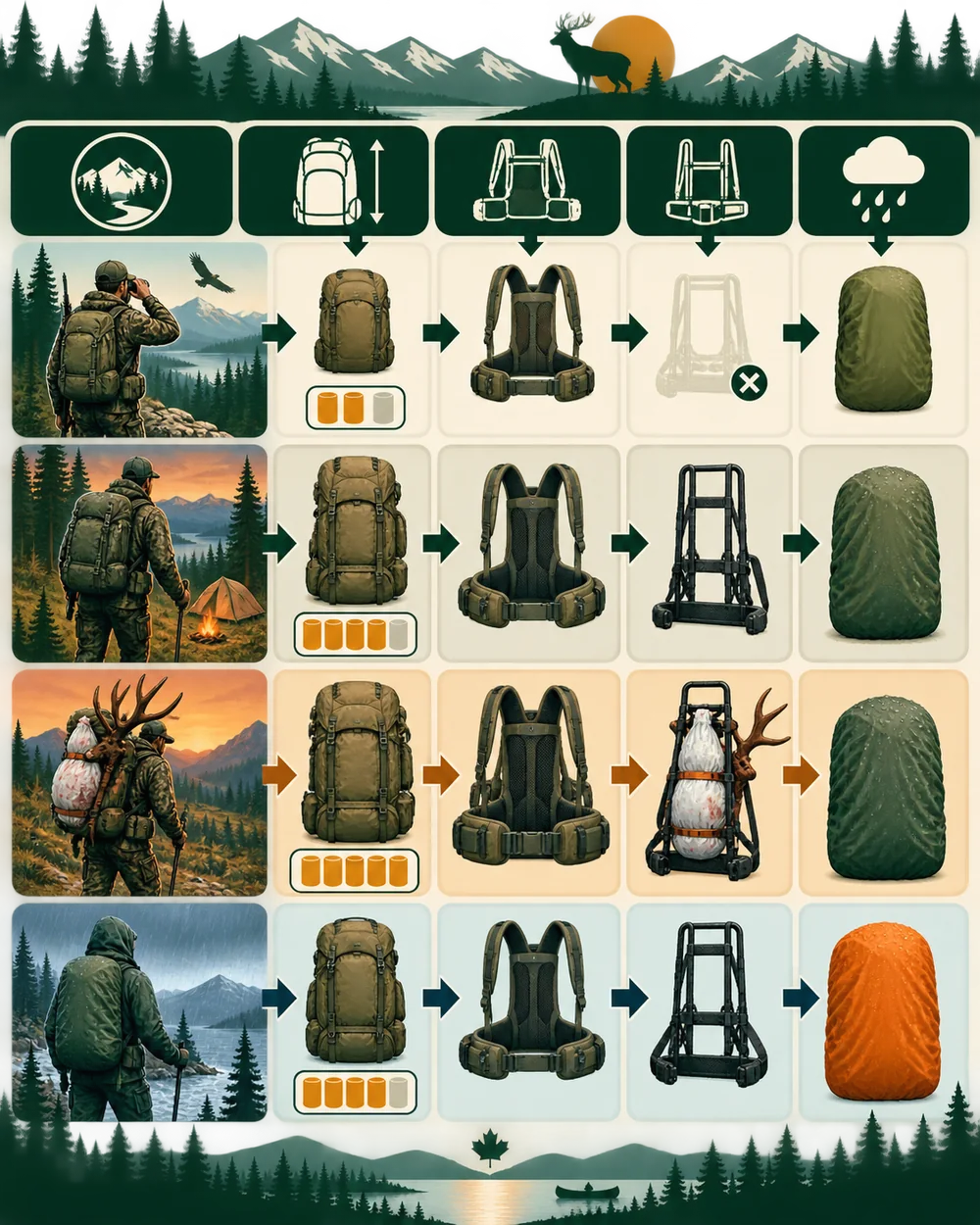
Weather, Noise and Pack-Out Hygiene
Canadian conditions can move from wet brush to freezing wind in one day. Use a waterproof liner or individual dry bags for insulation, ignition, electronics and documents. A cover helps shed rain but cannot seal the harness side, openings or water pushed through wet vegetation.
| Feature | Worth paying for when… | Check before purchase |
|---|---|---|
| Structured suspension | Loads may become genuinely heavy | Torso range, belt wrap and frame height |
| Load shelf | Meat or bulky items may be carried | Separation, compression and cleaning access |
| Quiet face fabric | Close-range movement is normal | Noise under branch contact and in cold weather |
| Hydration routing | You drink while moving | Freeze strategy and hose placement |
| Rain cover | Frequent rain is expected | Coverage with gear strapped outside |
Pack-out planning is a food-safety and ethics issue as well as a carrying problem. Know the legal transport and evidence requirements in the province or territory, keep meat clean, and cool it promptly. Check the current jurisdiction rules rather than relying on a generic gear article.
What we would not buy
- A one-size pack with no usable torso adjustment for a heavy load.
- A complex pocket layout that cannot be operated with gloves.
- A meat-hauling claim without clear compression and clean separation.
- A waterproof claim used as a substitute for dry bags.
Pair the final load with the visibility and communications choices in our hunter safety overview and the optics workflow in best hunting binoculars Canada.
Build a Load Plan Before You Buy
Start with three piles: always-carried safety gear, hunt-specific equipment and layers that may come off while moving. Weigh each pile if possible. Water, optics and dense food should sit close to the back and near the vertical centre of the pack; soft, light items can fill the outside zones without pulling the load away from the body. Parks Canada’s current hike-preparation guidance reinforces the same planning principle: conditions and route should determine the safety equipment and packing list.
Run a realistic loaded-fit sequence
- Adjust torso length and belt position while wearing the season’s base and outer layers.
- Load the pack with the expected weight, using water containers rather than soft pillows.
- Walk stairs, step over a bench, kneel, turn and reach as you would around deadfall or a stand.
- Check for belt slip, shoulder gaps, frame pressure, top-heavy sway and blocked pockets.
- Repeat with one outer layer removed, because a fit that works over a heavy jacket may loosen during the warm walk out.
Cold, rain and pack-out separation
Canadian shoulder seasons expose a pack to wet snow, frozen zippers, alder, conifer needles and repeated temperature changes between vehicle and field. Keep a dry base layer, fire-starting supplies, batteries and documents in separate waterproof bags even when the pack includes a cover. A cover protects the exposed shell but not the harness side or every seam.
If a pack may carry meat, plan washable separation before the hunt. Use the frame or load shelf only as intended, keep sharp edges away from fabric and clean all contaminated surfaces promptly. This article provides general planning guidance; follow the pack maker’s load limits and current provincial or territorial rules for handling and transporting game.
When a smaller pack is the better buy
Choose less volume when the hunt is short, the route is close to the vehicle and the required safety inventory fits without strapping soft gear outside. Choose more structure when the load may become heavy, awkward or far from help. The right answer is the smallest system that safely carries the complete plan—not the largest pack that looks expedition-ready.
Alternatives for different use cases
These are not interchangeable. Choose the format that solves your transport, weather or capacity problem.
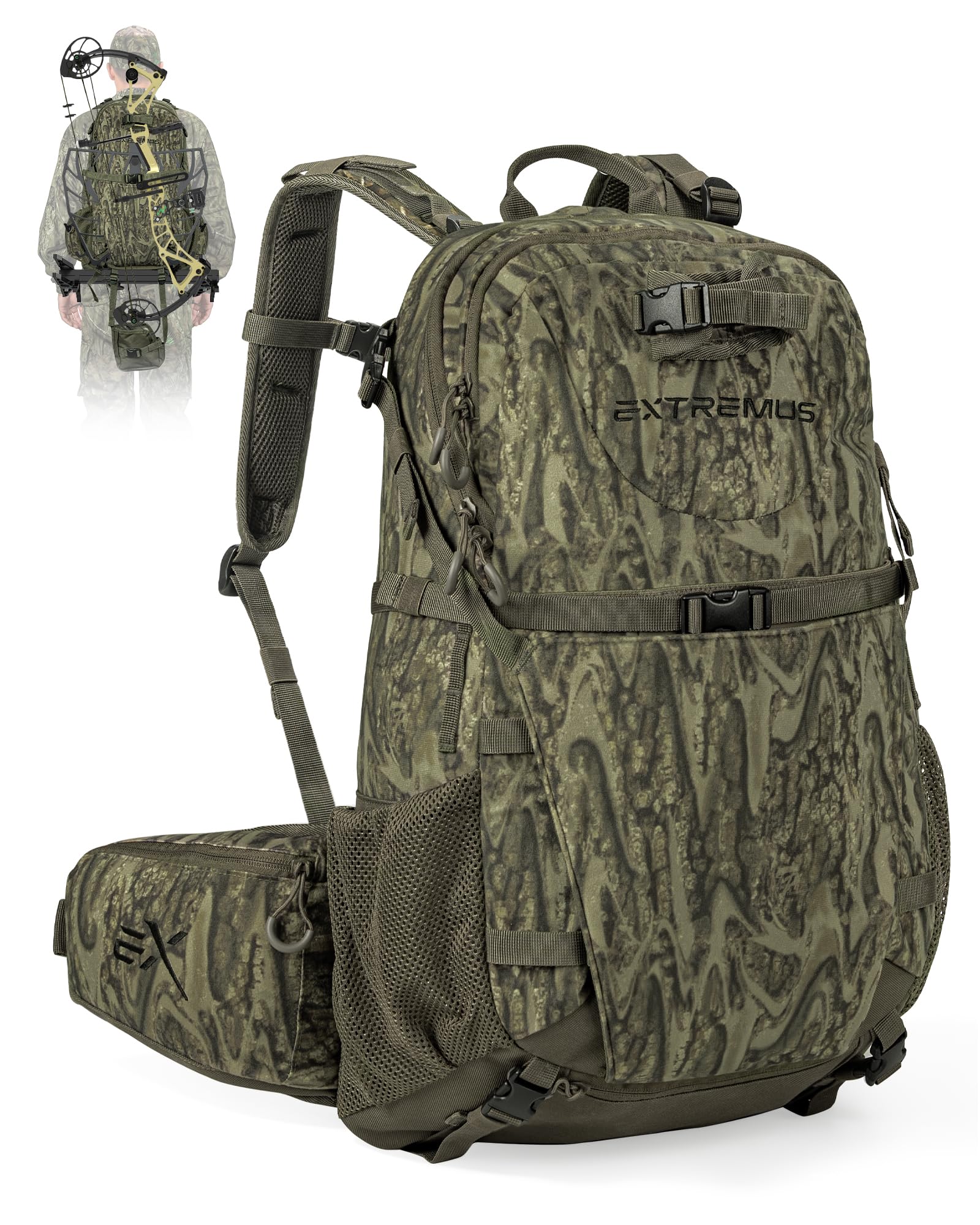
Extremus Timber Trail 40L
A larger organized option listed with a supportive belt, rain cover, hydration compatibility and hunting-specific external carry.
- 40 L capacity suits long days or restrained overnights
- Listing highlights rifle, climbing-stick and tree-stand carry
- Check torso fit and load stability before remote use
Confirm the exact model, size and Canadian availability before ordering.
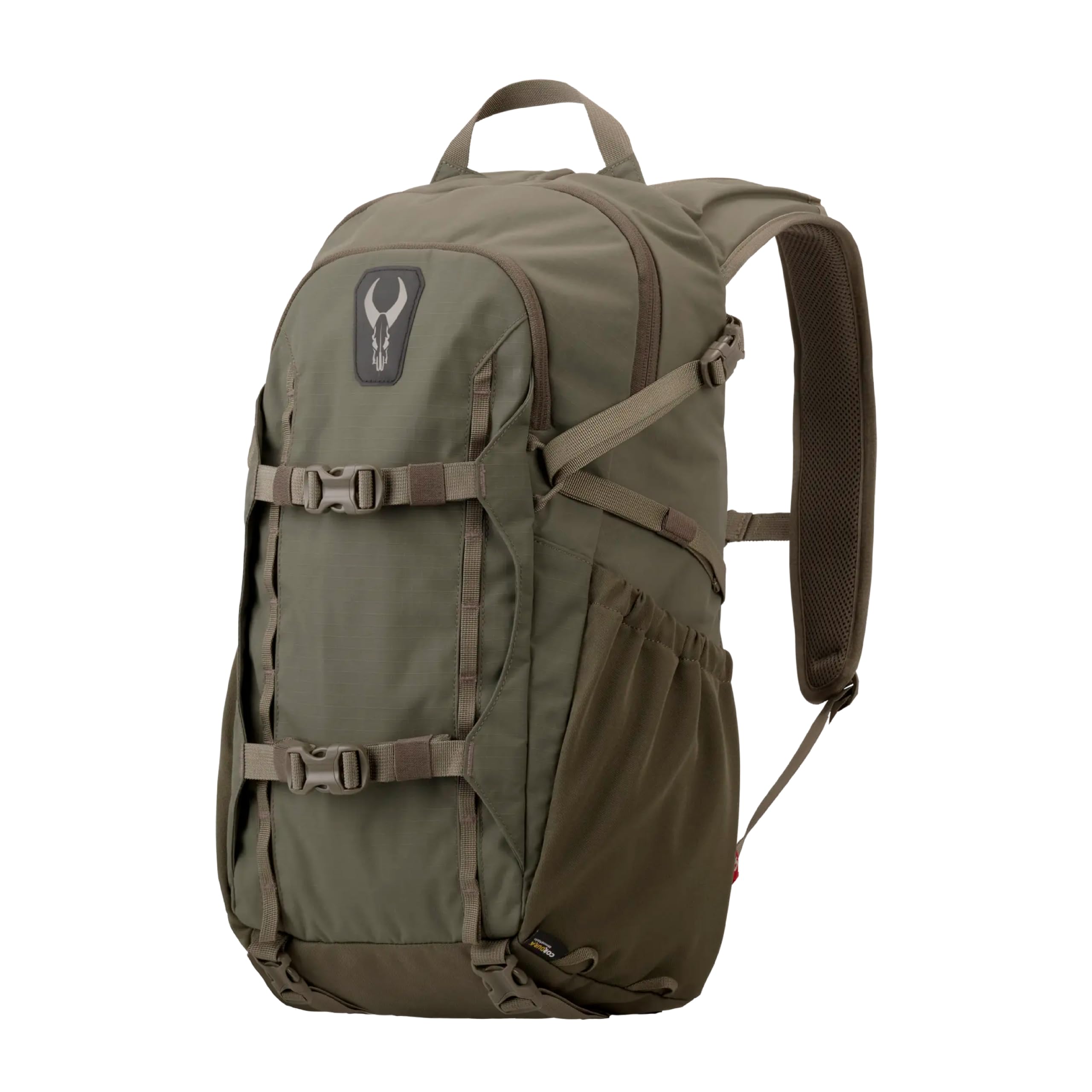
Badlands ATX Hunting Pack
A premium load-support direction for buyers prioritizing a structured suspension and weather-resistant construction over minimum weight.
- Structured suspension is the main reason to shortlist it
- Better suited to deliberate load-hauling than casual day carry
- Verify frame, torso and belt fit with the intended load
Confirm the exact model, size and Canadian availability before ordering.
Compare more best hunting backpacks Canada options on Amazon.com →
Listings, configurations and availability can change. Review the current seller page before purchase.
best hunting backpacks Canada: Frequently Asked Questions
What size hunting backpack is best for a day hunt?
A 20–35 L pack is a useful starting range for many day hunts, but cold-weather layers, water and safety gear should determine the final volume.
Do I need a frame for a hunting backpack?
Not for every light day load. A structured frame becomes far more important when meat, water or overnight gear may create a heavy, unstable load.
Is a rain cover enough to waterproof a pack?
No. It reduces exposure but leaves openings and the harness side vulnerable. Put insulation, electronics and documents in waterproof liners or dry bags.
How should a hunting backpack fit?
The belt should support the load at the hips, the shoulder straps should contact smoothly, and the load lifters should draw the pack inward without creating pressure.
Can one backpack handle both day hunts and overnights?
Sometimes, if it compresses well and has enough cold-weather volume. A large pack is not automatically comfortable or efficient for short hunts.
Bottom line: Buy the pack whose suspension fits your body under the heaviest realistic load. Capacity, camo and pockets are secondary to stable carry, weather strategy and a safe pack-out plan.