

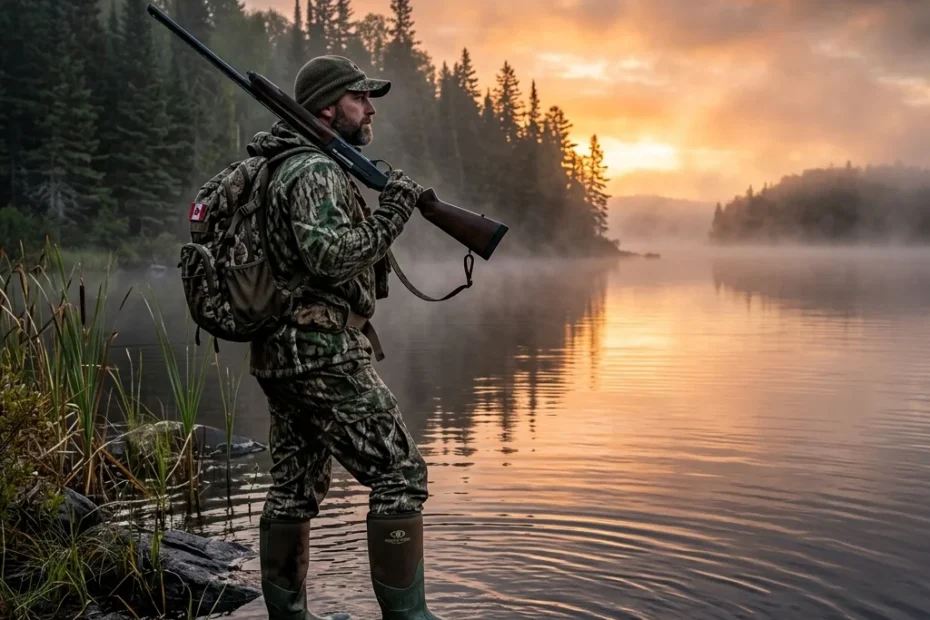
Top waterproof hunting boots for Canadian conditions reviewed. Compare rubber vs leather, insulation weights, and find the perfect boot for cold and wet hunts.
- Plan Waterproof Boots for Hunting in Canada around legal seasons, land access, firearm or bow rules, and current provincial or federal requirements
- Scout habitat, weather, travel routes, and animal movement before you commit to a field setup
- Keep safety, identification, permission, and retrieval plans clear before the hunt starts
Bottom line Waterproof Boots for Hunting in Canada works best when legality, scouting, and safety are settled before tactics or gear choices
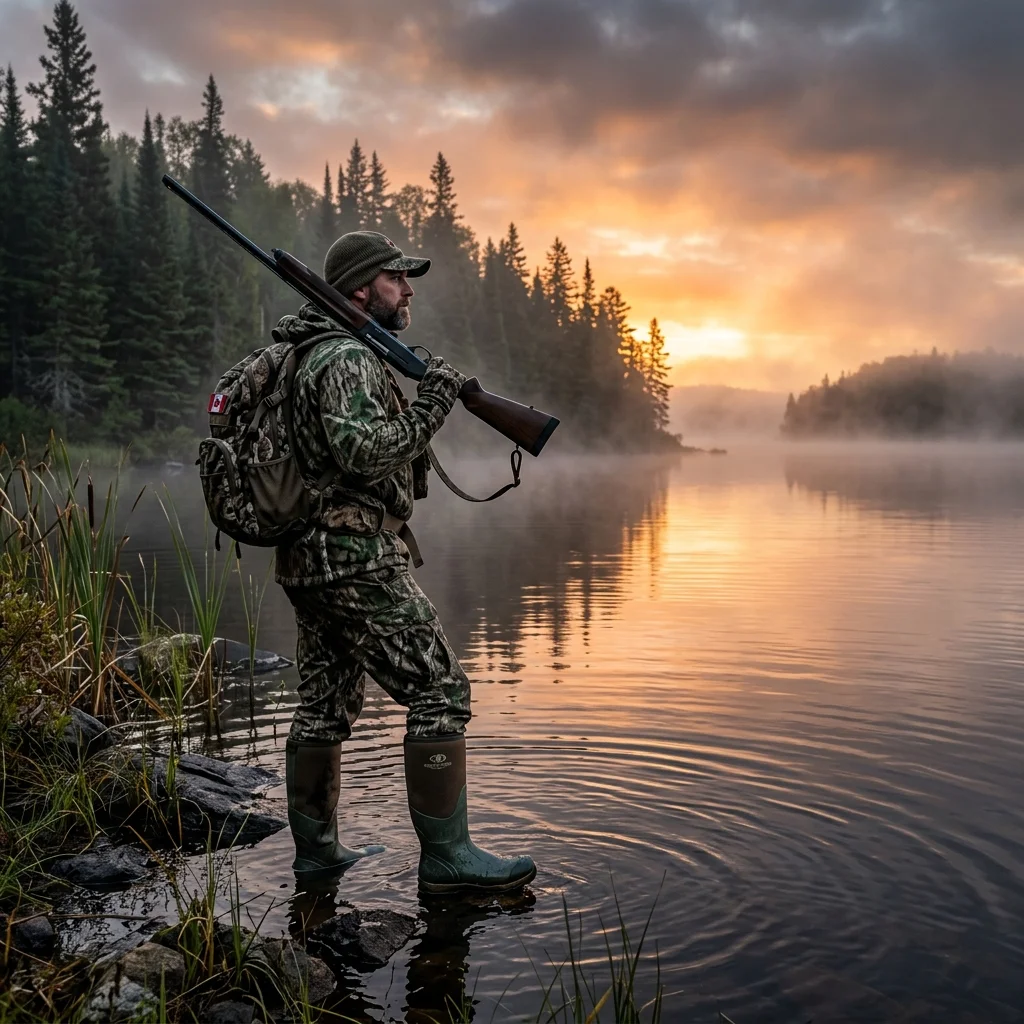
When you’re chasing game through the Canadian wilderness, your boots are the single most important piece of gear you wear. Whether you are tracking moose through the waterlogged peat bogs of Northern Ontario, stalking elk in the rocky foothills of Alberta, or sitting in a freezing tree stand in Saskatchewan, cold, wet feet will end your hunt faster than any gear failure.
The challenge is that “waterproof” means very different things depending on the terrain. A boot designed for hiking rocky alpine trails is not what you want when wading through shin-deep muskeg. To help you choose the right footwear, we have reviewed the top four hunting boots used by Canadian hunters, categorizing them by insulation, terrain, and budget.
⚡ Key Takeaways
- Rubber vs. Leather: Rubber is 100% waterproof and scent-proof, making it essential for wetlands and swamps. Leather/nylon hybrids offer better ankle support and breathability for active mountain or forest hunts.
- Insulation Weights: Early season (above 5°C) requires non-insulated boots. Mid-season (0°C to 10°C) is best with 400g to 800g of Thinsulate or neoprene. Late season (below 0°C) requires 800g to 1600g+ or thick pac boots.
- Fit for Socks: Always buy hunting boots half a size larger than your street shoe size to accommodate thick merino wool socks and allow air circulation, which prevents cold feet.
The Guide’s Log
My first late-season moose hunt in northern Ontario, I wore a pair of “highly rated” leather hiking boots that claimed to be waterproof. Six hours in, after crossing a flooded muskeg bog, the leather sat saturated. The temperature dropped to -6°C that evening, and the water in the leather froze solid.
By the time we got back to camp, my toes were white and numb. It took three hours near the wood stove to get feeling back. The next day, I borrowed a pair of 18-inch vulcanized rubber pac boots from our guide. Even when wading through freezing muck, my feet stayed dry and warm.
In Canada, “almost waterproof” is a safety hazard. Understand your terrain and get the right boot for the job.
Canadian Hunting Boot Selector & Insulation Calculator
Use our interactive calculator below to determine the best boot height, insulation weight, and specific model for your upcoming hunt based on temperature, terrain, and activity level.
📊 Recommended Boot Specifications
400g – 800g Thinsulate
8″ to 10″
Leather / Nylon Hybrid
Waterproof Hunting Boots Comparison Table
Below is a summary of the four top-rated waterproof hunting boots for Canadian conditions, comparing their waterproofing, optimal temperatures, and best hunting environments.
| Model | Waterproofing | Optimal Season | Primary Material | Height |
|---|---|---|---|---|
| Danner Pronghorn 8" | GORE-TEX Membrane | Early to Mid Season | Oiled Nubuck Leather | 8 inches |
| Muck Boot Arctic Sport | 100% Waterproof Rubber | Late to Extreme Cold | Rubber & 5mm Neoprene | 17 inches |
| LaCrosse Alphaburly Pro | 100% Waterproof Rubber | Mid to Late Season | Natural Rubber & Neoprene | 18 inches |
| Columbia Newton Ridge II | Omni-Tech Membrane | Early Season / Light Wet | PU-Coated Leather & Suede | 5.25 inches |
Detailed Reviews: The 4 Best Waterproof Hunting Boots
1. Best Overall Leather/Nylon: Danner Pronghorn 8" GORE-TEX
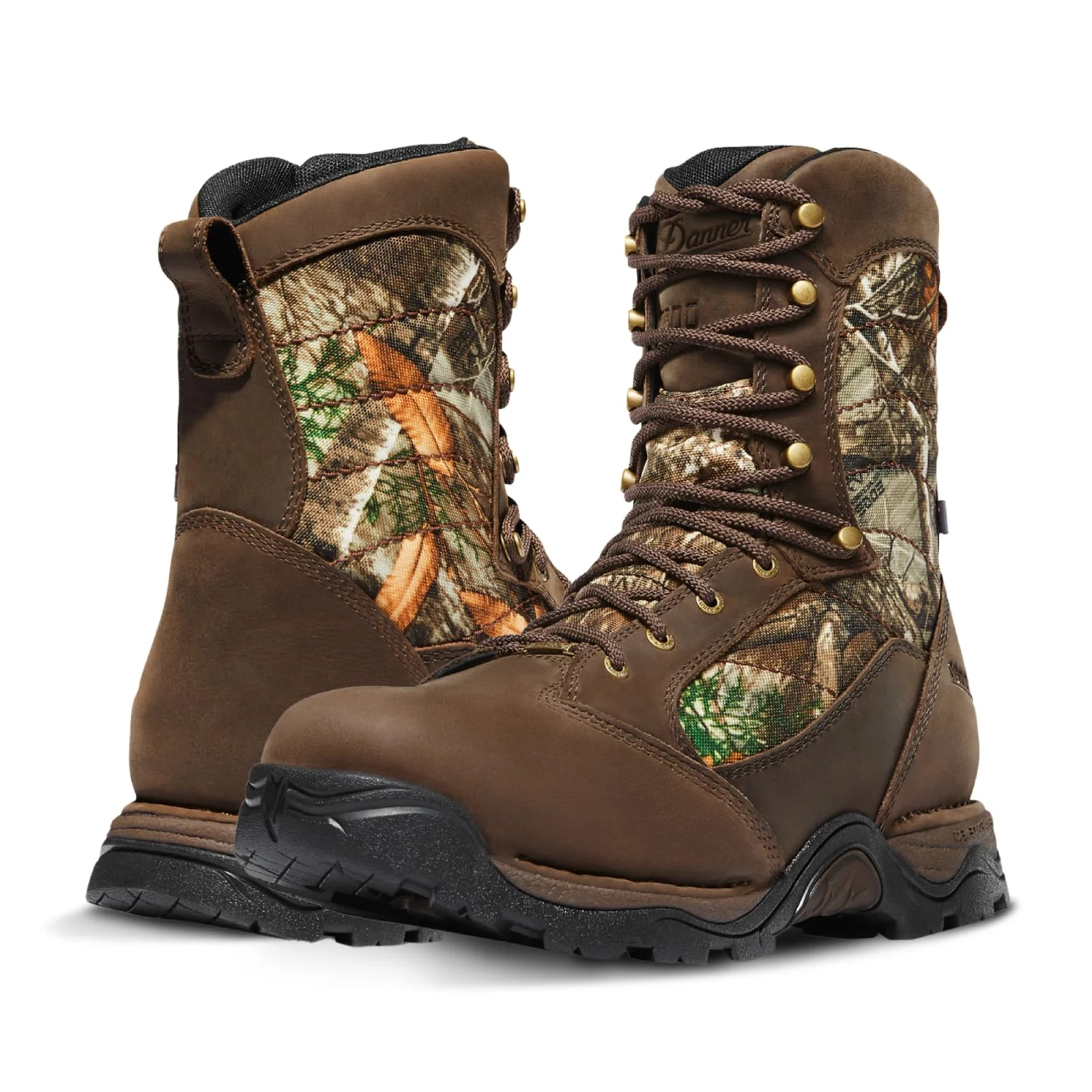
For active hunters hiking over miles of mixed brush, forested ridges, and rocky slopes, the **Danner Pronghorn** remains the industry gold standard. Now in its fifth generation, Danner has built this boot on their TERRA FORCE® NEXT™ platform, providing the lateral support and stability of a mountain boot with the lightweight feel of a premium hiker.
The waterproofing is handled by a 100% waterproof and breathable GORE-TEX liner. Even in heavy morning dew or crossing shallow creeks, the boots stay completely dry inside while allowing sweat vapor to escape. The Vibram® SPE midsole offers exceptional rebound and cushioning, helping to prevent foot soreness on long stalks. Make sure to pair these with high-quality essential hunting gear for late-season warmth.
- Shaft Height: 8 inches
- Optimal Temperature: 5°C to 15°C (non-insulated)
- Pros: Exceptional support, breathable GORE-TEX, lightweight, durable Vibram outsole
- Cons: Saturated leather becomes heavy; not suitable for deep swamps
Danner Pronghorn 8" GORE-TEX Hunting Boot
Affiliate Disclaimer: As an Amazon Associate, CanadaFever earns from qualifying purchases. This helps support our Canadian outdoor research at no extra cost to you.
2. Best for Extreme Cold & Mud: Muck Boot Arctic Sport Tall
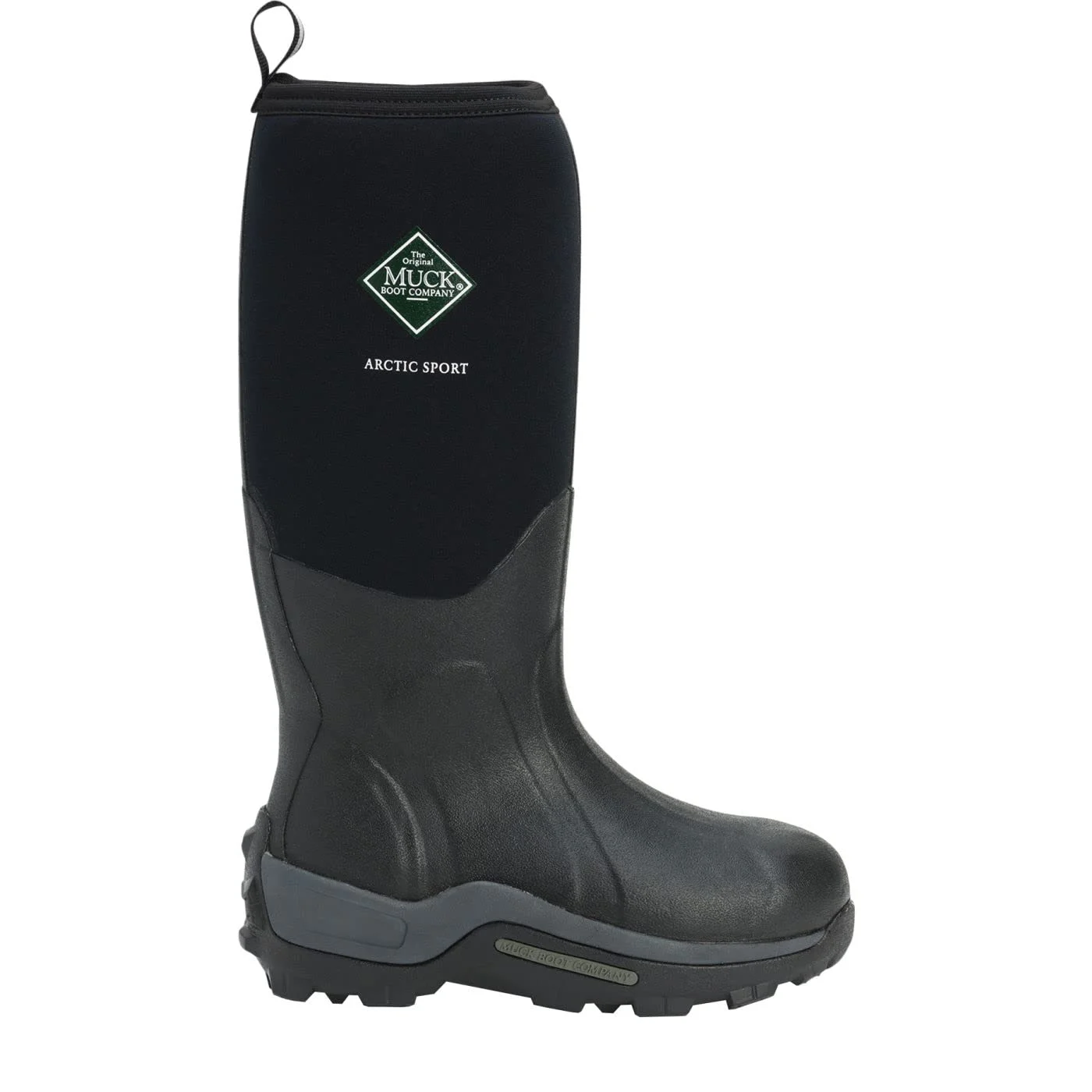
When the temperature bottoms out and you are sitting in a tree stand or trekking through deep, freezing slush, the **Muck Boot Arctic Sport** is hard to beat. These boots are constructed with a thick, vulcanized rubber shell over a 5mm CR Flex-Foam neoprene bootie, rated to keep your feet warm down to -40°C (-40°F).
The interior features a soft fleece lining and a 2mm thermal foam underlay in the footbed to block the cold ground. Because they are 100% rubber up to the calf, you can step in mid-shin mud or water without any risk of leakage. For late-season hunts in Saskatchewan or Northern Ontario, these are standard issue. This level of protection matches the safety gear we recommend for remote bear hunting in Alberta.
- Shaft Height: 17 inches
- Optimal Temperature: -25°C to 0°C
- Pros: Incredibly warm, fleece-lined, 100% waterproof, easy slip-on
- Cons: Lacks ankle support for steep climbs; heavy; feet will sweat in warm weather
Muck Boot Arctic Sport Insulated Rubber Boot
Affiliate Disclaimer: As an Amazon Associate, CanadaFever earns from qualifying purchases. This helps support our Canadian outdoor research at no extra cost to you.
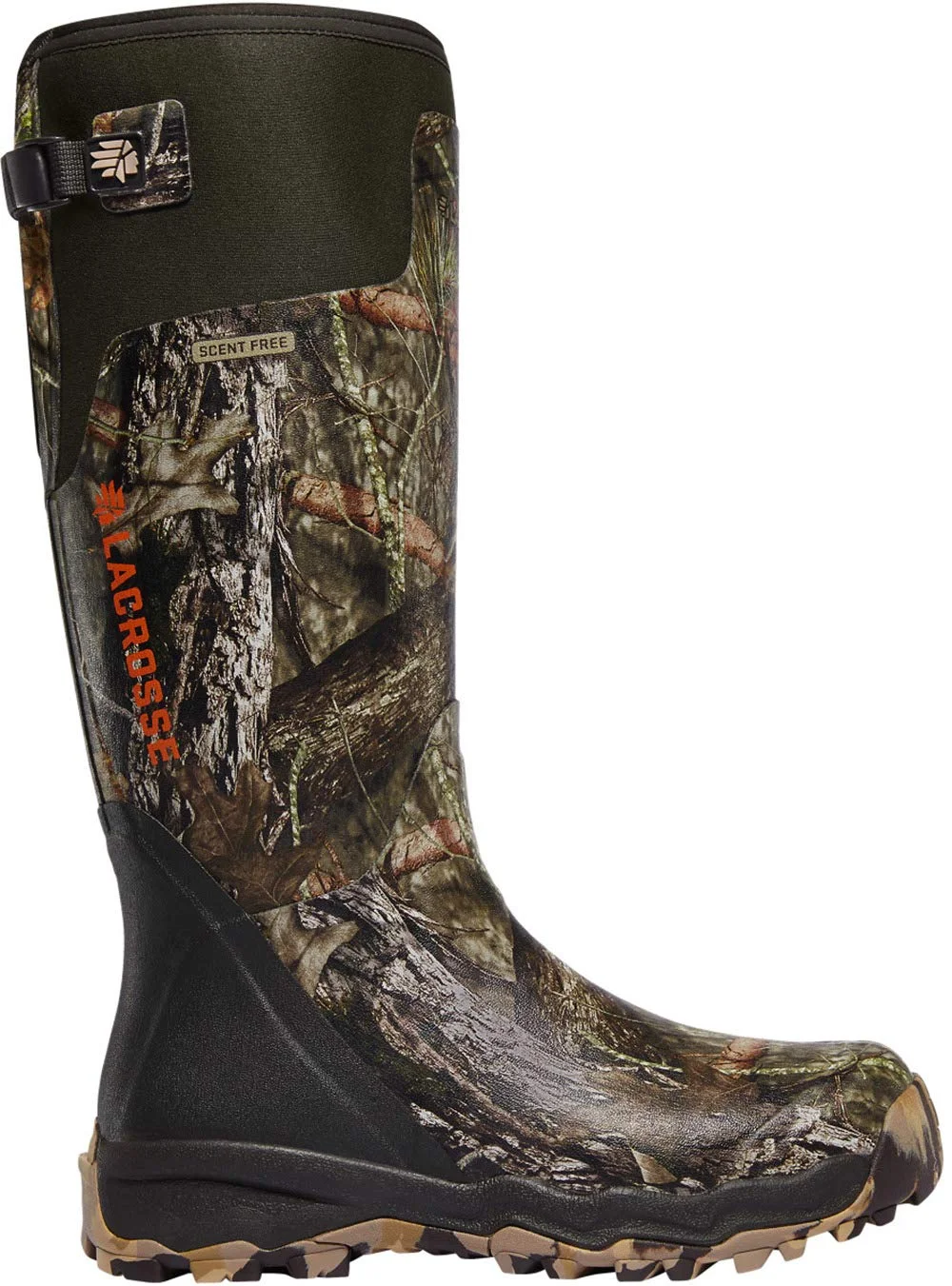
3. Best for Wet Forests & Swamps: LaCrosse Alphaburly Pro 18"
If you need the waterproofing of a rubber boot but are doing too much walking to wear a loose-fitting Muck Boot, the **LaCrosse Alphaburly Pro** is the ideal solution. Unlike traditional slip-on rubber boots, LaCrosse utilizes an "Active Fit" design that grips your ankle and locks your heel in place, dramatically reducing heel slip and blisters on long marches.
The boots feature hand-laid premium natural rubber over a flexible neoprene core. The interior is lined with an embossed jersey knit liner that circulates air to manage sweat. An adjustable rear gusset allows you to customize the fit around your calves. They are perfect for boggy forests and walking along swampy margins, similar to the terrain encountered when visiting a pheasant preserve in Ontario.
- Shaft Height: 18 inches
- Optimal Temperature: -5°C to 10°C (with 800g Thinsulate)
- Pros: Excellent ankle fit, adjustable calf strap, scent-proof rubber, aggressive mud outsole
- Cons: Harder to pull off than Mucks; expensive
LaCrosse Alphaburly Pro 18" Hunting Boot
Affiliate Disclaimer: As an Amazon Associate, CanadaFever earns from qualifying purchases. This helps support our Canadian outdoor research at no extra cost to you.
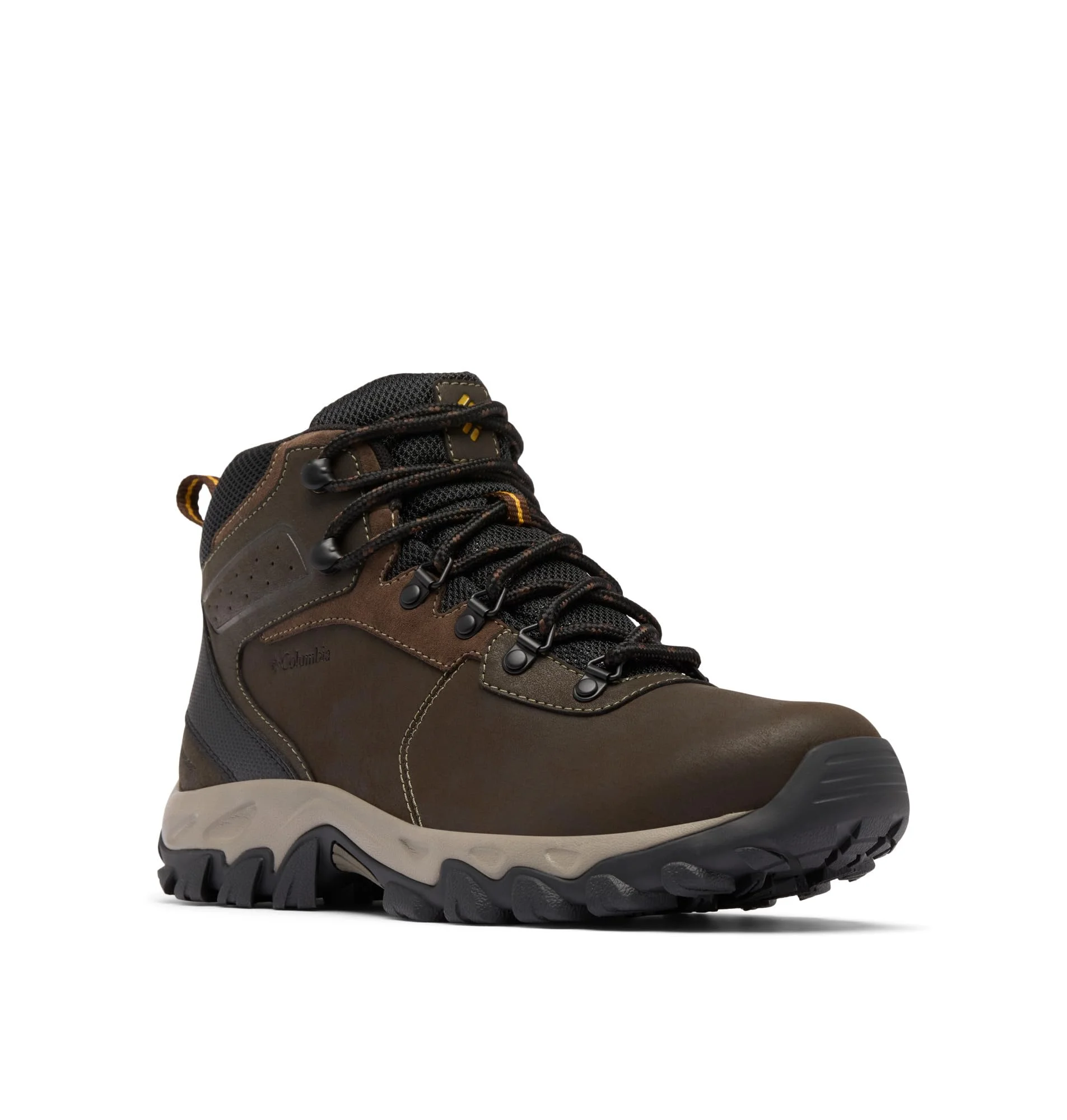
4. Best Budget: Columbia Newton Ridge Plus II
If you are a beginner hunter, a weekend woodlot stalker, or simply looking for a waterproof boot under $120, the **Columbia Newton Ridge Plus II** is a fantastic choice. While technically a hiking boot, its full-grain leather construction and dark earthy tones make it highly functional for light hunting in dry or moderately damp forests.
The waterproofing is handled by Columbia's proprietary Omni-Tech membrane, which keeps out light rain, wet grass, and puddles. The Techlite™ midsole provides excellent cushioning for long walks, and the Omni-Grip™ rubber outsole offers stable traction on rock and mud. If you plan to head into remote bush, check our BC outdoor access rules to make sure your permits are covered.
- Shaft Height: 5.25 inches
- Optimal Temperature: 10°C to 20°C (uninsulated)
- Pros: Very lightweight, affordable, comfortable out-of-the-box, looks great
- Cons: Short shaft doesn't protect against deep water; not insulated for freezing weather
Columbia Newton Ridge Plus II Waterproof Boot
Affiliate Disclaimer: As an Amazon Associate, CanadaFever earns from qualifying purchases. This helps support our Canadian outdoor research at no extra cost to you.
🍁 The Local Secret
Veteran guides in the Rocky Mountains of Alberta recommend treating your leather hunting boots with a beeswax-based waterproofing paste (like Nikwax or Sno-Seal) before the season starts. While the GORE-TEX membrane inside keeps water from hitting your foot, snags on sharp shale can tear the membrane.
Treating the leather directly prevents it from absorbing water ("wetting out"). When leather absorbs water, it loses its insulation value, becomes heavy, and stops breathing, which traps foot sweat inside and causes blister-inducing cold feet.
What to Look For in waterproof Hunting Boots
When selecting your hunting boots, evaluate them based on three key parameters: terrain type, insulation weight, and shaft height.
1. Insulation Weight Guide
- 0g (Uninsulated): Best for active late-summer and early-autumn hunts (above 10°C). Perfect for mountain stalks where climbing keeps you warm.
- 200g - 400g: The standard for active autumn hunts (0°C to 10°C). Offers light warmth without causing excessive sweat during walking.
- 800g: The sweet spot for late-autumn mixed hunting (-5°C to 5°C). Ideal for tree-stand sits with moderate walks.
- 1000g - 1600g+: Dedicated late-season and extreme winter boots (below -5°C). Primarily rubber or pac boots designed for sub-zero static hunting.
2. Shaft Height and Terrain Protection
- Short (5" to 7"): Lightweight and high mobility, but offers no protection against creek crossings or deep mud. Best for dry prairies or trails.
- Medium (8" to 10"): The standard hunting height. Offers excellent ankle support on rocky or steep hills, and protects against low wet brush and shallow puddles.
- Tall (15" to 18"): Primarily rubber boots. Designed to wade through standing water, swamps, and muskeg without leaking. Scent-proof but heavier.
Frequently Asked Questions
Q: Are hiking boots good enough for hunting in Canada?
A: For early season hunts in dry environments or on established trails, high-quality waterproof hiking boots are excellent. However, for late-season hunts or traversing wetlands, hiking boots lack the insulation, height, and scent-control required for hunting.
Q: How do I stop my feet from sweating in rubber boots?
A: Always wear high-content merino wool socks. Merino wool naturally wicks moisture away from your skin and retains heat even when damp. Avoid cotton socks at all costs, as they trap moisture and lead to cold feet and blisters.
Q: What is the best way to dry hunting boots?
A: Never place leather or rubber boots directly next to a roaring wood stove or heater, as extreme heat can crack the leather or melt the glue and rubber. Use a gentle boot dryer (like a Peet Dryer) or stuff the boots with newspaper to absorb moisture overnight.