

Expert guide to obtaining a BC fishing license in 2026. Complete fees breakdown for residents and tourists, freshwater vs tidal waters, and salmon stamps.
- Start with the current official rules for BC Fishing License Guide; seasons, permits, and limits can change by province or management zone
- Check the date, location, species, and licence requirements before using any checklist or trip plan
- Use the guide to spot practical risks: closures, gear restrictions, local exceptions, and proof you may need in the field
Bottom line BC Fishing License Guide is safest when you verify the current official rule first, then plan gear, timing, and travel around that rule
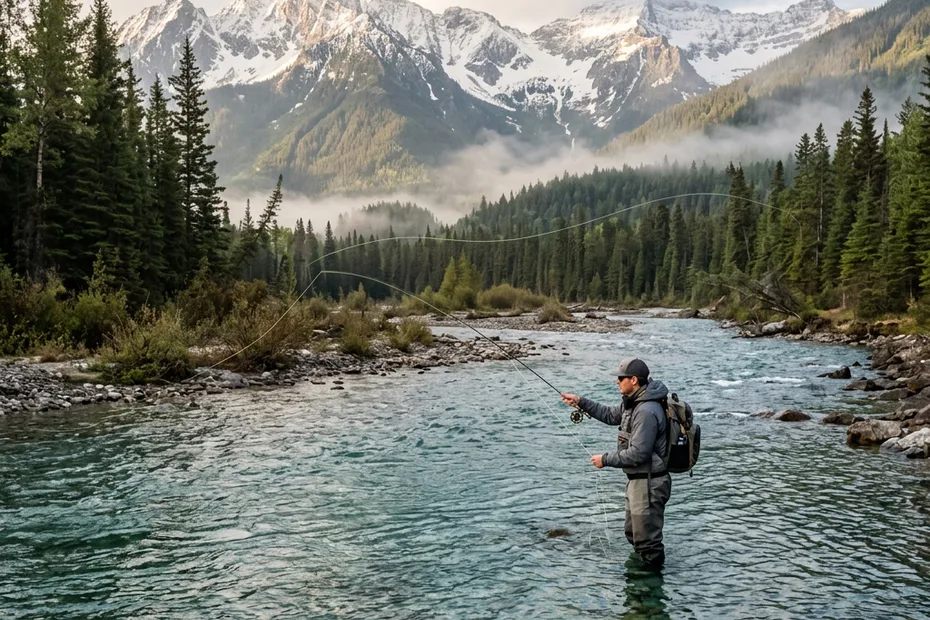
BC Fishing License Guide 2026: Freshwater, Tidal Waters, and Salmon Stamps
British Columbia fishing licences are confusing because BC uses two separate systems: provincial freshwater licences for non-tidal waters and federal DFO licences for tidal saltwater. Estuaries, salmon stamps, conservation surcharges, and classified waters can add another layer.
Use this page for the BC buying path. For the national rule map, start with Fishing Regulations and Licences in Canada. For the broader licence-buying process, use How to Get a Fishing Licence in Canada.
Last verified: June 4, 2026.
This guide was checked against official British Columbia and Fisheries and Oceans Canada licence pages. Fees can still change, so confirm your final purchase in the official system before fishing.
BC Fishing Licence Decision Path
Before you pay, identify the water first. The fish species matters, but the water type decides which licence authority you start with.
If yes, start with DFO Pacific tidal waters. If no, start with BC freshwater licensing.
Freshwater and tidal salmon retention can require different stamps or conservation surcharges.
Check classified waters, species closures, catch records, national parks, and local restrictions.
BC Licence Planning Shortcuts
Use these support pages when your BC trip touches another licence question, species setup, or national planning step.
Canada rules pillar
Compare BC against other provinces, non-resident rules, parks, and official-source checks.
Licence buying path
Use the national buying flow if you are still deciding where or what type of licence to buy.
Non-resident licences
Check visitor pricing, residency categories, and cross-province planning issues.
BC salmon setup
Plan gear after you know whether your water, species, stamp, and retention rules fit.
Freshwater vs. Saltwater Fishing Licenses in BC
Before purchasing your license, you must identify where you plan to fish. British Columbia classifies its waters into two distinct categories: Non-Tidal (Freshwater) and Tidal (Saltwater).
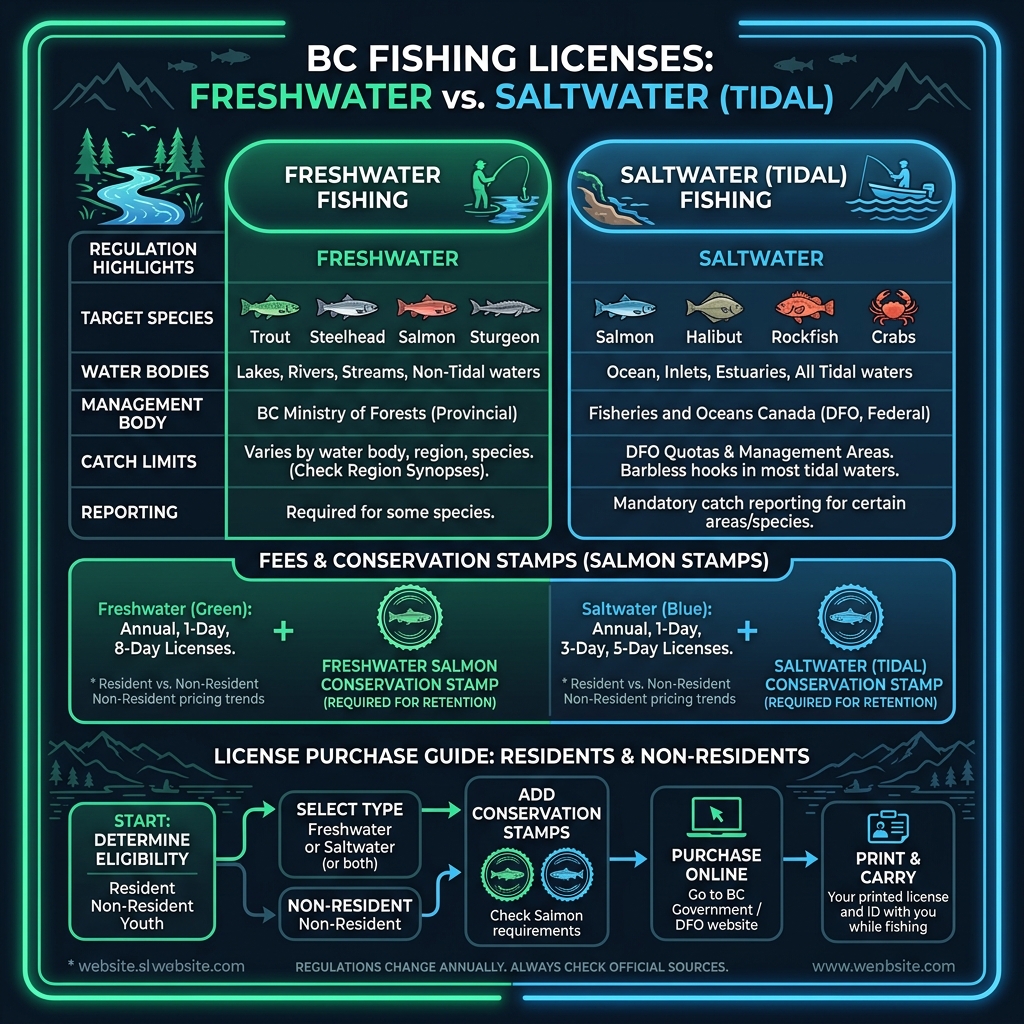
Here is an in-depth breakdown of the two systems:
1. BC Non-Tidal (Freshwater) Fishing Licenses
Freshwater licenses are managed by the BC Ministry of Forests. They are required for all inland bodies of water, including lakes, reservoirs, ponds, and rivers above tidal boundaries. If you are fishing for rainbow trout, cutthroat trout, kokanee, steelhead, or sturgeon, this is the license you must have. Review our guide to how to obtain a fishing license in Canada for a broad national overview.
BC’s freshwater system also includes “Classified Waters”—highly regulated, premium river fisheries (such as the Dean River or Skeena River tributaries) that require additional Classified Waters Licences. If you catch and keep salmon in freshwater, you must purchase a Freshwater Salmon Conservation Surcharge Stamp and affix it to your license.
2. DFO Tidal Waters (Saltwater) Fishing Licenses
Saltwater licenses are managed federally by Fisheries and Oceans Canada (DFO). They are required for all ocean fishing, marine fjords, and coastal river mouths below tidal boundaries. If you are booking a saltwater charter for halibut, lingcod, or trolling for Pacific salmon, this is the license you need. Ensure your charter is properly outfitted by reading our review of best salmon trolling setups in BC.
To fish for or retain any species of Pacific salmon (Chinook, Coho, Sockeye, Pink, or Chum) in tidal waters, you must purchase a Tidal Waters Salmon Conservation Stamp. 100% of the revenue from this stamp goes directly to the Pacific Salmon Foundation to fund habitat restoration and salmon enhancement projects across British Columbia.
| License Parameter | BC Freshwater License (Non-Tidal) | DFO Saltwater License (Tidal) |
|---|---|---|
| Governing Agency | BC Provincial Government (Ministry of Forests) | Federal Government (Fisheries and Oceans Canada) |
| Target Waters | Lakes, inland rivers, ponds, streams above tide-line | Pacific Ocean, coastal fjords, river mouths below tide-line |
| Salmon Retention | Requires Freshwater Salmon Conservation Surcharge ($17.14 B.C. resident / $34.29 non-resident) | Requires DFO Tidal Salmon Conservation Stamp ($7.39 for 2026/2027) |
| Short-term Durations | 1-Day, 8-Day | 1-Day, 3-Day, 5-Day |
| Youth Under 16 | Free (no license required unless retaining salmon) | Free (must register online to get a free Tidal Licence) |
CanadaFever Licence Check
A common B.C. planning mistake is buying the right licence for the wrong water. A provincial freshwater licence covers non-tidal lakes, rivers, and streams, but it does not cover ocean fishing, saltwater harbours, or tidal portions of coastal rivers. Those tidal waters fall under Fisheries and Oceans Canada.
Before you buy, decide whether your trip is freshwater, tidal saltwater, or a mixed estuary plan. Then confirm whether salmon retention is part of the trip, because freshwater salmon surcharges and DFO tidal salmon stamps are separate and not interchangeable.
For the cleanest check, match three things before fishing: the water type, your residency or age category, and the species you may keep. If any of those changes, re-check the official B.C. or DFO page before you cast.
BC Fishing Licence Fee Snapshot 2026/2027
Use this as a planning shortcut, not a checkout screen. Fees below are from official B.C. and DFO schedules checked on June 4, 2026 and do not include all taxes, vendor handling, special waters, or future changes.
| Licence or stamp | Who it applies to | 2026/2027 fee |
|---|---|---|
| B.C. freshwater annual licence | B.C. resident adult | $41.15 |
| B.C. freshwater annual licence | Non-resident / non-resident alien adult | $62.87 / $91.44 |
| B.C. freshwater salmon conservation surcharge | Required to keep salmon other than kokanee in non-tidal waters | $17.14 B.C. resident / $34.29 non-resident |
| DFO tidal annual licence | Canadian resident adult / non-resident adult | $25.86 / $124.41 before GST |
| DFO tidal salmon conservation stamp | All ages if salmon are retained in B.C. tidal waters | $7.39 before GST |
For short trips, B.C. freshwater licences also have 1-day and 8-day options; DFO tidal licences have 1-day, 3-day, and 5-day options. Check WILD or DFO NRLS for your exact residency, age, water, and species combination before buying.
How to Buy Your BC Fishing License Online
The safest way to buy a BC fishing license is through the official system for the water you plan to fish. B.C. freshwater licences now run through WILD/FWID, while tidal saltwater licences run through DFO’s National Recreational Licensing System.
1. Buying a Freshwater (Non-Tidal) License Online
Provincial freshwater licences are purchased through B.C.’s WILD system. For 2026/2027, freshwater licence sales have moved to WILD, and licences are linked to your Fish and Wildlife ID (FWID) profile.
- Open the official B.C. Recreational Freshwater Fishing Licence page.
- Register for or log in with your FWID/WILD profile. If you do not already have an FWID, create one before buying.
- Select your residency category, age category, and licence duration: 1-day, 8-day, or annual.
- Add any required conservation surcharge, such as non-tidal salmon, steelhead, Kootenay Lake rainbow trout, Shuswap Lake stamps, or a White Sturgeon Conservation Licence.
- Download or print the licence as required. If a retention record must be completed, carry the format required by B.C.’s current rules.
2. Buying a Saltwater (Tidal Waters) License Online
Federal tidal water licences are purchased through DFO’s National Recreational Licensing System (NRLS). This is the correct path for ocean fishing, shellfish harvesting, and tidal portions of B.C. waters.
- Open the official DFO Pacific Tidal Waters Sport Fishing Licence page.
- Choose the tidal licence duration: 1-day, 3-day, 5-day, or annual.
- Add the DFO Salmon Conservation Stamp if salmon will be retained. For the 2026/2027 licence year, DFO lists the tidal salmon stamp at $7.39 before GST.
- Download the licence and keep it available while fishing or transporting catch.
- Record retained chinook, halibut, and required lingcod catches immediately in the format allowed by your DFO licence conditions.
Rules on Carrying and Signing Your License
Simply purchasing your license online is not enough; you must comply with strict physical possession laws when in the field. Conservation and Fishery Officers patrol lakes, rivers, and coastal docks regularly to verify compliance.
1. Signatures and Physical Copies
Historically, all anglers in British Columbia were required to print, sign, and carry a physical paper copy of their license. Today, regulations have been modernized:
- Digital Copies Allowed: You are legally allowed to carry your active license as a PDF on your smartphone. However, your device must be charged, dry, and capable of displaying the document immediately upon request.
- Classified Waters Exception: If you are fishing on a Classified Water river, you must have a printed paper copy of your Classified Waters Licence.
- Catch Recording: You must immediately record all retained catches (such as Chinook salmon, steelhead, or sturgeon) directly on your physical paper license or log them in the online NRLS portal, depending on DFO or provincial rules. Failing to record a fish immediately upon landing is a serious regulatory offence.
2. Scent-Free Protection for Gear and Papers
Because fishing in BC involves wet environments—whether you are standing in a misty rain on a BC river or dealing with ocean waves on a boat—protecting your paperwork and electronics from water damage is vital. Additionally, when fishing in bear country, minimizing strong chemical odors on your gear is a key safety measure. Review our guides to wildlife viewing tours and responsible wildlife viewing for regional safety codes.
🎒 Keep Your Licence Dry
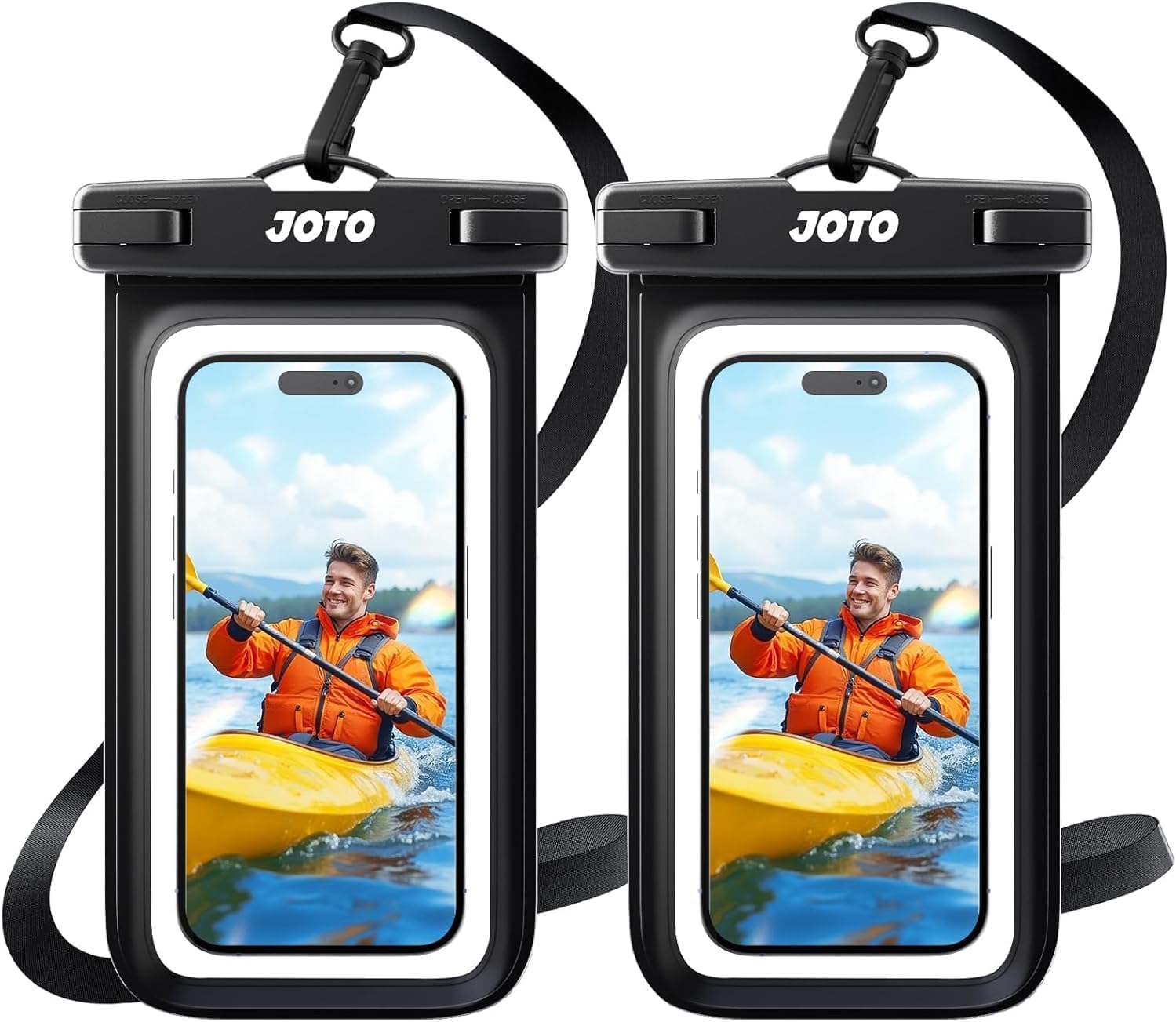
JOTO Waterproof Phone Pouch (B07V8HGM7T)
If you choose to carry a printed paper license or keep your smartphone close by, keeping them completely dry is crucial. The JOTO Waterproof Phone Pouch fits devices up to 7 inches and features dual-sided clear windows that allow you to read your digital license or operate your phone’s touchscreen without exposing it to water. Equipped with a secure snap-and-lock seal and a convenient neck strap, it provides certified IPX8 waterproof protection against rain, mud, and saltwater spray.
Affiliate Disclaimer: As an Amazon Associate, CanadaFever earns from qualifying purchases. This helps support our Canadian outdoor research at no extra cost to you.
🛠️ Fast Gear Access
Booms Fishing RG1 Zinger Retractor (B07CGC2H1X)
When fishing on a boat or wading in chest-deep river rapids, dropping your tools or license case into the water can ruin your day. The Booms Fishing RG1 Zinger features a heavy-duty retractable steel cable with a 1.5-lb retraction force, a strong aluminum carabiner, and a built-in belt clip. It keeps your waterproof pouch, line cutters, or pliers securely tethered to your belt loops or fishing vest, allowing you to pull them out when needed and have them automatically retract safely. It is highly resistant to saltwater rust and built for rugged field use.

Affiliate Disclaimer: As an Amazon Associate, CanadaFever earns from qualifying purchases. This helps support our Canadian outdoor research at no extra cost to you.
Optional Licence-Day Kit Upgrades
These are not legal requirements. They are small planning tools that make it easier to keep your digital licence accessible, your phone alive, and your trip notes organized when you are fishing away from town.
Phone Backup
Compact 10,000 mAh Power Bank
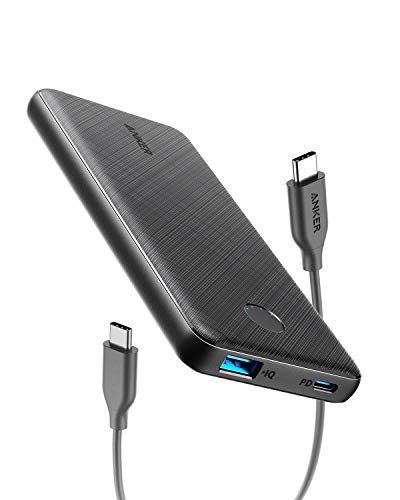
A small power bank is useful if your licence, map, DFO catch log, weather app, or emergency contacts are on your phone. A 10,000 mAh model is usually enough for day trips without adding much weight to a tackle bag or boat dry box.
Wet-Weather Notes
Waterproof Notebook and All-Weather Pen

A waterproof notebook helps keep area numbers, licence reminders, tide notes, lodge details, and emergency contacts readable in rain or spray. Use it for planning notes only; official catch records still need to be completed exactly as B.C. or DFO requires.
Affiliate Disclaimer: As an Amazon Associate, CanadaFever earns from qualifying purchases. Amazon OneLink may redirect eligible visitors to their local Amazon store.
BC Fishing License Regulations & Fines
Fishing regulations in BC are strictly enforced. Conservation Officers and DFO Officers have broad authority to board vessels, inspect gear, examine coolers, and write heavy fines for violations. Below are the most common license-related infractions and their associated fines:
1. Common License Violations
Failing to adhere to license laws can lead to:
- Fishing Without a Licence: A standard ticket starts at $250 CAD, and all your fishing gear (rods, reels, tackle) can be temporarily seized.
- Failing to Produce a Licence: If you have purchased a license but cannot show it (e.g., dead phone battery or left paper at home), you can be fined $150 CAD.
- Fishing for Salmon Without a Stamp: Targeting or keeping salmon without a Salmon Surcharge Stamp carries a $250 CAD fine, plus additional fines for each fish retained.
- Failing to Record Retained Catch: If you keep a chinook salmon or other regulated species and fail to write it down immediately on your license, fines start at $150 per fish.
2. Indigenous Fishing Rights
It is important to note that First Nations members in British Columbia possess constitutional rights to fish for food, social, and ceremonial (FSC) purposes. Indigenous fishers are not required to hold a standard recreational fishing license when fishing under FSC guidelines within their traditional territories. Non-indigenous anglers must always respect First Nations reserve lands, traditional boundaries, and co-managed river platforms.
Frequently Asked Questions About BC Fishing Licenses
Do tourists need a fishing license in BC?
Yes. Visitors need the correct licence for the water they fish. For non-tidal freshwater, use the B.C. freshwater licence system. For tidal saltwater, use DFO’s B.C. Tidal Waters Sport Fishing Licence. Non-resident fees are higher than B.C. resident fees.
Do I need separate licenses for freshwater and saltwater in BC?
Yes. A B.C. freshwater licence does not cover tidal saltwater, and a DFO tidal licence does not cover non-tidal freshwater. Estuaries and coastal river mouths are the places where anglers most often need to check the boundary before buying.
How much is the DFO salmon stamp in BC for 2026/2027?
DFO lists the 2026/2027 B.C. Tidal Waters Salmon Conservation Stamp at $7.39 before GST. It is required for all ages if salmon are retained in tidal waters. Freshwater salmon retention uses a separate B.C. conservation surcharge.
Do kids need a fishing license in BC?
It depends on the water and residency. B.C. resident youth under 16 do not need a freshwater licence. In tidal waters, DFO requires a licence for all ages, but juvenile tidal licences are free. Non-resident youth should confirm whether they need their own freshwater licence to keep an independent quota.
What should I do if I lose my BC fishing license?
For freshwater, log back into WILD to view, download, or reprint your licence. For tidal waters, log back into DFO NRLS. If a catch record was already used, follow the official replacement instructions so retained catches are transferred correctly.
Conclusion
Fishing in British Columbia is an unforgettable experience, but carrying the correct license is essential to protect the resource and ensure your trip is legal and hassle-free. By using our interactive calculator to determine your fees, purchasing your freshwater or saltwater licenses online, and securing a Salmon Conservation Stamp, you will be fully prepared for your BC angling adventure.
Double-check your destinations, pack your waterproof document pouch, and purchase your license before heading out to experience some of the world’s best fishing.
Affiliate & Expert Disclaimer: CanadaFever is a participant in the Amazon Services LLC Associates Program. We may earn a commission if you purchase through our links, at no extra cost to you. This content is intended for informational purposes and reflects field-tested tactics. Always verify current fishing regulations and limits before hitting the water. (Assisted by AI for research formatting).