

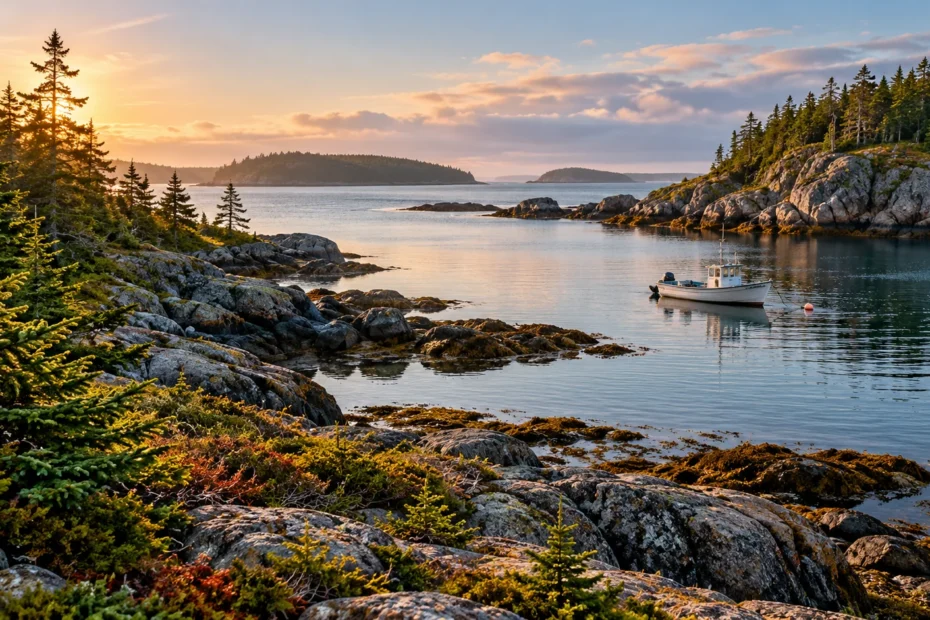
Nova Scotia fishing trips can take you to a national park lake, a Cape Breton salmon river or an Atlantic harbour. Choose an exact location, then check its access, season and current rules before you go.
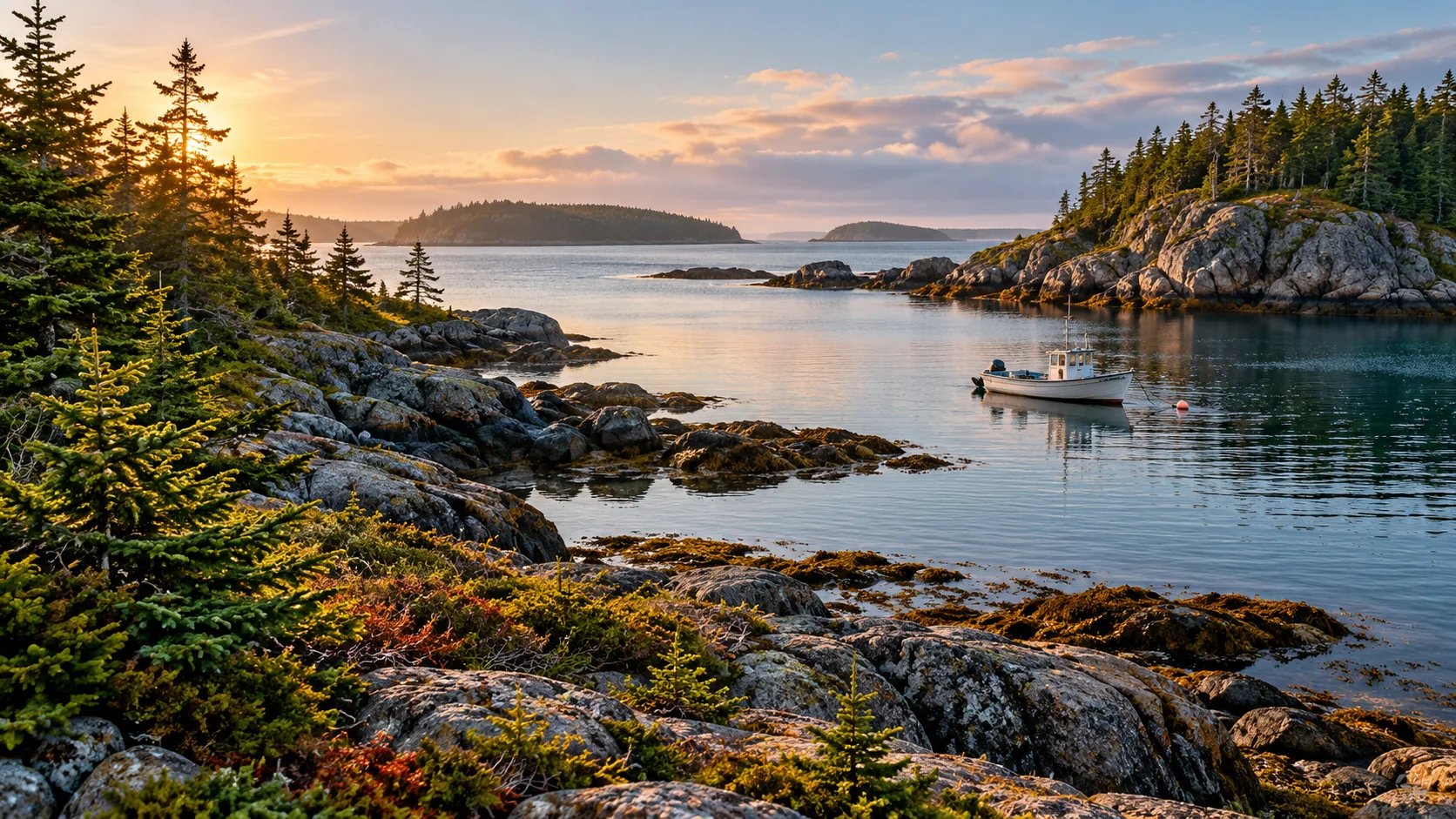
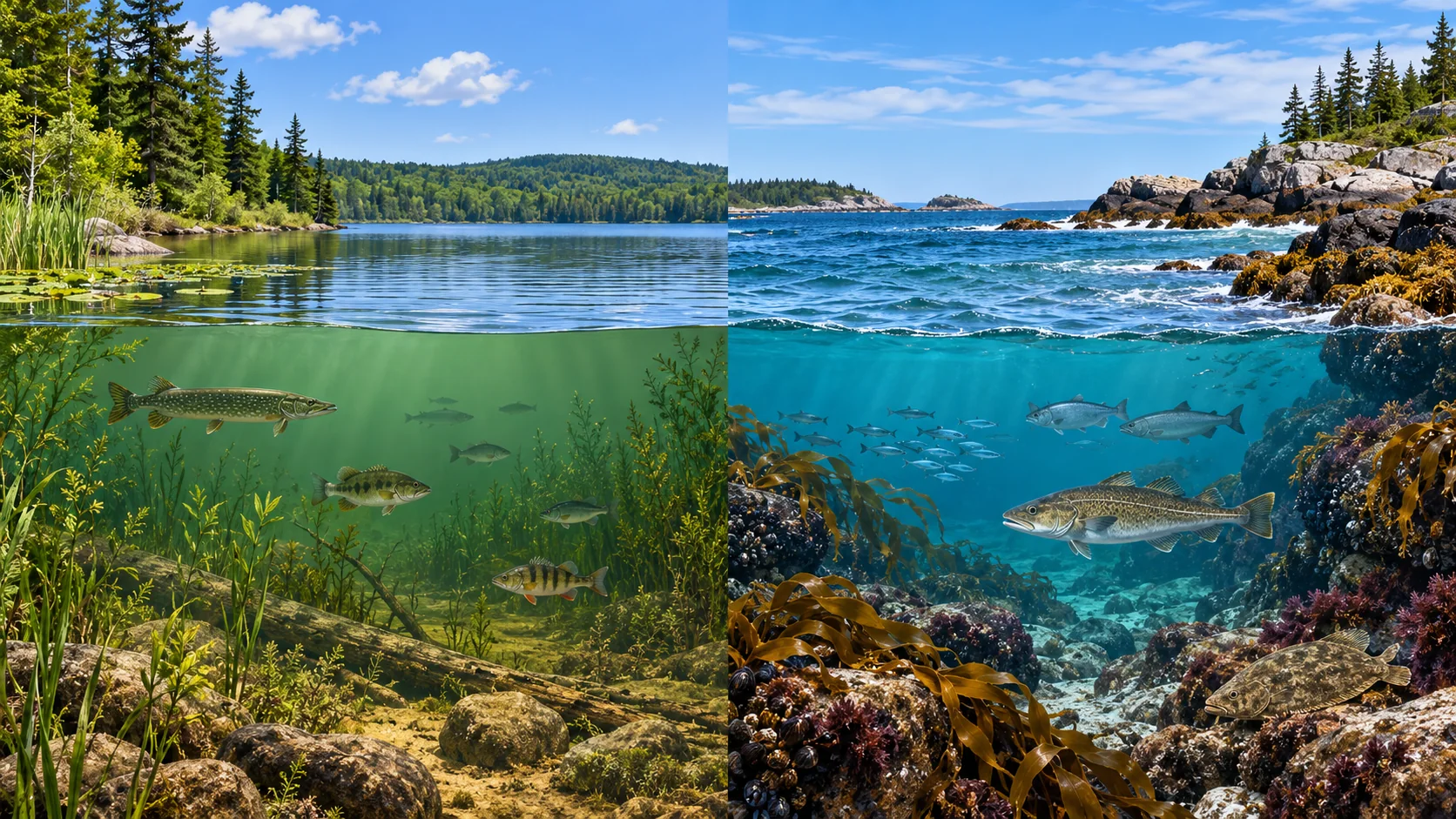
Choose the water before choosing the tackle
Nova Scotia offers inland lakes, rivers and Atlantic coastal trips, but a promising name on a map does not establish that a particular spot is open, accessible or suitable for your group. Start with the exact water and date. Check the responsible authority’s current season, licence, species, gear and retention rules, then find an access point you are allowed to use.
For most freshwater fishing other than salmon, the province directs anglers to a general fishing licence. Atlantic salmon have separate licensing and federal management arrangements. Kejimkujik National Park and National Historic Site requires a national park fishing permit, independent of the provincial licence. Age and other exceptions may apply, so check the current official guidance for each angler rather than assuming a single licence covers every water.
Tidal fishing can involve different federal rules, species-specific openings and area closures. A harbour trip advertised by a charter is not proof that every species can be targeted or kept. Ask the operator about the planned area and check the current requirements for the actual activity.
1. Kejimkujik Lake: a park-water trip
Kejimkujik Lake is one of the waters listed in Parks Canada’s catch-and-release zone. The park is a useful choice for someone who wants to combine a fishing trip with a national park visit, but its rules differ from those outside the park. Review the park’s current fishing information and zone map before selecting a shore access or paddling route.
Parks Canada’s 2026 visitor guide says non-invasive fish are catch-and-release, while invasive smallmouth bass and chain pickerel must be retained. It specifies single barbless hooks, prohibits lead jigs and natural bait, and lists other restrictions. Check the current Superintendent’s notices and instructions for the fish you catch; do not release an invasive fish in contradiction of the park’s rules. The guide also states that motorized watercraft are prohibited in Kejimkujik as of 2026 except with specified written authorization for park administration.
A park fishing permit is separate from the provincial fishing licence. The park’s fishing page lists the normal April 1–August 31 season and permit vendors; verify the current dates, any closures and visitor access before driving. The listed water is a planning destination, not a guarantee that any particular shore is open or that fish will bite.
2. Mersey River inside Kejimkujik: select the reach
The park’s fishing-zone information also lists the Mersey River in its catch-and-release area. A river is not one uniform fishing location: consult the current zone description and map for the precise reach, including any closed waters and method restrictions. A park rule applies inside the relevant boundary; waters outside it may have different authorities and requirements.
Ask Parks Canada about current access and conditions. A canoe route, visitor launch and fishing location are different questions. Water level, current and the weather can make a previously convenient bank or landing unsuitable. If you choose to paddle, plan the return as carefully as the outbound route and carry the equipment required for your craft. A map or illustration on this page is not a navigational chart.
Have the required barbless tackle and a way to handle fish that must be released with minimal time out of the water. The park provides an angler diary with the permit; its instructions explain how to record fishing activity and catches. The report helps park monitoring and does not replace the applicable species and retention rules.
3. Lake Ainslie, Inverness County: research a large inland lake
Nova Scotia’s 2026 stocking update lists brook trout stocked at Lake Ainslie for a derby. That historical entry confirms a stocking event, not a present catch rate or permission to fish. The province’s lake inventory is a useful way to begin researching the water; its information can include depth and species data, and it is not a substitute for current regulations or a navigation chart.
Trout Brook Provincial Park describes itself as one of the opportunities to access Lake Ainslie. Check the park’s current hours, advisories, permitted uses and the conditions at the precise shore or launch before travelling. A park or beach access point is not automatically permission to fish from every adjacent property. Blue-green algae and other advisories can affect recreation; read the current advisory and follow it.
For a shore visit, look for a place where you can cast without blocking other users or crossing private land. If planning a boat trip, check the wind forecast and the suitability of the launch and craft for a large exposed lake. Check the relevant Nova Scotia recreational fishing area and water-specific exceptions, including current season and gear rules.
4. Grand Lake, Cape Breton County: use the stocking record carefully
The province’s 2026 stocking update lists brook trout stocked in a Grand Lake in Cape Breton County on May 27. Nova Scotia has similarly named waters, including a Grand Lake in Halifax County, so identify the correct county and waterbody before looking up a rule or access point. The date of a stocking record does not establish fishing conditions months later.
Use the provincial lake inventory and current handbook to research the exact water, and check any local exception. Verify a public launch or shore access with the responsible land manager; this article does not identify a specific legal access point. If travelling with children or someone with limited mobility, ask about parking, the walking surface, washrooms and whether the shore provides room for a safe cast.
A small selection of locally permitted tackle is enough for an initial search. Give a chosen lane time, observe the line and change one factor at a time. If access is crowded, the weather turns or the rules are unclear, use a verified alternative rather than treating the stocking record as a reason to stay.
5. Margaree River, Cape Breton: check the exact salmon reach
The Margaree system is a well-known Atlantic salmon destination, and the province provides river-specific regulation information. Conditions can change within a season. DFO announced a reopening of recreational angling on the Margaree in August 2026 after a closure; that dated notice demonstrates why the current status matters more than an old trip report.
Check the exact river section and date against current DFO variation orders and in-season notices, as well as provincial licensing and access requirements. The current law may distinguish branches, tributaries and bridges. A general season or a guide’s advertised itinerary is not enough to establish that your intended reach is open. Do not infer a salmon retention opportunity from a general fishing licence.
Before booking a guide, ask which reach is planned, which equipment and access rights are included and how the operator handles a closure or unsuitable water. Request cancellation or rescheduling terms in writing. Fish care and temperature-related measures can be important on salmon rivers; follow current river-specific instructions and stop targeting fish where an official closure applies.
6. Halifax harbour: a coastal alternative
A guided saltwater outing from Halifax can suit a short visit if you do not have a boat or tackle with you. Sea Halifax Boat Tours lists a two-hour small-group fishing experience through Viator. Confirm the meeting point, dates, accessibility, weather policy and current terms before booking.
Guided fishing from Halifax
Affiliate links: We may earn a commission when you book through these links, at no extra cost to you. Check current dates, prices and terms on Viator.
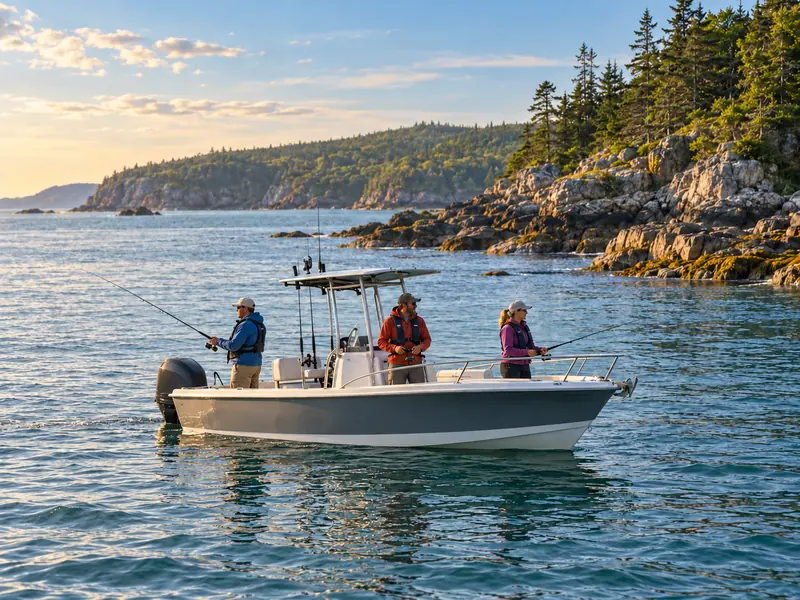
Halifax, Nova Scotia
2-hour fishing experience in Halifax
- Approximately two hours fishing from the Halifax waterfront.
- Fishing equipment is included in the listed experience.
- An angler guide accompanies the small group.
Check dates, the meeting point, accessibility and weather/cancellation terms. A catch is not guaranteed.
Ask which species and areas the trip plans to fish and whether any required licences or permits are included. Check DFO’s current rules for the actual saltwater species, opening and area. A coastal boat can encounter wind, waves and motion that differ from an inland lake; discuss mobility, suitable clothing and seasickness concerns with the operator in advance.
How the permit and rule checks fit together
- Identify the exact water and whether your position is within a national park, provincial inland water or a tidal area.
- Check the appropriate licence or park permit for each participant, including any age-specific conditions.
- Read the current species season, area exceptions, gear restrictions and retention rules for your planned date.
- Review current closures, local access and weather immediately before the trip. Ask the responsible authority when an official description is unclear.
The location of a bridge, tributary, park boundary or tidal limit can affect which rule applies. Do not assign a boundary based only on the appearance of the water. A provincial licence or a charter booking does not override a closure, protected-area restriction or specific licence condition.
For Atlantic salmon, the province issues licences while DFO manages the fishery. Read the current federal notice as well as provincial information and any water-specific conditions. For Kejimkujik, consult Parks Canada directly; rules for non-invasive fish, invasive fish, tackle and no-fishing waters are not interchangeable with those for a provincial lake.
Build a practical first-day plan
Choose a primary location and a realistic alternative that you have also checked for access and legal conditions. Note the distance to the launch or shore, expected travel time and the latest safe return time for your group. If an access road or a park facility is seasonal, check it before departure rather than finding out at the gate.
For a lake, decide whether your group will fish from shore, paddle or use a powered boat where permitted. Those choices change the equipment, weather and access questions. A sheltered shore can still have slippery rocks or steep banks. If you cannot reach a spot safely without entering private property, pick another location.
For a coastal trip, check the marine forecast, the route and tide information appropriate to the exact location. Tidal water can rise around rocks and cut off an exit. Avoid assigning a universally safe tide or wave height; conditions depend on the shore, weather, experience and group. Let someone know the plan and when you expect to return.
Match a simple kit to the water
Pack a rod and line suitable for the locally permitted method, a small set of compliant hooks or lures, a hook-removal tool and a container for waste line. In Kejimkujik, choose tackle that meets the park’s single-barbless and bait restrictions. Do not carry a lure with prohibited hooks into a plan simply because it worked on another water.
For a charter, ask what is supplied before buying equipment. A guided boat may include rods and tackle, while a self-directed shore trip requires you to bring your own. Compare the complete trip cost, including licences, travel, accommodation and parking, with the time you actually expect to fish.
Bring clothing for changing weather, drinking water and suitable footwear. On any boat, comply with current safety-equipment requirements and use an appropriately fitted flotation device. Keep sharp gear secured in transit and leave enough room behind each caster. This preparation helps a group adjust when the first spot is busy or the weather changes.
Plan fish handling and moving between waters
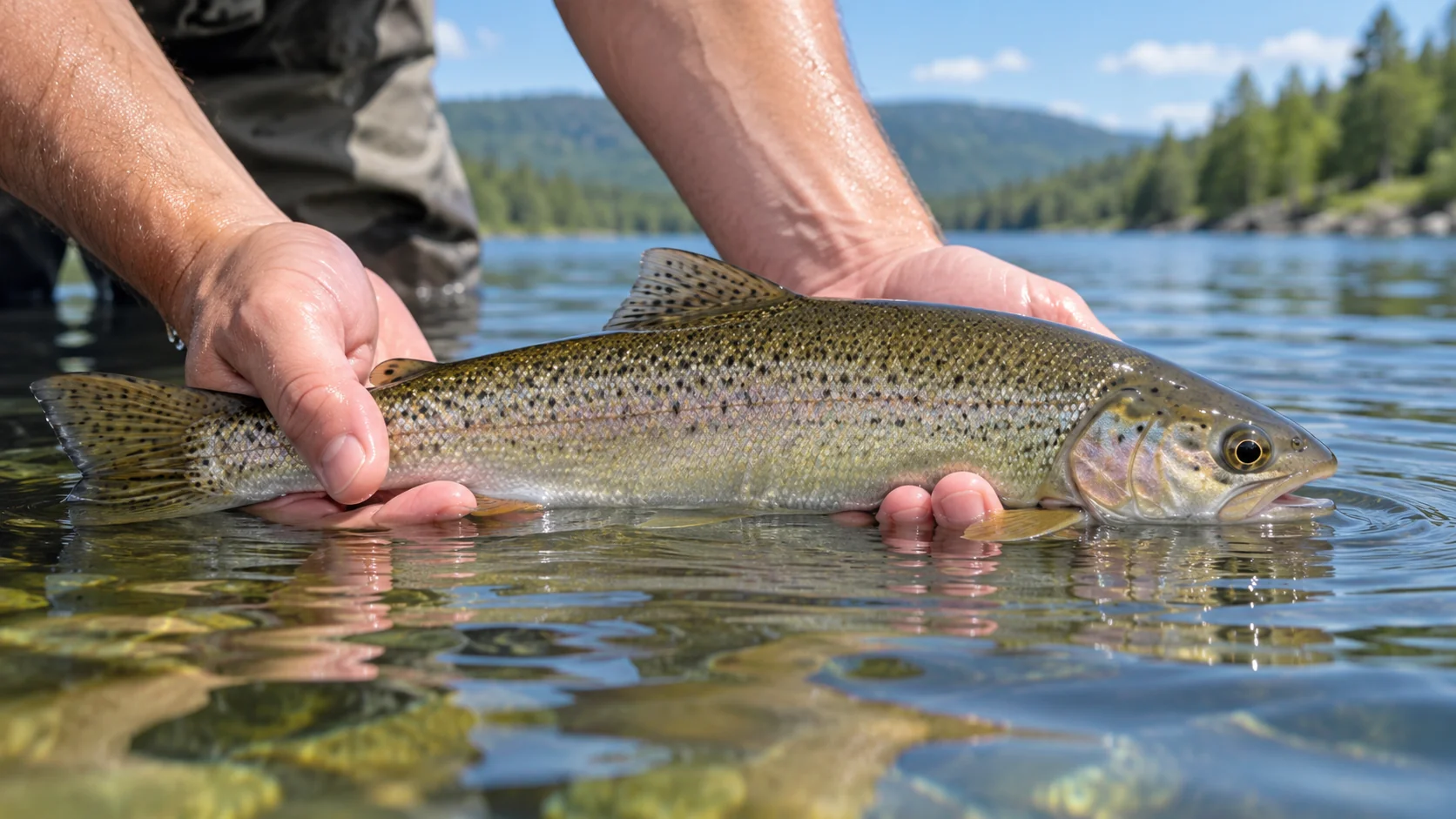
Decide in advance whether you intend to retain an eligible fish or release it, and know the rules before making that choice. Have the hook tool ready, use wet hands, avoid the eyes and gills and keep a fish in the water as much as the local guidance requires. For deeply hooked fish, follow the relevant authority’s instructions rather than pulling forcefully. A fish swimming away does not guarantee survival.
Different species can have different requirements in the same place. At Kejimkujik, Parks Canada distinguishes non-invasive fish that must be released from invasive chain pickerel and smallmouth bass that must be retained. Identify the fish and follow the current park instructions; if uncertain, ask park staff rather than assuming a generic catch-and-release rule.
Before changing waters, remove plants and debris from equipment and follow applicable clean-and-drain and bait rules. Do not move live fish between waters. Record the official sources and dates checked with your travel notes so you can review them again if the trip is delayed or the planned location changes.
Pick a trip that suits the group
A first-time angler with a short Halifax stay may value a guided harbour outing, while a group looking for a quieter inland trip may prefer researching a lake and arranging its own gear. A salmon-focused visitor needs a more specific river and licence check. None of these options guarantees a fish or an open season.
For families, ask about walking distance, washrooms, casting room and what happens if the weather prevents a boat departure. For a multi-day trip, check where accommodation is located relative to the water and whether access, boat rental or guiding are included. A lower nightly rate may be offset by transport and equipment costs.
The best destination is the one your group can reach, fish legally and leave safely under the conditions on the day. Save a second option and the relevant agency contacts. If the current rule or access cannot be established, postpone that part of the plan until the uncertainty is resolved.
Find the right official starting point
Choose the question closest to your trip. The tool supplies a source, not a boundary decision, licence eligibility determination or fishing permission.
Line and a hook-handling tool for a freshwater outing
Check tackle against the rules for your chosen water; these line specifications describe an option for compatible light freshwater tackle. Affiliate links: We may earn a commission from qualifying purchases, at no extra cost to you. We have not field-tested these items. Check the selected model, current price and delivery options on Amazon.
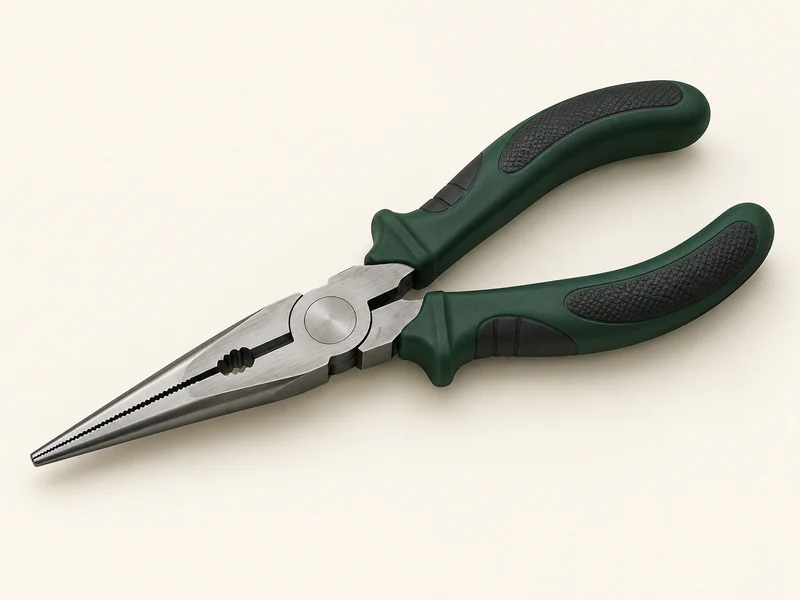
For handling hooks with a tool
Rapala 8½-inch Fisherman's Pliers
- Longer 8½-inch format for reaching a hook with a tool.
- Nickel-plated carbon steel and co-moulded grips.
- Choose a jaw size that suits the hook and fish; avoid unnecessary handling time.
Choose a size suited to accessible hooks and your fish. For a deeply embedded hook, follow local fish-handling guidance instead of pulling forcefully.
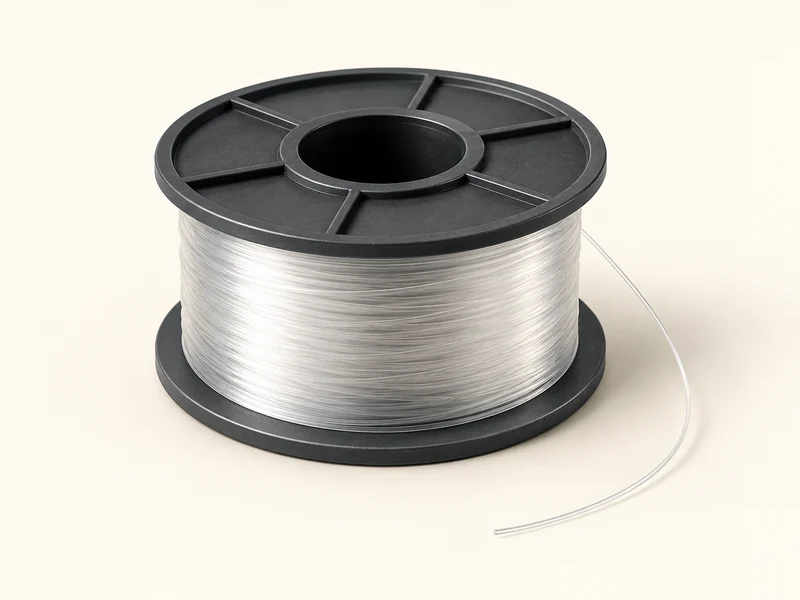
For a compatible line setup
Berkley Trilene XL Monofilament
- Clear 8 lb monofilament in a 330-yard spool.
- Diameter 0.010 inch / 0.25 mm for checking reel capacity.
- Match line strength to the fish, cover and tackle when replacing worn line.
This size is an option for a compatible light freshwater outfit. A lighter size may suit small lures; check the rod, reel and target fish together.
Frequently asked questions
Does a Nova Scotia licence cover Kejimkujik?
The park requires its own national park fishing permit; review its current requirements for each angler.
Does a stocking report guarantee a catch?
No. A dated report records an event and does not establish current fish presence, access or an open season.
Can I keep every fish I catch?
No. Rules vary by water and species; Kejimkujik has specific non-invasive-fish release and invasive-fish retention rules.
Official sources
- Kejimkujik fishing information
- Kejimkujik fishing zones
- Kejimkujik 2026 visitor guide
- Nova Scotia general fishing licence
- Nova Scotia 2026 stocking update
- Trout Brook Provincial Park
- Nova Scotia Anglers’ Handbook
Sources reviewed October 2026; check current rules and notices. See also our budget lodge comparison and beginner fishing guide.