
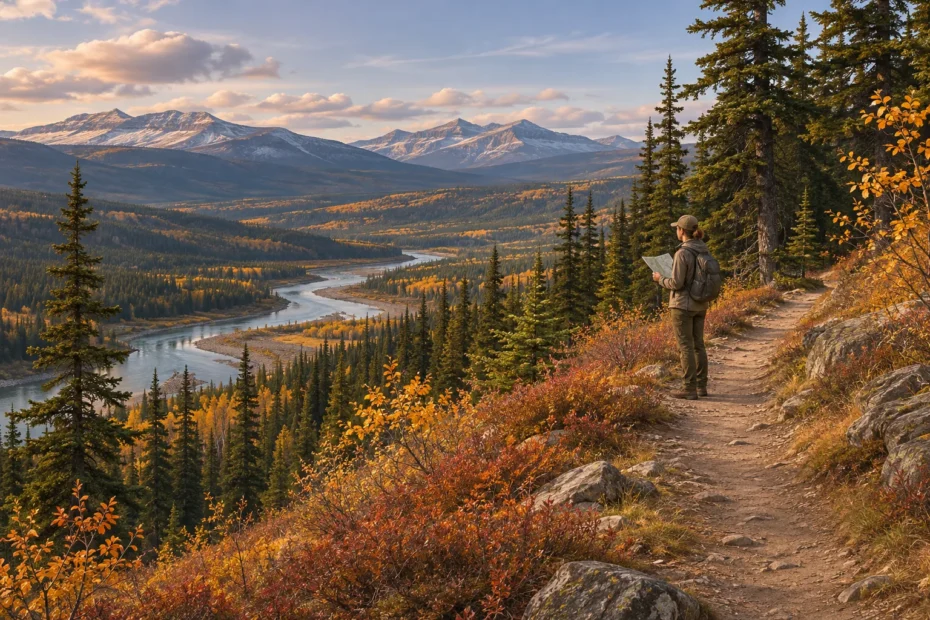
How to Plan a Wildlife Scouting Trip in Canada: Routes, Timing and Access
Plan a wildlife scouting trip in Canada. Verify access and conditions, set a turnaround time, and build a trip plan using three Canadian examples.
Wildlife tracking and scouting techniques help you describe the signs an animal left and decide which guide to read next. Start with an observation you can record from a safe position: a print pattern, disturbed ground or an animal seen through binoculars. An uncertain identification is a useful result when the evidence is incomplete. This collection brings together track reading, field notes, navigation and observation equipment. The topic illustration does not identify a species.
Start with the topic guide and reading paths, or browse the articles below.

Plan a wildlife scouting trip in Canada. Verify access and conditions, set a turnaround time, and build a trip plan using three Canadian examples.
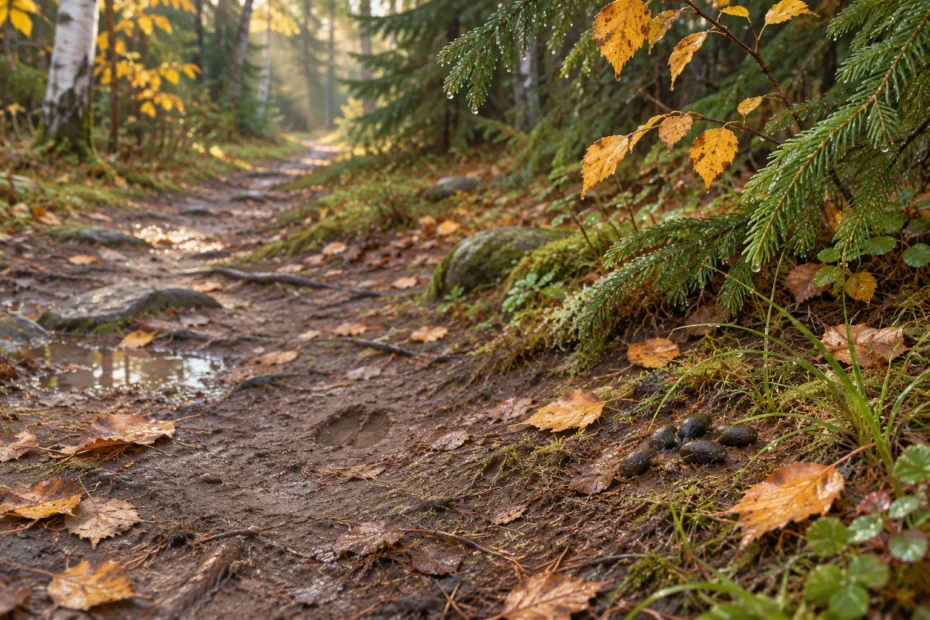
Compare animal scat, tracks and feeding signs in Canada. Learn what pellets and other deposits can tell you and when to back away without touching… Read More »How to Identify Animal Scat and Other Wildlife Signs in Canada
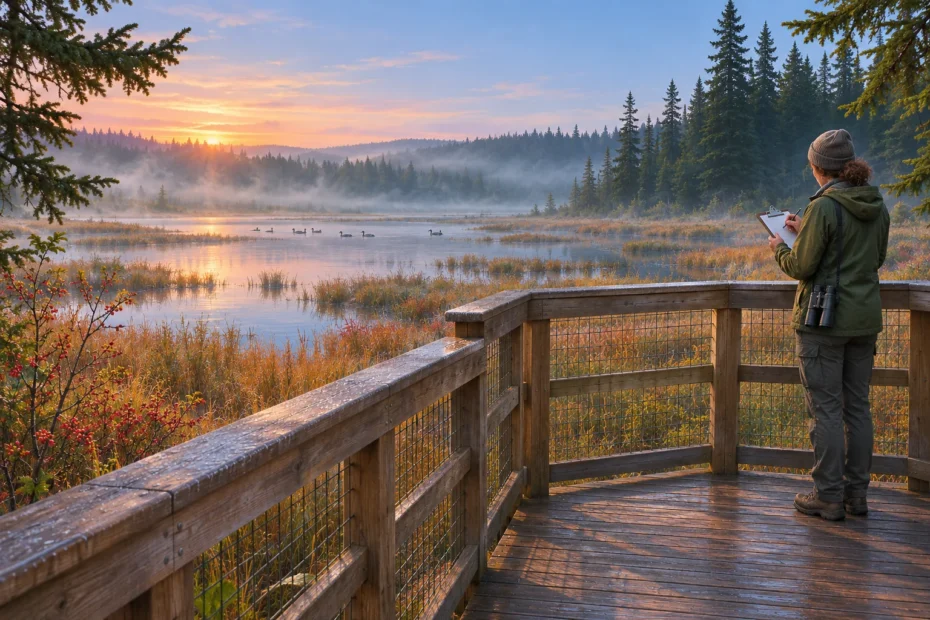
Learn how wildlife tracking supports conservation in Canada. Compare monitoring methods, record survey effort and share sensitive observations responsibly.
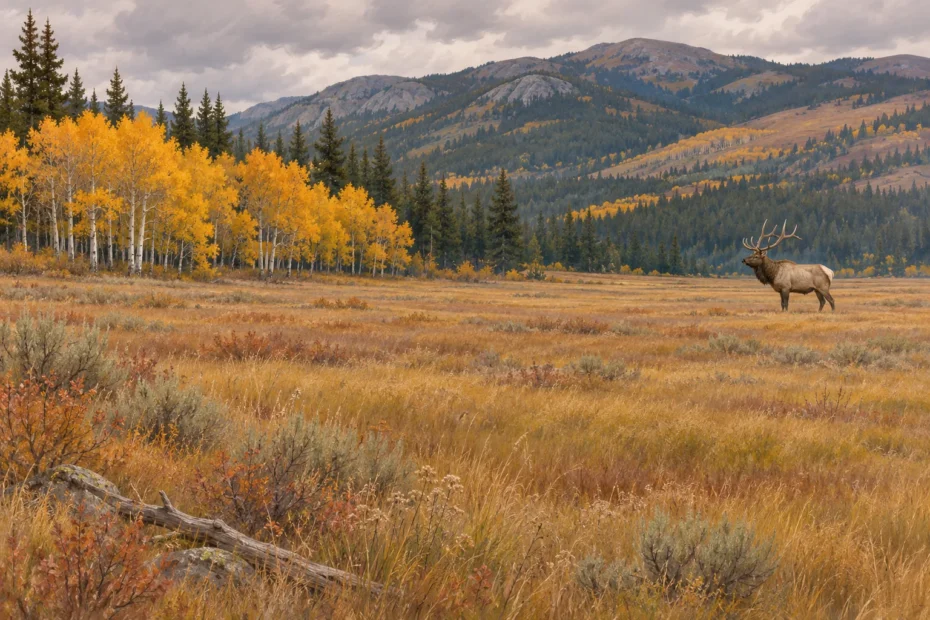
Read rubs, scrapes, calls and possible rut pits in Canada. Compare deer, elk and moose activity and follow local wildlife viewing guidance.