

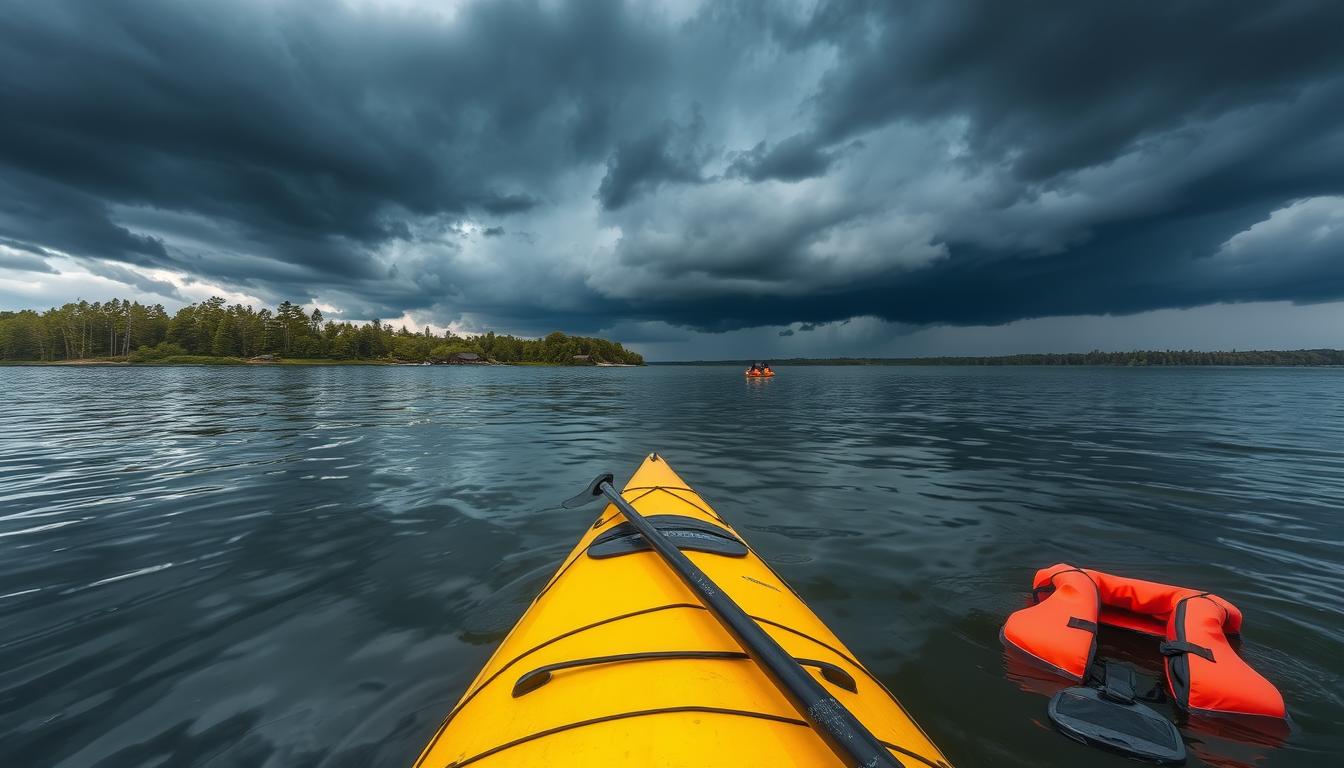
Learn essential tips for handling weather changes in a kayak, from monitoring conditions to emergency protocols. Discover how to stay safe on Canadian waters year-round
- Match Handling Weather Changes in a Kayak to your water, season, boat size, and actual skill level instead of buying by specs alone
- Prioritize readable controls, durable construction, and Canada-relevant use cases before chasing premium features
- Use the guide to compare what matters in the field: setup time, reliability, safety, storage, and upgrade path
Bottom line The right Handling Weather Changes in a Kayak choice solves your real Canadian trip conditions without adding gear you will not use
Key Takeaways
- Monitor the Barometer & Radar: Use your smartphone or a VHF radio weather alert function. A dropping barometer indicates approaching rain or storm fronts.
- Angle of Attack: When wind and waves build, steer your kayak at a 45-degree angle to the waves rather than taking them broadside (which can capsize you).
- Use a Drift Sock: A drift sock slows down your kayak in high winds, preventing you from blowing across the lake and keeping your tackle inline.
- Cold Water Prep: Foul weather brings rain and cold wind. Pack dry thermal layers in a sealed dry bag to prevent hypothermia.
💨 Wind Risk Calculator 🚣
Calculate the safety risk level based on the forecasted wind speed.
Weather in Canada can be highly unpredictable. A clear, sunny morning on a rocky Shield lake can transform into a dark, wind-whipped storm in less than an hour. Because kayaks ride very low to the water and are powered purely by your muscles (or a small battery), sudden wind gusts and waves present a serious risk of capsize and exposure.
Understanding how to read the clouds, managing wave angles, and knowing what gear to deploy can turn a dangerous weather emergency into a controlled, safe paddle back to the launch. Let’s look at the best weather preparedness tips, navigation techniques, and emergency gear to keep you safe in 2026.
How to Read Imminent Weather Changes
Always check your local meteorological app before launching, but keep a close eye on these physical signs while on the water:
- Cloud Formations: Watch for high, wispy clouds (cirrus) turning into dark, flat sheets (stratus), or towering anvil-shaped storm cells (cumulonimbus) developing on the horizon.
- Wind Shift: A sudden, rapid change in wind direction is a key sign of an approaching weather front.
- Temperature Drop: A sudden, sharp drop in air temperature indicates a cold front or rain storm is minutes away.
- Barometric Pressure: If you wear a smartwatch with a built-in barometer, set a warning for dropping pressure, which indicates a low-pressure storm system.
How to Navigate High Winds & Waves
If you are caught in high wind and chop, never turn your kayak broadside (parallel) to the waves. Taking waves on the side is the most common cause of kayak capsizes. Instead, follow these paddling rules:
- Angle Into Waves: Steer your kayak bow at a **45-degree angle** to the oncoming waves. This allows the hull to cut through the wave crests safely without slamming.
- Stay in the Wind Shadow: Paddle along the “windward” shore (the side of the lake where the wind is blowing *away* from land). The water here is protected by the trees and shoreline, providing flat, safe passage.
- Deploy a Drift Sock: If you are being blown across the lake too quickly, throw out a drift sock (a conical fabric chute). This catches water and slows your drift speed by up to 50%, keeping your hull straight and stable.
If you hear thunder or see lightning, seek land immediately. You are the highest point on the water, and carbon fiber or graphite fishing rods act as lightning rods. Beach your kayak, secure your gear, and seek shelter under low trees or vehicles.
Emergency Weather Gear
Vetted, top-rated products that are highly recommended for Canadian paddlers and anglers.
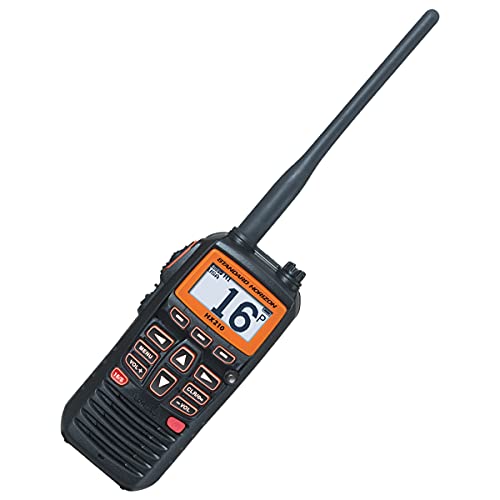
Standard Horizon HX210 floating VHF Handheld Radio
Floats, water-activated strobe light, and built-in NOAA weather alert channels to receive instant warning of storm fronts.
- Waterproof & Floating: IPX7 waterproof rating and floats face-up, making it easy to retrieve if dropped overboard.
- NOAA Weather Alerts: Receives instant emergency weather broadcasts to warn you of sudden storm fronts on large lakes.
- Water-Activated Strobe: Automatic flashing strobe light activates when submerged, serving as an essential rescue locator at night.

Custom Accessories heavy-duty Drift Sock
Slow down your kayak or canoe drift in windy basins. Helps keep your vessel oriented and oriented safely into the wind.
- Wind Drift Control: Creates heavy hydrodynamic drag to slow your drift in high winds, keeping you in the strike zone longer.
- Vessel Stabilization: Helps keep your kayak or canoe oriented safely into the wind, preventing side-swiping by waves.
- Quick-Dry Material: Made from durable, coated marine-grade nylon that dries quickly and folds flat for easy, compact storage.

Complete Folding Grapnel Anchor Kit (3.5 lb)
Heavy-duty folding anchor with marine grade rope and buoy. Crucial for holding position in current or high wind.
- Reliable Holding Power: 3.5 lb folding grapnel anchor holds securely in rocky, weedy, or sandy lake bottoms.
- Full Marine-Grade Kit: Includes 50 feet of high-strength line, a marker buoy, a snap hook, and a padded storage bag.
- Collapsible Design: Tines fold flush against the shaft, locking securely in place for compact, rattle-free storage.
Affiliate Disclaimer: As an Amazon Associate, CanadaFever earns commissions from qualifying purchases. This supports our free outdoor guides at no extra cost to you.
🌍 Explore Guided Fishing Trips in Canada
Want to fast-track your success on the water? Book a professional local guide through Viator to find the best spots, learn advanced paddling techniques, and hook into trophy fish.
*CanadaFever is a Viator Partner (ID: P00210641). We may earn a commission if you book through our links, at no extra cost to you.*
What wind speed is too high for kayak fishing?
Winds under 10 km/h are ideal. Winds between 10 and 20 km/h create moderate chop and require caution. If winds exceed 25 km/h, kayak fishing is highly dangerous, and you should seek immediate shelter.
How do you use a drift sock on a kayak?
Tie the main rope of the drift sock to your kayak’s anchor trolley or bow cleat, and toss the sock into the water. It will naturally open and inflate with water, slowing down your drift relative to the wind.
What should I wear for cold weather kayak fishing?
Never wear cotton (like jeans or hoodies), as it holds water and causes rapid cooling. Wear layers of wool or synthetic fleece, a windproof waterproof outer shell, and neoprene booties or dry suit socks.