

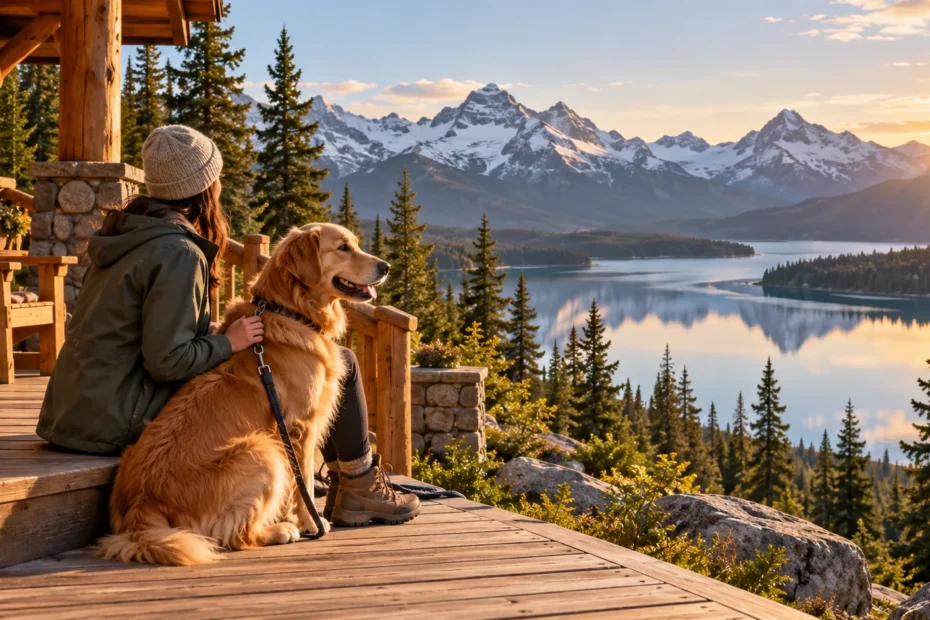
Discover stunning pet-friendly lodges for outdoor adventures across Canada. We offer cozy accommodations where you and your furry friend can explore nature together
- Use Pet in Canada to match destination, season, access, and budget to the kind of trip you actually want
- Check licences, local rules, travel logistics, weather, and booking windows before locking in dates
- Compare locations by practical fit: target species or activity, remoteness, services, safety, and backup options
Bottom line Pet in Canada becomes easier when you choose the destination around timing, access, rules, and your real trip style
Pet-friendly lodges in Canada can make an outdoor trip easier, but “pets welcome” rarely means every room, trail or dining area is open to every animal. Start by confirming the exact accommodation and your dog’s details, then check the outdoor rules and full cost for your dates. This guide focuses on dogs; ask the property directly about cats or other animals.
Compare pet-friendly lodges and outdoor stays
A private lodge and a roofed park campsite can both put you close to the outdoors, but they offer different degrees of service. Confirm the precise unit before payment; availability, pet rules and charges can change.
| Stay | Why consider it | Check before paying |
|---|---|---|
| Mount Engadine, Alberta | Selected lodge suite, cabins, glamping tents or seasonal yurt | Dog fee, unit, waiver and dining arrangements |
| Long Beach Lodge Resort, BC | Selected rooms and cottages near Tofino | Pet-friendly room, current fee and beach rules |
| Rideau Canal cottages, Ontario | Historic cottage alternative listed by Parks Canada | Exact property, availability and current pet terms |
| Kouchibouguac oTENTik, New Brunswick | Selected roofed camping units in a national park | Designated pet-friendly site and park restrictions |
These are examples to research, not a ranking, endorsement of availability or a claim that every accommodation accepts every animal.
The Guide’s Log: making the stay fit the dog
This is a hypothetical planning example, not a report of a personal visit.
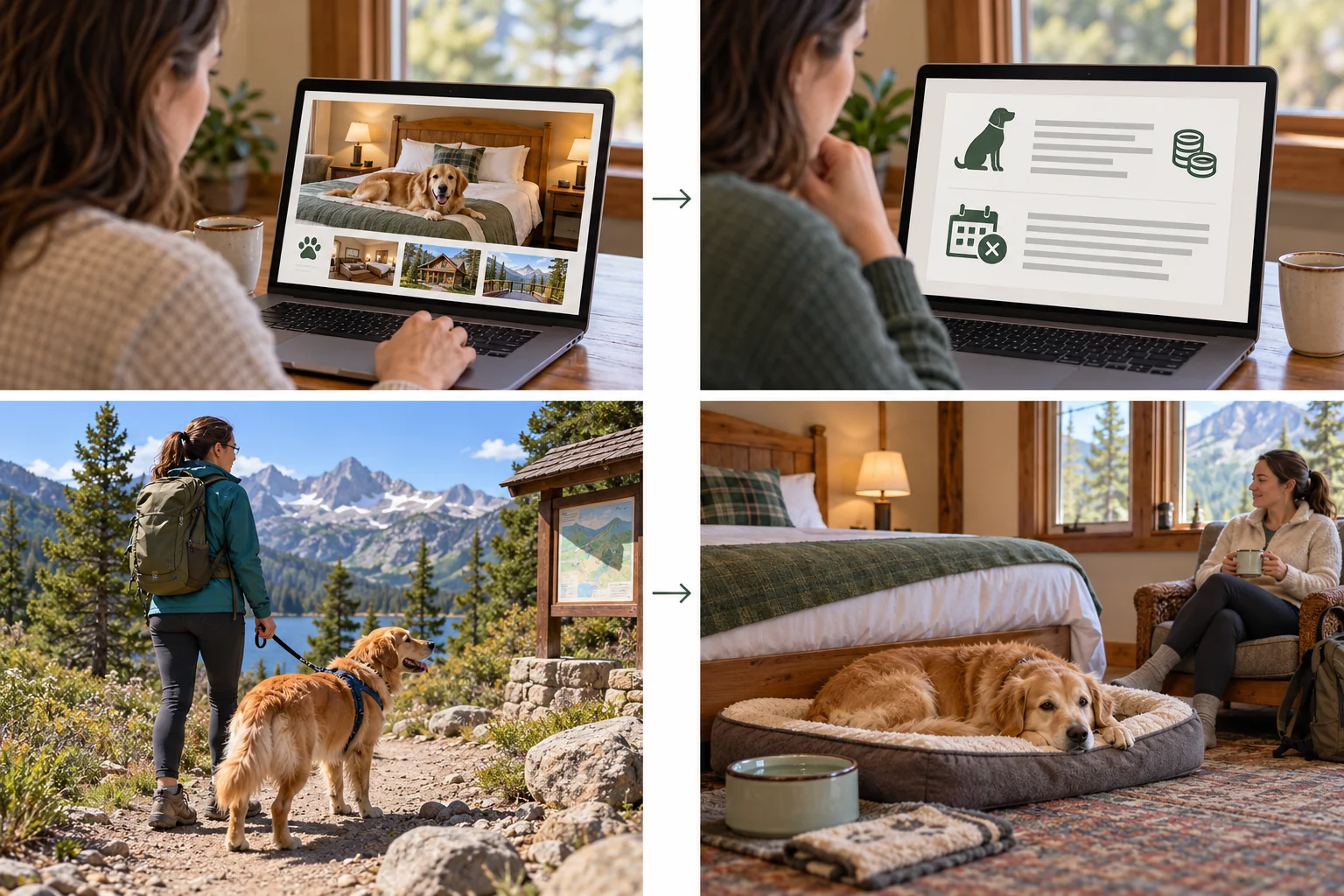
If I were choosing a place for a dog-friendly trip, I would first describe the dog and the day we want. A quiet dog that settles easily may suit a lodge room; a family carrying more equipment may prefer a cabin. I would not assume the more spacious option is automatically available to pets. I would ask for the exact room or unit in writing and check the number and size of dogs accepted.
Next I would map the time outside the room. Where can the dog go when we eat? Is there a nearby permitted walk that matches our pace, and what happens if weather or trail closures change the plan? I would make a backup for those hours before buying a non-refundable stay. A place advertising a spectacular trail is less useful to me if dogs cannot use it or the route is too difficult for our group.
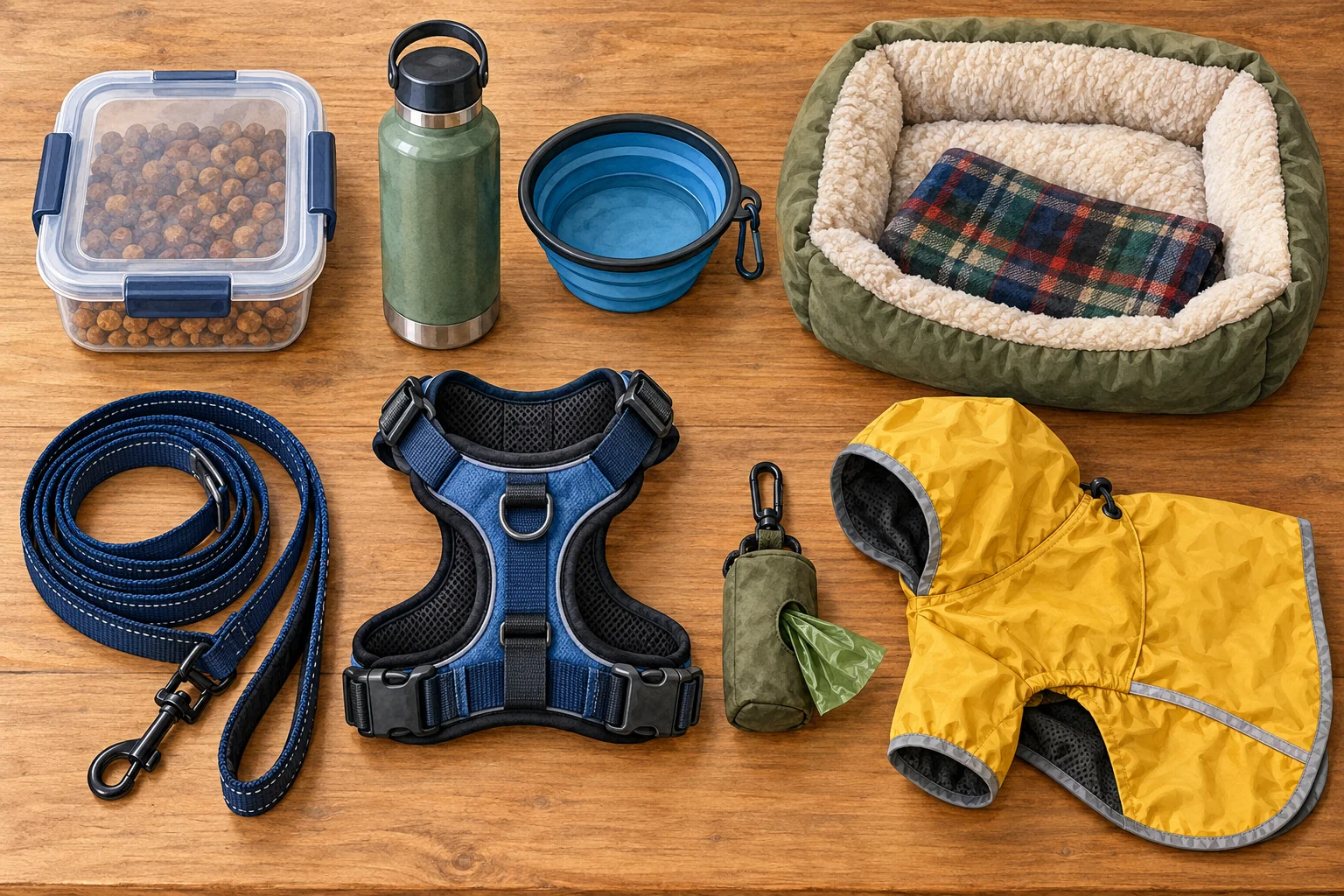
Finally I would compare the complete booking: accommodation, pet charges, park or conservation passes, transport and any costs that are not included. I would pack food, a familiar bed, water, bags and a leash, and identify a veterinary contact near the destination. These steps take a little more time than checking a “pet-friendly” filter, but they make the stay easier to evaluate before anyone travels.
Pet-friendly lodges for outdoor adventures
Mount Engadine Lodge: mountain stays in Alberta
Mount Engadine’s own policy welcomes dogs in its glamping tents, cabins, yurt and Elk Suite, the only pet-friendly room connected to the main lodge. On 30 October 2026, the lodge listed a $25 per night dog fee and asks guests to provide the dog’s name and size. A signed pet waiver is required. Confirm the price and terms for your booking channel and dates; a third-party listing may show different charges.
Dogs may be in the foyer and on the patio but are not permitted in the main lodge during dining hours; outdoors they must be leashed. Ask how the meal schedule works for your group before reserving. The yurt is seasonal and closed in winter, while the lodge describes its glamping tents as year-round. Those are different accommodation choices, not interchangeable promises.
The lodge lists meals in its accommodation rates, with some items and activities costing extra. It says the Kananaskis Conservation Pass is not included; review the current lodge policy and applicable pass requirements rather than assuming the room quote is your complete trip cost.
Long Beach Lodge Resort: a coastal option in British Columbia
The resort’s accommodation page says certain rooms and cottages are pet friendly. Its coastal location is a different type of trip from an inland mountain stay. Ask which room is available for your dog, what charges and restrictions apply, and whether your intended beach or trail permits dogs on the dates you visit. The accommodation page alone does not establish the rules for a neighbouring protected area.
A self-contained cottage may suit travellers who want more room and a different meal routine; a lodge room may be simpler for a short visit. Compare the actual room and included services, not just the property name.
Roofed camping and cottages: alternatives to a lodge
These are park-managed accommodations, but they are worth comparing if your main requirement is a roof, dog-friendly access and outdoor time. Parks Canada’s pet-friendly stays guide identifies specific places and units; confirm current reservation options and local rules before booking.
- Rideau Canal, Ontario: Parks Canada lists its lockmaster’s house and canalman’s cottage as pet-friendly historic-stay options. Confirm the exact property’s terms and available dates.
- Kouchibouguac, New Brunswick: the park identifies specific pet-friendly oTENTik sites. An oTENTik combines a tent-style structure with beds and furniture; bring the supplies specified by the park.
- Other national parks: the Parks Canada list includes alternatives in several regions, but a pet-friendly campsite does not mean every trail or beach in that park allows dogs.
For example, Parks Canada says dogs are not allowed on Kellys Beach or its boardwalk at Kouchibouguac. Confirm current local restrictions and closures before making an itinerary.
Plan the outdoor day around your dog
In Parks Canada protected places, dogs must be on a leash no longer than three metres and under control; the agency also says not to leave pets unattended in a vehicle, campsite or elsewhere. These are Parks Canada rules and guidance; provincial parks and private properties can have their own requirements. Check the exact authority for each place you will visit.
Choose a route that fits both your dog and your group. Carry water and a bowl, keep a comfortable leash, give wildlife space and follow current closures. If you plan to go into remote backcountry, consider whether the outing is suitable for your dog at all; Parks Canada specifically recommends considering leaving dogs at home for backcountry trips.
Three checks before reserving
- Ask the property to confirm your exact unit, animal, number of dogs, fees, deposits and waiver in writing.
- Check the park or land manager for trail restrictions, leash requirements, weather and current closures.
- Plan meals, travel breaks and supervision, then compare the complete cost and cancellation terms.
What to pack
- Food, medication if applicable, familiar bedding and a water bowl.
- Leash, identification, waste bags and a towel for wet weather.
- Booking and vaccination details if requested, plus a local veterinary contact.
Choose the room before choosing the itinerary
A pet-friendly label is the start of your room search. It does not tell you whether the room you selected accepts dogs, whether a particular animal is permitted or whether there is a charge for each night. Filter for a designated unit, then read its own conditions. If the booking page and the property’s policy differ, ask the property to identify the room and applicable terms in writing before paying.
Consider the layout as well as the listing. A quiet room near an exit may be easier for a dog that needs frequent breaks; a cabin can offer more space for equipment, but a remote cabin may involve stairs, wildlife or a longer walk to meals. Ask whether bedding is supplied, where dogs may relieve themselves and whether outdoor areas have rules about leads or waste. Consider your dog’s comfort and needs when comparing rooms.
Be precise about the animal when asking. Give the number of dogs, size, dates and any need for an accessible room. Ask whether the fee is per pet, per room, per stay or per night, and whether tax, cleaning or a refundable deposit is additional. Confirm how late arrival and cancellation work, and whether the property can accommodate the dog if the planned room becomes unavailable.
Dining and the hours between walks
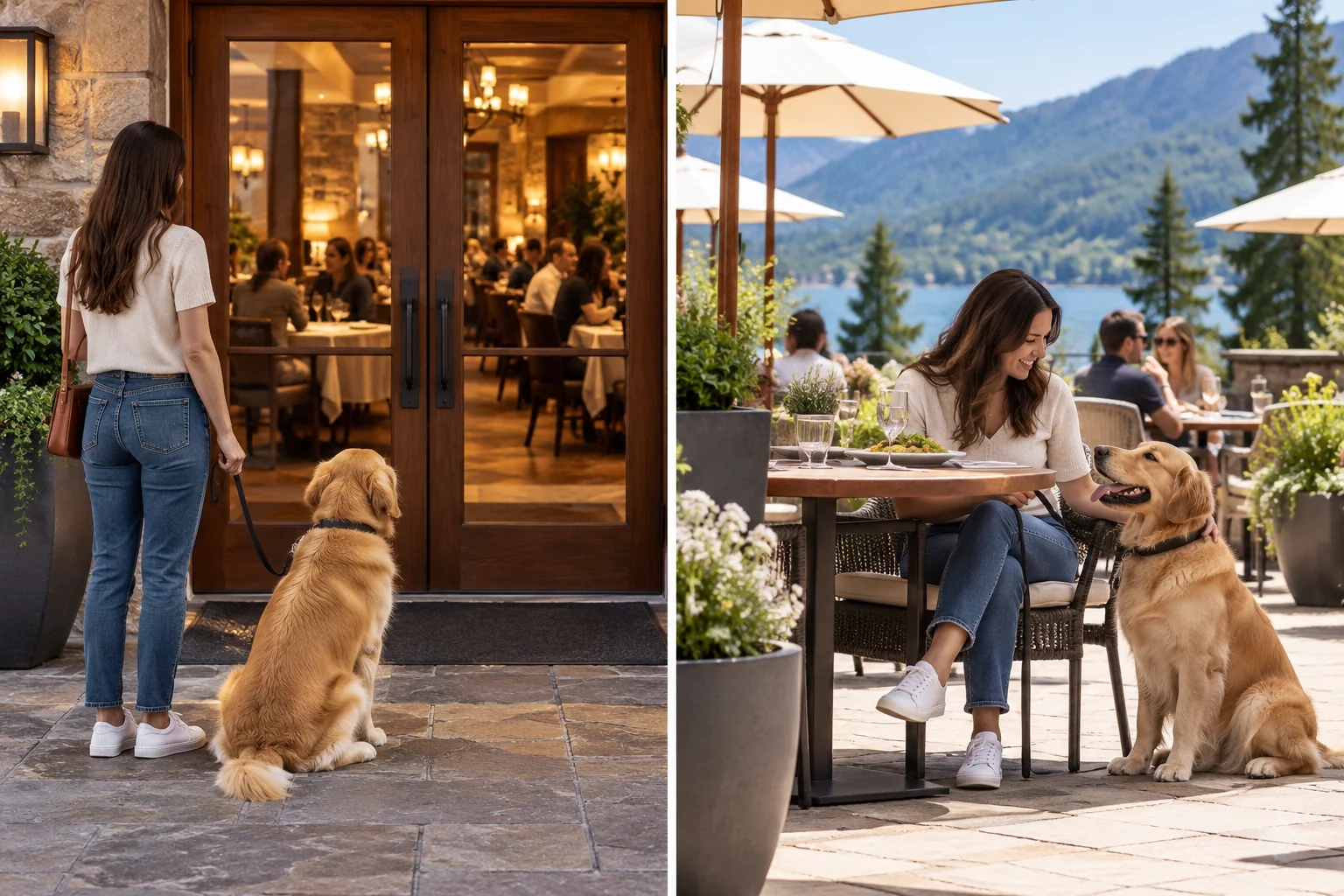
Plan what happens when people eat or visit an area where dogs are not allowed. A pet-friendly room does not automatically make a restaurant, spa, shuttle or guided activity dog-friendly. Some properties allow dogs on a particular patio but not inside dining rooms; weather and operating hours can change whether that option works. Ask where the dog can go, whether sitting is offered, and whether it must be arranged in advance.
Do not assume that leaving a dog alone is allowed. The property may require supervision, and a dog that is comfortable at home may react differently to a strange room or unfamiliar sounds. Parks Canada says pets must not be left unattended in its protected places. Make a plan before booking: split the group for a meal, find a confirmed pet-friendly option, arrange permitted care, or choose a different itinerary.
Two more roofed-stay options to research
Jasper National Park: designated oTENTiks
At Whistlers Campground, Parks Canada identifies oTENTiks 4A and 4B as pet-permitted units and says the other units are pet-free. These are furnished camping structures, not a full-service lodge. The park lists beds and basic furnishings, while guests bring bedding, cooking equipment and other supplies. Check the current Jasper oTENTik page and reservation system for the exact unit, dates, restrictions and current campground status.
Wildlife and seasonal closures matter more than the distance shown on a map. Ask Parks Canada about current dog restrictions before selecting a trail; some areas have rules that protect caribou and other wildlife. Keep the dog controlled, give wild animals room and have a shorter alternative if a trail is closed or the weather changes. A designated pet unit is not a blanket permission to take a dog everywhere in the park.
Fundy National Park: specific yurt and oTENTik units
Parks Canada’s Fundy accommodation information identifies selected pet-permitted units, including yurt Y4 and particular oTENTiks. It says pets must be leashed and must not be left unattended. Check the current listing and unit number in the reservation system; similar-looking units may have different pet rules.
Compare what you must bring with a private lodge stay. A roofed camping unit may require bedding, cooking supplies and a walk to shared facilities. Ask about access for your dog, weather exposure and the route to a permitted walking area. This alternative can suit a family comfortable with a campground; it should not be marketed as a serviced lodge or an available room without checking dates.
Compare the whole cost of the trip
Start with the accommodation total for the exact unit and number of nights. Add the quoted pet fee, taxes and any non-refundable cleaning charge, then look at the deposit and cancellation deadline. Include parking, park admission, transport and any meals that are not covered. Two properties with the same nightly rate can have very different totals once those pieces are included.
On 30 October 2026, Long Beach Lodge’s welcome information lists $65 for up to two pets and $100 for three or more; its FAQ describes a $65 per-stay fee. The pages do not explain every combination in the same detail. Confirm the number of pets, how the fee applies to your stay and any other charge directly before relying on a budget.
When a low headline price is not the lowest total
Suppose one option includes meals and another has a kitchen but requires groceries. Estimate the meals you would actually buy and consider whether the dog can join you at the relevant venue. If a shuttle or tour does not carry pet dogs, a rental vehicle or a supervised alternative could change the plan and the cost. Compare the same dates, number of travellers, dogs and included services across both options.
Build a route around your dog’s needs
Plan the drive as well as the stay. Check how long your dog can comfortably travel, where a safe break can fit and how you will carry drinking water and familiar food. Confirm access to a veterinary service in the destination area before a remote trip. If your dog has a medical condition or needs medication, discuss the trip with its own veterinarian and carry medication in its original packaging as appropriate.
At trailheads, read current restrictions and keep the leash length within the rule for that place. In Parks Canada places, the agency says dogs must be on a leash no longer than three metres and under physical control, with additional area-specific restrictions. Choose a shorter lead when necessary for control and do not approach wildlife for a photograph. Keep waste contained and use the disposal facilities indicated by the land manager.
Prepare a weather alternative. Coastal rain can leave a dog wet for hours, while mountain temperatures may change sharply between the parking area and a trail. A towel and suitable resting place can help, but no packing list guarantees that a particular walk is safe. If the route is beyond the animal’s comfort or the conditions change, shorten it or remain near the accommodation.
If a group wants a guided outing, ask the operator whether ordinary pet dogs—not only service animals—are accepted on that exact departure, vehicle and activity. Service-animal access listed on an excursion is not proof that pet dogs may join. Get the answer before purchasing a non-refundable ticket and confirm the meeting point and cancellation policy.
A small walking kit for a lodge stay
Affiliate links: We may earn a commission from qualifying purchases, at no extra cost to you. We have not field-tested these items. Check the selected model, current price and delivery options on Amazon.
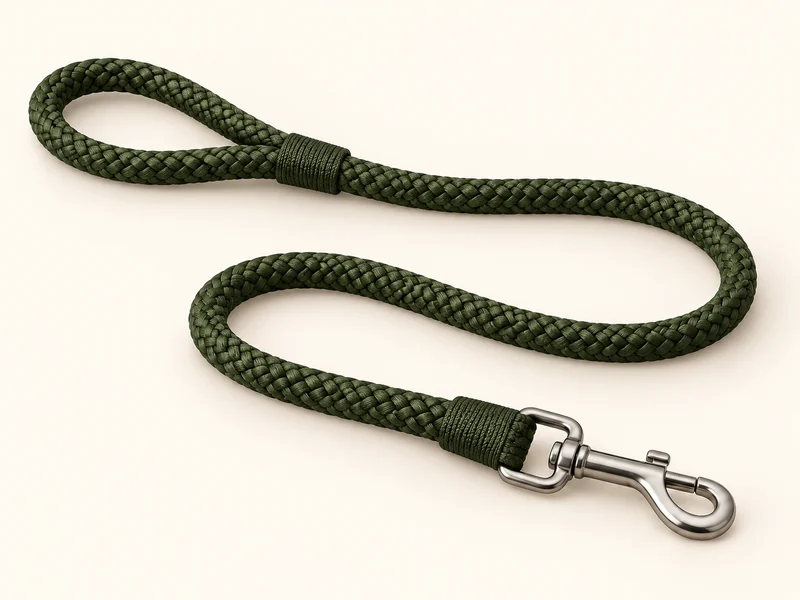
For walks on lodge grounds
Amazon Basics Round Dog Leash, 6 ft
- Six-foot rope lead for walks where that length is permitted.
- Fixed-length design for keeping a dog close on lodge grounds.
- Check the clasp, your dog's size and the property's leash-length rule.
Local rules can require a shorter lead. Confirm the attachment and suitability for your dog.
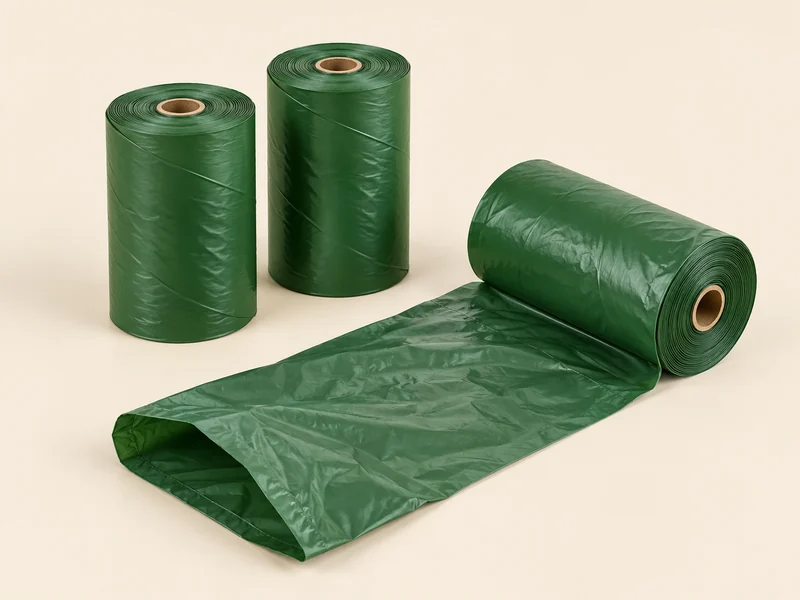
For collecting dog waste
Earth Rated Dog Waste Bag Refills, 270 bags
- 270 bags supplied on refill rolls.
- Compact rolls can be carried in a dispenser or walking bag.
- This listing is lavender scented; choose another variant if you need unscented bags.
Dispose of waste according to the destination's instructions.
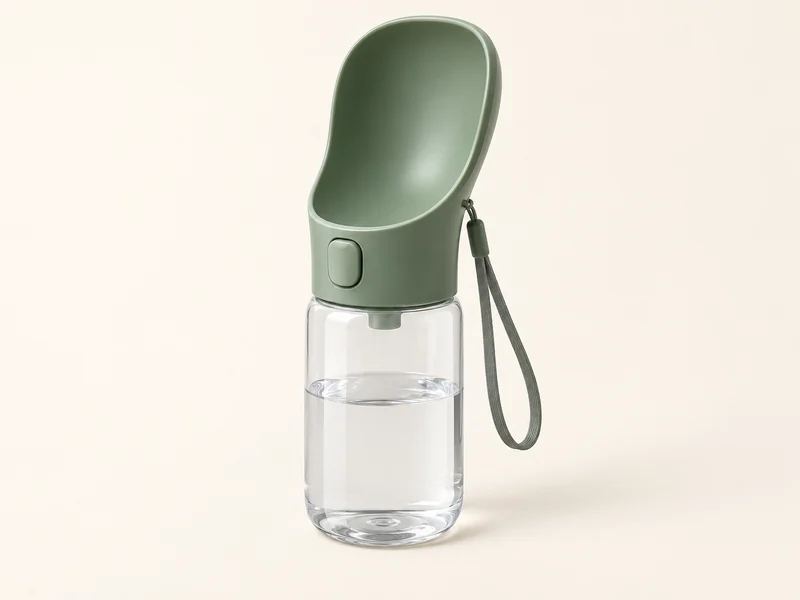
For water on a walk
Cibaabo Portable Dog Water Bottle
- Portable bottle with a drinking attachment for offering water on walks.
- The listing includes a food container and filter; selected size is 10 oz.
- Carry drinking water and check capacity and cleaning access for your dog's needs.
Carry enough drinking water for the whole outing and a backup suited to the route. Check cleaning instructions.
Common questions
Are all rooms in a pet-friendly lodge open to dogs?
No. A property may designate only selected units. Confirm your exact room and pet before booking.
Can dogs enter every national-park trail?
No. Restrictions can apply to specific trails, beaches and wildlife areas, and temporary closures can change. Check the relevant park’s current information.
Are oTENTiks the same as lodges?
No. An oTENTik is a roofed camping structure with beds and furniture. Services and supplies differ from those of a private lodge.
Is the Mount Engadine dog fee included in the room price?
The lodge lists a separate $25 nightly dog fee in its published policy. Confirm current booking-channel terms, the exact unit and applicable taxes directly.
Can I leave my dog alone while dining?
Do not assume it is permitted or suitable. Ask the property about its rule and plan supervision; in Parks Canada protected places the agency says not to leave pets unattended.
Keep planning your outdoor stay
Compare other British Columbia wilderness lodges after checking each property’s actual pet policy. A comfortable stay starts with a unit and itinerary that fit your animal, not a general “pets welcome” label.