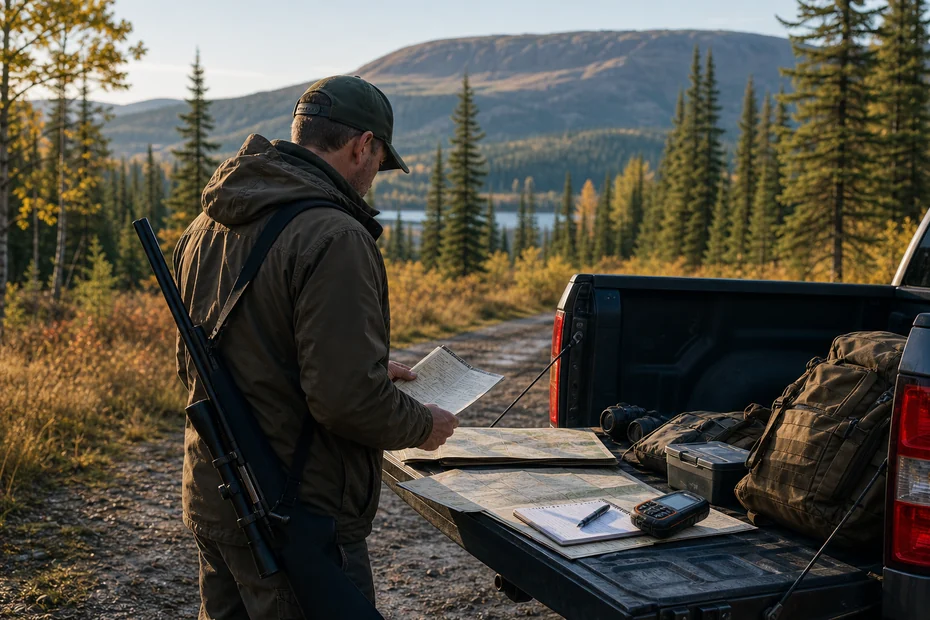
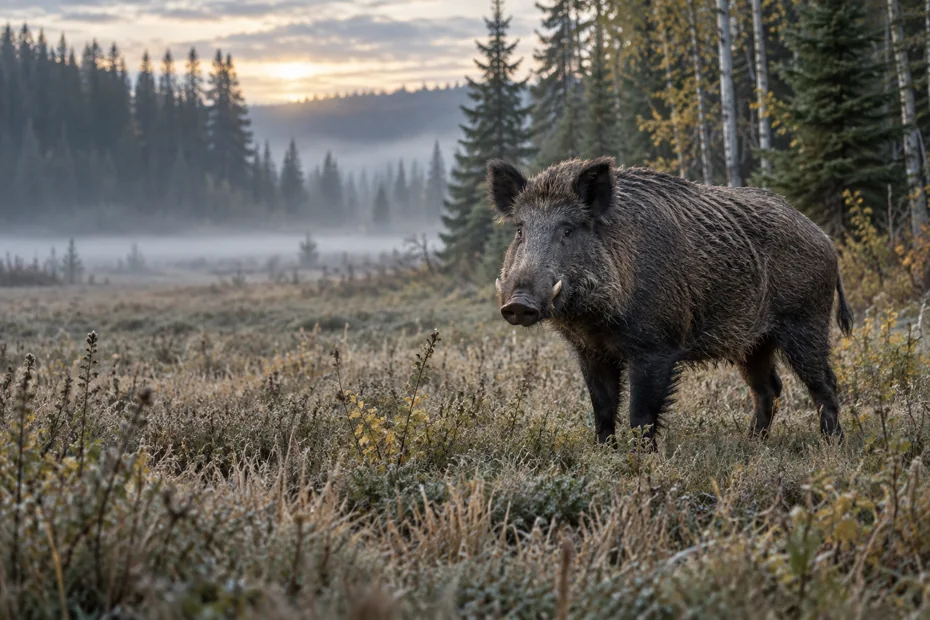
If you are asking about Sustainable hunting practices, value comes from combining local context with a simple decision tree before committing time and budget. In Canada, this means weighing destination details, timing, legal requirements, and water behavior together instead of treating the topic as isolated advice. Keep Sustainable hunting practices actionable by defining your objective and selecting only the tools and actions that directly support that objective on the target day. The most common issue with Sustainable hunting practices is too much complexity, unclear fallback planning, and skipping legal or safety checks. At CanadaFever, a strong workflow for Sustainable hunting practices combines field notes, official updates, and concise execution habits under real trip pressure. A good Sustainable hunting practices strategy is to test one change per loop, compare outcomes, and refine only what is proven by results. This keeps the topic useful for quick runs and longer trips because preparation is structured, repeatable, and easy to improve over time. Sustainable hunting practices is a practical keyword for people planning real actions on CanadaFever, from first research to on-water execution.
Canada hunting regulations guide for 2026: separate federal firearm and border rules from provincial licences, tags, zones, outfitter requirements and field proof.