
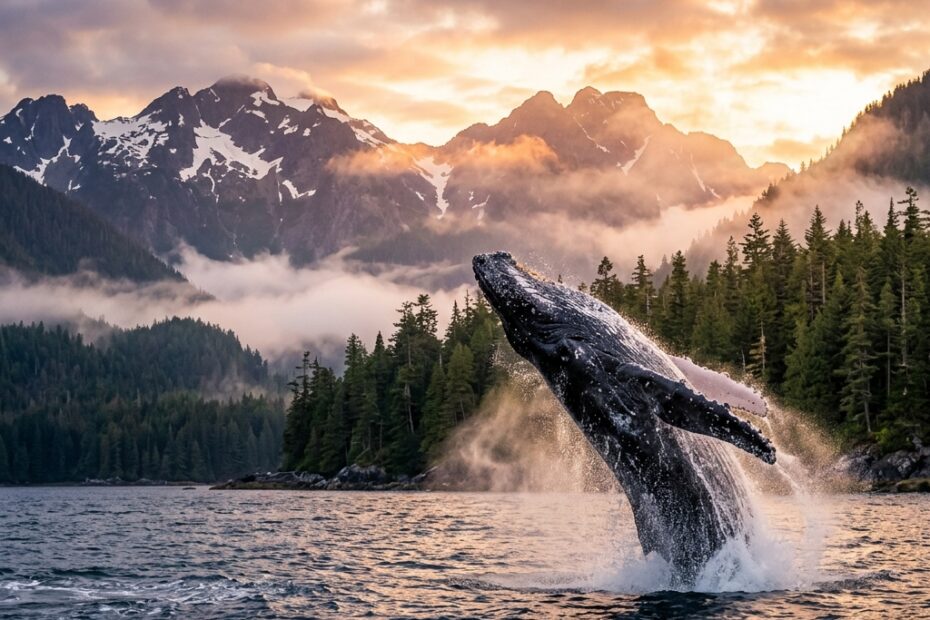
Discover the best whale watching tours in Canada. Expert guide to Vancouver Island orcas, Tadoussac belugas, Bay of Fundy humpbacks, and Newfoundland puffin tours.
- Use Whale Watching Tours in Canada to understand habitat, seasonal movement, and signs without disturbing animals or sensitive areas
- Plan viewing distance, timing, optics, and weather around the species and location you are visiting
- Respect closures, local rules, and safety buffers, especially around large animals, nesting sites, and remote access
Bottom line Whale Watching Tours in Canada is most rewarding when you combine patience, distance, habitat knowledge, and current local guidance
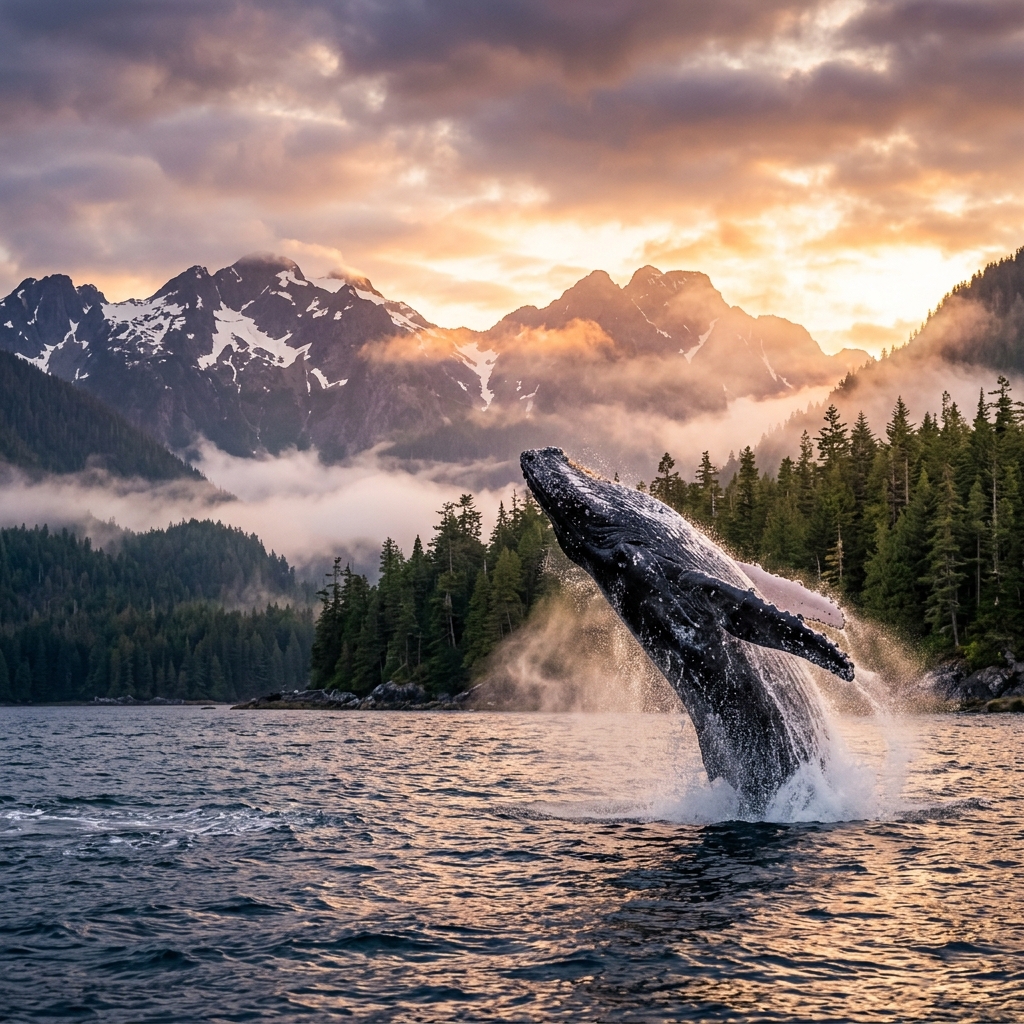
Canada is bordered by three oceans—the Pacific, the Atlantic, and the Arctic—and is home to some of the most nutrient-rich marine ecosystems on Earth. These waters serve as critical feeding, breeding, and migratory corridors for over thirty species of cetaceans. From the acrobatic humpback whales of the Bay of Fundy to the iconic killer whale pods of Vancouver Island and the smiling white belugas of the Arctic estuary, Canada offers unparalleled whale watching opportunities.
Narrow the Pacific shortlist with the best orca tours Vancouver Island guide, organized by base and vessel.
For travelers planning a marine safari, understanding the intersection of geography and timing is crucial. Unlike resident species, most of Canada’s giant baleen whales migrate thousands of miles annually, arriving in coastal feeding grounds only during specific months. Booking a tour at the wrong time or in the wrong place can result in empty waters. In contrast, timing your trip to coincide with the peak plankton blooms or salmon runs offers a near-guaranteed look at these majestic marine mammals.
In this guide, we detail the premier whale watching hubs across Canada, provide a professional seasonal sighting calendar, share packing checklists, and feature our interactive Whale Sighting & Migration Tracker to help you design the perfect wilderness getaway.
⚡ Key Takeaways: Canada Whale Watching
- Pacific Peak (BC): The best window for killer whales (orcas) and humpbacks off Vancouver Island is July through September, coinciding with the salmon migration.
- St. Lawrence Estuary (Quebec): The confluence of the Saguenay and St. Lawrence rivers near Tadoussac is a biological hotspot, hosting resident belugas year-round and migrating blue and fin whales from June to October.
- Atlantic Giants (Atlantic Canada): The Bay of Fundy and the coast of Newfoundland see massive humpback, minke, and fin whale populations from mid-summer through autumn.
- Arctic White Belugas: Churchill, Manitoba, hosts the world’s largest gathering of beluga whales (nearly 60,000) in the Hudson Bay estuary from July to August.
- Ethical Viewing: Always choose operators aligned with Canada’s Marine Mammal Regulations, maintaining a strict 100 to 400-meter buffer distance to protect the animals.
Premier Whale Watching Regions in Canada
Canada’s whale watching destinations are divided into three distinct coastal systems, each offering unique underwater topographies, temperature zones, and whale species.
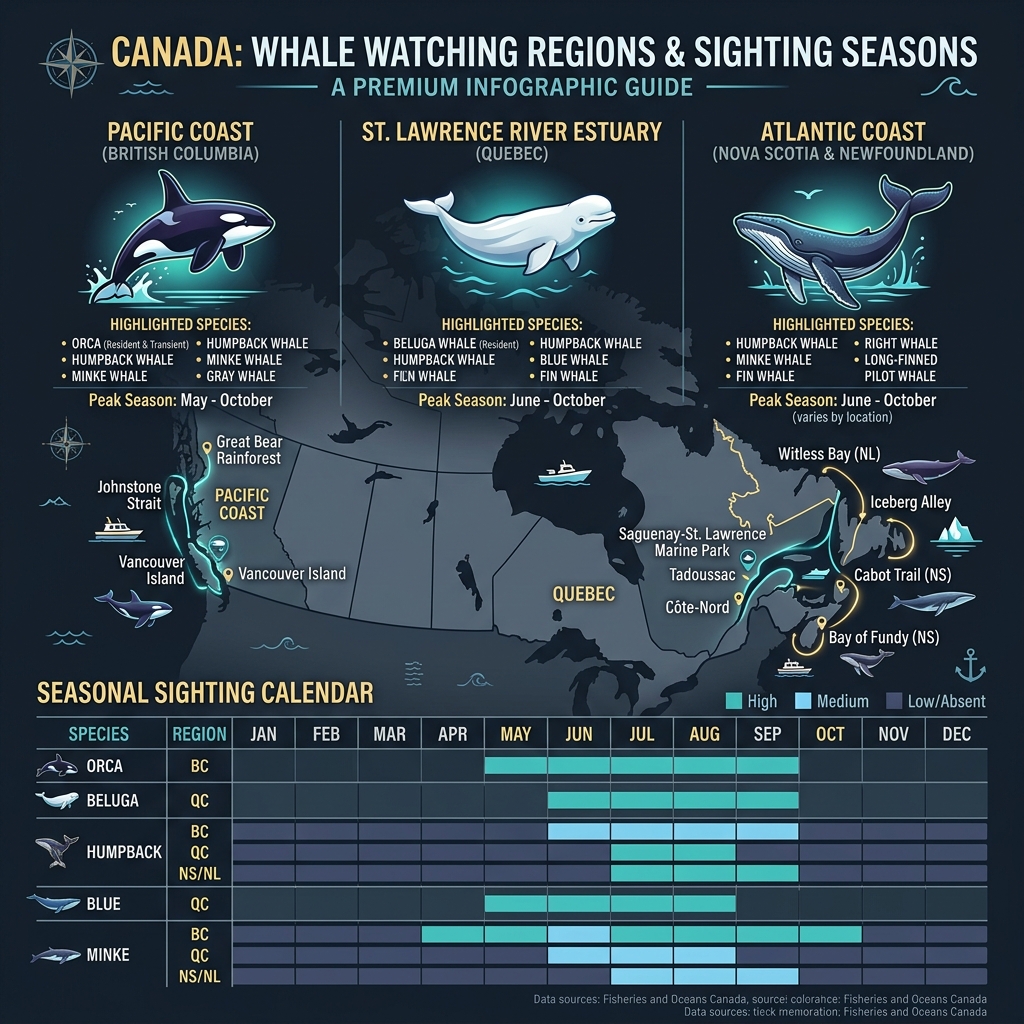
Here is an in-depth breakdown of Canada’s three primary whale watching systems:
1. The Pacific Coast: British Columbia
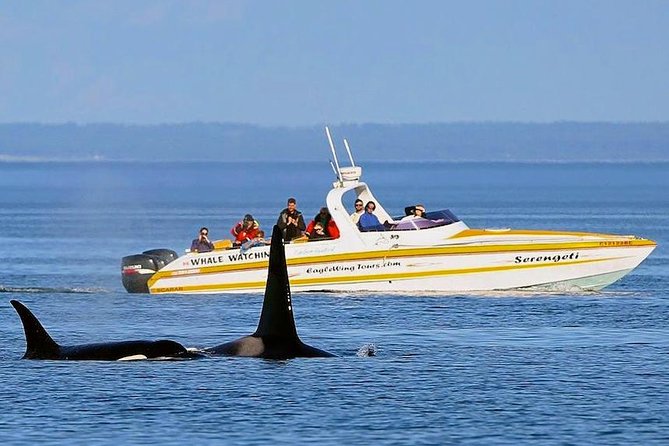
The waters surrounding Vancouver Island—specifically the Johnstone Strait, the Blackfish Archipelago, and the Salish Sea—are globally famous for killer whales (orcas). The region is home to two distinct ecotypes of orcas: “Resident” pods (which feed strictly on chinook salmon) and “Transient” or Bigg’s orcas (which hunt seals and porpoises). Additionally, massive humpback whales have made a spectacular comeback along the BC coast, alongside gray whales migrating along the west coast of Vancouver Island.
- Flagship Species: Orcas (Resident and Bigg’s Transient), Humpback Whales, and Gray Whales.
- Peak Season: May to October (Peak July – September).
- Primary Hubs: Victoria, Telegraph Cove, Campbell River, and Vancouver.
- Tour Experience: High-speed zodiac safaris, stable catamaran cruisers, and sea kayaking in Robson Bight. You can combine marine tours with coastal bear watching tours in BC or book Halibut charters in BC for a complete wilderness vacation.
2. The St. Lawrence River Estuary: Quebec
Where the cold, salty water of the Labrador Current meets the warm freshwater of the Saguenay River, a massive upwelling of nutrients occurs. This creates an extraordinary buffet of krill and small fish in the St. Lawrence River Estuary. It is one of the few places on Earth where you can view up to thirteen species of marine mammals in a single day, including the massive blue whale (up to 100 feet long), fin whales, minkes, and the small, pure-white resident beluga whales.
- Flagship Species: Beluga Whales, Blue Whales, Fin Whales, and Humpback Whales.
- Peak Season: June to October (Peak August – September).
- Primary Hubs: Tadoussac, Baie-Sainte-Catherine, and Gaspé.
- Tour Experience: Zodiac shore excursions, medium-sized ferry cruisers, and sea kayak tours launching from the mouth of the Saguenay Fjord.
3. The Atlantic Coast: Newfoundland & Nova Scotia
Atlantic Canada is characterized by deep fjords, towering icebergs, and ocean currents that bring vast schools of capelin close to shore. In Newfoundland, this draws the world’s largest gathering of humpback whales, who feed alongside millions of nesting seabirds (including puffins). In Nova Scotia, the Bay of Fundy acts as a natural funnel for migrating humpbacks, right whales, and fin whales, who take advantage of the massive 50-foot tides that stir up nutrients twice daily.
- Flagship Species: Humpback Whales, Minke Whales, North Atlantic Right Whales, and Fin Whales.
- Peak Season: June to September (Peak July – August in Newfoundland, August – September in Bay of Fundy).
- Primary Hubs: Witless Bay (Newfoundland), St. John’s (Newfoundland), Brier Island (Nova Scotia), and Cape Breton (Nova Scotia).
- Tour Experience: Historic sailing schooners, rigid-hulled inflatable boats (RHIBs), and coastal puffin-and-whale cruises.
| Region & Hub | Primary Species | Peak Months | Sighting Rate | Unique Highlight |
|---|---|---|---|---|
| Johnstone Strait, BC | Resident & Transient Orcas, Humpbacks | Jul – Sep | 95% + | Robson Bight rubbing beaches |
| Tadoussac, QC | Resident Belugas, Blue Whales, Fins | Jun – Oct | 90% (Belugas 99%) | Confluence of Saguenay Fjord |
| Witless Bay, NL | Humpback Whales, Minke Whales | Mid Jun – Aug | 90% | Whales feeding beside icebergs & puffins |
| Bay of Fundy, NS | Humpbacks, Right Whales, Fin Whales | Aug – Sep | 95% | Nutrient upwellings from 50-foot tides |
| Churchill, MB | Arctic Beluga Whales | Jul – Aug | 100% | Thousands of belugas in shallow river mouth |
The Guide’s Log
We rolled gently in the swells of the Bay of Fundy, the diesel engines of our catamaran cut to a silent idle. The morning fog was just starting to burn off, leaving a soft gray wash across the water. Suddenly, the silence was shattered by a loud, hollow, metallic *whoosh* that echoed across the bay.
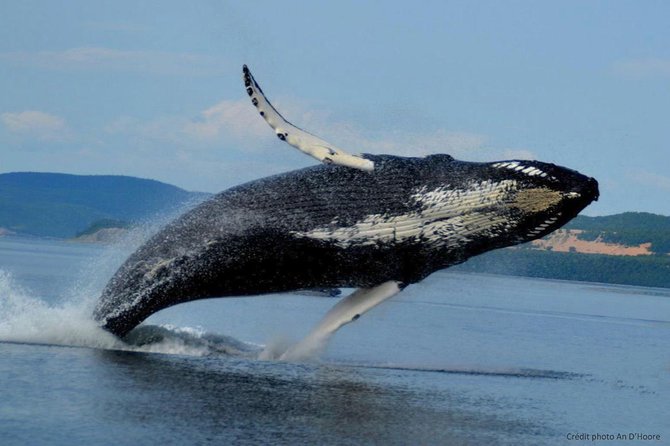
Just sixty yards to our starboard side, a massive humpback whale emerged. It was a mature female known locally as “Midnight” due to the dark pattern on the underside of her tail flukes. She took a series of deep breaths, her blow rising fifteen feet into the damp air like a plume of white steam. Then, she arched her back, her humped spine rolling through the water, and slipped beneath the surface. A few seconds later, her massive flukes rose completely out of the ocean, water streaming off the edges in slow motion before disappearing into the deep.
Moments later, the water began to boil with activity. Schools of herring, driven upward by the whale’s bubble net, broke the surface. In an explosion of white water, Midnight breached completely out of the sea, her 40-ton body suspended in the air for a fraction of a second before crashing back down with a thunderous boom that shook our boat. To stand on a small vessel and witness such raw, magnificent power is a reminder of why whale watching is a bucket-list Canadian experience.
Interactive Tool: Whale Sighting & Migration Tracker
Select a whale species and adjust the calendar month slider to check peak sighting rates, migratory behaviors, and local booking insights.
August
Interactive Simulator: Toggle whale species and months to view sighting probabilities and behaviors.
What to Pack for a Canadian Whale Watching Tour
Whale watching in Canada is a coastal adventure that takes you into cold, open water. Because of the “marine air effect,” air temperatures on the ocean are typically 5 to 10 degrees Celsius (10 to 20 degrees Fahrenheit) colder than on the shoreline. Whether you are riding on a high-speed open zodiac in Tadoussac or a cruise catamaran in Victoria, preparing the right gear is essential for a safe and comfortable trip.
1. Marine Layering and Protection
To stay warm and dry, you should pack:
- Waterproof Shell: A high-performance waterproof and windproof jacket. Many zodiac tours provide heavy-duty flotation suits, but having your own windproof shell is vital for catamaran decks.
- Warm Layers: Bring a fleece sweater, a down jacket, a warm beanie (toque), and gloves. Even in August, crossing open water at 25 knots feels freezing.
- Footwear: Closed-toe shoes with good traction (like rubber-soled sneakers or hiking boots). Catamaran decks get wet and slippery, and open zodiacs require stable footing.
2. Recommended Optics and Water Protection
Spotting a distant spout or photographing a fast-moving pod requires high-quality optics and reliable waterproof storage to protect your electronics from salt spray.
🔭 The Essential Spotting Tool
Celestron Outland X 8×42 Binoculars (B004KM82IQ)
Spotting whale blows on a distant horizon or scanning shorelines for coastal wildlife requires quality optics. The Celestron Outland X 8×42 features multi-coated optics for high contrast, nitrogen-filled fogproofing, and a fully waterproof rubber armor exterior. The 8x magnification provides a wide field of view, making it easy to track moving whales from a rolling boat deck without losing your balance. It is highly durable and perfect for rugged marine outings.

Affiliate Disclaimer: As an Amazon Associate, CanadaFever earns from qualifying purchases. This helps support our Canadian outdoor research at no extra cost to you.
📱 Vital Salt Spray Protection
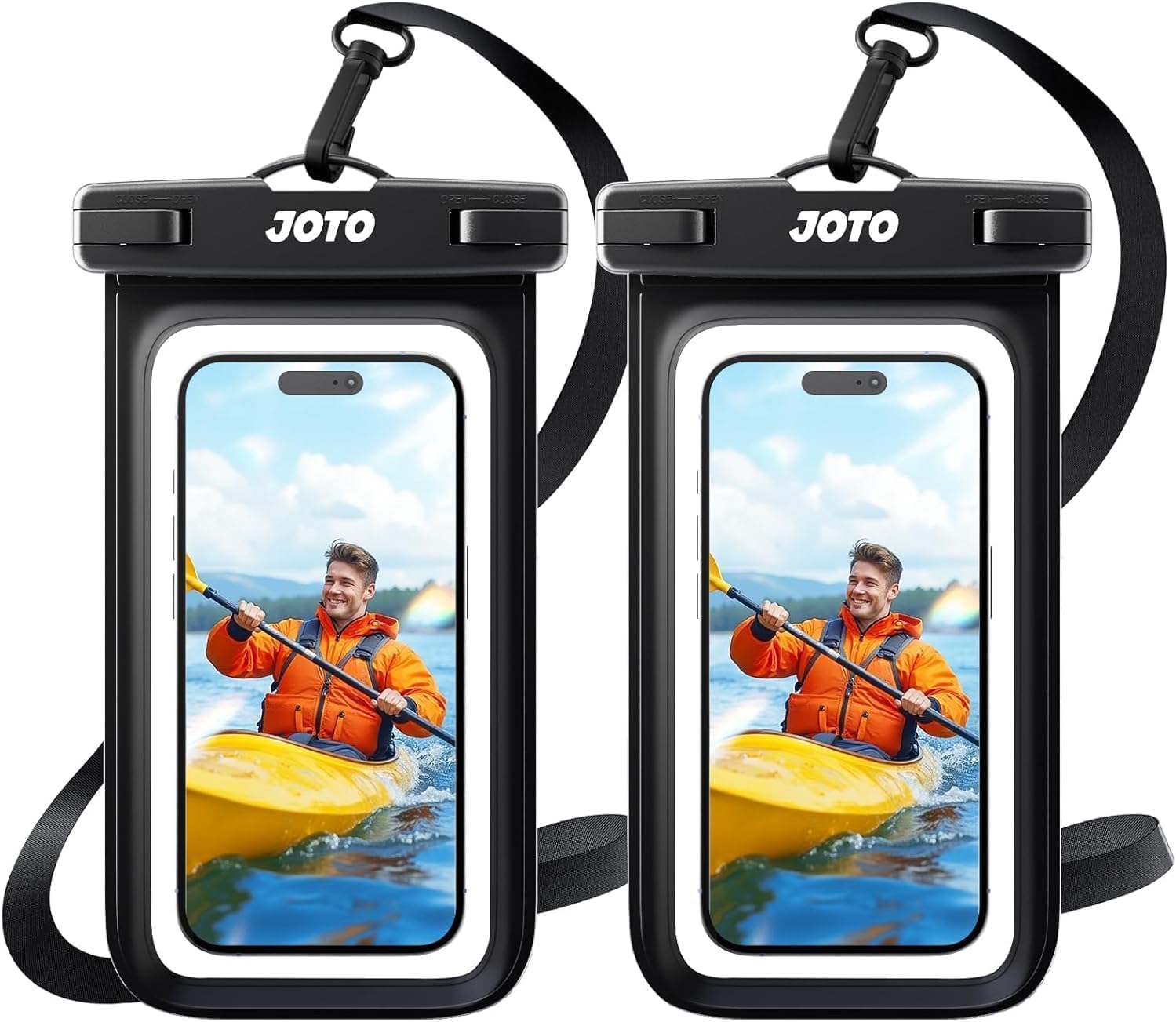
JOTO Universal Waterproof Phone Pouch (B07V8HGM7T)
Taking photos of breaches and pods on a high-speed zodiac boat exposes your smartphone to constant salt spray and splashing water, which can ruin electronics instantly. The JOTO Waterproof Pouch is IPX8 certified waterproof up to 100 feet and features a clear double-sided window that allows you to use your phone’s touch screen and camera functions seamlessly. It comes with a secure neck lanyard, keeping your phone safe from slipping out of your hands into the deep ocean.
Affiliate Disclaimer: As an Amazon Associate, CanadaFever earns from qualifying purchases. This helps support our Canadian outdoor research at no extra cost to you.
Ethical Whale Watching & Canada’s Marine Regulations
Whales in Canada are protected under the Fisheries Act’s Marine Mammal Regulations, which outline strict laws to protect cetaceans from disturbance, noise, and vessel strikes. All reputable outfitter tours operate in compliance with these guidelines, and self-guided kayakers or boaters are legally required to know and respect them. Review our resources on wildlife viewing tours and responsible wildlife viewing for complete conservation details.
1. Approach Distance Requirements
Canadian law mandates specific approach distances for vessels:
- 100 meters: Minimum approach distance for most whales, dolphins, and porpoises in Canadian waters.
- 200 meters: Minimum distance when approaching a whale that is resting or with its calf. Also the standard distance for killer whales (orcas) in all Pacific waters.
- 400 meters: Minimum approach distance for threatened Southern Resident killer whales in the coastal waters of British Columbia (specifically the Salish Sea and Johnstone Strait).
- No-Approach Zones: Certain critical feeding sanctuaries are closed to all motorized traffic during peak seasons (such as Robson Bight in BC).
2. Vessel Operation Protocols
When in the presence of whales, operators must follow:
- Maintain a constant speed of less than 7 knots when within 400 meters of a whale.
- Avoid sudden course changes. Never squeeze whales between a boat and the shoreline, or trap them between multiple vessels.
- If a whale approaches your boat, put your engine in neutral and wait for the animal to pass before slowly moving away.
Current bookable tour listings
Choose a whale-watching tour by region and vessel
These current Viator listings cover British Columbia and Quebec with distinct departure bases and boat formats. Compare comfort, mobility limits, weather policy and the complete marine-wildlife experience—not a promised sighting.
Victoria · Larger wildlife vessel
Victoria Whale and Wildlife Cruise
A practical option for Victoria itineraries and mixed groups that prefer a larger purpose-built wildlife vessel.
- Departs from Fisherman’s Wharf in Victoria
- Naturalist-led Salish Sea wildlife route
- Check the exact vessel and accessibility option
Tadoussac · Small-group Zodiac
Tadoussac Small-Group Whale Watching Cruise
A Quebec choice for travellers staying near Tadoussac or Baie-Sainte-Catherine who want a lower, more exposed viewing platform.
- Runs in the Saguenay–St. Lawrence Marine Park
- Approximately two and a half hours
- Open Zodiac format is colder and more physical

Nanaimo · Small open boat
Whale Watching Nanaimo Open Boat Tour
A central-island option for travellers who want a smaller group and a more exposed open-boat ride.
- Four-hour route departing from Nanaimo
- Small-group open-boat format
- Anti-exposure gear and restrictions should be confirmed
Affiliate disclosure: CanadaFever may earn a commission if you book through a sponsored Viator link, at no extra cost to you. Images come from the corresponding Viator experience listings. Availability, schedules and operator details can change; verify the exact listing, date and cancellation terms before booking.
Continue planning: For a Québec-specific decision, compare the best Tadoussac whale-watching tours by large boat, Zodiac, wildlife combination and city transfer.
Frequently Asked Questions (FAQ)
What is the best boat type for a whale watching tour?
It depends on your comfort preference. Zodiacs (rigid-hulled inflatable boats) are fast, sit low to the water for close views, and are highly maneuverable, but they offer a bumpy ride and no restrooms. Catamarans/Cruisers are large, stable, have enclosed heated cabins, restrooms, and observation decks, making them ideal for families, seniors, and photographers who want a steady shooting platform.
How likely am I to get seasick during a tour?
It depends on the location. Estuary tours (like Tadoussac or Churchill) and sheltered straits (like Johnstone Strait in BC) have very calm waters with minimal swells. Open ocean cruises (like off Tofino or in the open Atlantic near St. John’s) can experience rolling swells. If you are prone to motion sickness, book a larger catamaran rather than a zodiac, take preventive medication 1 hour before departure, and focus on the horizon.
Can I see icebergs and whales at the same time?
Yes! Along the coast of Newfoundland (specifically in the Witless Bay area or Twillingate), the spring iceberg season overlaps with the arrival of migrating humpback whales from mid-June to early July. This creates the spectacular opportunity to view giant whales feeding beside massive floating ice islands.
Are whale watching tours safe for children?
Large catamaran and cruiser tours are perfectly safe and highly recommended for children of all ages. However, open zodiac tours usually enforce strict safety rules, such as a minimum height requirement (typically 4 feet or 120 cm) and age limits (often 6 or 8 years and older) due to the fast speed and active bouncing of the boats.
What is the best camera setup for whale photography?
A telephoto zoom lens is essential. A 70-300mm or 100-400mm lens provides the flexibility needed to capture tight crops of breaches and tail flukes while allowing you to zoom out for landscape shots. Use a fast shutter speed (at least 1/1000s) to freeze action on a moving boat, and use a polarizing filter to reduce glare on the water’s surface.
Conclusion
From the mist-cloaked fjords of British Columbia to the massive tides of Nova Scotia and the ice-cold estuaries of the Arctic, Canada offers some of the most diverse and high-density whale watching on the planet. By aligning your travel window with seasonal cycles using our tracker, packing the right thermal marine layers, and booking with certified ethical operators, you are guaranteed a safe, awe-inspiring, and profoundly memorable Canadian ocean safari.
Pack your waterproof pouch, grab your binoculars, and book your tour to witness one of nature’s greatest spectacles firsthand.
Affiliate & Expert Disclaimer: CanadaFever is a participant in the Amazon Services LLC Associates Program and a Viator Partner. We may earn a commission if you purchase or book through our links, at no extra cost to you. This content is intended for informational purposes and reflects field-tested tactics. Always adhere to local marine regulations and safety guidelines. (Assisted by AI for research formatting).
Where this fits: For a national planning route before choosing a whale region, start with the Wildlife Viewing in Canada pillar and compare marine viewing with safety, season, parks, and tour options.