

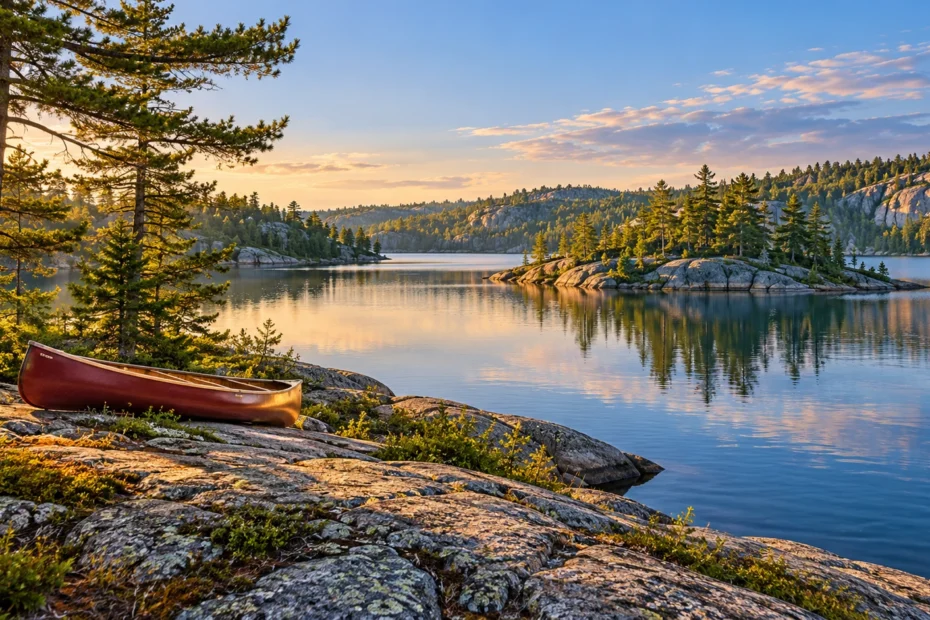
Explore Ontario's top fishing spots, from lakes to rivers, perfect for every angler seeking adventure!
- Use Discovering the Best Good Fishing Spots in Ontario to match destination, season, access, and budget to the kind of trip you actually want
- Check licences, local rules, travel logistics, weather, and booking windows before locking in dates
- Compare locations by practical fit: target species or activity, remoteness, services, safety, and backup options
Bottom line Discovering the Best Good Fishing Spots in Ontario becomes easier when you choose the destination around timing, access, rules, and your real trip style
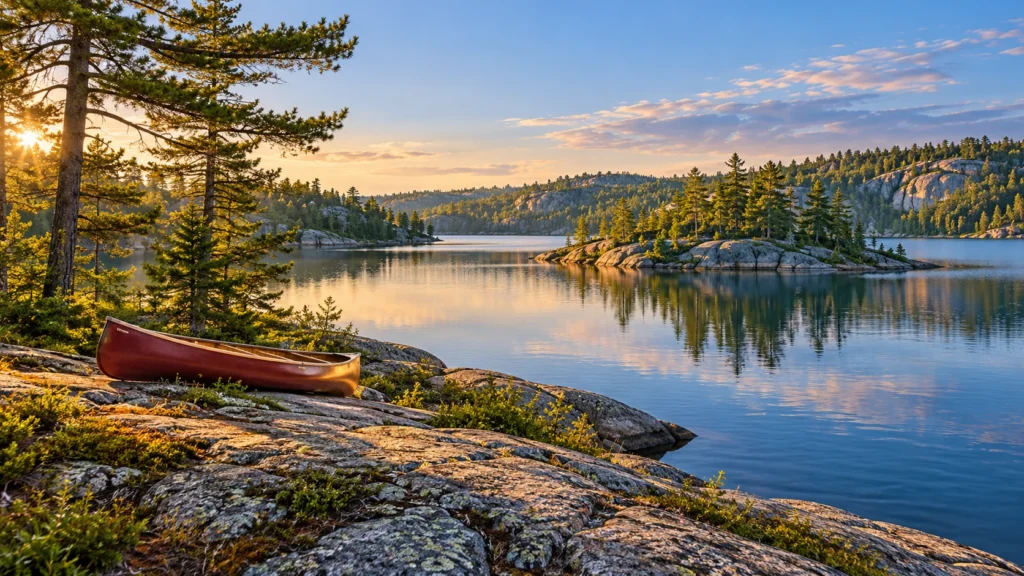
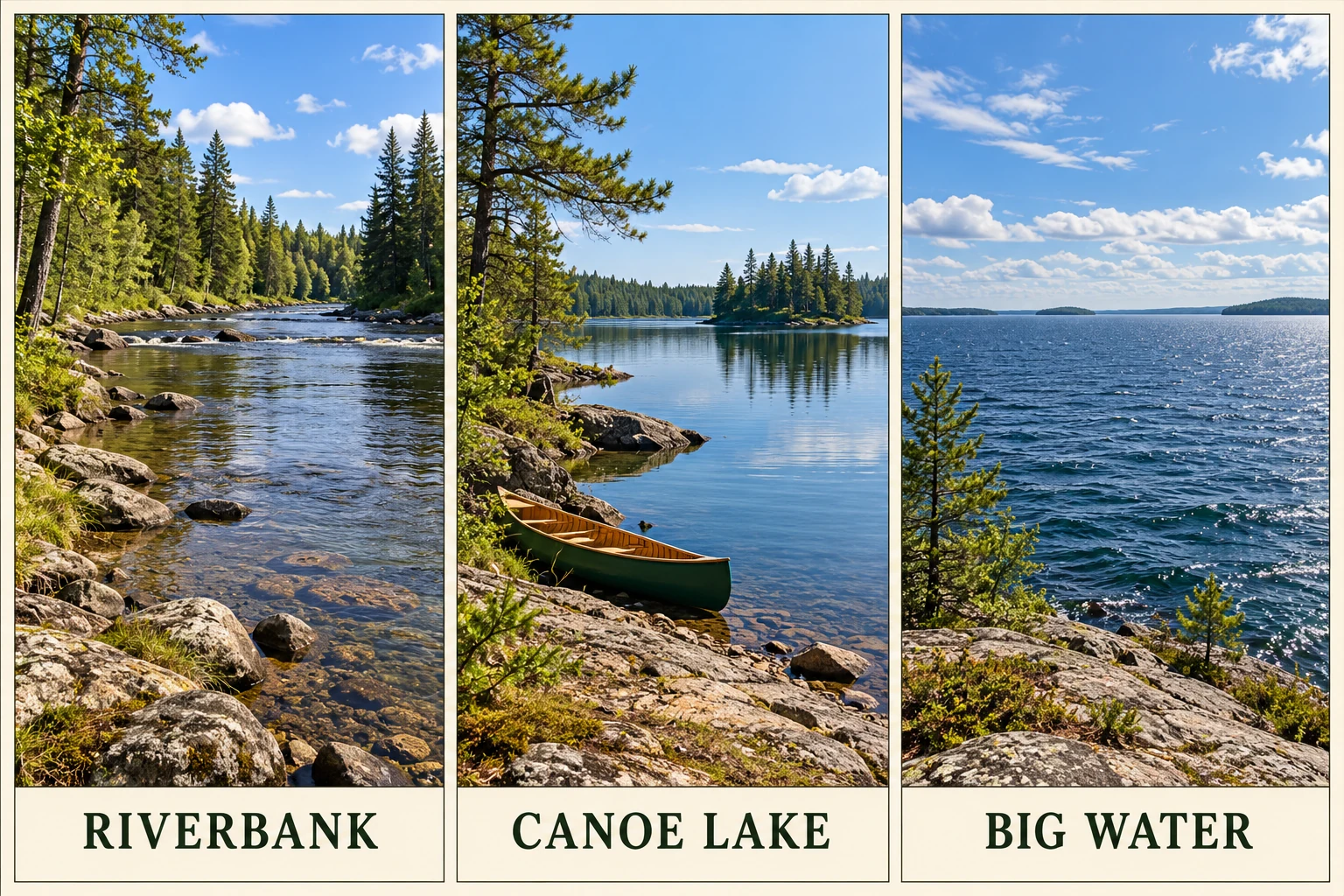
Good fishing spots in Ontario range from a Grand River shore day to a canoe route or a large-water charter. Choose the water, access and trip format that suit your group, then check the current rules for the exact place and date.
Five Ontario fishing destinations to compare
Ontario is too varied to choose a fishing spot from a province-wide list alone. The useful choice starts with a specific access point, a waterbody and the people coming along. A family shore trip on the Grand River, a self-propelled Algonquin canoe route and a guided Great Lakes outing ask for different skills, budgets and weather decisions. These five starting points help you narrow the options; none is a promise that a species is open on your dates.
Quick comparison: Brant Conservation Area offers a shore or canoe starting point near Brantford. Algonquin is an option for a planned paddle and portage route. Lake Nipigon is a large northern water with distinctive exceptions. Lake Erie suits a launch-specific or guided Great Lakes plan. Georgian Bay rewards careful route selection among sheltered and exposed stretches.
Grand River near Brantford: a shore-focused day
The Grand River Conservation Authority identifies Brant Conservation Area as a place to fish from shore or a canoe and mentions pike, pickerel and bass. Confirm the area’s current season, opening hours and admission before making it the centre of a family day. Think about the walk from parking to the bank and whether young anglers can cast without crossing someone else’s line. A short outing can leave time for a picnic or an early return if the river is high.
Conditions differ along a river. The authority’s water safety guidance warns that flows may change without warning. Stay away from dams and control structures and obey barriers and signs. Check rules and any sanctuary for the exact stretch and species; an open conservation area is not an all-species fishing permit. Leave private land and marked restricted areas alone.
Algonquin Provincial Park: build the route before packing
Algonquin’s appeal is the choice between a straightforward paddle and a longer backcountry route. The park’s backcountry guidance describes planning and special fishing restrictions, including a prohibition on possessing or using live baitfish. Check the lake-specific rules, the current route and any camping reservation requirements for the dates. A lake that looks close on a map may be separated by a portage that takes time and effort in both directions.
Ontario Parks notes that motorboats are prohibited on most park lakes, with named exceptions and horsepower limits. Its activities page is a starting point; use the current park and fishing regulations for the particular lake. On a first canoe outing, favour a route that leaves time to practise launching and landing and to return before the group is tired. A compact lure selection and securely stowed hooks make more sense than equipment that occupies the space needed for safe paddling.
Lake Nipigon: a northern lake with specific rules
Lake Nipigon is one of the prominent waters in Ontario’s FMZ 6 overview. The province describes fisheries for species including lake trout, walleye and northern pike across the zone. That list is a starting point for research, not an inventory of every bay. Pick an access point and ask whether your boat, navigation skills and spare time suit the exposure. If the trip depends on a guide or lodge, find out the departure location and the limits of its weather policy.
The lake and nearby waters have specific exceptions in the provincial summary. They cannot be replaced with a general zone-wide season. The Nipigon River and Nipigon Bay exception also closes walleye and sauger all year within the defined waters; the precise boundary matters. Allow for travel to a northern launch, possible lodging and a weather day. Large-water plans are more resilient when the return route does not depend on pushing through worsening conditions.
Lake Erie: choose the launch before the target
Ontario identifies Lake Erie as FMZ 19 on its zone overview. That is the beginning of the regulations lookup, not the last step: find the relevant water, species and exceptions before fishing. Decide where you can launch, where you will park and whether the forecast suits the vessel. A marina’s proximity to the lake does not mean a long open-water crossing is appropriate for a small boat.
A charter can simplify the equipment decision if the operator’s departure and schedule fit your group. Ask whether the price is for the boat or each person, what tackle is provided and who arranges licences. If your priority is a particular method rather than a boat ride, ask what the crew expects clients to do during the trip. On an independent trip, choose a destination you can reach and return from within your own limits, with an alternative if the launch or weather does not work out.
Georgian Bay: match the itinerary to exposure
The provincial overview places Georgian Bay and the North Channel in FMZ 14, while exact zone boundaries and local exceptions still need checking. Islands and bays make attractive scenery, but the route between a launch and a sheltered area can be exposed. Plan around daylight, wind and the group’s familiarity with navigation. Keep the route short enough to adjust if conditions change and do not treat an island-filled chart as evidence that every passage is protected.
A charter or guide can help an unfamiliar visitor understand the format of a day, but agree on the departure point, target and weather terms in advance. A shore-based group should first establish public access and parking rather than assuming that every shoreline can be reached. For a paddling trip, reserve time for breaks and landing; fishing has to fit the route, not consume the time needed to return.
How to match the water to your trip
Start with the kind of day your group can actually enjoy. Brant Conservation Area is a reasonable first comparison for a short trip because the manager describes shore and canoe fishing. A shore visit avoids renting a boat, although bank conditions and public access still need attention. Pick one access point and allow time to walk it before setting up. A cast from a clear bank with room behind you is easier to manage than trying to squeeze between people or overhanging branches. On a busy day, have a second permitted spot in mind.
Algonquin changes the planning equation. A route with a single lake and a short paddle may suit a group whose priority is learning to travel together. A route with several portages involves unloading, carrying and repacking as well as fishing time. Compare the distance and portage length to the least experienced person’s comfort, then leave daylight and energy for the return. Keep hooks covered while travelling and separate tackle from food and spare clothing. A campsite reservation is a separate decision from whether the intended fishing is allowed.
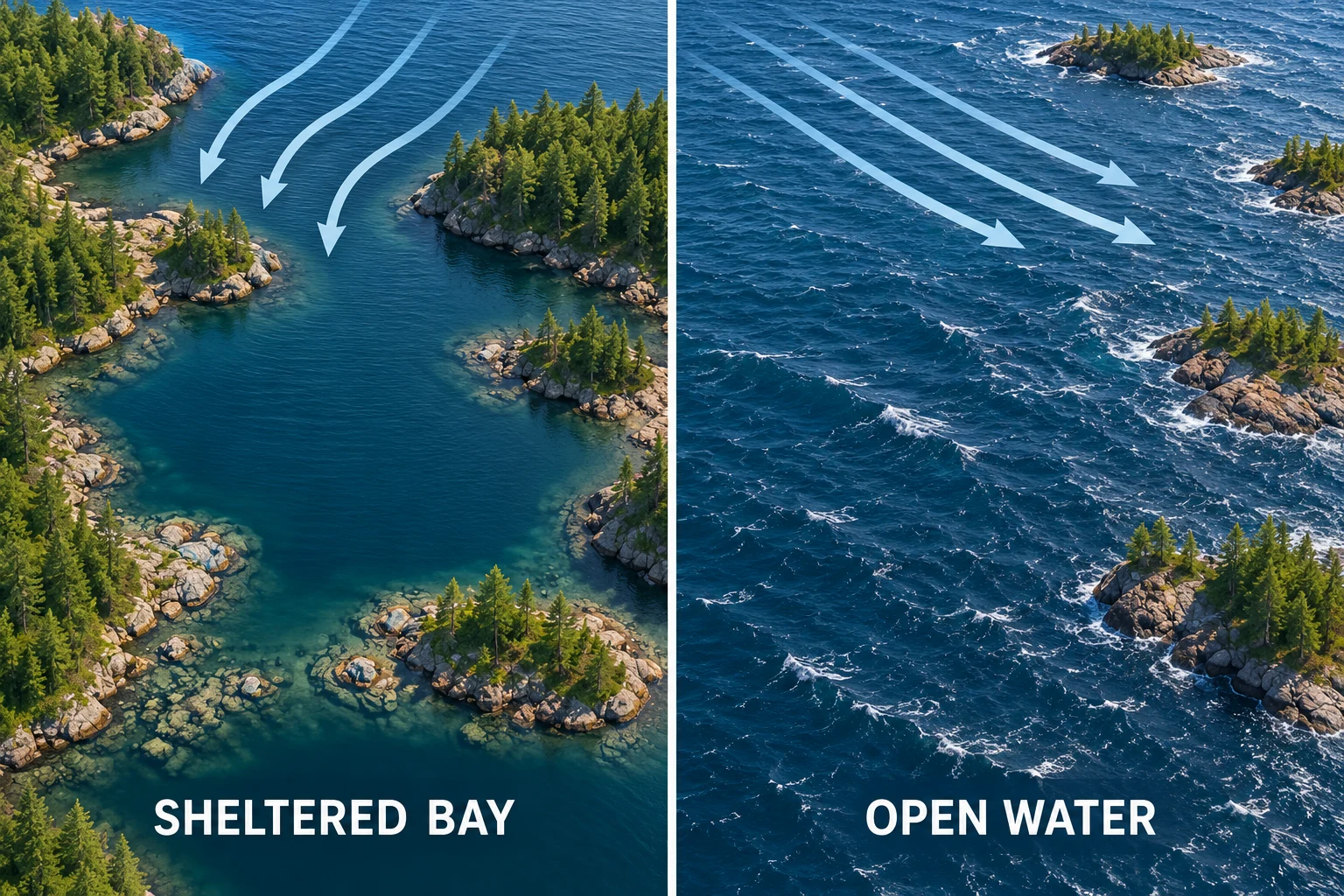
Lake Nipigon and the Great Lakes require another kind of judgment. A short distance across an open bay can be uncomfortable or dangerous when wind and waves build. Wind strength and duration, the distance it travels over water, shoreline shape and local conditions all affect waves; a sheltered-looking bay is not automatically safe. A suitable boat and a skipper familiar with its limits matter more than the number of rods aboard. Decide where to turn back before departure, carry the required safety equipment and wear an appropriate personal flotation device. If conditions exceed the group’s ability, a sheltered alternative or a day ashore is a better plan than trying to salvage a booking.
Season, species and the actual water
Seasonal advice is most useful after you have identified a species and water. In spring, for example, a river trip can be affected by high flows while some lake access points may still be opening for the season. In summer, longer daylight may make a canoe day easier to organize, but it does not remove the need to budget travel time and breaks. Autumn trips need an earlier return plan as daylight contracts, and cold water raises the stakes of a capsize even on a sunny afternoon.
Do not infer an opening from a general description of a fishery. Ontario’s Fish ON-Line guide helps locate the water and management zone; then use the current regulations summary for both the zone-wide rule and any exception for the precise water. A sanctuary can prohibit all fishing, while a species closure, catch-and-release condition or gear restriction has a different meaning. If a planned presentation is allowed but the species cannot be targeted, that does not create permission to target it.
Lake Nipigon illustrates why the second lookup matters. The FMZ 6 summary lists lake-specific rules, including one barbless hook in the described Lake Nipigon and tributary waters. It also identifies a year-round fish sanctuary in West Bay north and west of the north tip of Boles Island. Those details are a reason to read the boundary carefully, not a suggested route to that sanctuary. The page can change; use the current text on the day you plan.
Regulations also deal with bait movement. The same FMZ 6 page identifies its bait-management zone and limits moving live or dead baitfish and leeches across zone boundaries, with an exception described for dead preserved bait. If a trip crosses a management-zone boundary, check the current bait rules before buying or transporting bait. Wash and dry equipment as directed by provincial guidance so that plants and organisms do not move between waters.
Compare real charter quotes
A guided boat can be useful if you do not own a boat suited to the water, but the advertised rate is only one part of the decision. Ask for a written quote that states the group size, dock-to-dock duration, whether fuel and tackle are included, the licence responsibility, fish-cleaning fees and the weather cancellation policy. Confirm the departure point: a Lake Ontario trip starting in Scarborough is a different travel day from one starting at the western end of Lake Erie.
For a concrete price example, Kings Landing Sport Fishing lists a five-hour half day at $750 for one to four people and says gear and tackle are provided; the guest brings a valid Ontario fishing licence. Its posted dock address is in Scarborough. A separate charter directory labels that same rate Canadian dollars, although the operator’s page uses a dollar sign without naming the currency. Apex Angling lists a Lake Erie trolling half day of up to five hours at $850 for five guests, with HST included; the sixth guest costs $100 more and fish cleaning is listed at $3 per fish. Its page does not specify the currency. Confirm currency and final terms directly with each operator; these are page snapshots checked October 30, 2026, not a promise of a particular date or rate.
On the Kings Landing listing, a four-person group dividing the $750 base would pay $187.50 each before individual licences and any other charges, in the currency confirmed with the operator. The per-person figure does not settle which trip is better: compare the water, departure, target species, operator’s terms and equipment. Ask whether the quoted duration includes travel to fishing grounds, and what happens if weather prevents departure.
Three practical ways to fish the day
From shore: Start by looking for a clear casting lane and a bank that the whole group can use. With a single lure, make a few controlled casts and retrieve steadily enough to feel it working. If it repeatedly snags, change the angle or use a shallower presentation rather than walking into unstable water. Move only where public access permits, and keep hooks away from other people and dogs.
From a canoe: Decide who controls the boat and who casts before lines go out. A lure dragged close behind a slowly moving canoe can reduce repeated casting around a partner, provided the method is allowed on that water. Keep the landing net and pliers where both people know to find them. Stop fishing if boat control, weather or a portage requires full attention; securing the rod is quicker than trying to manage a loose hook while unloading.
With a guide: Explain whether your priority is learning, a relaxed family outing or a particular legal species. Ask the guide to describe how clients participate: setting a rod, casting, retrieving and handling a fish are different experiences from simply taking a turn with a hooked fish. If keeping a fish is a goal, discuss the applicable licence and size requirements before departure and bring a suitable cooler if the operator does not provide one.
For a wider choice beyond Ontario, compare the Canada-wide fishing destinations guide. New anglers can also use the beginner fishing gear guide to build a compact kit rather than buying for every scenario at once.
Ontario fishing questions
Where can I start without a boat?
Brant Conservation Area is one specific place whose manager describes shore fishing. Confirm the area’s hours, access conditions and fishing rules for your species before the trip.
Does an Ontario licence let me fish every lake?
No. The licence must be appropriate for the angler and the trip must also comply with the applicable season, sanctuary, waterbody and gear rules.
Is a sheltered bay always suitable for a canoe?
No. Conditions depend on wind, fetch, shoreline and the boat and paddlers. Consider the whole route and turn back when conditions exceed the group’s ability.
Two practical items for an Ontario trip
Affiliate links: We may earn a commission from qualifying purchases, at no extra cost to you. We have not field-tested these items. Check the selected model, current price and delivery options on Amazon.
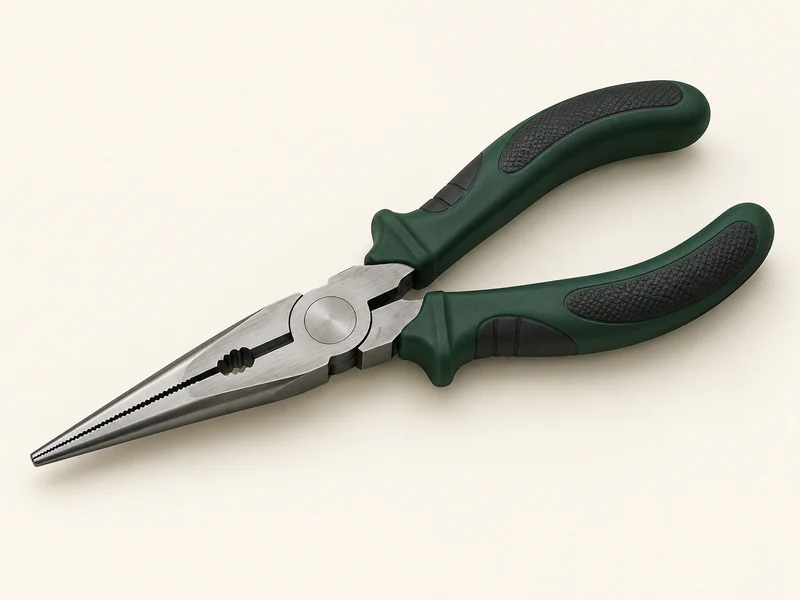
For handling hooks with a tool
Rapala 8½-inch Fisherman's Pliers
- Longer 8½-inch format for reaching a hook with a tool.
- Nickel-plated carbon steel and co-moulded grips.
- Choose a jaw size that suits the hook and fish; avoid unnecessary handling time.
Choose a size suited to accessible hooks and your fish. For a deeply embedded hook, follow local fish-handling guidance instead of pulling forcefully.
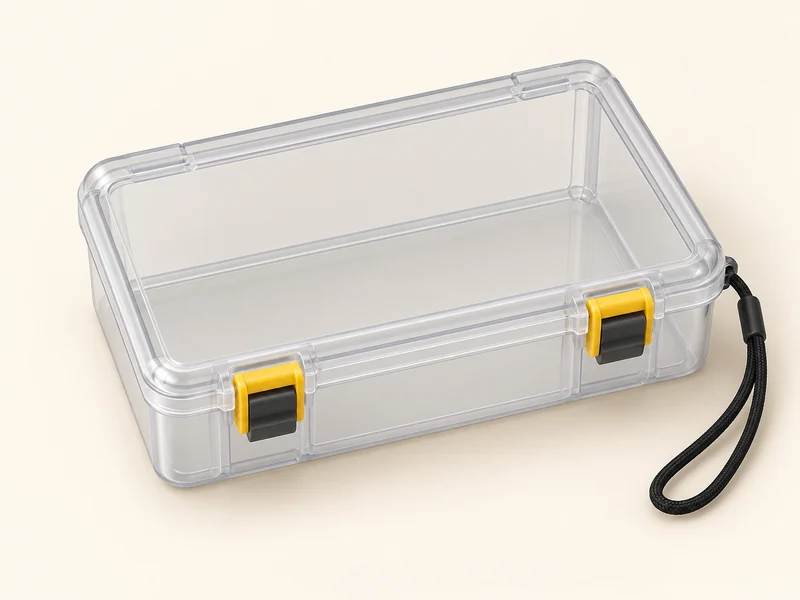
For organizing small essentials
Plano Guide Series 3600 Field Box
- Medium storage box listed at 11 × 7 × 4 inches.
- Clear/yellow case with a wrist strap for small essentials.
- Check the seal and closure before trusting it with electronics.
The listing describes an O-ring lid and cam-action latches. Consider the rigid case's bulk when packing for a tight fly-in allowance.