

Arctic grayling fishing in Canada starts with the exact water and local rules. Its tall, sail-like dorsal fin helps identify it; access, retention and seasonal restrictions can differ between nearby waters. In the Northwest Territories, use the current territorial species table and area rules before planning a trip.
Identify an Arctic grayling
The Arctic grayling (Thymallus arcticus) is a northern freshwater fish with a prominent dorsal fin. The Northwest Territories fish species guide describes a sail-like dorsal fin and blue, pink and purple tones; the fin is especially pronounced in males. Colours and the appearance of fins vary with fish, light and condition, so compare several features with a reliable regional guide rather than using a single colour as proof.
| Observation | What it can help with | What it does not establish |
|---|---|---|
| Tall dorsal fin | A useful grayling identification clue | Permission to fish or keep the fish |
| Northern stream or lake | Context for a likely species | A guaranteed population or legal access |
| Fish size | Relevant where a size rule applies | The limit for a different water |
| Local guide or regulation table | Helps identify current rules and exceptions | A substitute for checking updates before departure |
If you cannot identify the fish or determine the rule, follow applicable release instructions and seek local clarification.
For an initial comparison, note:
- The fin, body shape and other visible features together.
- The water and location where the fish was encountered.
- Any uncertainty before deciding whether retention is lawful.
A real example of why the exact water matters
The NWT fish species and catch limits page lists different Arctic grayling limits for different waters and management areas. For Baker Creek near Yellowknife and within 100 metres of its mouth, the page lists grayling catch-and-release only and states that sport fishing for all species in Baker Creek is prohibited from April 15 to June 15. That is a local example, not a rule for every NWT creek. Read the current page for the exact boundary and date.
A zero daily and possession limit can require release where fishing is otherwise permitted, while a seasonal closure can prohibit sport fishing altogether. Do not use the catch-and-release entry to assume a closed water is open to targeting.
Licences, land access and local rules
The NWT licence page explains who needs a sport fishing licence, its validity and additional authorizations for special areas. Some age exceptions apply to the ordinary licence, but special management areas and national parks can require additional authorization for all ages. National park waters have a separate Parks Canada licence system; check the specific area rather than assuming one territorial licence covers it. The Canadian fishing licence overview provides background, but current local rules govern the trip.
Land access is a separate question from a fishing licence. Check whether the water is on public land, Indigenous private land, a park or another managed area and seek any required permission from the responsible authority. Ask an operator to identify the actual water and access route in writing. A lodge booking does not automatically grant access to every nearby water.
The NWT general regulations state that barbless hooks are mandatory for sport fishing and live fish may not be used as bait. Other territories and provinces have their own rules; check the applicable government source for the actual water, date and species. Alberta identifies Arctic grayling as sensitive and publishes a species overview; do not assume the NWT limit or hook rule applies there.
Habitat and a practical fishing approach
Grayling occur in a range of northern freshwater settings. A particular stream or lake may have seasonal restrictions or sensitive populations, and a large region can include waters with very different access and rules. Ask a local authority or knowledgeable operator about the exact water and current conditions rather than assuming every clear stream is an open fishery.
Where fishing is allowed, choose a method suited to the water, the fish and the applicable regulations. Fly or light spinning equipment may be appropriate in some fisheries, but a lure or hook that works elsewhere may be prohibited on the selected water. Confirm the legal method and tackle before buying equipment. The Canada fishing gear overview is a general starting point, not a local rulebook.
For a remote trip, consider weather, water level, travel time and communications as well as fishing. Carry appropriate clothing and emergency equipment, tell someone your route and expected return, and use a local operator or qualified guidance suited to your experience. An open fishery does not establish safe travel or wading conditions.
Reading a grayling stream
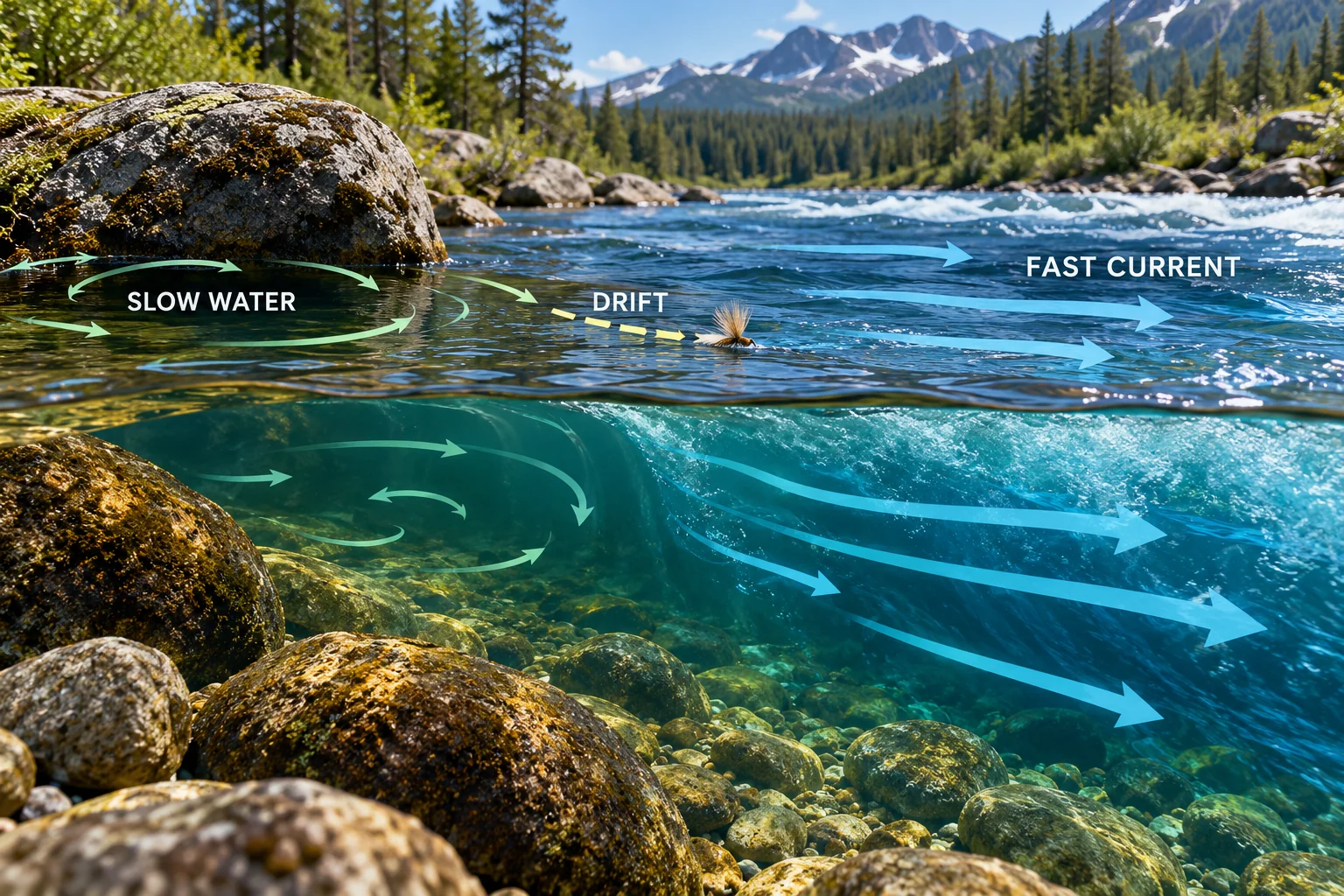
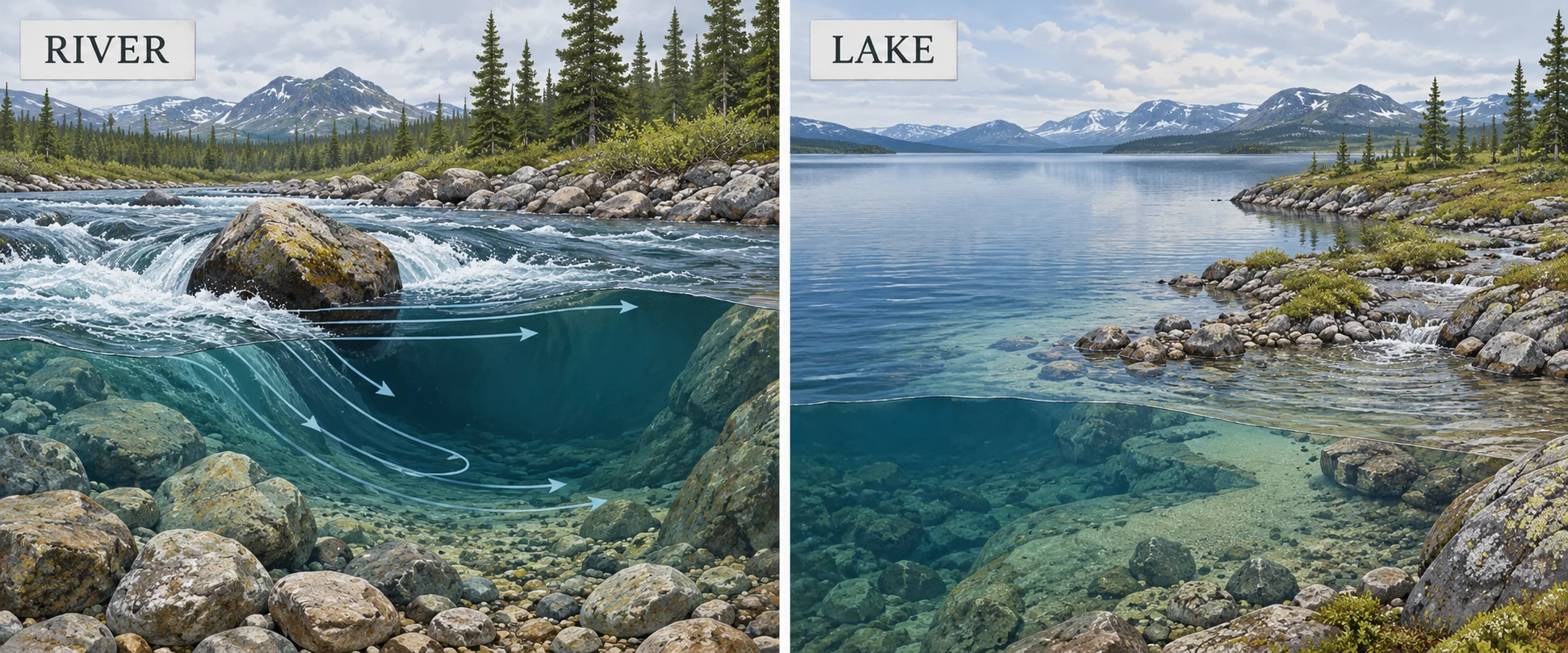
Before choosing a fly, watch the water from a safe position. A riffle can carry food into a deeper pool, while a boulder or bend may create slower water beside the main flow. The Yukon government's fishing guide suggests pools, eddies and water below riffles as places to look for grayling. Its description is a habitat starting point, not a current opening or a guarantee that a particular pool holds fish.
Look for the seam where faster and slower currents meet. Cast from a stable position that does not require stepping into deep or fast water. Start with the near edge before casting across the whole stream; it is easier to see the fly and control a short drift. Move carefully and keep out of the water if footing, temperature or current is beyond your ability. An illustration cannot tell you whether a crossing is safe.
On a lake, the same Yukon guide points readers towards outlets or the mouths of incoming streams. Those places may have special restrictions, including closures near tributaries, and cold water can change quickly. Check the exact boundary and access rules first; fish location is a question to investigate, not an invitation to fish a closed outlet.
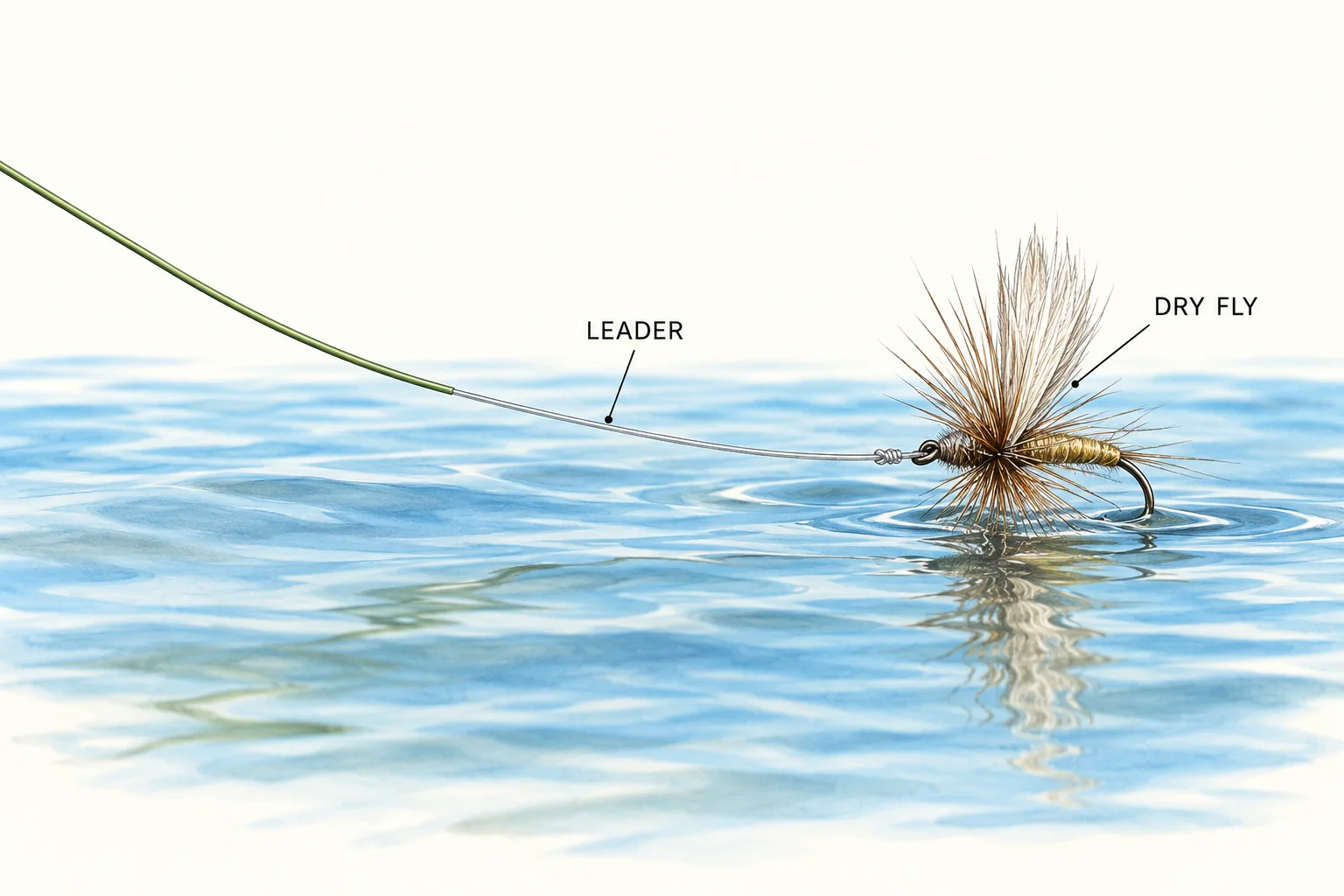
A first dry-fly drift
A dry fly floats on the surface and imitates an insect or other food. If the method is allowed, begin with a simple floating fly and observe the current. The Alaska Department of Fish and Game's grayling guide describes generalized dry-fly and nymph patterns for grayling; it is a technique reference from Alaska, not a source of Canadian fishing rules. For local conditions, ask a fly shop or guide which small patterns match the insects present.
- Make a short cast upstream or across the seam. Give the fly time to float into the area you want to observe without landing on top of a fish.
- Follow the fly with the rod tip. Avoid dragging it abruptly across currents moving at different speeds. If the line pulls the fly unnaturally, retrieve and adjust the angle of your next cast.
- Watch the drift. A rise near the fly is not always a take. Wait until the fish actually takes it before lifting the rod smoothly.
- Change one variable. Shorten the cast, alter the drift, or change fly size one at a time. That makes the result easier to interpret.
- Prepare for release. Use a hook configuration lawful for the water and handle any fish according to current guidance.
A longer cast is not automatically better. If your fly consistently drags, try a position that reduces the amount of line crossing fast water. Do not wade into a hazardous current to reach a preferred angle. If the surface is quiet, a small wet fly or nymph may be worth trying where legal; select weight and depth to maintain control without scraping sensitive habitat.
What to change when the first drift fails
The fly skates across the water: Fast current may be pulling the line more quickly than the fly. Shorten the cast, adjust your position or lift a little line off the water. Make the change from secure footing rather than stepping deeper to force a longer cast.
You cannot see the fly: Choose a visible pattern or watch the section of water where the leader enters. Glare and a rough surface can obscure a small fly; polarized glasses may help, but do not turn a poor view into a reason to approach a fish.
A fish rises but misses: Check the hook and fly for damage, then try another drift before changing everything. A brief look at an insect may not be a committed take. If the fish was released and the water is stressed or warm, consider stopping rather than repeatedly targeting it.
A nymph repeatedly catches bottom: Use less weight, adjust the drift or try a shallower run. A snag is not evidence that fish are feeding there. Do not leave line behind; lost tackle can entangle wildlife. Change techniques if you cannot maintain control.
Simple spinning options
The Yukon guide also describes small spinners, spoons and jigs as grayling options. A compact spinner can be useful when you need to cover a small pool; retrieve at a pace that keeps the blade working without repeatedly snagging bottom. A small jig can be drifted near the bottom in a larger river where legal, but adjust weight to the flow and watch the line for changes in tension. Hook, bait and method rules vary by water, and NWT barbless-hook rules still apply.
Match the outfit to the lure and the fish rather than choosing the heaviest tackle. A modest rod, line appropriate for the lure and a way to remove the hook are a practical starting kit. Extra equipment has a cost in weight and packing space on a remote trip. A landing net with suitable mesh may help support a fish while it remains in the water, but follow local advice and avoid lifting a fish by its dorsal fin.
Gear examples to compare
Affiliate disclosure: CanadaFever may earn a commission from purchases through these links at no extra cost to you. Check the exact model, price and Canadian delivery before buying.
- Redington Original freshwater fly outfit: a 9-foot, four-piece rod-and-reel package. The listing describes reel, fly line, leader and case; confirm the selected line weight and inclusions. A nine-foot rod can be awkward in tight brush, so compare shorter outfits for small creeks.
- Rapala 8.5-inch Fisherman's Pliers: a tool to compare for handling hooks. Check dimensions and whether it fits your use; the equipment itself does not guarantee safe fish handling.
Fly outfit and hook-handling options
Affiliate links: We may earn a commission from qualifying purchases, at no extra cost to you. We have not field-tested these items. Check the selected model, current price and delivery options on Amazon.
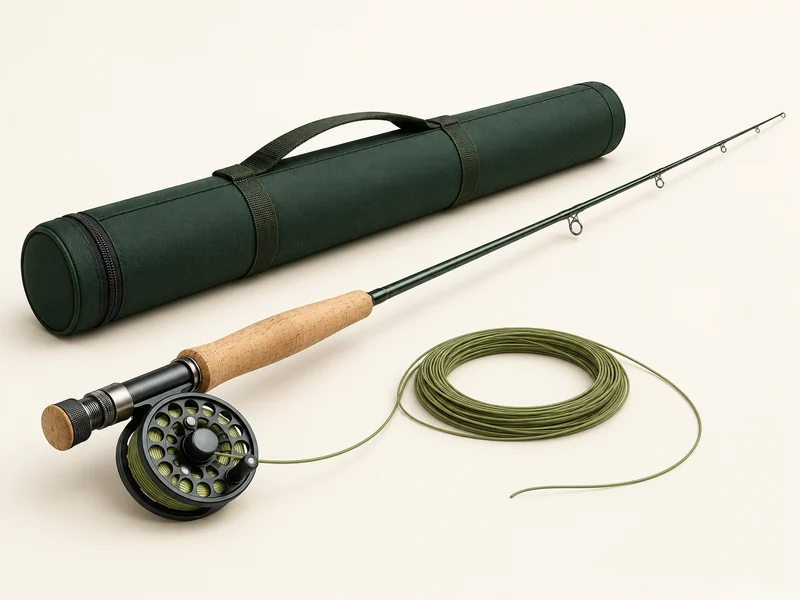
For a freshwater fly setup
Redington Original Freshwater Fly Outfit
- Nine-foot, four-piece rod with a Crosswater reel.
- The listed freshwater package includes Rio fly line, leader and travel case.
- Confirm line weight and inclusions; a nine-foot rod needs room around streamside brush.
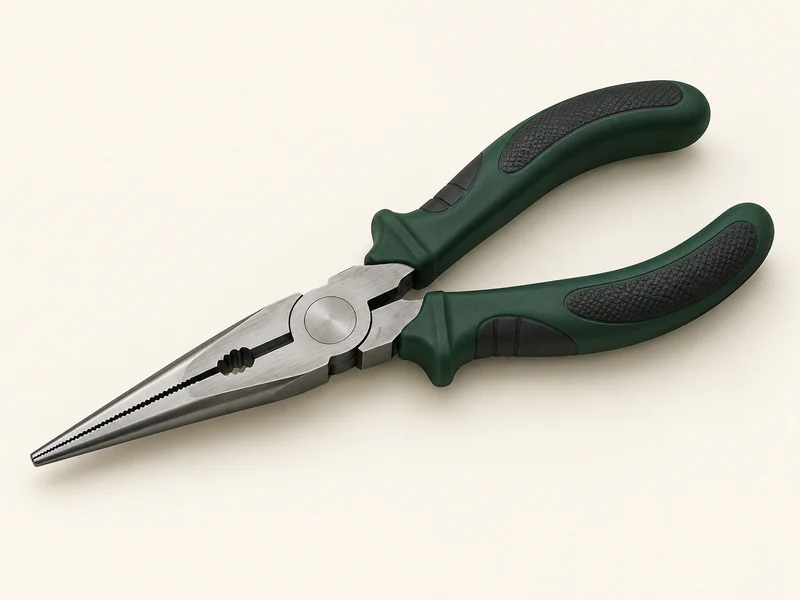
For handling hooks with a tool
Rapala 8½-inch Fisherman's Pliers
- Longer 8½-inch format for reaching a hook with a tool.
- Nickel-plated carbon steel and co-moulded grips.
- Choose a jaw size that suits the hook and fish; avoid unnecessary handling time.
Choose a size suited to accessible hooks and your fish. For a deeply embedded hook, follow local fish-handling guidance instead of pulling forcefully.
Check these pliers on AmazonThe listing describes products; it does not establish a current sale price or delivery to Canada. You can use an existing suitable outfit rather than buying a new kit for one trip.
Handle fish with care
If a fish must be released, the NWT recommends minimizing the fight and handling, keeping the fish in the water if possible, avoiding its gills and eyes, and not squeezing it. Read the current NWT catch-and-release guidance and any local rule for the water. Handle a fish only when needed, and do not hold it by its dorsal fin for a photograph. The fish-unhooking guide provides additional handling context.
Release is not harmless, and it does not authorize fishing during a closure. Prepare suitable gear before fishing, work efficiently and follow instructions from the responsible authority. If water or weather conditions raise concerns, ask the local authority whether fishing should be avoided or postponed.
Frequently asked questions
How can I identify an Arctic grayling?
The NWT identifies the tall sail-like dorsal fin and iridescent blue, pink and purple tones as notable features. Compare the whole fish with a reliable regional guide; appearance alone does not establish a legal limit.
Is Arctic grayling fishing open everywhere in the NWT?
No. Rules vary by water and area. The NWT species table includes a seasonal all-species fishing closure for Baker Creek as well as local grayling retention restrictions.
Does catch-and-release mean I can fish during a closure?
No. A closure can prohibit fishing altogether. Read both the general and water-specific rules for the planned dates.
Do I need a fishing licence in the NWT?
Most anglers need a territorial sport fishing licence, with age exceptions and additional rules for certain areas. Check the current licence page, special authorizations and any national park requirements for your circumstances.
Are barbless hooks required in the NWT?
The current NWT general regulations state that barbless hooks are mandatory for sport fishing. Check any additional water-specific restrictions and confirm the rules in other jurisdictions separately.
Should I lift a grayling by its dorsal fin?
Avoid holding it by the fin. Minimize handling, keep it in the water if possible and follow the responsible authority’s current release guidance.