

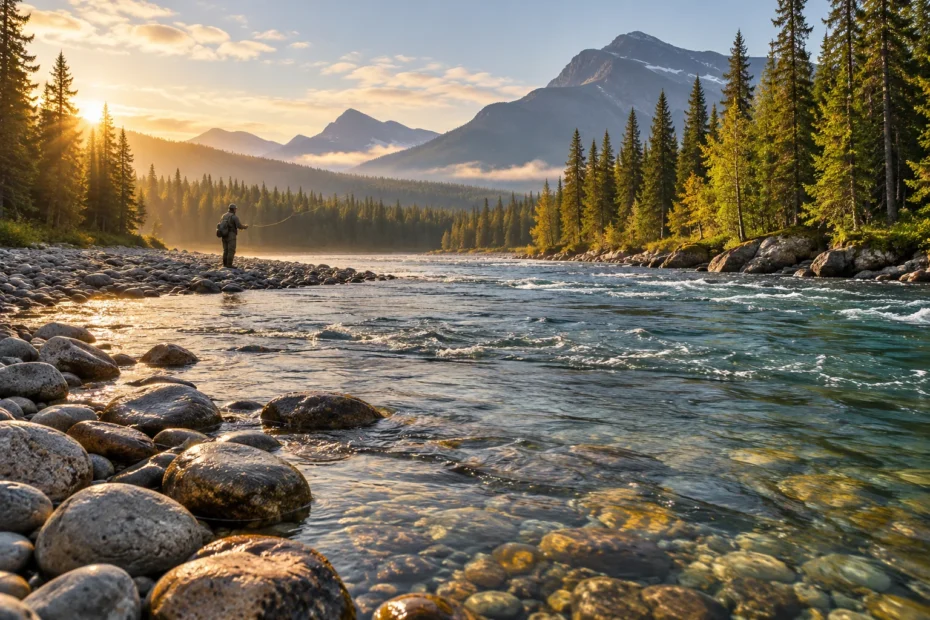
Atlantic Salmon fishing in Canada guide with identification, habitat, seasonal patterns, gear, tactics, and official regulation checks.
- Use Atlantic Salmon Fishing in Canada to match species behaviour, habitat, season, and presentation to Canadian water conditions
- Check local regulations before fishing; limits, closures, bait rules, and licences can vary by province and waterbody
- Focus on practical setup: where to fish, what to cast or troll, how deep to work, and when to move
Bottom line Atlantic Salmon Fishing in Canada gets simpler when you pair current rules with the right habitat, timing, and presentation
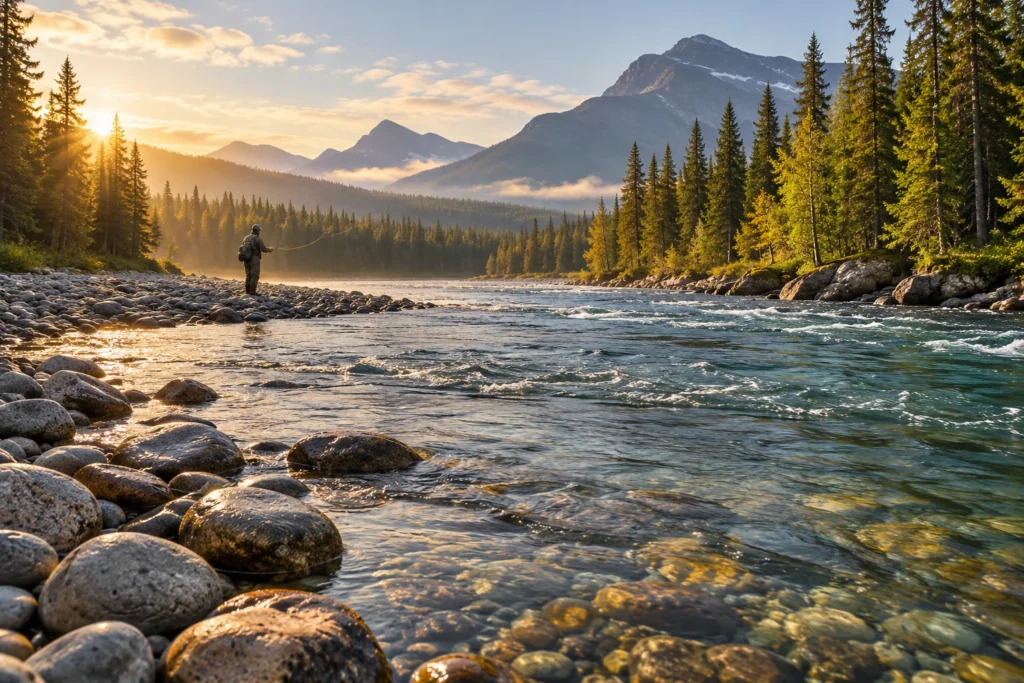
Atlantic salmon fishing in Canada starts with a particular river, sector and date. Confirm the current opening, licence, access and handling rules before choosing a presentation, and build a plan that can change if river conditions do.
Understand the fish before choosing a river
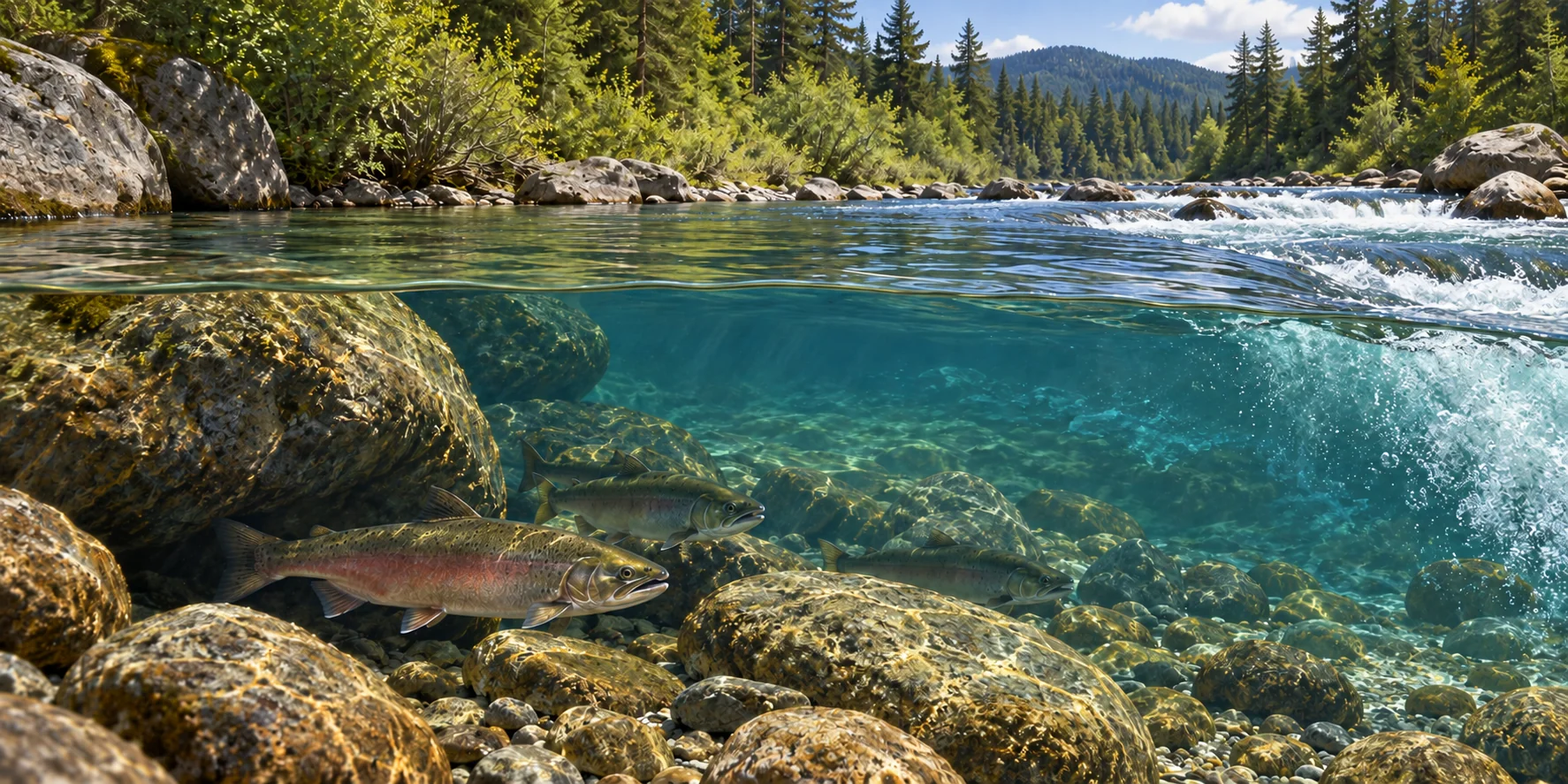
Atlantic salmon (Salmo salar) are not all on the same journey. Fisheries and Oceans Canada’s life-cycle guide describes an anadromous pattern in which fish begin in fresh water, migrate to sea and return to rivers to spawn. Fry and parr develop in fresh water; smolts undergo changes that prepare them for salt water. Returning adults may enter a river well before spawning.
Freshwater-resident populations also exist. Ontario describes a Lake Ontario restoration program, so it would be misleading to claim that every Canadian Atlantic salmon has returned from the ocean. Conservation status, access and fishing opportunities depend on the population and water. A life-cycle description does not establish that a fishery is open.
Salmonids can be difficult to distinguish, especially as colour changes with maturity and water conditions. Use the appropriate local identification guide before fishing and do not rely on a single marking or an illustrated scene. If a fish cannot be identified confidently, follow local instructions and consult the responsible authority. Different species, size classes and locations can carry different restrictions.
Choose a river and a specific sector
Start with the jurisdiction, river and exact reach. A river name on a lodge website is a useful lead, but it may encompass several sectors with different access managers, reservations or rules. Look up the boundaries in the current official materials and ask the manager how an angler reaches the water. Private or controlled access, public roads and fishing permission are separate questions.
Decide whether you want a guided trip, a managed day access or a multi-day stay before comparing prices. A guide can supply local knowledge and explain the day’s procedures, but a booking does not replace a licence or override a closure. Ask whether the quoted amount includes access fees, guide time, tackle, transportation, taxes and any required reservation. An attractive nightly rate may not include the fishing days you expect.
Consider the physical setting as well. A gravel bank, a steep trail and a boat-based beat demand different mobility and equipment. Ask the operator for realistic walking distances, wading expectations and alternatives if water is high. A person who wants to observe rather than fish may need a separate arrangement. Confirm where to meet and who will make a weather decision before paying a deposit.
Newfoundland and Labrador: read the dated notice and river class
DFO’s 2026 recreational Atlantic salmon notice announced general dates of June 1 to September 7 for insular Newfoundland and June 15 to September 15 for Labrador. The decision also lists a fall opportunity on specified rivers and warns that individual rivers can have different dates. These dated examples are not a forecast of another season. DFO’s 2026–2027 guide distinguishes scheduled river classes, closed sections and non-scheduled waters. Check the current guide and any newer local closure for the particular date and reach.
The 2026 DFO decision says Class 0 allows no retention and has a maximum of two catch-and-release salmon per day; it permits a maximum of one retained salmon on Class 2 rivers and lists a three-fish daily catch-and-release limit for scheduled rivers other than Class 0. Other classes and non-scheduled waters have their own conditions. These examples explain why the class matters; do not carry the numbers into a future season without checking. A valid licence and an open reach remain necessary.
Québec: distinguish a licence from sector access
Québec’s salmon fishing information explains licensing, tags, registration and conditions for particular rivers and sectors. Generally, fly fishing is the permitted technique in salmon rivers, but consult the exact water and current rule rather than treating that general description as a complete gear permit.
Ask the sector manager whether access is open to the public, requires a reservation or depends on a draw. Confirm the dates and the length of access included in any package. Before keeping a fish, verify its legal eligibility and the required tag and registration procedure. A licence may permit a kind of fishing while the sector requires a separate right of access; a sector reservation alone does not replace the licence.
Ontario: check the named water and management zone
Ontario’s Fishing Regulations Summary organizes rules by zone and can include named-water exceptions and sanctuaries. Locate the actual river reach and check the current salmon rules, dates and licence conditions. A general provincial number is not enough to establish a local opening, particularly where restoration or protected populations are involved.
Compare the official map with the access you intend to use. A river mouth, tributary or sanctuary boundary can matter. If the description is difficult to reconcile with your planned location, contact the authority before fishing. The same caution applies when moving upstream during the day: a different reach may have different conditions.
Make a repeatable rule check
Write down the river, sector, dates, intended method and target species. Read the current season and any in-season notices for that exact location, then check the licence and access requirements for every angler. An advertised opening may be shortened or modified by environmental conditions or other conservation measures.
Read the rule for targeting separately from the rule for keeping a fish. A catch-and-release condition is not a blanket licence to fish in a closed river. A permitted retention opportunity may have size, annual limit, tag or reporting requirements. Ask the responsible agency if the current notice and a booking description appear to disagree.
Save links and the date checked with the booking. A downloaded copy is useful in poor reception, but cannot reveal a later closure. Recheck shortly before departure and, where possible, when arriving at the river. If you cannot establish that your planned activity is allowed, change the plan or ask the authority rather than infer permission from other anglers’ presence.
Find an official starting point
Choose the topic closest to your trip. This finder gives a source, not a determination of an opening, licence or access right. Check the exact water and current notices.
Questions to ask before paying
- Which exact sector, dates and access rights are included in the quotation?
- Who provides the guide, equipment and transportation, and what is charged separately?
- What happens to the booking if high water, heat or an official closure prevents fishing?
- Which licence, tags or identification documents must each participant arrange?
Request the cancellation and credit terms in writing. A trip credit may preserve the value of a booking but may not cover separate travel or lodging costs. Compare deadlines across providers, particularly when a group is travelling from different places. Do not assume a substitute date will suit everyone or that the same river sector will be available.
Choose a legal presentation for the water
Fishing methods vary by jurisdiction and river. Begin with the current gear restriction, then assemble tackle that complies. Where a sector permits fly fishing only, a spoon or conventional lure is not an equivalent substitute. In other waters, permitted methods and hook restrictions may differ. The general suggestions below describe how to plan, not permission to use a particular method.
For a permitted fly-fishing trip, ask the river manager about suitable rod and line choices for the season and expected flows. A balanced outfit should be comfortable for the angler and suited to the size of the river. A heavier or more expensive outfit is not automatically more effective. If renting or borrowing, confirm the setup and whether leaders, flies and repairs are included.
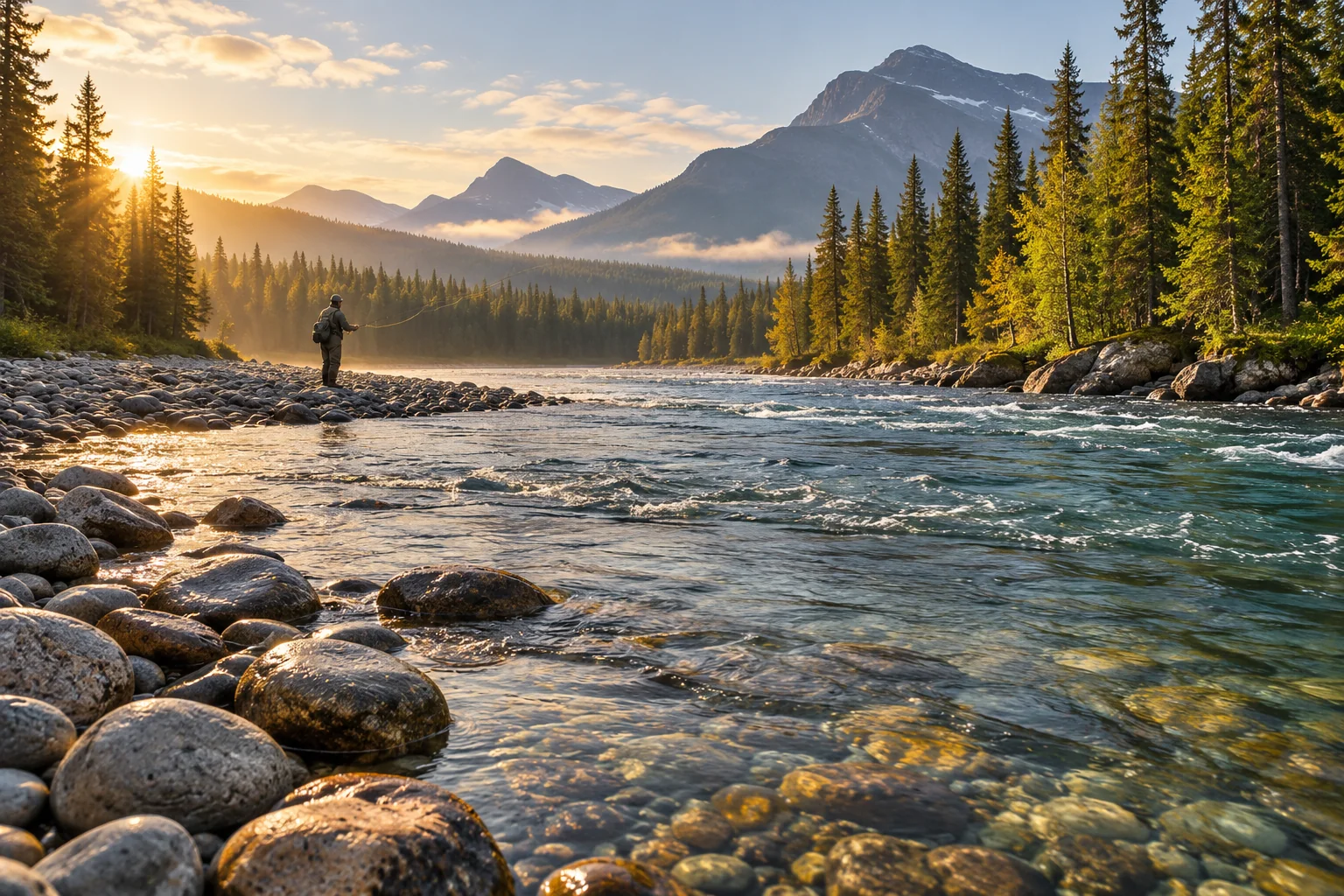
Start with enough clear space behind and beside you to cast safely. A shorter, controlled cast can be more useful than reaching the far bank if it lets the line travel through the intended lane. Watch where the line lands, how current changes its shape and where the fly travels. If it repeatedly catches on debris or other anglers’ lines, stop and select a different position or presentation.
A run, a pool and water beside a large stone can offer different flow patterns. Fish may use a range of positions, and no visible feature proves that salmon are present. Rather than changing every variable at once, choose a legal starting lane, observe the line and fly, then change the casting angle or position deliberately. A guide’s advice is useful when it reflects the actual water and the day’s conditions.
Prepare tackle and clothing with the trip in mind
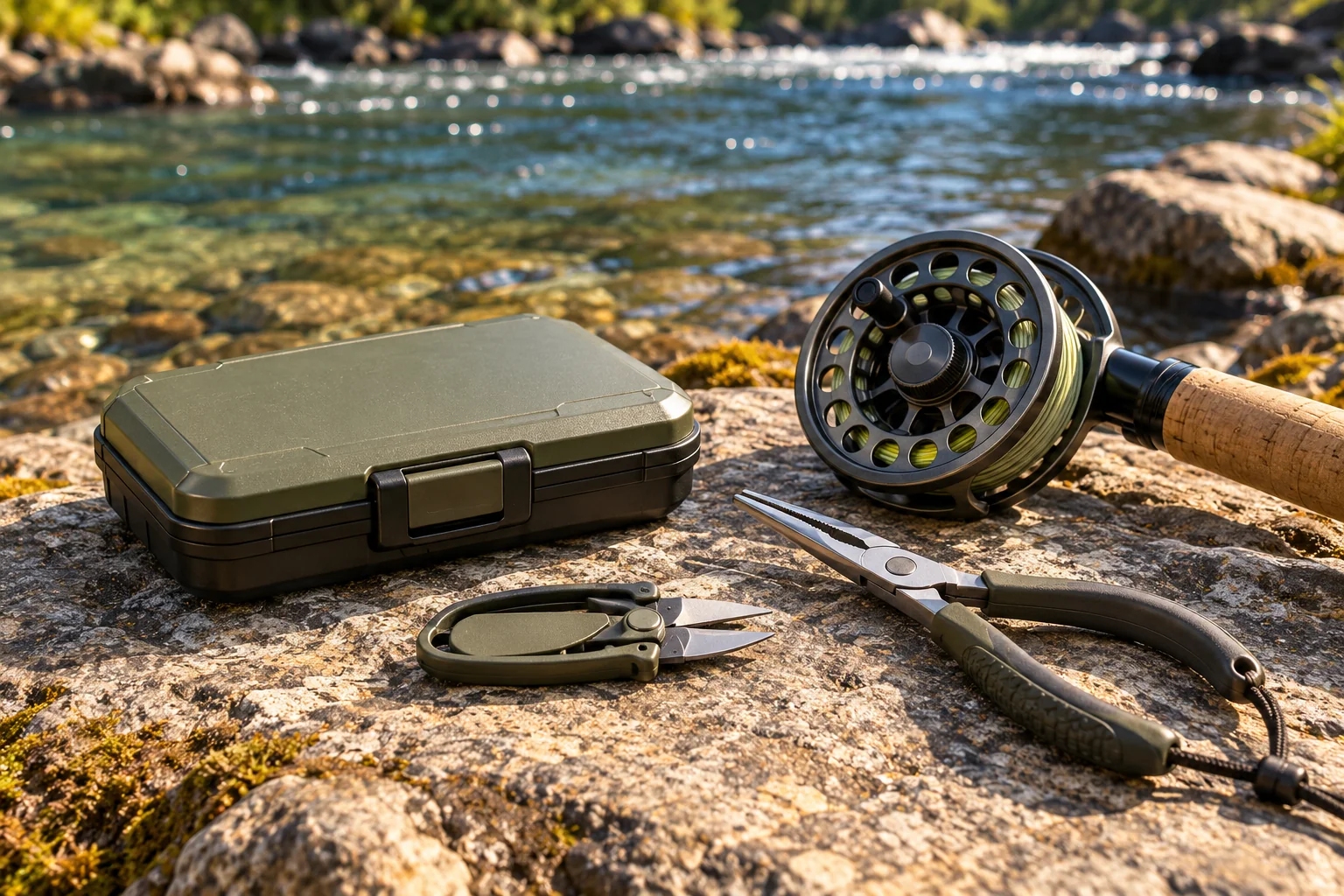
Check knots and connections before leaving and after a snag. Store sharp flies in a closed box and carry a suitable hook-removal tool. If a net is needed, choose one suited to the fish and local guidance; have it ready before a fish is hooked rather than searching through a bag during handling. Take waste line away from the river.
Dress for the forecast and the way you will reach the water. Footing on wet rock and gravel can change rapidly with flow. Ask the local operator about safe access and whether wading is appropriate; do not treat an illustration or a fixed water-level number as a safety decision. Wear an appropriate flotation device when boating and follow the equipment rules for the craft.
Plan for a release before the first cast
Ontario’s fish-handling guidance recommends keeping fish in the water as much as possible, using wet hands, avoiding the eyes and gills, and reducing handling time. Prepare the tool and a landing place before fishing. Follow the governing rules and local advice for the species and water; the Ontario guidance is a practical reference, not a substitute for another jurisdiction’s requirements.
If a hook is deeply embedded, Ontario advises cutting the line instead of struggling to remove it. That does not mean a retained hook is harmless or guarantee survival. When the fish must be released, minimize handling and air exposure and follow the current local requirements. A quick photograph is not more important than the fish’s condition.
Water temperature and flow can change a plan. Ontario advises avoiding angling in extreme water temperatures if you plan to release a catch. River-specific environmental protocols can be stricter or change during a season, so ask the manager and consult current notices. If an official closure applies, do not target salmon there. Build a non-fishing alternative into the trip instead of assuming an advertised week is guaranteed.
For retention, verify the fish is eligible before removing it from the water and follow the applicable tag, reporting and possession requirements. Bring a suitable method for keeping a legally retained fish cool and check transport rules. An open river is not by itself permission to keep a salmon, and an unfilled tag is not evidence that the individual fish or sector is eligible.
Use a hypothetical booking to compare options
Imagine two friends find a three-day Québec river package. The first quotation includes lodging and a guide, but describes access as “subject to availability.” Before treating the quoted price as a fishing total, they ask which sector and dates are reserved, whether each person needs a separate access right, and what tackle is included. They also check the official licence and tag rules for their own circumstances.
A second option lists a lower nightly price but charges separately for a guide and sector access. The comparison needs the same number of people, nights and actual fishing days. Add transport, taxes and rental costs where quoted. If an amount is not yet known, mark it as an open question instead of placing a guessed figure in the total.
Finally they compare the closure and cancellation policies with their travel deadlines. A lodge may offer a different activity or a future credit; the airline or accommodation provider may have a separate policy. Neither offer proves that the river will be open or that fish will be caught. The example is a planning exercise, not a real booking or recommendation of an unnamed operator.
After the trip: keep useful records
Follow any required tag, registration or catch-reporting procedure before its deadline. Record the water, sector and source of the rule used, together with the booking documents. If a guide or manager provides an update, preserve the date and check the official notice when possible. A note that a river was open today is not evidence that it will remain open next season.
Clean and dry gear as directed by the relevant authority before moving to another waterbody. Remove plants and debris, and follow any local restrictions on moving bait, water or fish. These steps matter whether the next trip is a kilometre away or in another province. Ask a local authority about the exact required procedure for the equipment and waters involved.
Keep a practical record of access and conditions for yourself: the route you used, what changed during the day and questions to resolve before returning. Do not present a private access point as public or use a past observation as a current safety assessment. Use that record to ask better questions before the next trip.
Two tackle items to compare
CanadaFever may earn a commission from qualifying purchases at no extra cost to you. These are listings, not field tests; check the selected model, price, availability and shipping.
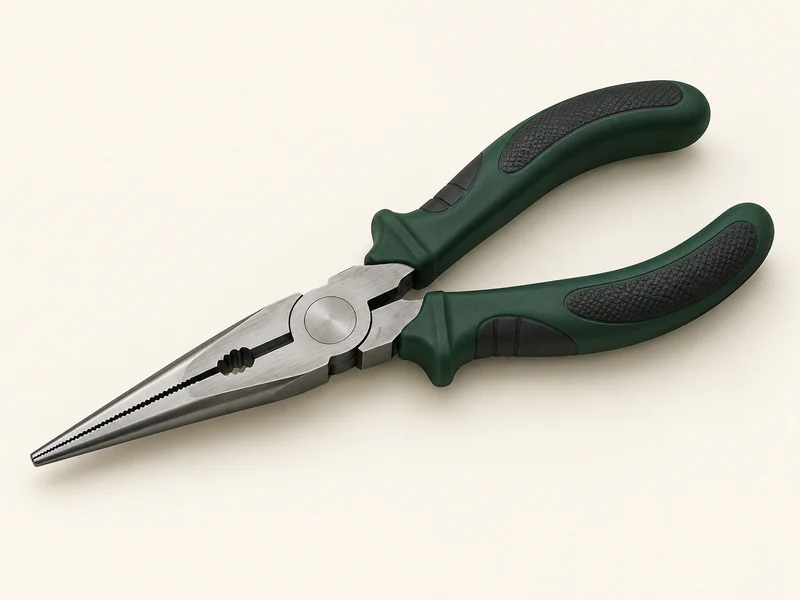
Rapala 8½-inch Fisherman’s Pliers. Long-nose pliers are a hook-access option; confirm suitability for your fish and equipment. Check the pliers.
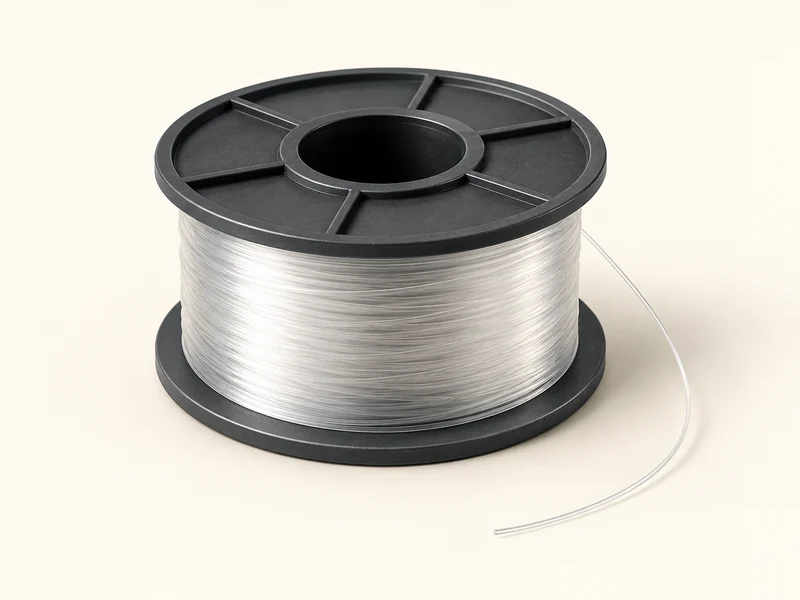
Berkley Trilene XL monofilament, 8 lb and 330 yd. A line spool to compare for a compatible setup. It is not a fly line or a ready-made tapered leader; ask your guide what strength and material fit the trip. Check the line.
Tackle to discuss for your salmon trip
Affiliate links: We may earn a commission from qualifying purchases, at no extra cost to you. We have not field-tested these items. Check the selected model, current price and delivery options on Amazon.
For handling hooks with a tool
Rapala 8½-inch Fisherman's Pliers
- Longer 8½-inch format for reaching a hook with a tool.
- Nickel-plated carbon steel and co-moulded grips.
- Choose a jaw size that suits the hook and fish; avoid unnecessary handling time.
Choose a size suited to accessible hooks and your fish. For a deeply embedded hook, follow local fish-handling guidance instead of pulling forcefully.
For a compatible line setup
Berkley Trilene XL Monofilament
- Clear 8 lb monofilament in a 330-yard spool.
- Diameter 0.010 inch / 0.25 mm for checking reel capacity.
- Match line strength to the fish, cover and tackle when replacing worn line.
This size is an option for a compatible light freshwater outfit. A lighter size may suit small lures; check the rod, reel and target fish together.
Atlantic salmon questions
Can I keep Atlantic salmon everywhere in Canada?
No. Retention depends on the jurisdiction, river, season, licence and current notice.
Does a licence guarantee river access?
No. A sector may require a separate access arrangement or reservation.
Do all Atlantic salmon return from the sea?
No. Freshwater-resident populations also exist; check the population in question.
Are salmon rivers open for their entire advertised season?
Not necessarily. Check the current river and sector notices for closures or changes.
What should I do in very warm water?
Follow current local restrictions. Ontario advises avoiding angling in extreme temperatures when planning to release a catch.
Sources reviewed 30 October 2026. Check current official requirements and notices for the precise trip.