

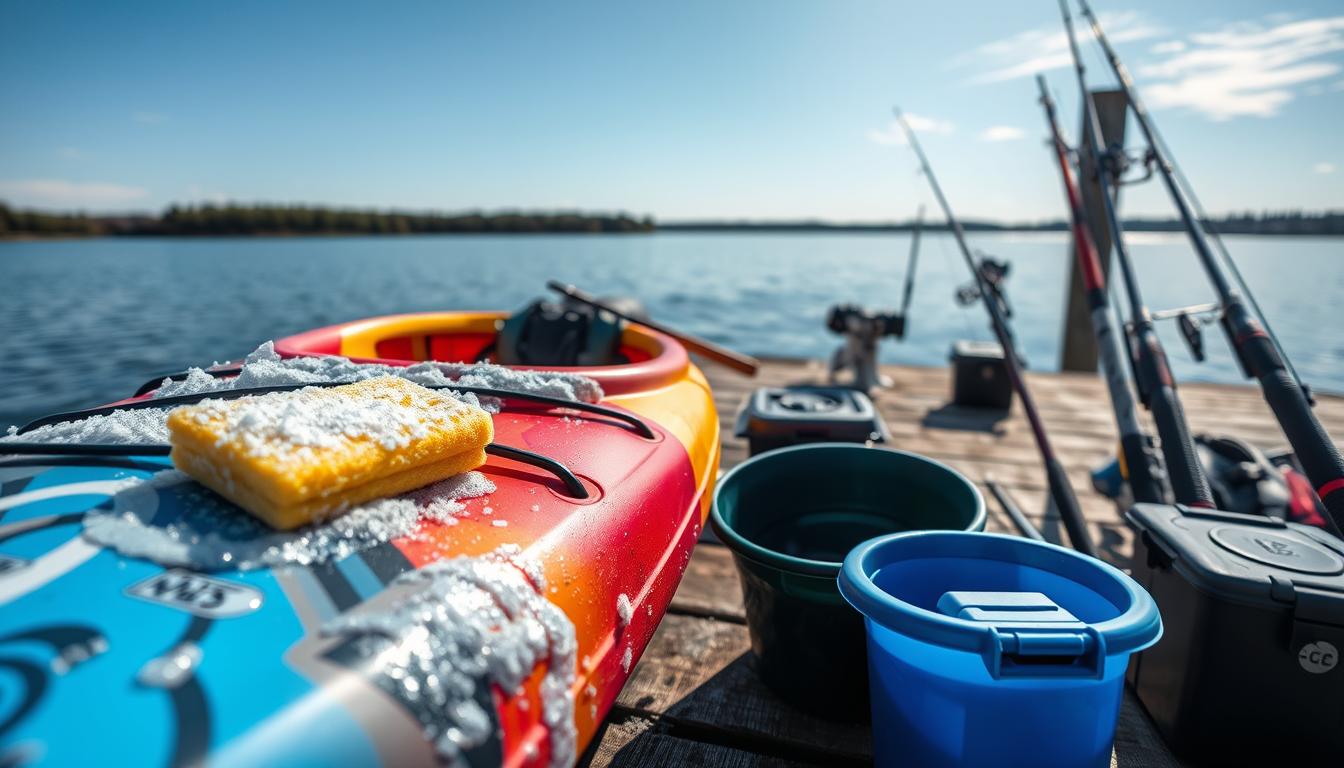
Discover essential kayak maintenance tips for anglers to extend your vessel's life and enhance fishing adventures. Learn proper care, storage, and repair techniques for optimal performance
- Match Kayak Maintenance Tips for Anglers to your water, season, boat size, and actual skill level instead of buying by specs alone
- Prioritize readable controls, durable construction, and Canada-relevant use cases before chasing premium features
- Use the guide to compare what matters in the field: setup time, reliability, safety, storage, and upgrade path
Bottom line The right Kayak Maintenance Tips for Anglers choice solves your real Canadian trip conditions without adding gear you will not use
Key Takeaways
- UV Protection: Sunlight is plastic’s worst enemy. Apply a UV-blocking protectant (like 303 Aerospace) twice a season to prevent hull brittleness.
- Rinse & Wash: Always rinse your kayak with fresh water after saltwater or muddy outings. This keeps rudder cables and tracks free of salt corrosion.
- Keel Guard & Scraps: Dragging kayaks over gravel wears down the stern. Inspect the keel regularly and apply a keel guard to prevent leaks.
- Rudder & Cables Check: Inspect rudder steering lines and foot braces monthly. Tighten loose cables and apply marine grease to moving pivots.
🔧 Kayak Maintenance Scheduler 🛶
Select your kayak usage level to generate a seasonal maintenance calendar.
For the full craft-choice and safety context before you tune storage or hull care, start with the kayak and canoe fishing in Canada hub.
Fishing kayaks are designed to take a beating. They are constructed of thick, rotationally molded polyethylene that can slide over rocks, bang against logs, and withstand rough shoreline launches. However, plastic is not indestructible. Over time, UV rays from the sun, dragging hull sterns over gravel, and salt or dirt accumulation will degrade your kayak.
A poorly maintained kayak can develop leaks, rudder cables can snap while steering in high winds, or hull plastic can become brittle and crack. By implementing a simple, seasonal maintenance routine, you can protect your investment, ensure your safety on the water, and extend the lifespan of your vessel. Let’s look at the best kayak care and maintenance tips for 2026.
1. Protect the Polyethylene from UV Rays
Sunlight is the worst enemy of plastic kayaks. Long-term exposure to UV radiation breaks down the chemical bonds in polyethylene, making the plastic brittle and faded. To prevent this, apply a high-quality UV-blocking spray (like 303 Aerospace Protectant) at the start and middle of every season. Wipe it off completely; it acts like sun block for your boat.
2. Stern Keel Protection (Preventing Wear)
Every time you drag your kayak onto a gravel beach or down a concrete boat ramp, you grind away a small layer of plastic from the stern keel. Over a few seasons, this wear can grind all the way through the hull, causing slow leaks. Use a kayak cart to transport your boat, or apply a thick, durable adhesive keel guard to protect the high-wear stern area.
3. Rudder & Cable Steering Maintenance
Rudders and steering cables are mechanical systems that require regular checks. Sand, mud, and salt can build up in cable lines and steering braces. Flush the cables with fresh water after every trip, check steering line tension, and apply a light marine-grade grease to metal rudder pivots once a season.
Kayak Care & Storage Gear
Vetted, top-rated products that are highly recommended for Canadian paddlers and anglers.
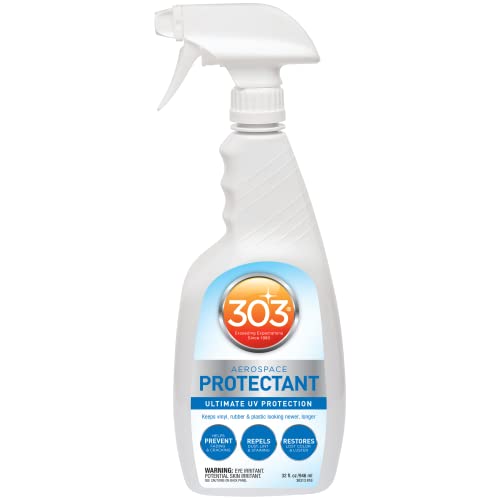
303 Aerospace Protectant UV Shield (16 oz)
Prevents UV-induced fading, cracking, and brittleness in plastic hulls. Restores color and keeps your kayak looking new.
- Ultimate UV Protection: Provides SPF 40-level protection to prevent fading, cracking, and chalking of your polyethylene kayak hull.
- Dust & Stain Repellent: Restores color and leaves a non-greasy, dry finish that repels dirt, dust, and water spots.
- Extends Hull Life: Keeps plastic, vinyl, rubber, and fiberglass hulls supple and strong, extending your kayak’s lifespan.
Wilderness Systems Kayak Keel Guard Kit
A thick, abrasion-resistant guard that adheres to the keel of your kayak, preventing scrapes and hull wear during launches.
- Keel Protection: Protects your kayak’s keel from deep scrapes, gouges, and wear caused by dragging on sand, gravel, or concrete.
- Heavy-Duty Polymer: Made from durable, abrasion-resistant polymer that is designed to take heavy abuse.
- Easy DIY Install: Self-adhesive backing conforms to the hull shape, making it easy to apply and secure with basic heat.
Malone Auto Racks Kayak Storage Wall Straps
Store your kayak off the floor. Suspends the kayak on wide webbed straps to prevent hull distortion during winter storage.
- Space-Saving Storage: Suspends your kayak or canoe flat against the garage wall, freeing up valuable floor space.
- Hull Distortion Prevention: Wide, webbed straps distribute the vessel’s weight evenly, preventing hull warping or flat spots.
- Quick-Release Buckles: Equipped with heavy-duty quick-release buckles for fast, easy loading and unloading of your boat.
Affiliate Disclaimer: As an Amazon Associate, CanadaFever earns commissions from qualifying purchases. This supports our free outdoor guides at no extra cost to you.
🌍 Explore Guided Fishing Trips in Canada
Want to fast-track your success on the water? Book a professional local guide through Viator to find the best spots, learn advanced paddling techniques, and hook into trophy fish.
*CanadaFever is a Viator Partner (ID: P00210641). We may earn a commission if you book through our links, at no extra cost to you.*
How do you store a plastic kayak in winter?
Store the kayak upside down on wide sawhorses, or hung from wall racks using wide straps. Never store a kayak directly on concrete or upright on its side, as the weight can distort the hull plastic (oil-canning).
Can you patch a hole in a plastic kayak?
Yes. Polyethylene can be welded using a plastic welding iron or a propane torch. You heat the area and melt spare polyethylene rod (often available from the manufacturer) over the crack to fuse the hull back together.
How do I check if my kayak has internal leaks?
If you notice water in the hull after an outing, wipe the inside dry, place the kayak on sawhorses, and fill the hull with water through the hatch. Watch for water dripping under the hull to pinpoint the leak.