

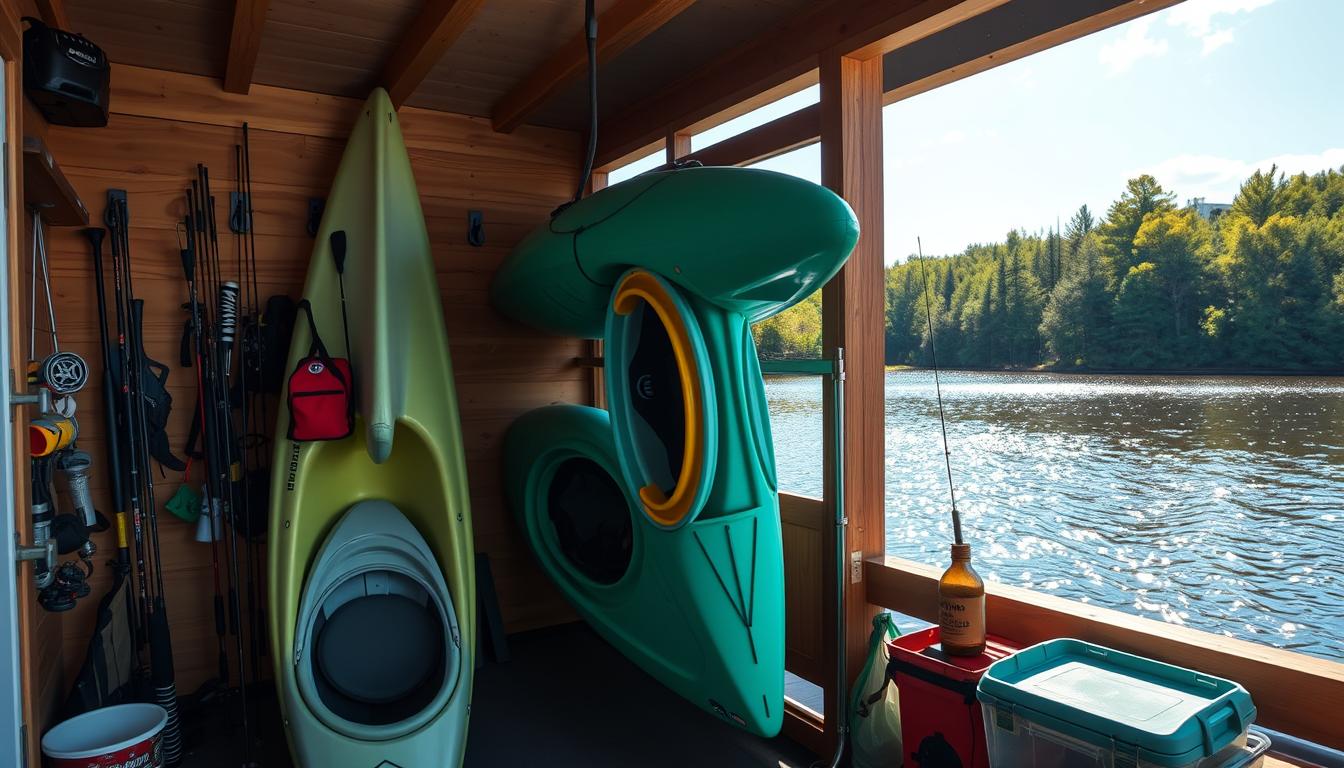
Discover effective storage solutions for kayak fishers with our expert tips. Learn how to organize your gear, maximize space, and keep equipment safe while on the water
- Match Storage Solutions for Kayak Fishers to your water, season, boat size, and actual skill level instead of buying by specs alone
- Prioritize readable controls, durable construction, and Canada-relevant use cases before chasing premium features
- Use the guide to compare what matters in the field: setup time, reliability, safety, storage, and upgrade path
Bottom line The right Storage Solutions for Kayak Fishers choice solves your real Canadian trip conditions without adding gear you will not use
Key Takeaways
- Horizontal Deck Layout: Keep critical gear (pliers, fish grips, rulers) on deck in front of you. Secure them to gear tracks or leashes to prevent slips.
- Tankwell Storage: The rear tankwell holds your tackle crate. Choose a crate with rod holders to organize rod setups vertically.
- Internal Hatch Storage: Use internal dry hatches to store emergency gear, dry clothes, first aid kits, and camping equipment.
- Dry Bags & Phone Cases: Sensitive electronics, car keys, and licenses must be sealed in high-grade roll-top dry bags at all times.
🎒 Kayak Storage Estimator 🛶
Calculate your cargo weight limits and get recommended layout zones.
Kayak fishing requires a high degree of organization. Unlike a large bass boat with wide casting decks and multiple dry rod lockers, a kayak cockpit provides only a few square feet of space. If you do not plan your storage layout properly, your deck will quickly turn into a dangerous tangle of rods, loose tackle, hooks, and line.
Staying organized on a kayak isn’t just about convenience; it’s a safety requirement. If you capsize or hit high wind, loose gear will float away or sink, and tangled rods can snag you. Let’s look at the best kayak storage systems, tackle crates, dry bag organization, and deck layouts for 2026.
1. The Rear Tankwell & Crate System
The rear tankwell (the open cavity behind your kayak seat) is the primary storage hub. Most anglers place a rigid, heavy-duty crate (like the YakAttack BlackPak) in this tankwell. The crate holds up to five standard utility tackle boxes vertically. Vertical storage allows you to slide out a single tray without dumping others. Mounting rod holders onto the crate’s outer walls holds your spare rods safely out of the way of your paddle stroke.
2. Internal Hatch Storage for Backcountry Gear
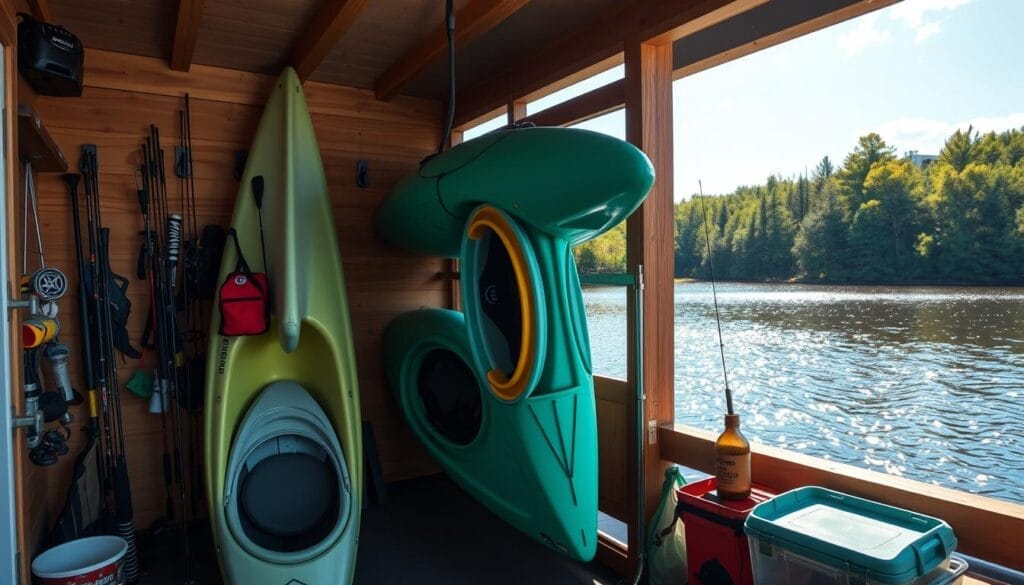
Many sit-on-top fishing kayaks have dry hatches leading inside the hollow plastic hull. While you cannot access this space easily while floating, internal hatches are perfect for storing emergency items: dry spare clothes, first aid kits, emergency flares, and ropes. Keeping this heavy gear centered low in the bottom of the hull also lowers your center of gravity, improving kayak stability.
3. Cockpit Organization (The Active Zone)
Keep your active workspace (directly in front of your seat) clear of loose tackle. Use gear tracks to mount tool organizers for your pliers, line cutters, and fish grips. Secure all active tools with coiled leashes so they don’t slip overboard when landing a fish.
For soft baits inside the wider kayak storage system, compare bags and binders that retain original bait packets. Measure the loaded organiser and keep it clear of paddling and cockpit access.
Kayak Storage Gear
Vetted, top-rated products that are highly recommended for Canadian paddlers and anglers.
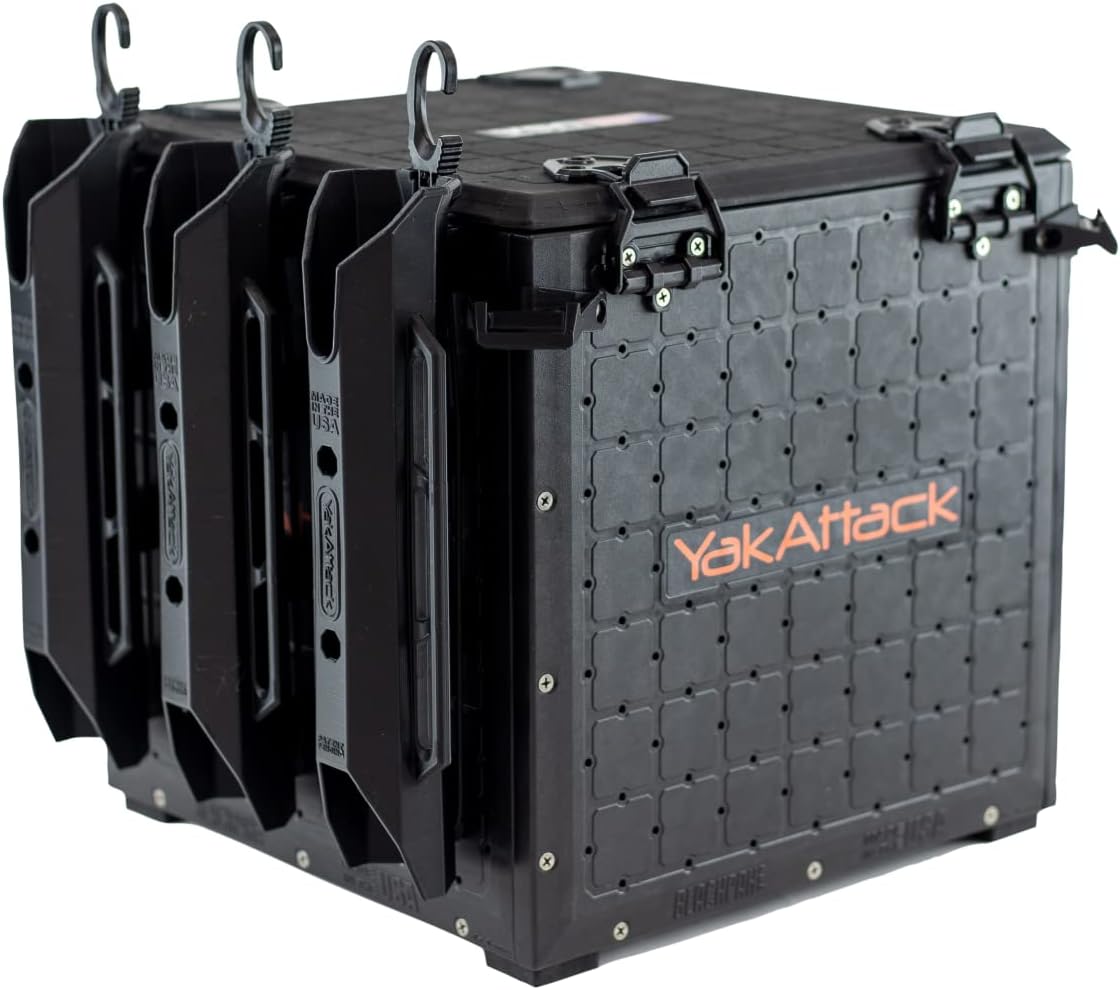
YakAttack BlackPak Pro Kayak Fishing Crate (13×13)
High-grade polymer crate featuring TetherTube rod holders, GridLoc attachment panels, and a locking hinged lid for secure storage.
- Premier Gear Storage: Heavy-duty, grid-walled crate organizes tackle boxes, tools, and safety gear securely in your kayak tankwell.
- Built-In Rod Holders: Includes three TetherTube rod holders with quick-release hook-and-loop straps to secure your rods.
- GridLoc Panels: Features customizable GridLoc panels that let you mount extra rod holders, pockets, or track mounts easily.
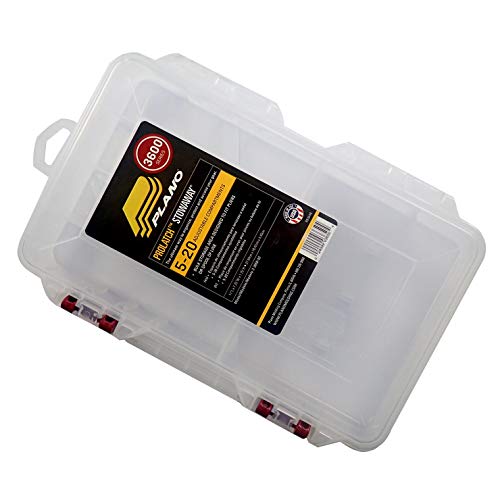
Plano Waterproof Stowaway Utility Boxes (3-Pack)
Equipped with a Dri-Loc O-ring gasket seal and three cam-action latches to protect hooks and lures from moisture and rust.
- Dri-Loc O-Ring Seal: Waterproof silicone O-ring seal keeps moisture out, preventing hook rust and tackle damage on wet decks.
- Cam-Action Latches: Three tight-locking cam latches secure the lid firmly, ensuring a waterproof and dustproof seal.
- Customizable Dividers: Adjustable dividers let you create up to 24 compartments to organize lures of all shapes and sizes.

Earth Pak Waterproof Dry Bag (10L / 20L)
Heavy-duty 500D PVC roll-top bag built to protect spare clothes, wallets, vehicle keys, and licenses from capsizes.
- 100% Waterproof Seal: Uses a secure roll-top closure system to keep spare clothes, keys, licenses, and phones dry in any downpour.
- Heavy-Duty PVC: Constructed from commercial-grade 500D PVC to resist punctures, tearing, and abrasion during rugged portages.
- Convenient Carry: Includes a comfortable, adjustable shoulder strap (and backpack straps on larger sizes) for hands-free transport.
Affiliate Disclaimer: As an Amazon Associate, CanadaFever earns commissions from qualifying purchases. This supports our free outdoor guides at no extra cost to you.
🌍 Explore Guided Fishing Trips in Canada
Want to fast-track your success on the water? Book a professional local guide through Viator to find the best spots, learn advanced paddling techniques, and hook into trophy fish.
*CanadaFever is a Viator Partner (ID: P00210641). We may earn a commission if you book through our links, at no extra cost to you.*
How do you keep hooks from rusting in a kayak?
Always use watertight tackle utility boxes with integrated rubber gasket seals (like Plano Stowaways). If your boxes get splashed, open them up to dry completely once you return home.
How much weight can a fishing kayak hold?
Standard fishing kayaks hold 300 to 500 lbs. However, for safe paddling and stability, you should never load your kayak past 70-80% of its maximum manufacturer rating.
Where should I store my smartphone on a kayak?
Keep your phone inside a floating, waterproof lanyard case secured directly to your PFD pocket. Never leave your phone loose on deck or inside un-tethered tackle bags.