
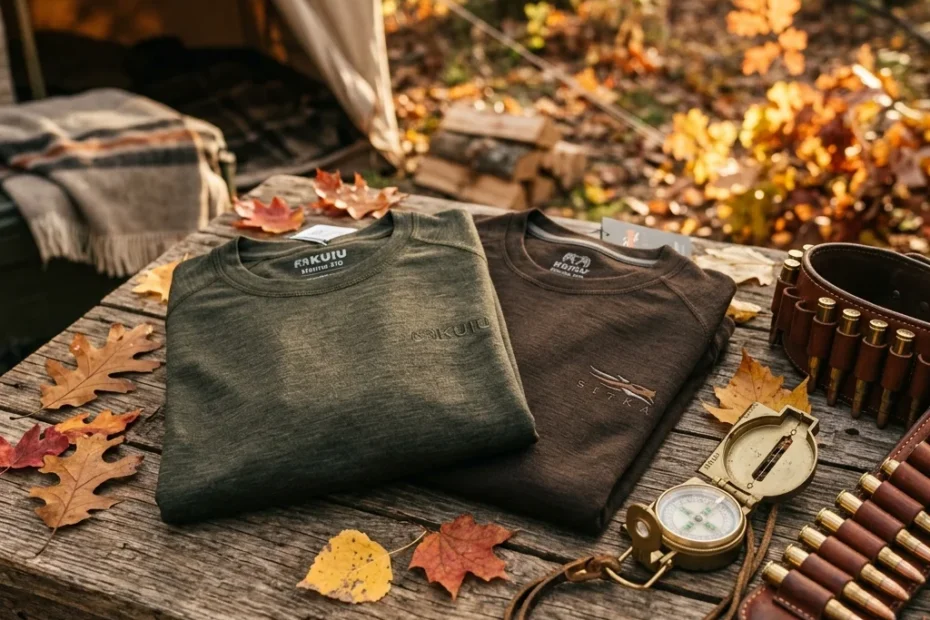
Top thermal base layers for late-season Canadian hunting. Compare Merino wool vs synthetics, and find the perfect warmth rating for cold-weather hunts.
- Plan Base Layers for Late Season Hunting in Canada around legal seasons, land access, firearm or bow rules, and current provincial or federal requirements
- Scout habitat, weather, travel routes, and animal movement before you commit to a field setup
- Keep safety, identification, permission, and retrieval plans clear before the hunt starts
Bottom line Base Layers for Late Season Hunting in Canada works best when legality, scouting, and safety are settled before tactics or gear choices
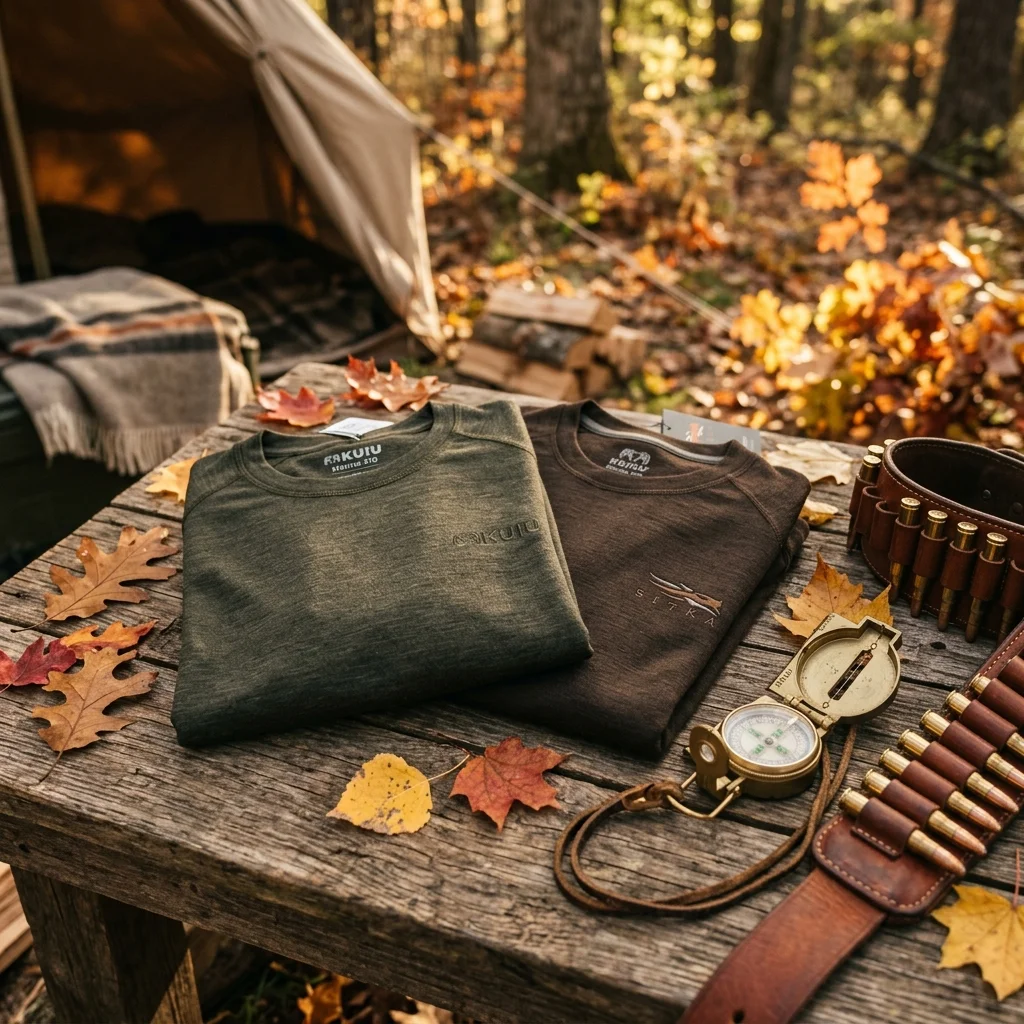
Late-season hunting in Canada is a game of temperature regulation. When you are hiking through deep snow or climbing ridges in the Rockies, your body generates massive amounts of heat and sweat. But the moment you stop to glass a valley or sit in a tree stand, that moisture cools down, and hypothermia can set in within minutes. This is why cotton is your worst enemy in the backcountry, and why a high-performance base layer is the foundation of a successful hunt.
A good base layer sits directly against your skin, trapping body heat while actively wicking moisture away to the outer layers. In this guide, we break down the four best base layers for late-season hunting in Canada, comparing Merino wool and high-tech synthetics to help you build the ultimate layering system.
⚡ Key Takeaways
- Merino Wool vs. Synthetic: Merino wool excels at temperature regulation and natural odor resistance, making it ideal for multi-day trips. Synthetics dry faster and are more durable, but retain odor quickly.
- Layering Rule: The base layer’s sole purpose is moisture management. Do not rely on it for wind protection or heavy insulation; that is the job of your mid-layers (fleece/puffy) and outer shell.
- Weight Matching: Choose your base layer weight based on your active output. High-activity stalks need lightweight (150-200g) base layers even in cold weather, while stationary stands need heavyweight (250g+) thermal layers.
The Guide’s Log
During a late-season whitetail hunt in Saskatchewan, the temperature hovered around -18°C. I wore a cheap polyester base layer. I had a 2-mile hike to my tree stand carrying my gear, and by the time I sat down, my back was soaked in sweat.
Within 15 minutes of sitting still, the polyester couldn’t dry the moisture fast enough, and the cold air turned that damp fabric into an ice pack. I was shivering so violently I could barely climb down the ladder. That night, I switched to a heavy 250g Merino wool set.
The next morning was even colder (-22°C). Although I still sweated on the hike, the Merino wool absorbed the moisture into its core without feeling wet against my skin. I stayed warm and comfortable in the stand for five hours. Since that hunt, I never go into the bush without Merino wool against my skin.
Interactive Thermal Layering & Base Layer Calculator
Enter your target temperature, wind conditions, and planned activity level to calculate the recommended base layer weight, fabric composition, and optimal layering system for your hunt.
-5°C
🧥 Your 3-Layer System Recommendation
Midweight Merino Wool (200g)
Grid Fleece or Lightweight Puffy Jacket
Windproof Softshell Jacket (GORE-TEX if rain/snow)
Base Layer Specifications & Comparison Table
Below is a summary of the four top-rated base layers for late-season hunting in Canada, comparing their fabric weights, material compositions, and best hunting environments.
| Model | Material Type | Fabric Weight | Optimal Range | Odor Resistance |
|---|---|---|---|---|
| Smartwool Classic Thermal | 100% Merino Wool | Heavy (250 g/m²) | -15°C to 5°C | Excellent |
| SITKA Gear Core Lightweight | Merino-Synthetic Blend | Light (120 g/m²) | -5°C to 15°C | Very Good |
| Under Armour Base 4.0 | Polyester Grid Fleece | Extreme Heavyweight | Below -15°C | Fair |
| Thermajohn Thermal Set | Polyester / Spandex | Midweight (Fleece-lined) | -10°C to 10°C | Moderate |
Detailed Reviews: The 4 Best Base Layers for Late Season Hunting
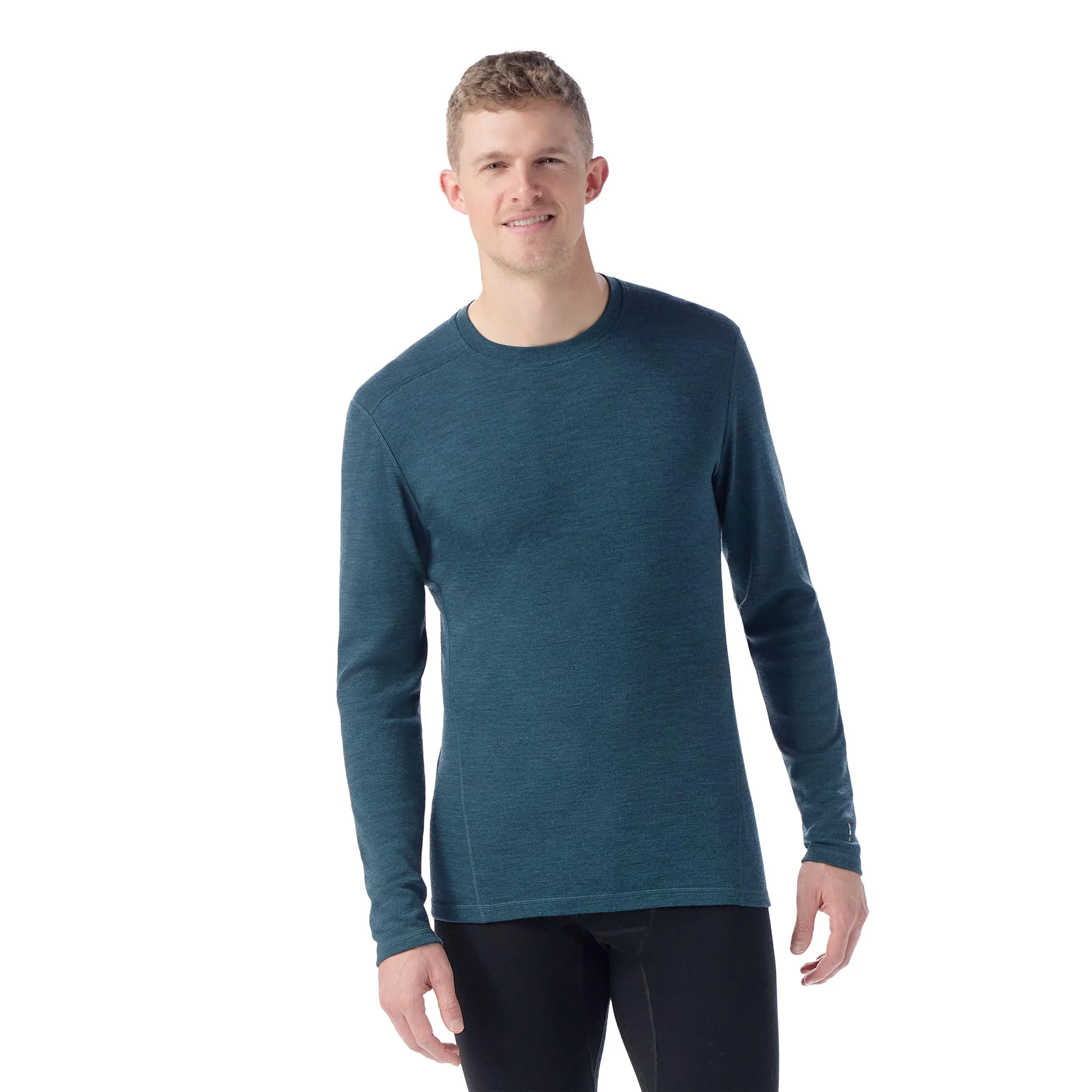
1. Best Overall Merino: Smartwool Classic Thermal Merino 250
For the majority of Canadian hunters, the **Smartwool Classic Thermal Merino 250** is the ultimate base layer. Made from 100% premium Merino wool, this heavyweight fabric offers unmatched temperature regulation. Because it is wool, it can absorb up to 30% of its weight in water before feeling damp, preventing the dreaded "cold pack" effect if you sweat during your trek.
Another massive advantage of Merino wool is its natural antimicrobial properties. You can wear these for three days straight in camp without any odor buildup, which is critical for scent control when stalking big game. They feature flatlock seam construction to prevent chafing under a heavy hunting pack. This pairs beautifully with our recommended essential hunting gear.
- Material: 100% Merino Wool (250 g/m²)
- Optimal Temperature: -15°C to 5°C
- Pros: Superior thermal control, natural odor resistance, soft flatlock seams
- Cons: Less durable than synthetic blends; expensive; slow to dry compared to polyester
Smartwool Classic Thermal Merino Crew
Affiliate Disclaimer: As an Amazon Associate, CanadaFever earns from qualifying purchases. This helps support our Canadian outdoor research at no extra cost to you.
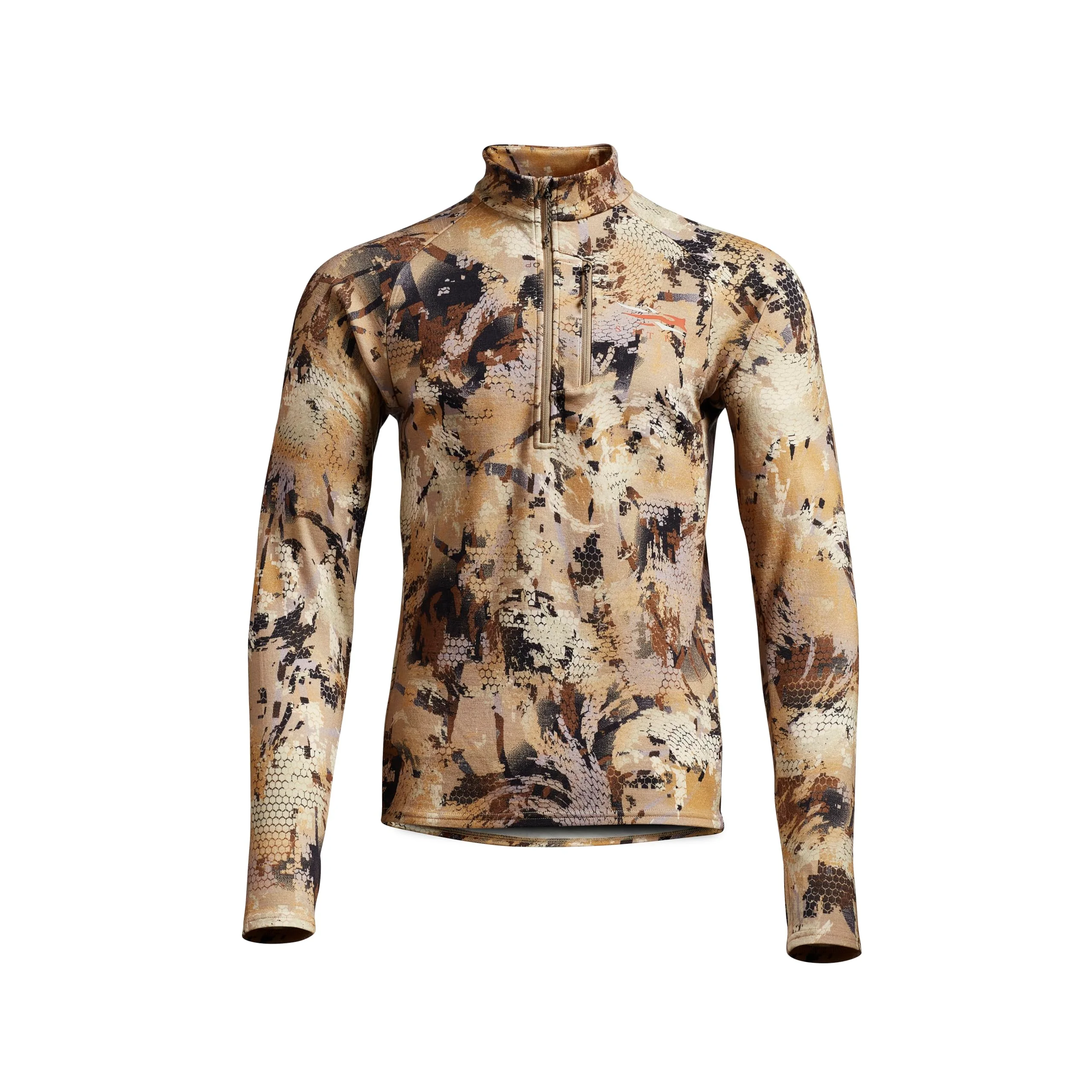
2. Best High-End Technical: SITKA Gear Merino Core Lightweight
If you are a high-activity mountain hunter tracking big game through the brush, you need a base layer that prioritizes dry times and durability. The **SITKA Gear Merino Core Lightweight Half-Zip** uses a unique hybrid fabric: premium Merino wool spun around a nylon core. This gives you all the moisture-wicking and odor-resistant benefits of wool, combined with the quick dry times and rugged durability of a synthetic.
The half-zip design is fantastic for temperature dump — you can unzip the chest during a steep climb to dump excess body heat, then zip it back up when you reach the ridge to block draft. Sitka's flat-seam styling fits seamlessly under mid-layers. This is the gear we recommend for alpine stalking, such as when booking outfitters for remote bear hunting in Alberta.
- Material: 85% Merino Wool / 15% Nylon core (120 g/m²)
- Optimal Temperature: -5°C to 15°C
- Pros: Extremely fast dry times, high durability, half-zip venting
- Cons: Thinner fabric lacks raw warmth; premium price point
SITKA Gear Merino Core Lightweight Half-Zip
Affiliate Disclaimer: As an Amazon Associate, CanadaFever earns from qualifying purchases. This helps support our Canadian outdoor research at no extra cost to you.
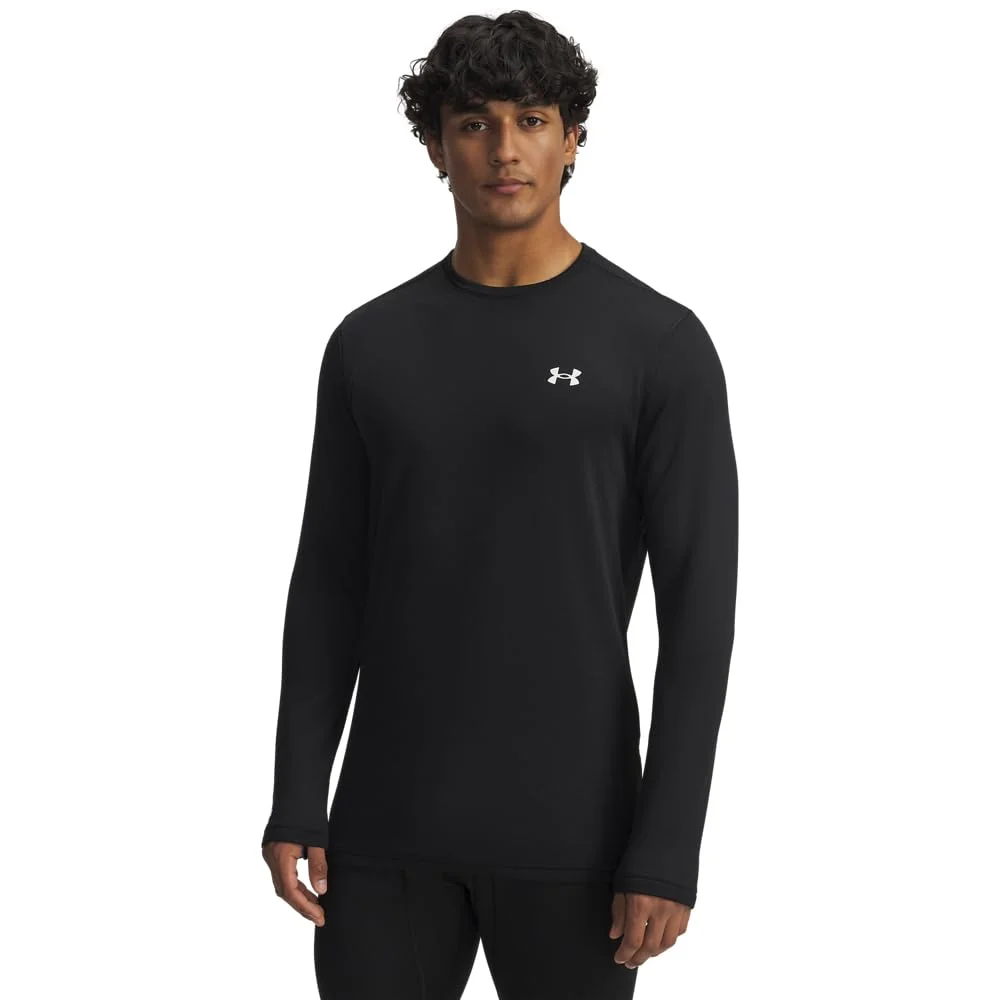
3. Best for Deep Freeze Standing: Under Armour ColdGear Base 4.0
When the temperature drops far below zero and you are stationary — sitting in a treestand or waiting in a ground blind — your body stops generating heat. The **Under Armour ColdGear Base 4.0** is built specifically for this scenario. This extreme heavyweight synthetic base layer features a dense grid fleece backing that traps warm air against your body while remaining highly breathable.
The grid pattern channels moisture away, which is critical because if you sit in damp fabric in sub-zero temperatures, you will freeze. The 4-way stretch fabric fits snugly against your skin to block cold drafts. While it doesn't have the natural scent-control of wool, UA utilizes a scent-suppression treatment to help manage odors. This pairs perfectly with winter outdoor trips, like those discussed in our ice fishing gear guide.
- Material: 92% Polyester / 8% Elastane Grid Fleece
- Optimal Temperature: -25°C to -5°C
- Pros: Massive heat retention, highly stretchable, channels sweat efficiently
- Cons: Heavy; causes overheating during active walking; retains body odors over time
Under Armour ColdGear Base 4.0 Crew
Affiliate Disclaimer: As an Amazon Associate, CanadaFever earns from qualifying purchases. This helps support our Canadian outdoor research at no extra cost to you.
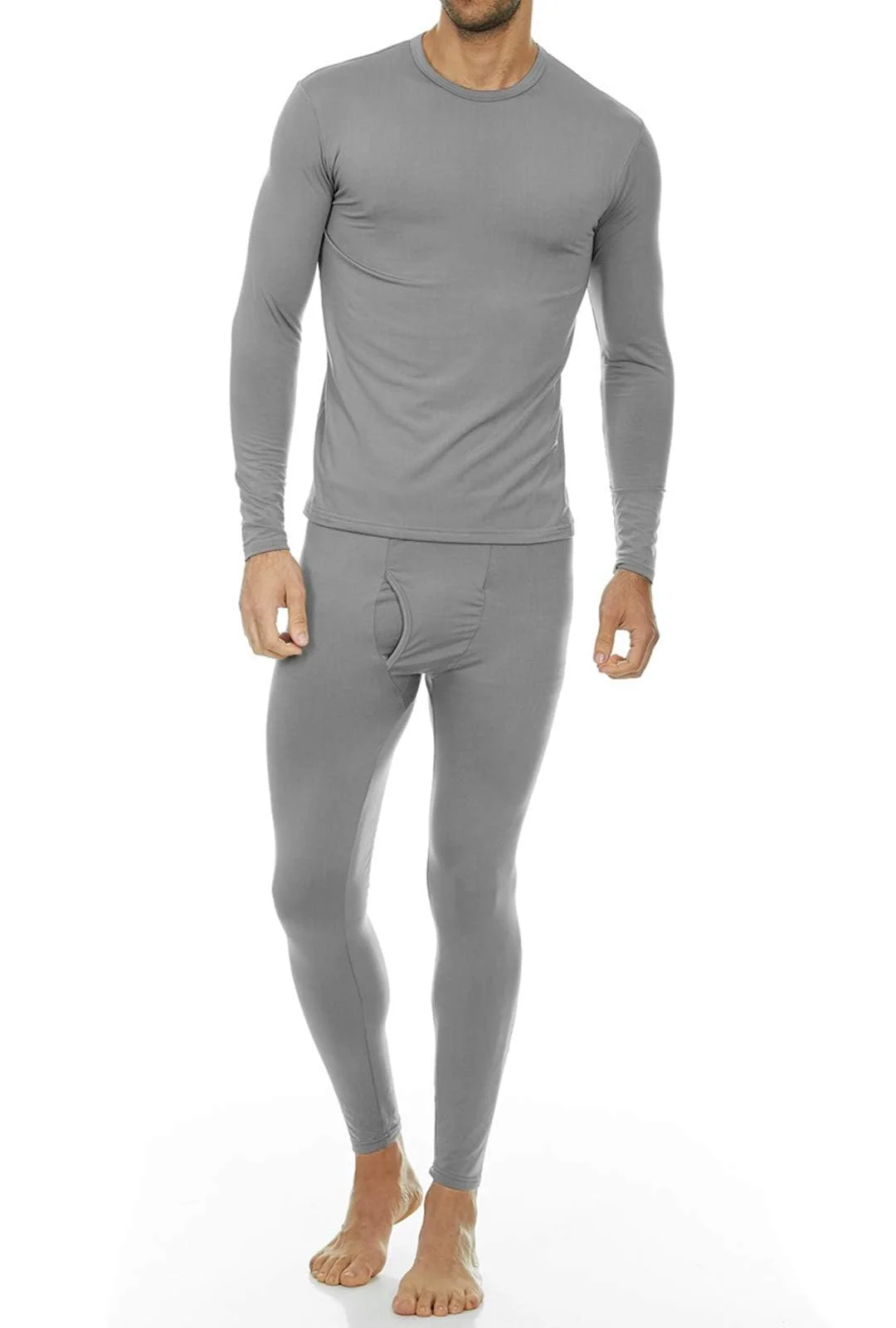
4. Best Budget: Thermajohn Ultra Soft Thermal Set
If you need a complete thermal set (top and bottom) without spending over $50, the **Thermajohn Ultra Soft Thermal Set** is an outstanding value. Made from a polyester-spandex blend with a light fleece lining, this set provides solid insulation and a soft, comfortable feel against the skin.
The fabric is designed to stretch and move with you, making it comfortable for active outdoor hunts or as camp loungewear. While it lacks the advanced technical performance of Merino wool or UA's grid fleece, it holds up well in moderate cold temperatures. It is a great option for weekend hunts, such as visiting a pheasant preserve in Ontario.
- Material: 92% Polyester / 8% Spandex (Micro-fleece lined)
- Optimal Temperature: -10°C to 10°C
- Pros: Extremely affordable, comes as a full set, very soft inner fleece
- Cons: Retains moisture longer than technical fabrics; prone to odor buildup
Thermajohn Ultra Soft Thermal Underwear Set
Affiliate Disclaimer: As an Amazon Associate, CanadaFever earns from qualifying purchases. This helps support our Canadian outdoor research at no extra cost to you.
🍁 The Local Secret
Professional backcountry guides in the Yukon recommend using the "half-zip chimney" technique. When you begin a steep ascent carrying a heavy pack, strip off all your mid-layers and hike in just your base layer. If your base layer has a chest zipper (like the Sitka Core), unzip it fully.
This creates a chimney effect, dumping warm, moist air before it saturates the fabric. As soon as you stop, immediately zip it up and put on your windproof outer shell to trap the warmth. Preventing sweat is 90% of the battle against cold feet and core chill.
What to Look For in Hunting Base Layers
When selecting your base layers, evaluate them based on material composition, weight, and fit.
1. Merino Wool vs. Synthetic Polyester
- Merino Wool: Natural fiber with crimps that trap air. Warm even when wet. Outstanding odor control, allowing multiple days of wear. Requires gentle washing and is less durable.
- Polyester/Synthetic: Hydrophobic plastic fibers. Dries extremely fast and is highly durable. Excellent at wicking moisture. However, it harbors bacteria quickly, meaning it will smell after a single day of active use.
2. Fabric Weight Classifications
- Lightweight (100 - 150 g/m²): Best for warm weather (above 10°C) or extremely high activity in the cold. Focuses on wicking, not insulation.
- Midweight (200 - 220 g/m²): The most versatile option. Good for mixed walking and sitting down to -5°C.
- Heavyweight (250 g/m² or Grid Fleece): Best for sub-zero temperatures and low activity (tree-stands, duck blinds). Focuses on maximum warmth.
Frequently Asked Questions
Q: Why is cotton so dangerous for late-season hunting?
A: Cotton is highly hydrophilic, meaning it absorbs water like a sponge. When cotton gets wet from sweat, it loses all its insulating properties and holds moisture directly against your skin. In cold weather, this leads to rapid cooling and increases the risk of hypothermia.
Q: Can I mix wool and synthetic layers?
A: Yes! A common and highly effective combination is wearing a lightweight Merino wool base layer against your skin for odor control and temperature regulation, topped with a synthetic grid fleece mid-layer for fast moisture transfer and warmth.
Q: How should a hunting base layer fit?
A: It should fit snugly against your skin ("next-to-skin" fit) without being constricting. If the base layer is loose, it cannot effectively wick moisture away from your skin, leaving you damp and cold.