

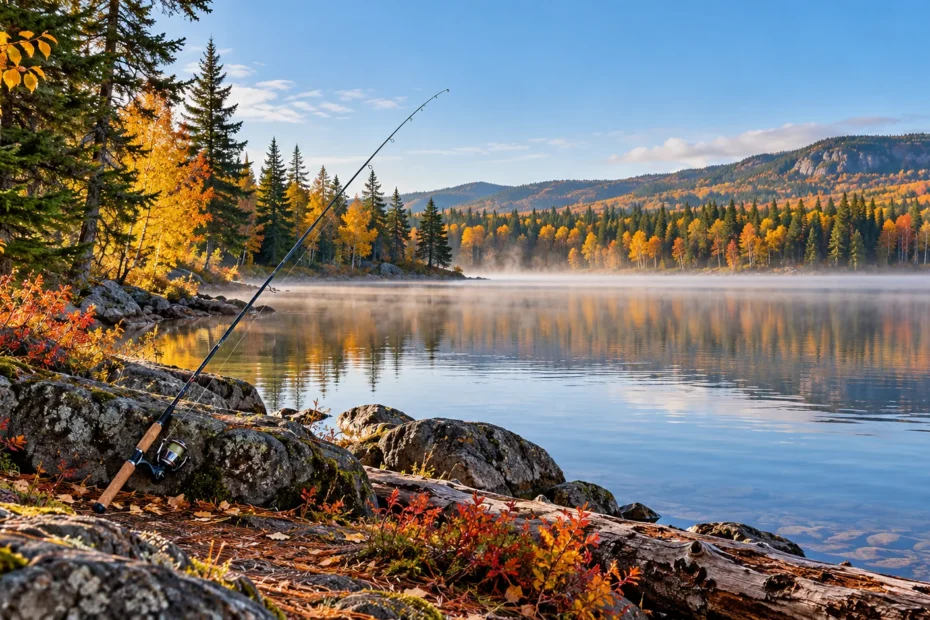
The best times to fish in Canada depend on the species, the water and the rules in force on your chosen day. Spring, summer, fall and winter can each offer opportunities somewhere, but there is no national opening date or guaranteed peak hour. Start with a legal season, then consider weather, access, water conditions and fish care.
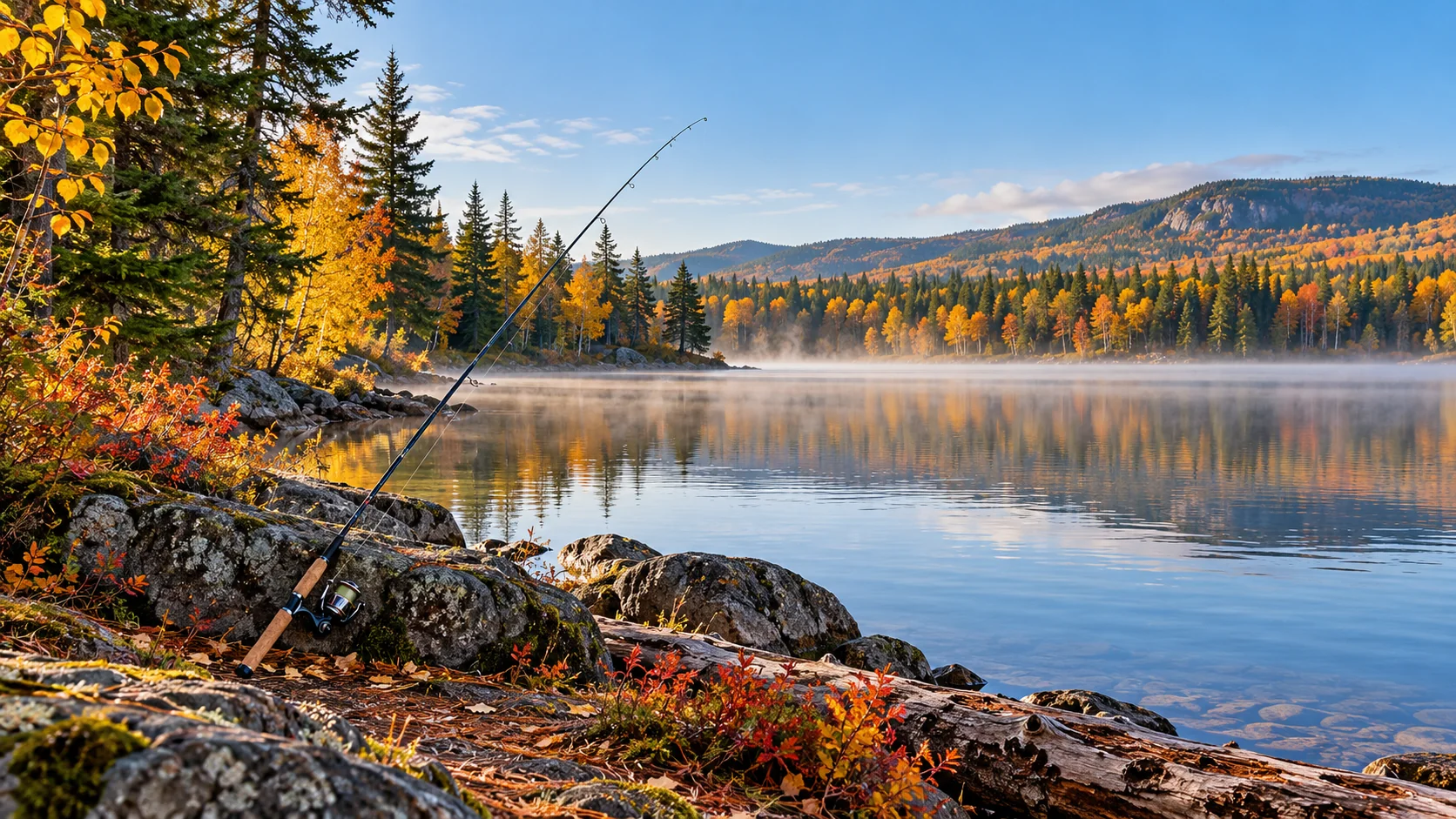
The Guide’s Log: choosing a weekend
Consider a hypothetical pair choosing a weekend for a lake in Ontario. They start with the waterbody and management zone rather than a generic list of the best months. They check the current open season for the intended species, the licence requirements and any lake-specific exception. An open season does not automatically mean that keeping a fish is permitted; they also check limits and size restrictions.
The forecast shows stronger wind later in the day. They consider an earlier departure and a sheltered backup activity, but make the final decision using the actual conditions and their equipment. If the fishery is open, they plan a simple presentation and record depth and weather so they can compare results later.
They bring a suitable flotation device for each person, handling tools and a communication plan. If a fish must be released, they are ready to do so promptly. If the target species is closed or conditions are unsuitable, they choose another lawful activity rather than relying on a calendar or a guide’s old report.
This is a planning example, not a report of a completed trip. Rules and local conditions must be checked for each real trip.
We would check the same official sources again shortly before departure because in-season changes can alter the plan.
1. Check whether the fishery is open
Identify the province or territory, the exact water, target species and date. Read general rules together with the applicable zone and waterbody exceptions. Check licence eligibility, open and closed seasons, catch and possession limits, size restrictions and permitted methods. Parks, protected areas and tidal waters may have different authorities or additional conditions.
Ontario’s season guidance states that dates vary by species and area and that targeting a species during its closed season is illegal even when release is intended. A catch-and-release-only open season is a different rule from a closed season. Elsewhere, consult the authority responsible for that water.
In British Columbia, the provincial freshwater regulations page links its synopsis and in-season updates, while Pacific salmon and tidal fisheries require checking the applicable federal rules and notices. Our B.C. regulations guide explains these separate checks.
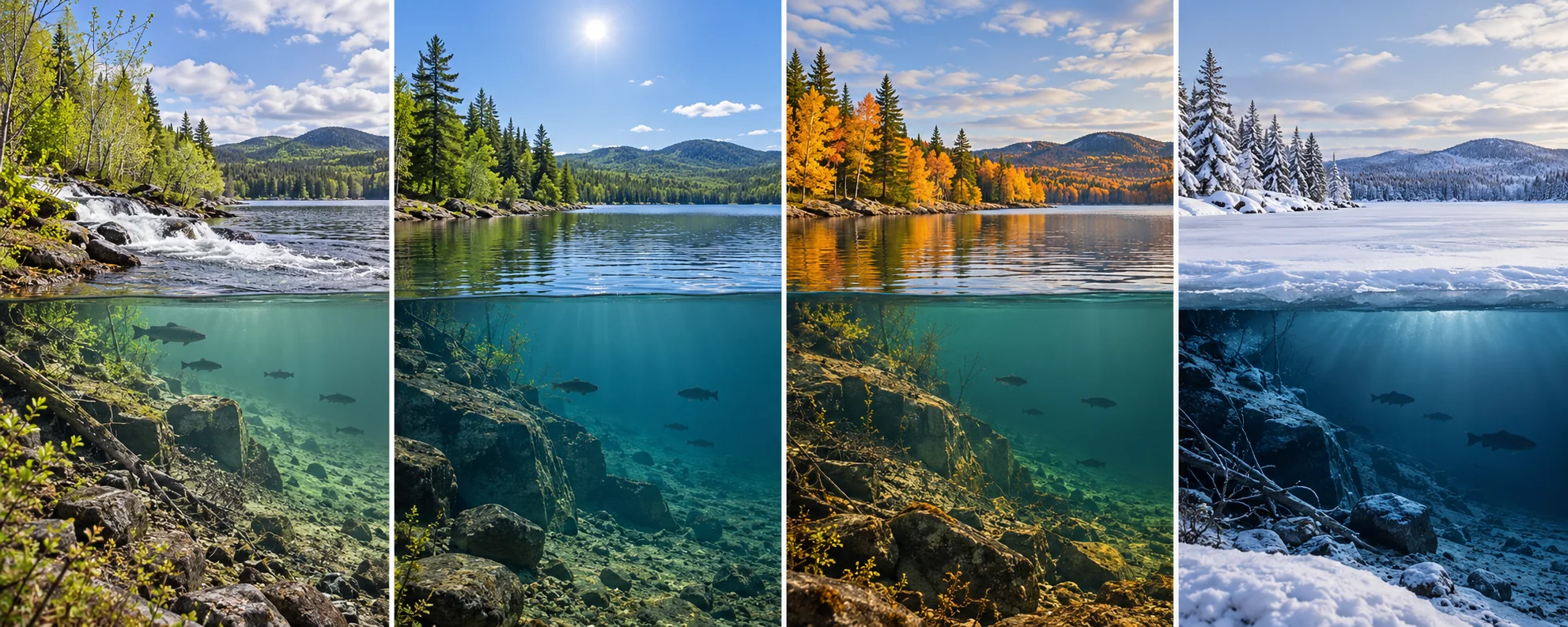
2. Use the seasons as planning questions
A worked example: Ontario zone 11 lake trout
The province’s zone 11 lake trout factsheet lists a zone-wide season from February 15 to the third Sunday in March, and from the third Saturday in May to Labour Day. That is a starting point for this example, not a national calendar or proof that a particular lake is open. Before travelling, check the current zone summary, individual-water exceptions, applicable limits and in-season updates. Access and ice conditions are separate checks.
| Period | What to investigate | Common constraint |
|---|---|---|
| Spring | Opening dates, water temperature, flow and access after winter. | Cold water, high water or closed species and sanctuaries. |
| Summer | Suitable habitat, weather, water temperature and heat. | Wind, storms and fish stress during warm conditions. |
| Fall | Current seasons, local movement and shorter daylight. | Cold water, changing weather and protected spawning areas. |
| Winter | Open species season and local access or ice conditions. | Variable ice, cold exposure and shelter requirements. |
These are questions, not fixed month-by-month promises. Canada spans many climates, and individual lakes and rivers respond differently. A local operator may have useful observations, but check official regulations and conditions yourself. For winter, our ice-fishing planning guide separates season checks from the decision about ice.
Spring: separate the opening date from the first workable trip
An opening date answers one part of the decision: whether a target fishery is open under the applicable rules. Spring runoff, cold water and changing access can make a lawful trip impractical. Check local high-water and access notices, the current weather forecast and the position of any fish sanctuary before choosing a launch or shore. A protected area may have its own dates even when the wider zone is open.
For a shore trip, select a location with room to cast and a route that remains usable if water rises or rain continues. Plan an alternative that does not require crossing unfamiliar current. Start with a manageable lure and observe the water before changing several factors. A quiet first session tells you little about the rest of the season; conditions can change between neighbouring waters.
Summer: choose a window with fish care in the plan
Long daylight can give a group more scheduling options, but heat, storms and wind can change the value of a particular window. Compare the forecast across the whole outing, including the return journey, rather than selecting an hour solely because it is commonly recommended. Conditions may change between a comfortable morning and the afternoon return.
If release is expected or required, consider the target species and local water conditions before departure. Ontario advises avoiding catch-and-release during extreme temperatures and minimizing air exposure. A cool-water species sought deep may present an additional pressure-injury problem; the actual risk depends on the fish and circumstances. Choose a different lawful opportunity or postpone if your intended fishery makes a required release difficult.
Fall: make shorter daylight part of the booking
When comparing a guide or lodge date, ask when the trip leaves and returns, what happens if strong wind cancels the outing and whether a sheltered alternative is included. Check the species season and water-specific restrictions yourself; a trip offered on a date is not a substitute for the current rules. Some waters protect spawning areas or have additional closures that are not captured in a simple seasonal calendar.
Shorter days can reduce the time available for a long approach, especially when loading, navigation and the return all need daylight. Agree on a turnaround time before leaving and protect enough margin for the group, equipment and conditions. A promising late bite is only useful if the route home remains suitable. Bring a backup plan for a cancellation rather than extending a trip because the booking has been paid.
Winter: plan for a legal fishery and changing ice separately
Ontario’s rules describe fish seasons rather than a single province-wide ice-fishing season. Select a water and open target species first, then check the local access, weather and ice conditions. A report about one location or last week is not proof of conditions along the entire route. If you cannot assess the route or local advice indicates uncertainty, choose an activity on land instead.
Ask an operator what equipment and emergency arrangements are included, who monitors changing conditions and what happens if conditions prevent the trip. Check local line and shelter rules separately, including any waterbody exception. An ice shelter does not establish that the ice beneath or on the route to it is safe. Cold can also make fish handling harder, so plan tools and release decisions before fishing.
Compare two plausible dates
Imagine the same lake has an open target fishery on both dates. The first trip offers more daylight but a forecast with wind increasing before the planned return; the second has a shorter day but a manageable forecast and a nearby access point. Neither forecast establishes the actual conditions. Compare the hours available, the group’s experience and the route, then check again just before travel. If either outing leaves too little margin for changing weather or a safe return, choose another day.
Record what you actually observed after an outing: date, water, weather, the lawful method used and whether conditions changed. A local report can suggest what to investigate, but a single catch is not enough to establish a universal best hour. Use several observations to improve the next plan while continuing to check current regulations and fish care.
Read a regional rule example before choosing September
Ontario’s current Fisheries Management Zone 11 summary shows why zone-wide dates are a starting point: the general lake trout season runs to Labour Day, while the Lake Temagami exception extends to September 30. That difference does not establish permission on another lake. On Lake Temagami, the summary lists a zero lake trout possession limit for both sport and conservation licences from the day after Labour Day to September 30: that period is catch-and-release only. Earlier limits differ. Check the current waterbody entry, sanctuary rules and in-season changes before relying on this example.
For an actual September trip, locate the exact water in the current summary, read all relevant exceptions and in-season changes, and check the licence class and limits that apply on the intended date. If the target fishery is closed, Ontario says you may not deliberately fish for that species even with the intention to release it. A different fishery may have a different season, but confirm its own rules rather than assuming that a licence opens it.
Read the forecast as a sequence
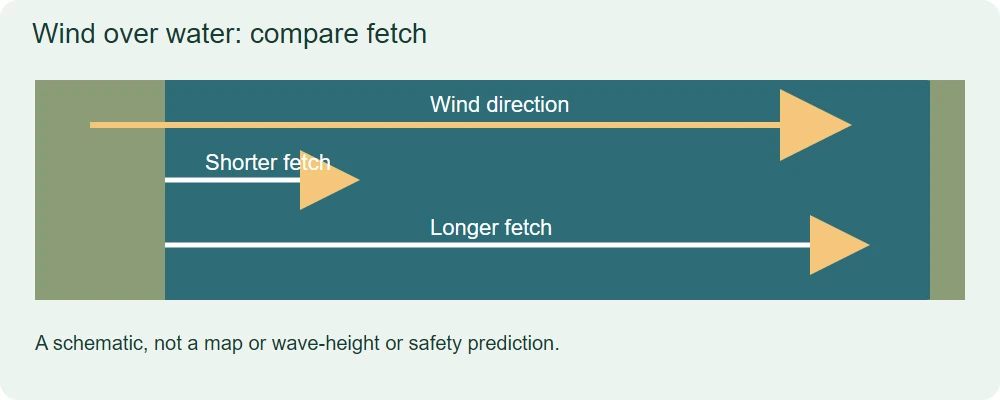
NOAA explains that wind strength, how long it blows and its fetch—the distance over water in the wind direction—affect wave development. A longer exposed stretch can increase wave potential; local shoreline, depth and other conditions also matter. This sketch cannot predict actual wave height or determine whether a route is safe.
Look at the forecast for departure, the intended fishing period and return. Wind direction matters as well as speed: an access point that appears sheltered at departure may be exposed on the way back when the wind shifts. On a larger lake, a route that crosses open water can be more demanding than a short trip close to a suitable shore. Choose the route and vessel for the actual conditions and the experience of everyone aboard.
Check the weather again before leaving and set a decision point for turning back. If thunderstorms, waves, visibility or cold exceed your equipment or experience, change the plan. A predicted calm period is a forecast rather than a guarantee, and no suggested fishing hour justifies delaying the return. Include loading, travel, contingencies and the group’s pace when deciding whether a time window is useful.
3. Match the species to its water
Lake trout: Cold, oxygenated water and seasonal habitat are important clues. In warm periods the fish may use deeper water, where capture can complicate release. The lake trout guide explains how to plan for that trade-off rather than treating depth as a simple target.
Walleye and other freshwater fish: Their seasons, limits and productive conditions vary by area. Start with the official zone and lake rules; use a local report to formulate a test, not to assume the fish will follow a national schedule.
Pacific salmon: Opportunities and retention can vary by species, location and in-season decisions. Check the DFO area map and current federal notices alongside the applicable licence and recording requirements before planning a trip; do not infer permission from a migration calendar.
Coastal fishing: Tides, wind, currents, vessel access and the legal fishery all matter. Check the responsible authority for the exact tidal area and species, and plan around a safe launch and return rather than a single tide chart alone.
Choose a time of day you can fish safely
Changes in light, wind, water temperature and feeding activity can make one part of a day more useful than another. Test a period that fits the water and target species, then compare what happens. A dawn start may suit one trip; on another, safe access, forecast weather, currents or a guide’s local observations may favour a different time.
Allow enough daylight for navigation and return, especially on unfamiliar water. Check the forecast again before departure and watch for changing conditions. A promising bite window is not a reason to remain on exposed water during lightning or wind beyond the limits of your boat and experience.
Estimate time remaining for the outing
Enter your available time, round-trip travel and setup/pack-up time in hours. This subtracts your own estimates; it does not assess daylight, weather, access, regulations or a safe return.
If travel and preparation leave no time, revise the trip rather than assuming you can extend your return. Real conditions may shorten the time further.
A practical trip-planning sequence
- Pick the fish and water. Identify the zone, access point and current species season.
- Check conditions and constraints. Review weather, travel time, available daylight, boat or ice conditions, and local notices.
- Plan the fishing and fish care. Match tackle to the method, confirm limits and prepare release tools.
- Set a backup. Tell someone your route and return time, and decide where you will go if the original plan is unsafe or closed.
Protect fish and the next opportunity
Temperature and capture depth can affect fish intended for release. Prepare pliers and a suitable net before fishing, minimize handling and air exposure, and follow local rules for immediate release. Ontario's fish-handling guidance recommends avoiding catch-and-release fishing in extreme temperatures. Consult local guidance for the species and water.
Clean equipment between waters according to local invasive-species requirements, pack out line and tackle, and check consumption advice for any fish you may legally keep. Use our Canadian regulations guide as a starting point, then confirm the current official rules.
Line and tools for your chosen fishing window
Affiliate links: We may earn a commission from qualifying purchases, at no extra cost to you. We have not field-tested these items. Check the selected model, current price and delivery options on Amazon.
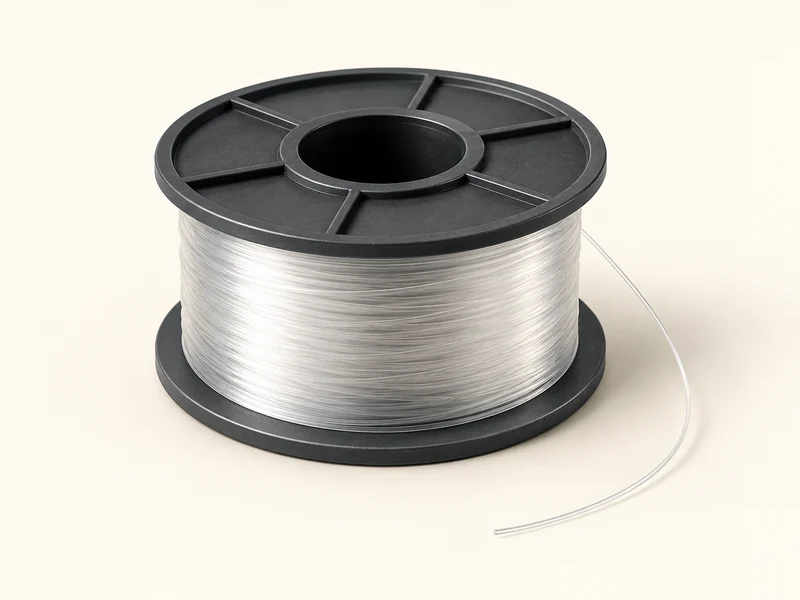
For a compatible line setup
Berkley Trilene XL Monofilament
- Clear 8 lb monofilament in a 330-yard spool.
- Diameter 0.010 inch / 0.25 mm for checking reel capacity.
- Match line strength to the fish, cover and tackle when replacing worn line.
This size is an option for a compatible light freshwater outfit. A lighter size may suit small lures; check the rod, reel and target fish together.
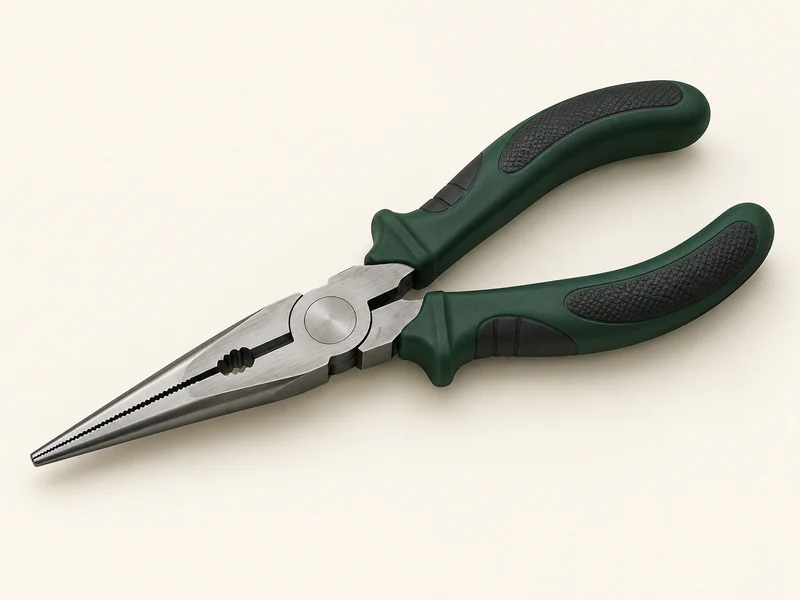
For handling hooks with a tool
Rapala 8½-inch Fisherman's Pliers
- Longer 8½-inch format for reaching a hook with a tool.
- Nickel-plated carbon steel and co-moulded grips.
- Choose a jaw size that suits the hook and fish; avoid unnecessary handling time.
Choose a size suited to accessible hooks and your fish. For a deeply embedded hook, follow local fish-handling guidance instead of pulling forcefully.
Questions about the best times to fish
What is the best month to fish in Canada?
There is no single best month nationwide. The applicable season and suitable conditions depend on the species, jurisdiction and waterbody.
Is dawn always the best time?
No. Light can be one useful variable, but weather, access, water conditions, fish behaviour and legal hours also matter.
Can I target a fish during a closed season if I release it?
Rules vary by jurisdiction. Ontario explicitly prohibits targeting a species during its closed season even if you intend to release it; check the authority for your water.
Does a winter fishing season mean the ice is safe?
No. Legal season and current ice conditions are separate decisions. Seek local advice and be prepared to change plans.
When should I book a fishing lodge?
After checking the target fishery and your travel constraints, ask the operator about current availability, what is included, cancellation terms and a weather backup. Verify rules again closer to departure.