

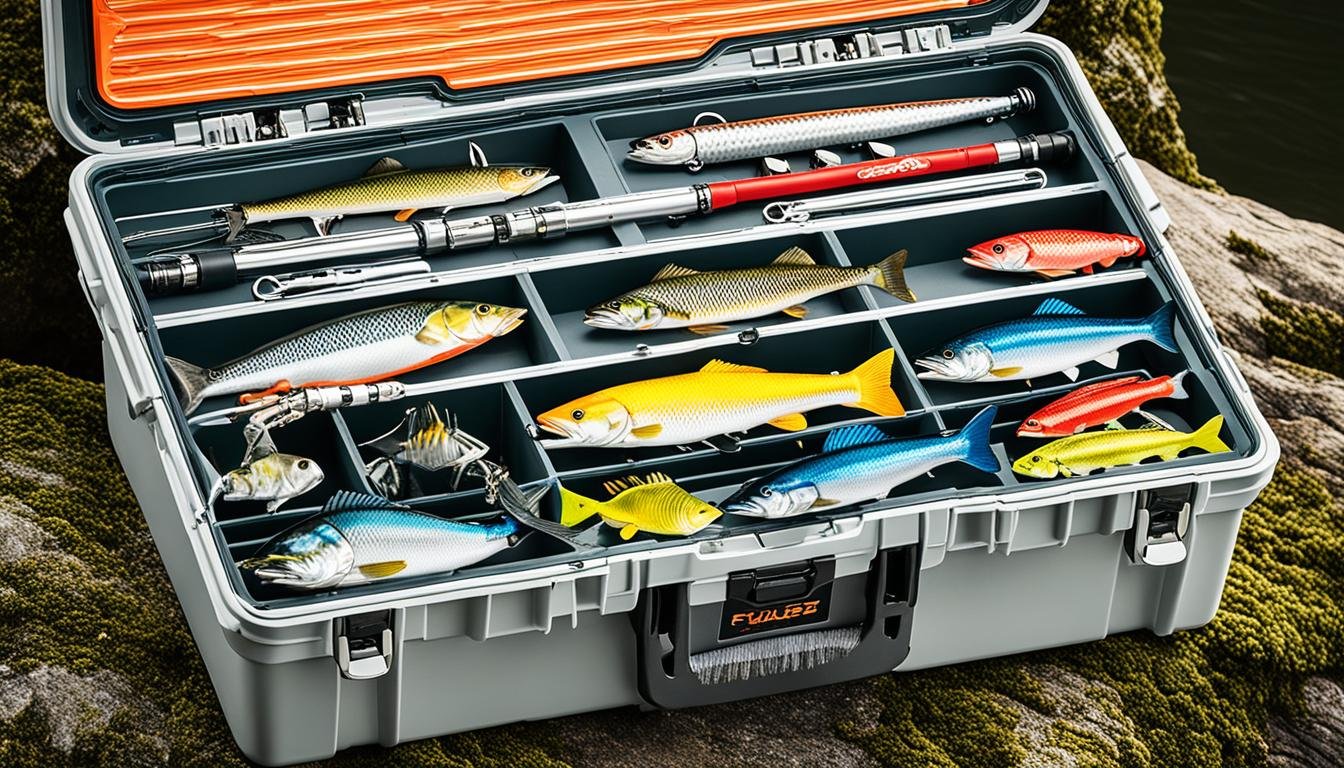
Discover the best Fishing Tackle Boxes and Storage options for Canadian anglers. Find durable, waterproof, and spacious solutions for your gear.
- Use Premium Fishing Tackle Boxes and Storage in to match species behaviour, habitat, season, and presentation to Canadian water conditions
- Check local regulations before fishing; limits, closures, bait rules, and licences can vary by province and waterbody
- Focus on practical setup: where to fish, what to cast or troll, how deep to work, and when to move
Bottom line Premium Fishing Tackle Boxes and Storage in gets simpler when you pair current rules with the right habitat, timing, and presentation
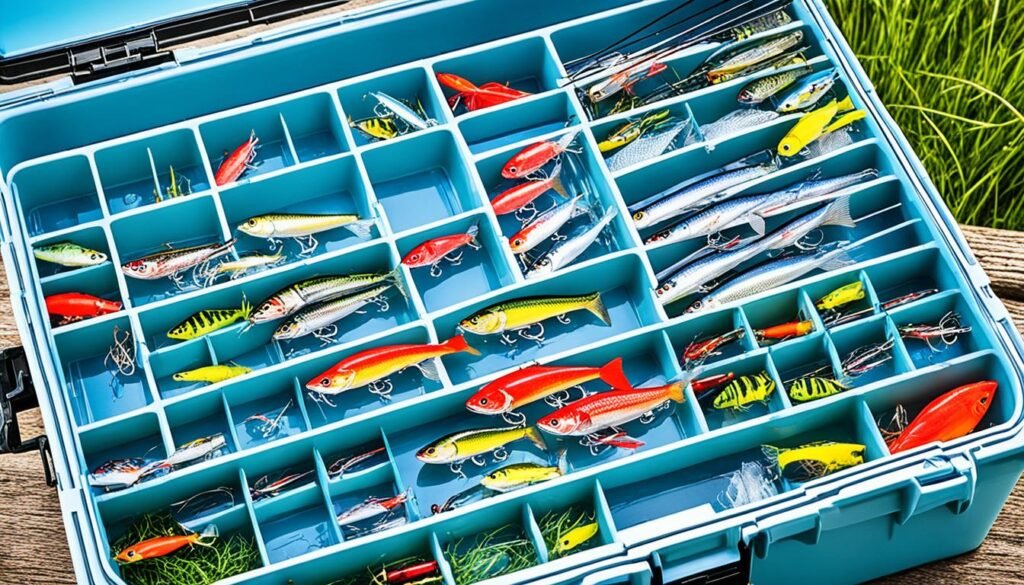
Fishing gear · Storage decisions
Soft plastic storage works best when the lure stays in suitable packaging and the outer bag fits the way you fish. A bait binder, an open-access bag and a rigid tackle tray solve different problems; one oversized box rarely solves all three.
For bass trips in the US or smallmouth and walleye fishing in Canada, start with the packets you actually carry. Their width, thickness and material instructions determine the storage system before brand names or maximum capacity claims do.
Soft plastic storage: choose the format first
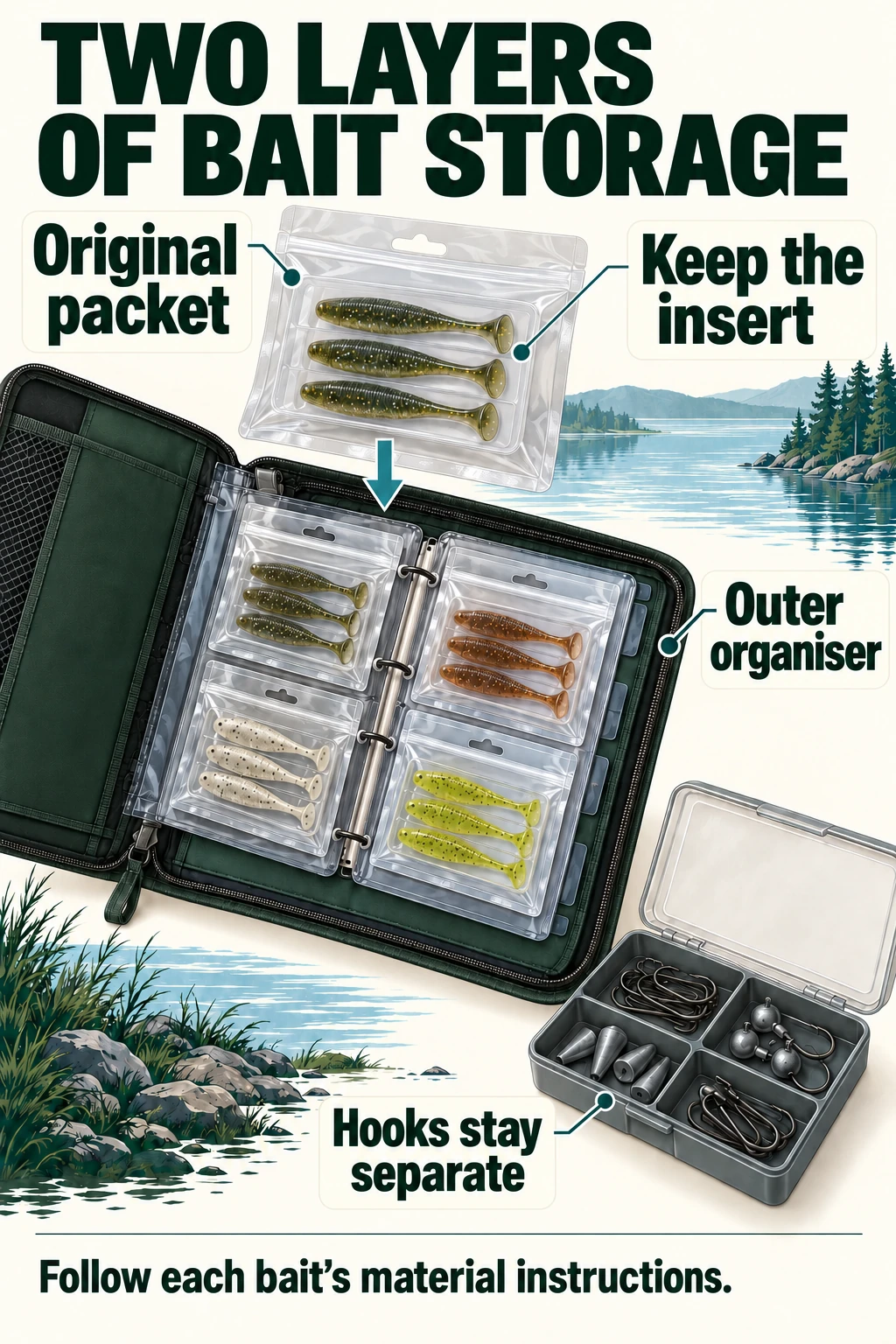
The simplest useful system has two layers: the lure’s original pack on the inside, and an organiser on the outside. That keeps the product label, material warnings and any moulded support tray with the bait. It also lets you replace an outer bag without repacking every lure.
If you carry a few packs, a clean bag you already own may be enough. Buy a dedicated organiser when you need faster access, clearer grouping, better carrying comfort or less movement inside your main tackle bag. More compartments are helpful only if you can find the right one.
| Your main problem | Best starting format | Trade-off to check |
|---|---|---|
| Packets disappear in a pile | Binder with sleeves or packet rings | Bulky clamshells can make the binder difficult to close. |
| You change baits repeatedly | Bag with a wide or fold-down opening | Open access exposes packets to rain and deck spray. |
| Hooks tangle or puncture bags | Separate rigid utility tray | A standard tray is not automatically waterproof. |
| Large reserve collection at home | Labelled bins containing original packs | Carry only a planned selection to the water. |
Our starting recommendation: the large Plano KVD Wormfile Speedbag is a useful option for anglers who want quick access to a selection of original packets. Choose the Berkley binder instead if browsing organised pages is your priority. These are research-based choices, not results from a CanadaFever waterproofing or durability test.
As an Amazon Associate, CanadaFever earns from qualifying purchases.
Check the large KVD Speedbag on Amazon
Soft plastic storage with original packs
Do not remove a shaped insert merely to make a binder flatter. Paddle tails, claws and long bodies can be compressed when a full organiser is forced shut. A clamshell-heavy collection often fits a deeper open bag better than a flat binder.
Arrange packets so their labels face the same direction. Keep one section for the baits you expect to use first and a second for alternatives. For drop-shot bait selection, that can mean separating short finesse profiles from larger worms without mixing the loose contents.
Material compatibility matters more than compartments
ElaZtech is not interchangeable with ordinary soft plastics for storage. Tackle Tactics, Z-Man’s Australian distributor, recommends separation from other plastics, avoiding extreme heat and keeping Z-Man baits in their original packets with the internal trays.
Use those precautions when packing ElaZtech alongside other baits. An outer binder can contain separately sealed original packets; that does not make its sleeves or a generic hard tray suitable for storing all the loose baits together.
A divider is an organisation feature, not proof of chemical compatibility. If a packet is damaged, ask the bait manufacturer which replacement packaging is suitable. Avoid assuming an ordinary household zip bag, a product described as “worm-proof”, or another brand’s storage sleeve is suitable for every material.
For scent-based baits or products supplied in liquid, follow that specific product’s storage instructions. Keep the original container upright when required and use secondary containment to manage a leak. Do not add water, oil or a different attractant as a universal storage treatment.
Three storage options for different jobs
As an Amazon Associate, CanadaFever earns from qualifying purchases. These links open Amazon.com; country routing and the available variant can differ. Check the selected model before ordering.

Plano KVD Wormfile Speedbag — Large
- Fold-down opening suits frequent bait changes.
- Large listing specifies a 14 × 4.5 × 5.5-inch bag.
- Water-resistant exterior; keep each lure in its own factory pack.
Check before buying: A soft bag provides little crush protection. Its advertised bag count is not a guarantee for bulky clamshell packs.
View Plano KVD Wormfile Speedbag on AmazonCheck current options, seller and delivery on Amazon.

Berkley Soft Bait Binder — BASBB1490
- Seven sleeves help group labelled original packs.
- The verified model measures 14 × 9 inches.
- A handle and removable shoulder strap offer two carrying options.
Check before buying: The stated capacity is up to 42 standard bait bags. Loaded thickness and pack shape matter more than that maximum.
View Berkley Soft Bait Binder on AmazonCheck current options, seller and delivery on Amazon.

Plano ProLatch StowAway — 23700-02 / 3700
- Adjustable layout creates 4–24 compartments.
- Clear lid lets you identify contents before opening.
- Use as the hard-tackle companion to a separate soft-plastic bag.
Check before buying: This ordinary ProLatch tray is not a sealed waterproof box or a universal loose-ElaZtech storage recommendation.
View Plano ProLatch StowAway on AmazonCheck current options, seller and delivery on Amazon.
How these three products fit together
The Speedbag and Berkley binder are alternatives for your soft-plastic packets. The Plano hard tray is a companion for terminal tackle and hard baits. You do not need to buy all three to make an organised system.
| Verified option | Why choose it | When to choose something else |
|---|---|---|
| KVD Speedbag, large listing | Fold-down access without browsing pages | Choose a smaller organiser if the loaded footprint dominates your pack. |
| Berkley BASBB1490 binder | Seven sleeves, with separate carrying options | Choose an open bag for many thick, moulded packets. |
| Plano 23700-02 StowAway | Adjustable compartments for ordinary hard tackle | Choose verified sealed storage for sustained spray exposure. |
The large Speedbag listing states up to 40 magnum bags; Berkley states up to 42 standard bait bags in seven sleeves. Those labels refer to different pack types and are not a fair head-to-head capacity test. Pack thickness, sealed edges and retained trays can reduce practical capacity.
Berkley’s BASBB1490 specifications confirm the 14 × 9-inch format, removable shoulder strap and storage sleeves. Check this model number because the smaller binder is a different product.
The KVD listing describes a water-resistant TPE coating. That describes the outer fabric; it does not establish compatibility between loose ElaZtech baits and the bag lining. Keep the baits in their original packets. The ordinary ProLatch tray has secure latches, but we have not verified a submersion rating for it.
Hard tackle box, soft bag or backpack?
A hard box provides a rigid shell around its contents. A soft bag can be easier to carry and can hold removable trays. A backpack leaves your hands available for walking, but it still needs a layout that lets you reach the right packet without unloading everything.
Choose a hard box when it has a stable place to sit and you need organised access to many hard baits. Choose a modular soft bag when you change the trays between trips. Choose a backpack when walking distance matters more than having all the tackle visible at once.
Large pike or musky lures need their own depth and hook-clearance checks. Do not assume a standard tray can accept a long lure with trebles attached just because the nominal lure length is shorter than the box. Lay the actual lure beside the compartment measurements.
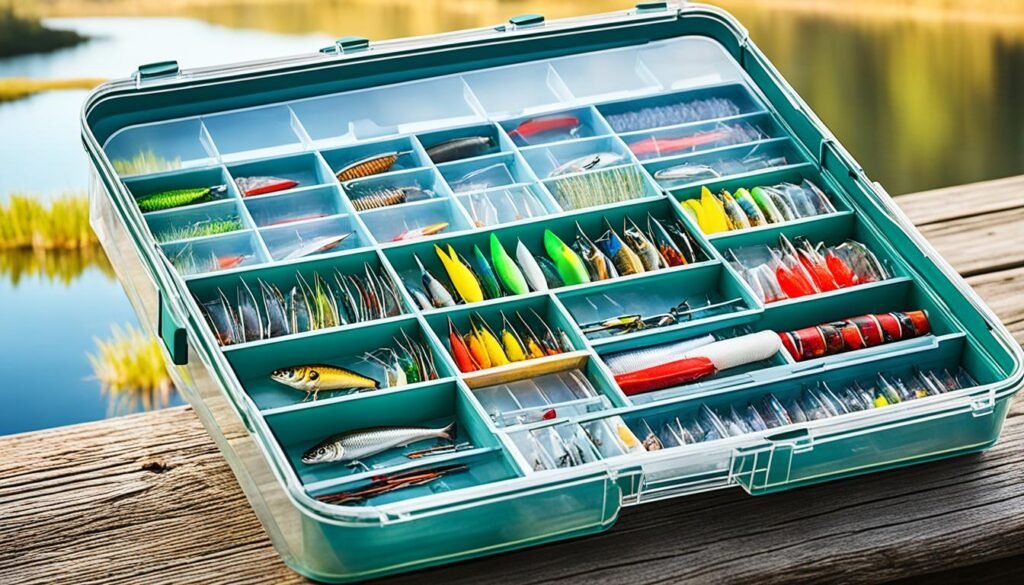
Check dimensions before capacity
Measure the space inside your main bag, under the seat or in the boat compartment. Then check the organiser’s exterior dimensions with enough clearance for handles, zippers and removal. A bag that technically fits but cannot be pulled out easily is a poor working fit.
The 3600 and 3700 labels are useful starting points, but depth and shape vary across boxes. Compare the exact model dimensions rather than relying on a size-family label alone. The same applies to backpacks and kayak crates.
Keep sinkers and heavy jigheads low in the system and avoid loading a thin binder sleeve with loose sharp metal. Store hooks in suitable compartments or their original packets so points cannot puncture bait packaging. Pack tools where you can retrieve them without reaching through exposed trebles.
For a small craft, plan storage around safe movement and access. Our kayak and canoe fishing guide covers the wider trip setup; a tackle bag should not obstruct paddling, re-entry equipment or the cockpit.
Build a layout you can repeat
Sort by what you need to do next. A finesse section can hold the sealed packets, suitable hooks and labelled weights for that technique, while the loose metal remains in its separate tray. A second section can cover a different technique without requiring every bait to be visible at once.
Label the outside of a tray and the edge that faces you when stacked. For packets, keep the original model and colour information visible. A brief list of depleted items is more useful than buying another large organiser to hold duplicate baits.
- Empty the storage system and remove damaged tackle or loose debris.
- Keep original bait packets intact, separated by material and product instructions.
- Choose a small active selection and store reserve stock separately.
- Put hooks and weights in labelled, suitable hard-tackle compartments.
- Test the loaded closure and carrying position before adding more packs.
A new angler can build this around the core fishing gear checklist. The aim is to keep the tackle for a realistic trip accessible, rather than carry every lure in the collection.
Water resistance, seals and moisture
Read the exact product claim. Water-resistant fabric can shed some splashes, while a gasketed box is designed to limit entry through its lid. Neither description alone confirms that a loaded product can be submerged without leaking.
Inspect the closure path. Dirt, a trapped packet edge or a deformed gasket can prevent a lid from seating. Keep the sealing surfaces clear and follow the maker’s cleaning instructions. Avoid treating a tackle organiser as a dry bag for a phone or other essential electronics.
Even sealed storage can hold moisture that was already inside when you closed it. Wet hooks and damp trays need attention after the trip. Corrosion-control inserts are an additional feature, not a reason to seal away wet tackle indefinitely.
Cleaning and long-term storage
Unload the organiser before cleaning it. Follow its care instructions for the fabric, zipper, hinges and gasket; if mild soap and water are suitable, remove residue and let every part dry before repacking. Do not soak a fabric binder or lubricate a zipper with an arbitrary chemical.
Keep spare soft-plastic packets in a cool, shaded indoor location away from extreme heat. A sunlit dashboard or closed vehicle is a poor long-term storage space. Keep bait packets separate from cleaners, solvents and other substances not approved for contact with them.
Check hard tackle for rust, damaged hook points and cracked lure bodies. Replace damaged containers or parts when their closure no longer works properly. For bait packaging that becomes sticky, leaking or distorted, isolate the product and follow the manufacturer’s advice before reuse.
Spend on the problem you actually have
If you can already identify and access every packet, a new binder may offer little improvement. Start with suitable original packaging, clear labels and a smaller day selection. A dedicated bag earns its place when its opening or carrying format removes a real inconvenience.
Compare the complete system: the organiser, compatible replacement sleeves or trays, and the space it occupies. A larger binder can cost more to fill and may be less comfortable on a long walk. A tray designed for one lure type may be useful for that job but less flexible for changing trips.
For Canadian readers using these Amazon.com links, confirm the delivered total, country routing and return terms shown to you. This guide does not assume that a US listing has the same price, seller or selection in Canada.
For more gear choices, use our fishing reel guide and fishing rod guide to build the actual setup before choosing its storage. A tackle organiser should accommodate the fishing plan.
Fishing tackle boxes and soft plastic storage FAQ
Should soft plastics stay in their original bags?
That is the safest starting approach when you do not have a manufacturer-approved alternative. Keep shaped inserts and product labels with the bait. Follow the specific instructions for ElaZtech, scented products and baits supplied in liquid.
Is a bait binder better than a soft-plastic bag?
A binder suits anglers who like browsing organised pages. An open bag suits frequent changes and thicker packets. Neither is automatically better: test the loaded pack thickness, closure and carrying fit.
Can I mix Z-Man ElaZtech with regular soft plastics?
Do not mix the loose baits. Tackle Tactics recommends keeping Z-Man products separate from other plastics and in their original packets. Separate sealed packets in an outer organiser do not establish that loose baits are compatible with its lining.
Are 3600 and 3700 tackle boxes interchangeable?
They are different size families, and depth varies within a family. Check the exact box dimensions and space inside the bag, crate or compartment. Allow clearance to remove the loaded box.
Will a waterproof tackle box stop rust?
It can reduce outside water entry when properly closed and used within its rating, but it can still trap moisture already inside. Dry wet tackle and maintain seals according to the product instructions.
Sources and further reading
The product comparison uses the exact Amazon listings linked above, Berkley’s BASBB1490 specifications and Tackle Tactics’ Z-Man storage guidance. Specifications were checked on October 1, 2026. We have not performed independent product durability, waterproofing or chemical-compatibility tests.
Additional references from the original guide
These destinations are retained for further reading and shopping context. Their products, prices and performance claims are not the basis of our current recommendations.
- www.wired2fish.com
- www.fishusa.com
- www.canadiantire.ca
- en.wikipedia.org
- www.popularmechanics.com
- 1source.basspro.com
- www.forbes.com
- latulippe.com
- www.ifish.net
- ezokofishing.com
- shopkarls.com
- www.in-fisherman.com
- www.wired2fish.com
- www.storwell.com
- www.bassmaster.com
- www.fishingtackleshop.com.au
- www.bcfishingjournal.com
- www.linkedin.com