

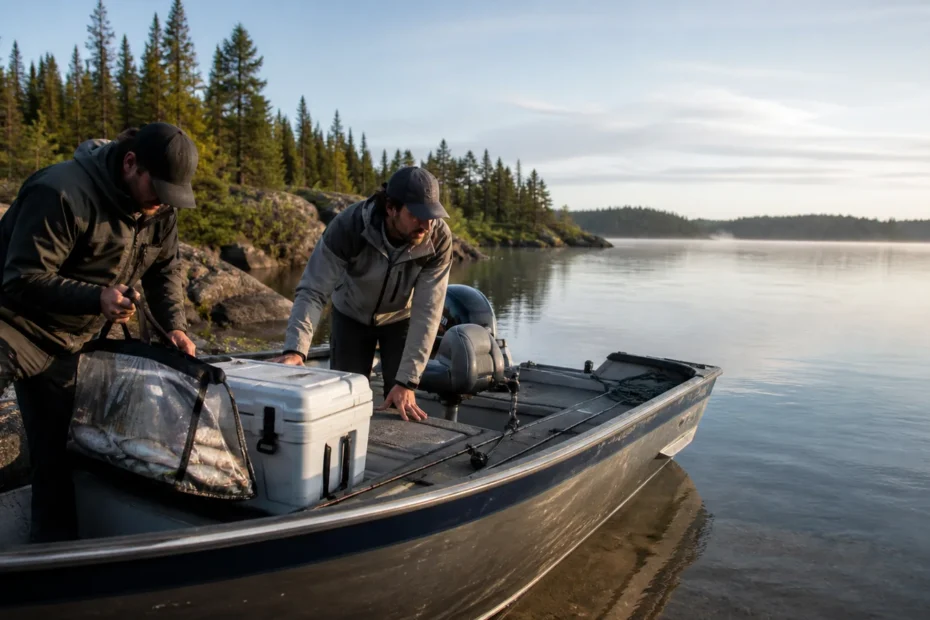
Compare the best fishing coolers in Canada by boat footprint, ice strategy, leak control, portability and fish capacity for day and multi-day trips.
- Measure the deck or vehicle footprint with lids, hatches and seats in motion.
- Loaded carry weight matters more than empty cooler weight.
- Pre-chilling and limiting warm-air exposure improve performance without buying a larger box.
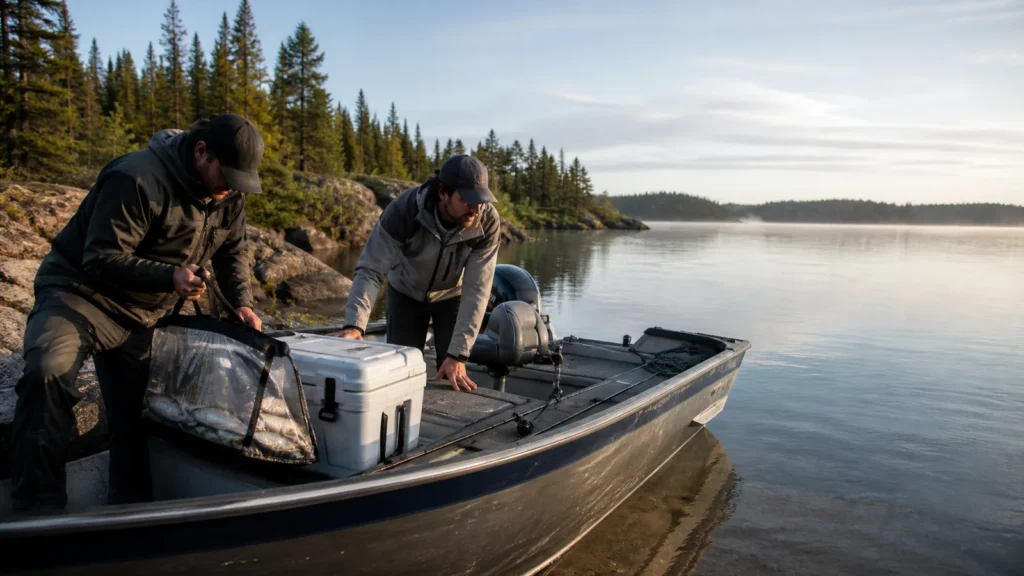
The best fishing coolers Canada anglers can buy fit the boat, hold the expected catch or food safely and remain manageable when loaded with ice. A premium hard cooler is a poor choice if it blocks a hatch or cannot be lifted off a small boat; a flexible fish bag is a poor choice if it leaks or cannot be cleaned thoroughly.
This guide compares hard coolers, compact dryboxes and insulated fish bags by footprint, ice strategy, drainage, hygiene and transport.
Best Fishing Coolers Canada: Choose the Format
Coordinate the cooler with the layout in our best fishing boats guide or the tighter storage plans in kayak and canoe fishing.
| Format | Best for | Strength | Trade-off |
|---|---|---|---|
| Rotomoulded hard cooler | Repeated boat and camp use | Robust shell and strong closure | Heavy and space hungry |
| Conventional hard cooler | Family day trips and vehicle use | Good capacity-to-weight value | Durability and insulation vary |
| Drybox cooler | Kayak or small boat | Compact, leak-conscious gear/food storage | Limited fish capacity |
| Insulated fish bag | Long fish and narrow decks | Flexible footprint and flat storage | Needs careful cleaning and seam inspection |
| Two-cooler system | Food plus retained catch | Better hygiene and organization | More deck space and ice |
How We Compared Fishing Coolers
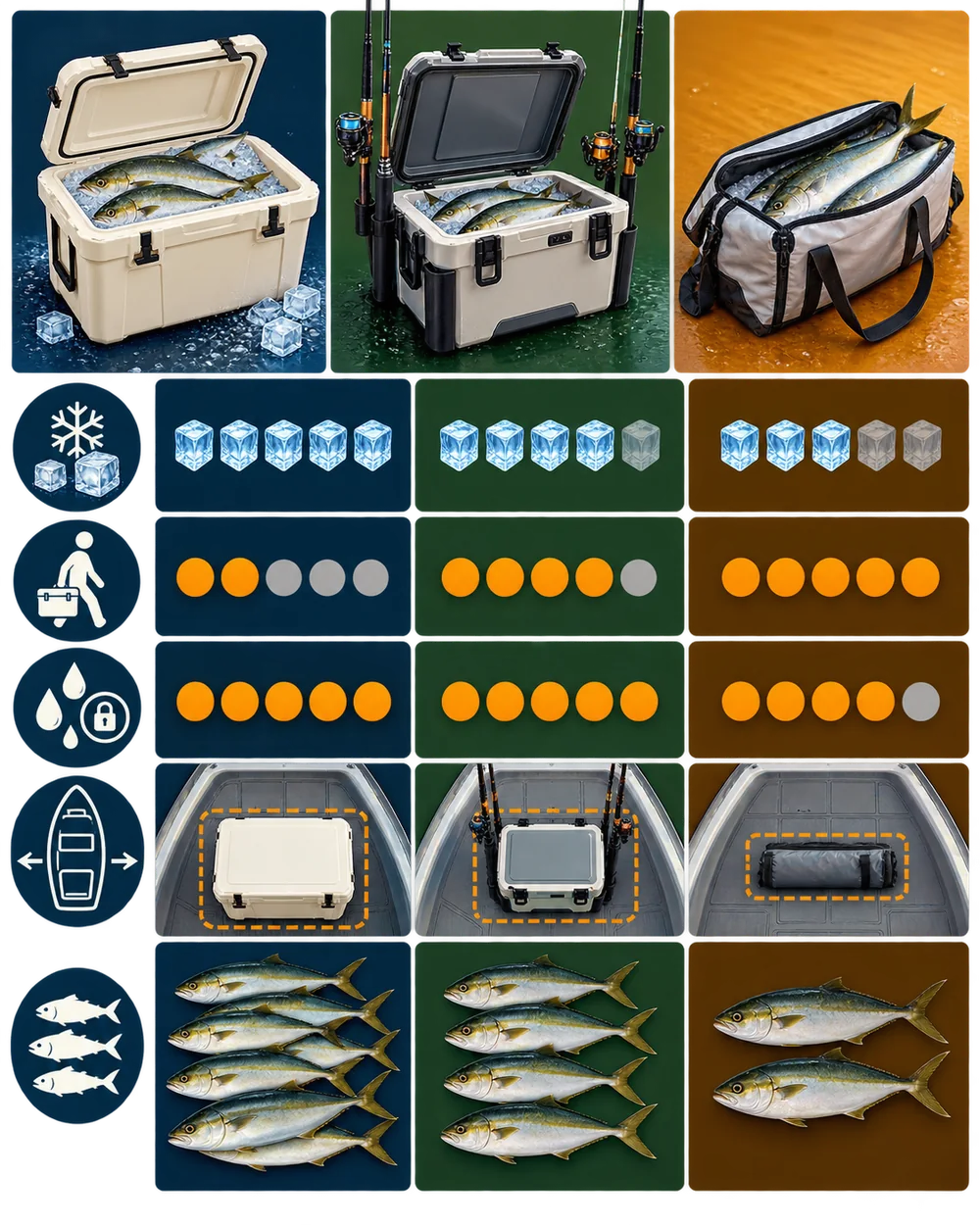
This research-based shortlist begins with the boat and the catch plan, not an ice-retention headline. We checked the current product listings and compared three different formats by usable footprint, loaded carry burden, closure, cleanability and the type of contents each is meant to protect.
A hard cooler, drybox cooler and insulated fish bag are not direct substitutes. The hard box prioritizes structure and repeated use, the drybox prioritizes compact organization, and the fish bag prioritizes long contents and flat storage. We did not claim controlled ice testing or reproduce every product’s sanitation process.
What marketing cannot decide
Can counts, empty weight and exterior litres do not reveal whether a cooler blocks a hatch, whether one person can lift it when loaded or whether the corners can be cleaned after fish storage. Measure the actual craft and follow both the manufacturer instructions and current food- and fish-handling rules.
CanadaFever fit-first pick
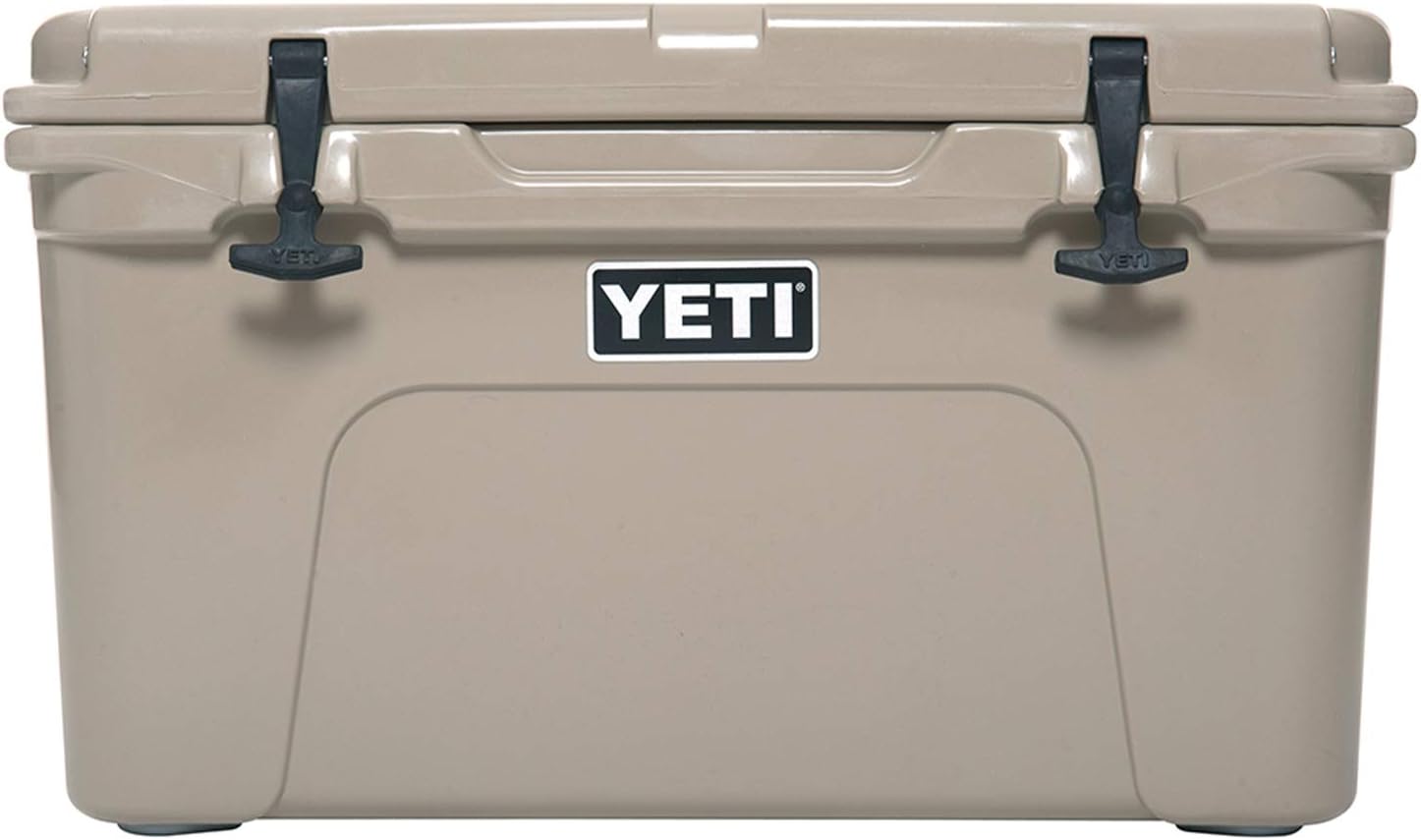
YETI Tundra 45
A premium hard-cooler direction for boat anglers prioritizing robust construction, repeat use and dependable closure over low carry weight.
- Hard-shell format protects contents and tolerates deck use
- Best when the boat has a measured dedicated footprint
- Pre-chill and use block-to-cube ice strategy for longer trips
Confirm the exact model, size and Canadian availability before ordering.
Three Cooler Formats for Three Different Jobs
YETI Tundra 45: robust hard-cooler direction
The Tundra 45 makes sense when a boat, truck or camp has a measured place for a rigid cooler and the buyer values a durable shell, dependable closure and repeated use. It can serve as the main cold-storage box for a day group or a controlled part of a multi-day system.
The trade-off is mass and footprint. Add ice, drinks, food and fish before judging whether the cooler is portable. Confirm the lid clears seats and hatches, identify real tie-down points and do not assume the box is an approved seat unless the manufacturer says so.
Engel UC30: compact drybox/cooler hybrid
The UC30 direction is useful on kayaks and small boats where lunch, electronics, tackle organization and a limited catch share a tight layout. The listed drybox-style closure and rod holders add practical value when the unit fits the cockpit or deck plan.
Capacity is the constraint. A compact box can be excellent for a solo day but inadequate for a group, bulky fish or long heat exposure. Keep electronics isolated from meltwater and fish contamination even when the container is described as leak resistant.
THKFISH insulated fish bag: long-catch and narrow-deck solution
An insulated fish bag solves the shape problem that rigid coolers often create. It can accept long fish, lie against a narrow deck and fold flatter after the trip. That makes it a useful direction for small craft and anglers who need flexible storage.
The weakness is maintenance. Seams, zipper, drain method and internal corners determine whether the bag can be cleaned and dried. Verify the exact internal dimensions and never assume a flexible bag protects contents from crushing cargo.
Measure the Boat Before Comparing Brands
Mark the full exterior footprint with tape. Open every nearby hatch, rotate seats, move tiller or steering controls and walk the normal route to the bow. Add tie-down clearance and room for the lid. A cooler that technically fits can still create a trip hazard.
Hard cooler, drybox or fish bag
Hard coolers resist crushing and can serve as stable cargo when secured. Compact dryboxes suit electronics, lunch and limited catch on small craft. Insulated fish bags accept long fish and collapse after use, but rely heavily on seam quality, zipper care and disciplined cleaning.
Ice retention starts before launch
Pre-chill the cooler and contents, keep it out of direct sun, reduce lid openings and fill dead air with appropriate cold material. The YETI Canada hard-cooler buying guide also emphasizes matching capacity and form to the trip rather than treating one size as universal.
Catch Care, Drainage and Cleaning
| Decision | Good practice | Avoid |
|---|---|---|
| Food separation | Use sealed food containers or a separate cooler | Raw fish water contacting ready-to-eat food |
| Drain use | Follow maker guidance and maintain cold contact | Leaving an open drain that admits warm air |
| Fish storage | Bleed/clean only where legal and cool promptly | Warm fish piled above the cold zone |
| Cleaning | Wash, sanitize as appropriate and dry open | Closing a damp fish bag for storage |
| Tie-down | Use rated anchor points without blocking exits | Treating a heavy cooler as loose deck furniture |
Follow the current fishing and transport rules for the species and jurisdiction. Our fish-cleaning guide and humane fish-dispatch guide explain the handling sequence; regulations determine what may happen on the water and what evidence must remain.
Estimate loaded weight
Add the cooler, ice, drinks, food and expected catch. Then ask whether one person can lift it without twisting and whether the boat remains within capacity. A wheeled cooler helps on pavement but adds mechanisms and may not solve docks, rocks or sand.
What we would not buy
- A cooler that blocks a hatch, bilge access or emergency movement.
- A fish bag with no practical way to drain, scrub and dry the corners.
- A capacity chosen from can-count marketing rather than the actual trip.
- A cooler used as a seat unless the manufacturer permits it and it is secured.
Finish the system with the tools in our fishing tools guide and the safety equipment in fishing PFDs.
Plan the Cold Chain Before the Fish Arrive
Health Canada’s outdoor food-safety guidance uses 4°C or colder as the target inside a cooler holding perishable food. A fishing cooler should therefore be treated as a managed cold system rather than a box that is automatically safe because ice is present. Use a clean thermometer when food safety depends on the temperature, and keep ready-to-eat food isolated from raw fish and contaminated meltwater.
Calculate the real load
Add the empty cooler, planned ice or frozen bottles, drinks, food and expected retained catch. Then decide who lifts it at the ramp, dock and vehicle. A load that requires twisting from a low deck position may need two people or a different container. Stay within the boat’s capacity and keep emergency routes clear.
Use zones, not a mixed pile
Create a clean food zone with sealed containers and a separate fish zone whenever possible. A two-cooler system costs deck space but makes access and sanitation easier. On a small craft, use sealed internal bins or bags that cannot leak into ready-to-eat food, and keep electronics in their own dry protection.
Pre-chill and reduce warm-air exchange
Bring the cooler and contents down in temperature before launch, keep the box shaded and open it deliberately rather than repeatedly. Large cold blocks last differently from loose cubes, while frozen water bottles reduce free meltwater and become drinking water as they thaw. Follow the product maker’s drain guidance; leaving a drain open can admit warm air and create a dirty flow path.
Clean for the next trip
Remove residue promptly, wash and sanitize with products and concentrations appropriate for the cooler material, rinse when required and dry completely with the lid or bag open. Inspect drains, gaskets, seams and zipper tracks. Persistent odour is a warning to repeat the cleaning process rather than masking it.
Fishing-rule check
Cooling and cleaning do not override species, size, packaging or transport rules. Retain the identifying features required by the current jurisdiction and date, and confirm where cleaning is permitted. CanadaFever’s handling guides explain process choices, but the applicable provincial or territorial regulations control.
Alternatives for different use cases
These are not interchangeable. Choose the format that solves your transport, weather or capacity problem.
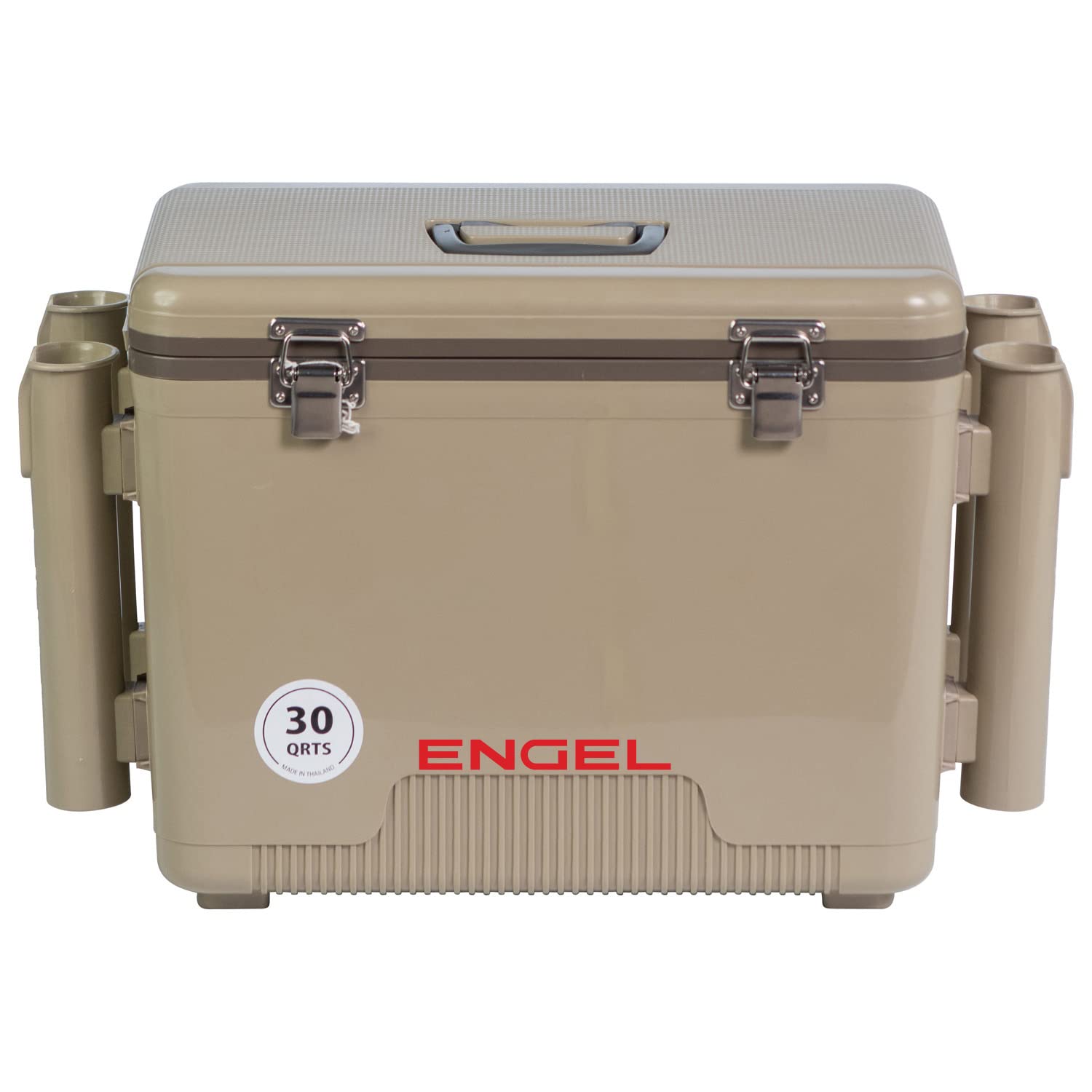
Engel UC30 Drybox Cooler
A compact drybox/cooler hybrid for small boats and kayaks where leak control, gear protection and integrated rod holders are useful.
- Listing describes an airtight leak-resistant drybox format
- Built-in rod holders suit compact fishing layouts
- Capacity is better for day use than bulky group storage
Confirm the exact model, size and Canadian availability before ordering.

THKFISH Insulated Fish Cooler Bag
A flexible fish-bag direction when long fish, narrow decks and easy empty storage matter more than rigid protection.
- Flexible format accepts fish that do not fit square coolers well
- Folds flatter than a hard box after cleaning and drying
- Verify seams, drain method and exact internal dimensions
Confirm the exact model, size and Canadian availability before ordering.
Compare more best fishing coolers Canada options on Amazon.com →
Listings, configurations and availability can change. Review the current seller page before purchase.
best fishing coolers Canada: Frequently Asked Questions
What size cooler is best for fishing?
The smallest cooler that safely holds the trip’s food, ice and expected retained catch while preserving boat access. Measure the exterior footprint and loaded weight.
Is a hard cooler or fish bag better?
Hard coolers provide structure and robust closure. Fish bags suit long fish and narrow decks but demand careful leak, drain and cleaning checks.
How can I keep a fishing cooler cold longer?
Pre-chill it, chill the contents, reduce lid openings, keep it shaded and minimize dead air with an appropriate ice strategy.
Can I store food and fish in the same cooler?
Physical separation in sealed containers is essential, but a separate cooler is the cleaner solution when space allows.
Should meltwater be drained?
Follow the cooler maker and food-safety plan. Cold meltwater can help contact cooling, while an open drain can admit warm air and create contamination problems.
Bottom line: Choose by deck fit, loaded weight and clean handling. Insulation matters, but a cooler that obstructs the boat or cannot be cleaned is the wrong fishing cooler.