

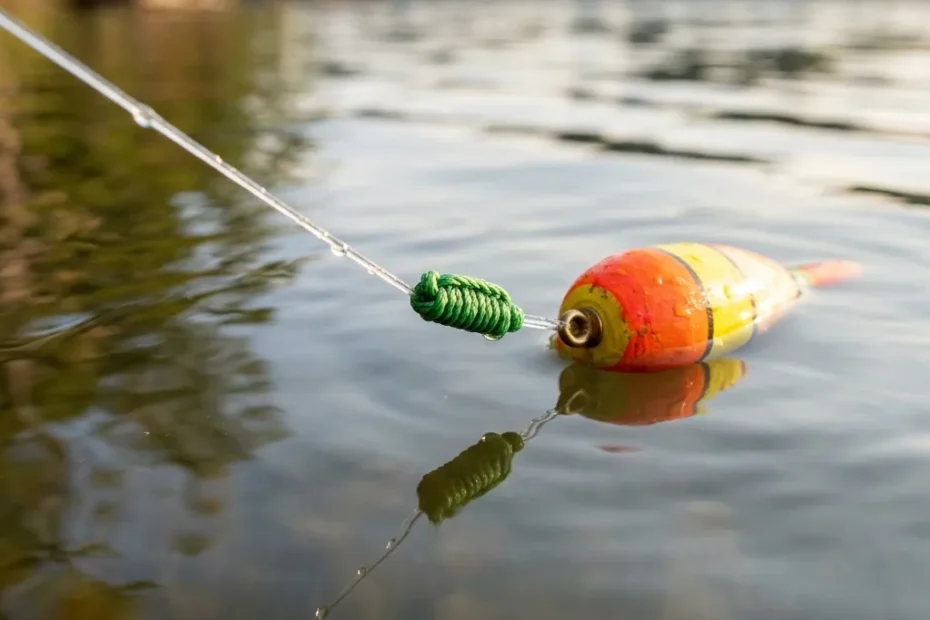
Learn to make easy homemade bobber stops for float fishing! Save money and control your bait depth with simple DIY materials.
- Use Easy Homemade Bobber Stops for Float Fishing to match species behaviour, habitat, season, and presentation to Canadian water conditions
- Check local regulations before fishing; limits, closures, bait rules, and licences can vary by province and waterbody
- Focus on practical setup: where to fish, what to cast or troll, how deep to work, and when to move
Bottom line Easy Homemade Bobber Stops for Float Fishing gets simpler when you pair current rules with the right habitat, timing, and presentation
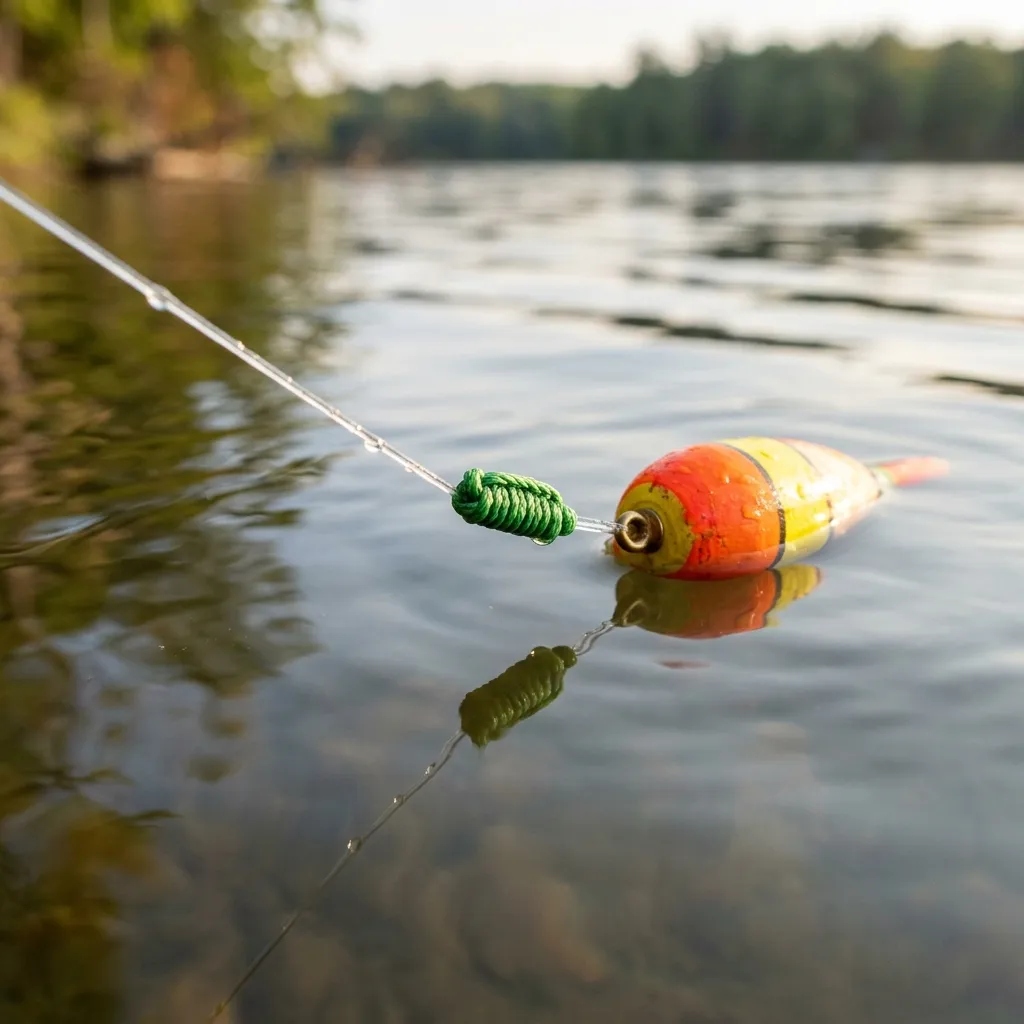
Homemade bobber stops help you set your fishing line depth easily. You can make these helpful tools yourself from simple items you might already have.
Key Takeaways
- Cost-Effective: Crafting your own bobber stops from dacron backing or braided line costs pennies compared to retail packs.
- Perfect Line Grip: Hand-tied Dacron knots grip the main line firmly, preventing slip bobbers from sliding out of alignment.
- Passes Rod Guides: Dacron stops are soft and compact, casting through guides and onto reels smoothly.
- Straw Slide Method: Pre-tying knots onto plastic tubes makes deployment on the water instant and painless.
Estimated reading time: 4 minutes
Many fishers in Canada enjoy float fishing. It’s a fun way to catch fish. Making your own bobber stops can save money. It is also a neat project. These stops keep your bobber from sliding too far up your line. This means your bait stays at the right depth in the water.
Why Bobber Stops Matter
Bobber stops are very important for float fishing. They let you control how deep your bait goes. Getting the right depth can mean catching more fish.
You can move the bobber stop up or down your fishing line. This changes your bait’s depth. It helps you fish where the fish are. Using good fishing tools like bobber stops can make your fishing trips better.
What You Need to Make Them
You can use several simple things to make homemade bobber stops. Many of these items are easy to find.
- Cocktail Straws or Balloon Handles: These are hollow. Your fishing line can pass through them. Some people use pieces of old balloon handles.
- Braided Line: You can use old pieces of braided fishing line. You tie this around the straw piece.
- Drinking Straws: Regular drinking straws also work. Cut them into small bits.
- Beads: Small beads can be used with your homemade stop. They can make it work even better.
- Dacron Line: This material is grippy. It holds well on fishing line.
How to Make Homemade Bobber Stops
Making your own bobber stops is simple.
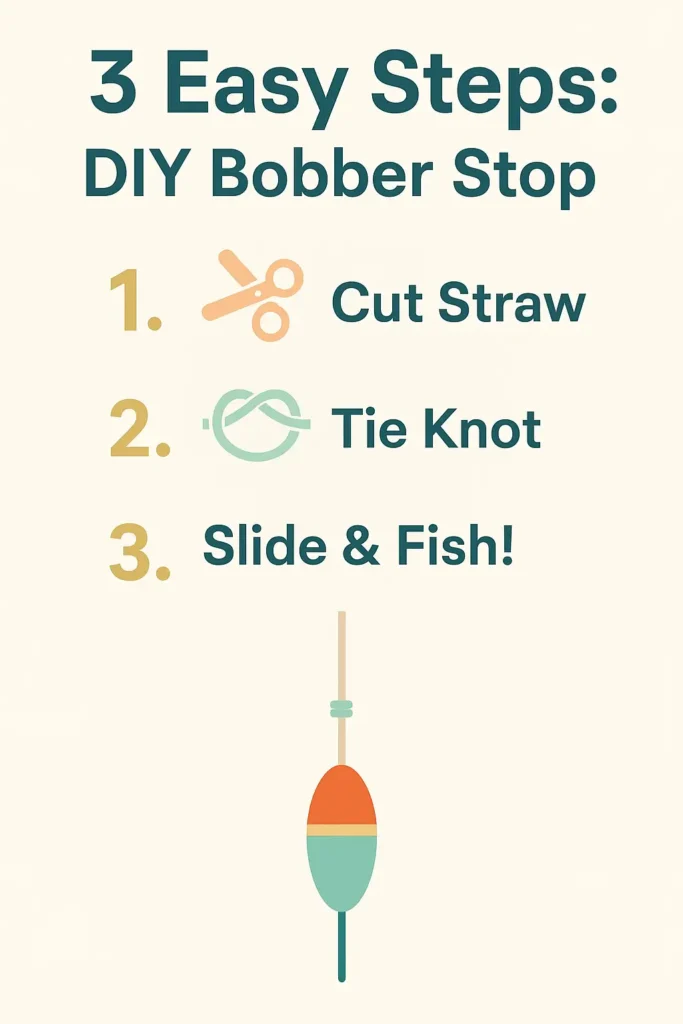
Here are a few ways:
- Straw Method: Cut a small piece from a cocktail straw or balloon handle. Tie a piece of braided line or Dacron tightly around this small tube. Some anglers find this a great off-season DIY tackle project. This knot will stop your bobber.
- Dacron Knot: Dacron line is great because it grips well. Tie it around your small straw piece. Then, slide your main fishing line through the straw. Slide the knot off the straw and onto your main line. Pull it tight.
- Bead Combo: Put a small bead on your line. Then add your homemade bobber stop. The bead can help the stop grip better. It can also protect the knot. This is good if your stop seems to slip.
- Toothpick (for weights): A toothpick isn’t a true bobber stop. But, you can wedge it by your sinker. This holds a weight in place. It’s different from stopping a bobber.
Creating these stops is a good project for when you can’t go fishing. You can try different things. See what works best for your beginner fishing techniques.
| Bobber Stop Type | Line Grip & Hold | Key Detail (Material/Source) |
|---|---|---|
| Braided Line Stop | Excellent grip, soft and compact size. | Heavy PE braided line (50 lb+). |
| Dacron Stop Knot | Industry favorite, grips lines tightly without slipping. | 20–30 lb Dacron backing spool. |
| Rubber Stop Bead | Pre-made slip on line, fast application. | Soft rubber bobber stop beads. |
| Pre-tied Stop Straw | Easiest to deploy on-water in seconds. | Knots pre-wound on coffee straws. |
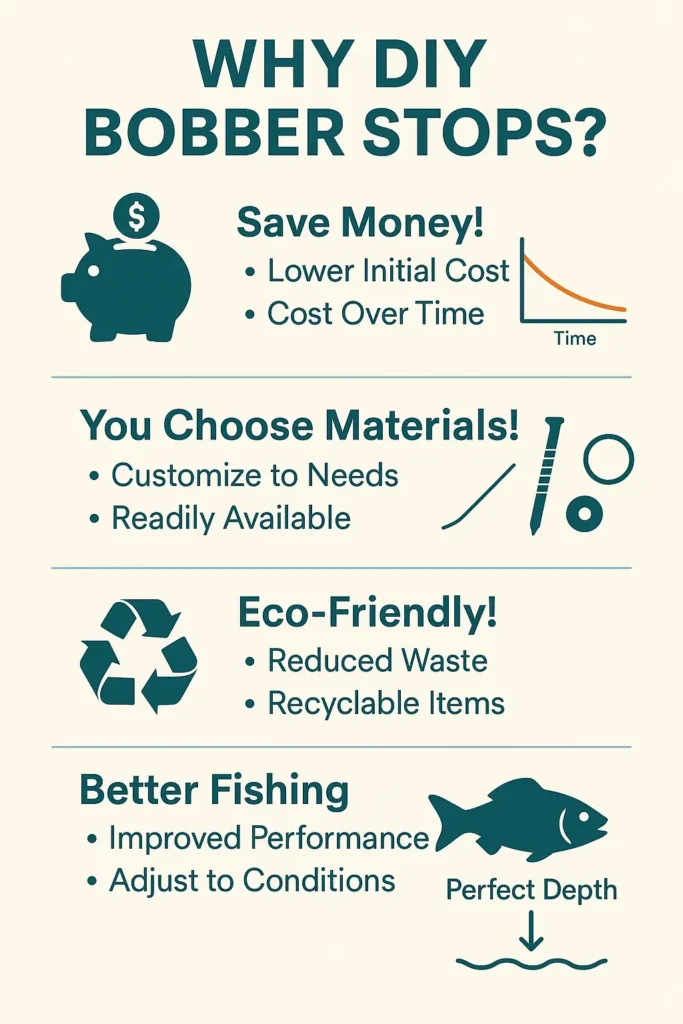
Good Things About Homemade Bobber Stops
Making your own bobber stops has many pluses.
- Saves Money: They cost much less than store-bought ones.
- You Choose: You can pick the size and material for your fishing needs. This is great when choosing essential fishing gear for beginners.
- Good for Earth: Using old items means less waste.
- Strong: With good materials, they can last a long time.
Tips for Using Your Stops
- Change Depth Fast: Slide the stop to quickly try different bait depths.
- Tight Fit: Make sure your knot is tight. It should not move when you cast.
- Try Different Things: Test various materials. Find what you like best. Some materials might work better with certain best fishing lines for Canada.
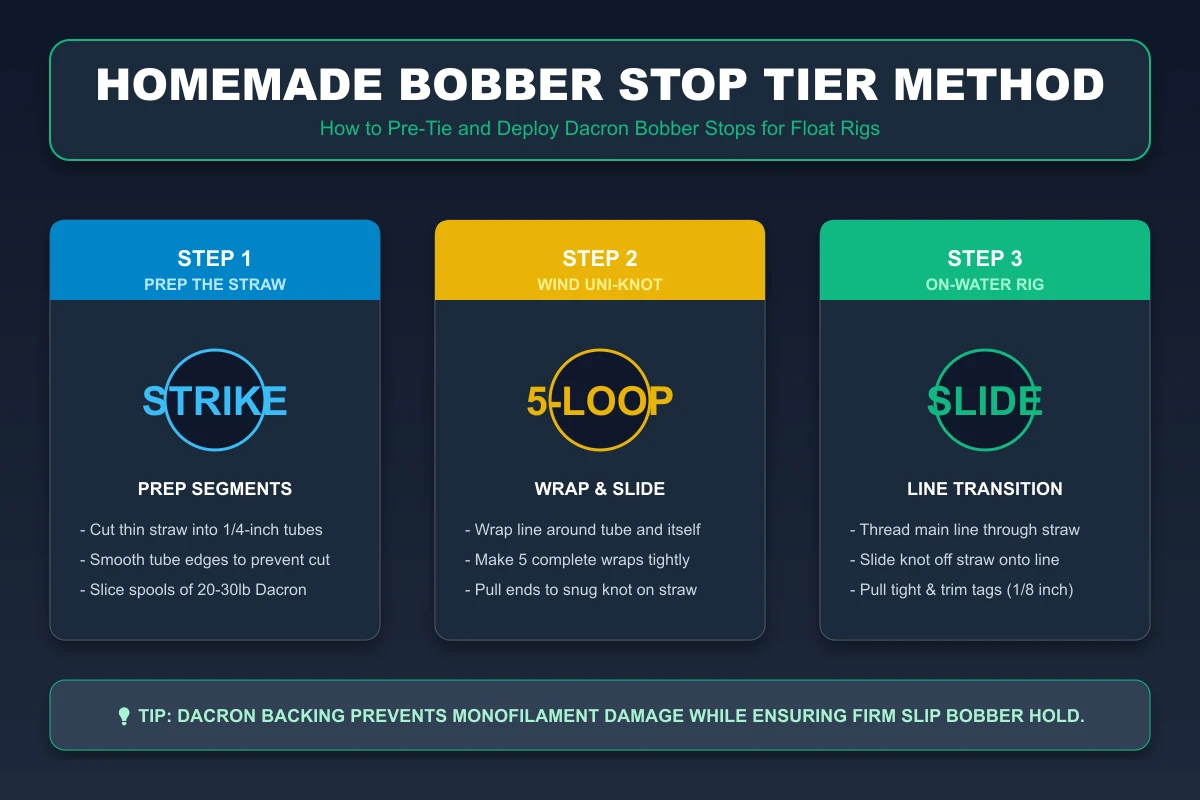
How to Make and Pre-Tie Bobber Stops
An easy guide to tying dacron knot stops for slip bobbers.
1. Cut and Prep the Tubes
Cut a plastic coffee stirrer or small spray tube into segments about 1/4 inch (6mm) in length. Smooth out any jagged edges.
2. Knot the Line
Tie a 5-wrap Uni-knot or nail knot around the plastic tube segment using a 4–6 inch piece of 20–30 lb Dacron backing or braided line.
3. Tighten and Store
Pull the knot tight around the tube, leaving 1-inch tag ends. Slide the completed stop tube into your tackle box for storage.
4. Deploy on the Water
Thread your main fishing line through the pre-tied tube, slide the knot off the tube onto the line, tighten it firmly, and trim the tag ends.
Recommended Bobber Stop Making Gear
Vetted products to help you tie slip knots, secure lines, and float rigs easily.

RIO Products Dacron Fly Line Backing – High-Strength Braided Line with Low Stretch – Super Smooth, Easy-to-Knot Fly Reel Backing – 20lb / 30lb – Multiple Colors & Lengths
Vetted premium item for float fishing rig setup. Essential for clean knot knots and line positioning.

KastKing SuperPower Braided Fishing Line – Abrasion Resistant Braided Lines – Incredible Superline – Zero Stretch – Smaller Diameter – A Must-Have!
Vetted premium item for float fishing rig setup. Essential for clean knot knots and line positioning.
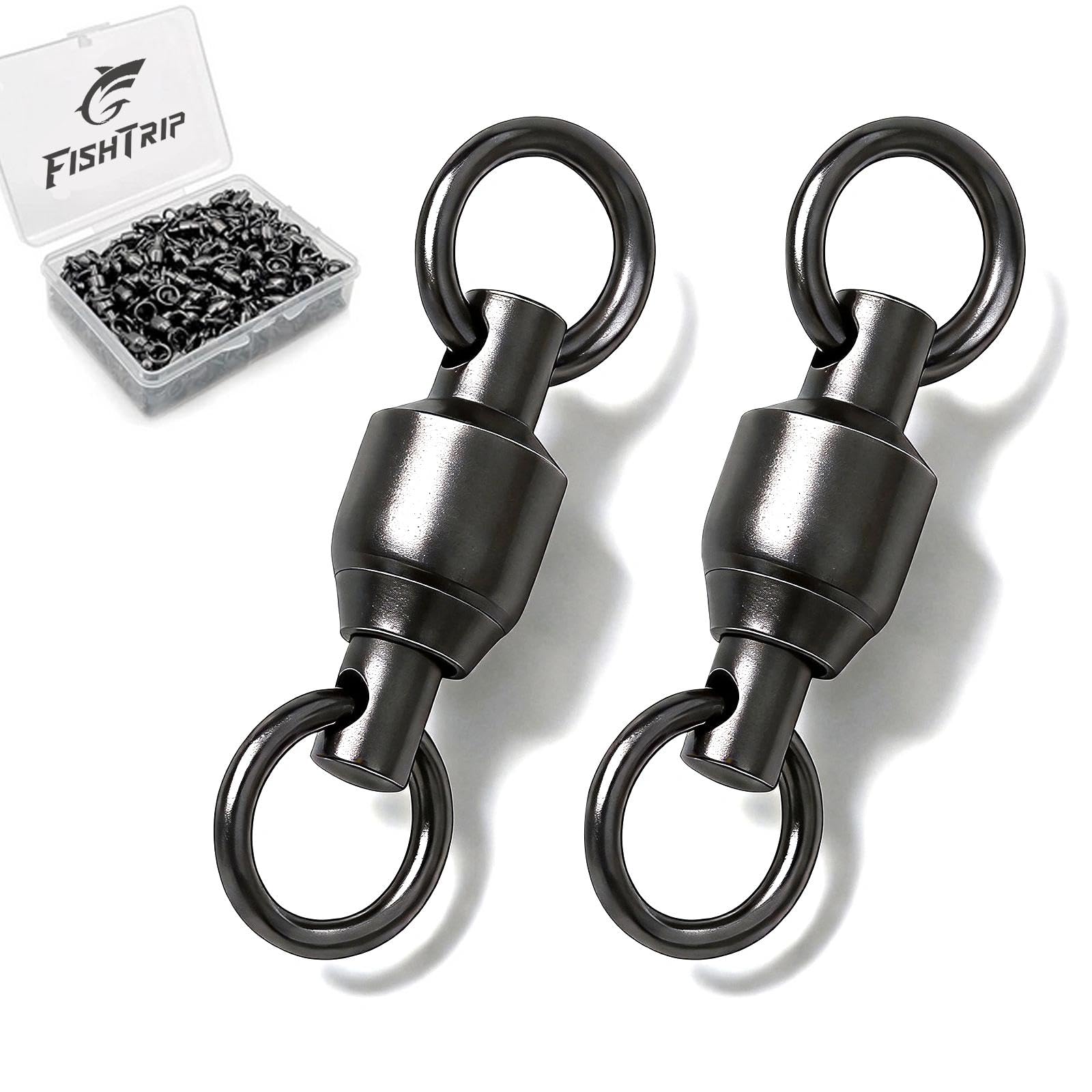
ThillThill Premium Bobber Stops for Fishing Floats
Vetted premium item for float fishing rig setup. Essential for clean knot knots and line positioning.

Lindy Thill Slip Bobber Rigging Kit
Vetted premium item for float fishing rig setup. Essential for clean knot knots and line positioning.

Thill Thill Pro Series Slip Float Premium Fishing Bobber
Vetted premium item for float fishing rig setup. Essential for clean knot knots and line positioning.
Affiliate Disclaimer: As an Amazon Associate, CanadaFever earns from qualifying purchases. This helps support our Canadian outdoor research at no extra cost to you.
Common Problems and Fixes
- Stop Slips?: If your stop moves, use a grippier material like Dacron. Or, tie your knot tighter. Adding a bead can also help.
- Not Lasting?: If it breaks easily, try a thicker straw. Or, use more wraps in your knot.
Many fishers find homemade stops work well. They like being able to make them just right. General fishing sites like Informative Fisherman often share DIY tips.
Conclusion
Homemade bobber stops are a smart idea for float fishing. You can use everyday things to make them. This saves cash. It also lets you be creative. Try making your own.
You might find it helps you catch more fish and enjoy your time by the water even more. For more local fishing information, you can check out resources like Canadian Sportfishing.
1. What is the best material for homemade bobber stops?
Heavy Dacron fly line backing (20-30 lb) or braided fishing line is the best material. It grips the line well, knots tightly, and slides through rod guides easily.
2. How do you attach a slip bobber stop?
Slide your main fishing line through the pre-tied stop straw, push the knot onto your line, pull both tag ends to tighten the knot, and slide the straw off.
3. Why does my bobber stop slide too easily?
The stop knot might not be tied tightly enough, or the stop material is too thin for your main line. Try adding 1-2 extra wraps when tying the knot.
4. How short should I trim the tag ends of a bobber stop?
Leave about 1/8 to 1/4 inch (3-6mm) of tag ends. If you trim them too short, the knot may unravel; if too long, they can catch on your rod guides.
5. Can I reuse a homemade bobber stop?
No, once you slide the knot off the tube and tighten it onto your main line, it cannot be transferred back to a tube or another line. Pre-tie a batch of them on tubes so you always have spares.


