

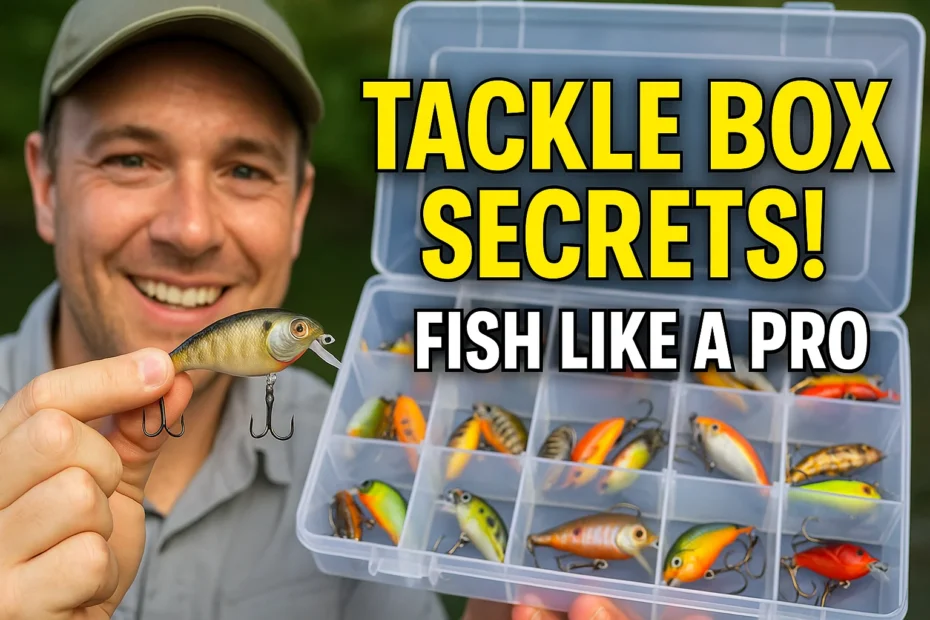
Transform your customizing tackle box for success! Learn simple ways to organize, protect, and optimize your fishing gear for every trip.
- Use How to Transform Your Customizing Tackle Box for Success to match destination, season, access, and budget to the kind of trip you actually want
- Check licences, local rules, travel logistics, weather, and booking windows before locking in dates
- Compare locations by practical fit: target species or activity, remoteness, services, safety, and backup options
Bottom line How to Transform Your Customizing Tackle Box for Success becomes easier when you choose the destination around timing, access, rules, and your real trip style
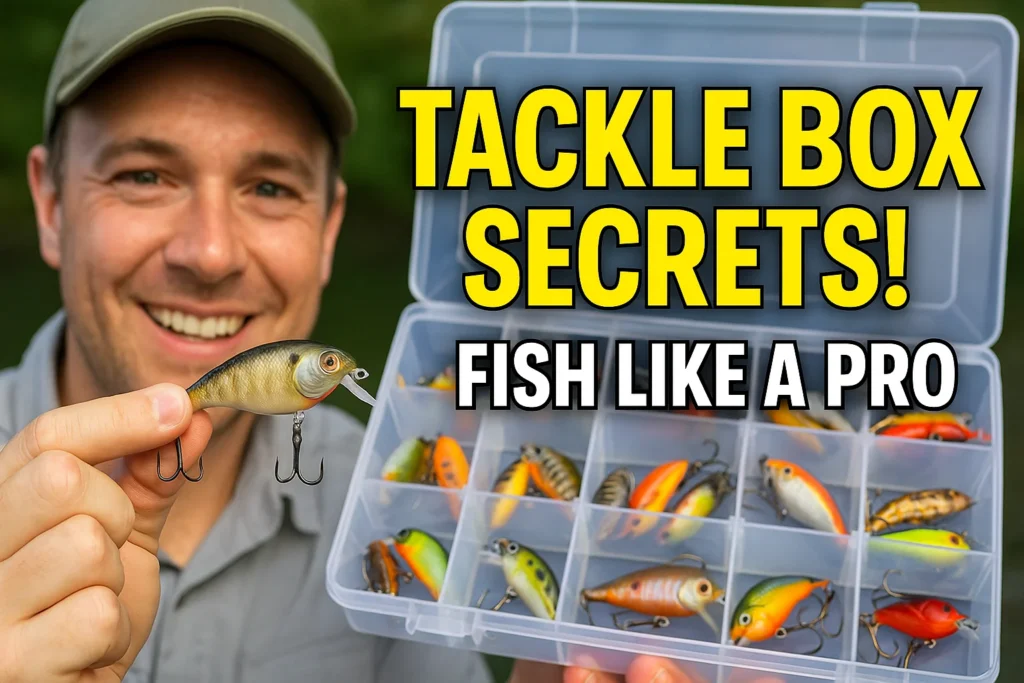
Transforming your tackle box helps you fish better. It means organizing your gear to fit your needs, making every trip easier and more fun.
Key Takeaways
- Why Sort Gear: Saves time on the water, prevents lure tangles, and protects expensive hooks, snaps, and terminal tackle from corrosion.
- Moisture Control: Place food-grade silica gel packets inside utility box compartments to soak up trapped water and prevent rust.
- Waterproof Choice: Under wet Canadian rain and snow conditions, use utility boxes with Dri-Loc O-ring seals for complete water exclusion.
- Modular Layout: Standardizing on the 3600 or 3700 footprint allows you to swap species-specific trays in and out of tackle bags instantly.
Estimated reading time: 6 minutes
Ever feel like you spend more time searching for gear than fishing? A messy tackle box can slow you down. Learning how to transform your customizing tackle box for success changes everything.
It makes your fishing trips smoother and more enjoyable. You can learn more about general fishing tackle boxes and storage here.
Why a Custom Tackle Box Matters
A well-organized tackle box is key for good fishing. It helps you quickly find the right gear. This saves time and stops your lures and tools from getting lost or tangled. For Canadian anglers, making your tackle box fit your fishing style, target fish, and seasons helps a lot. It makes your time on the water better.
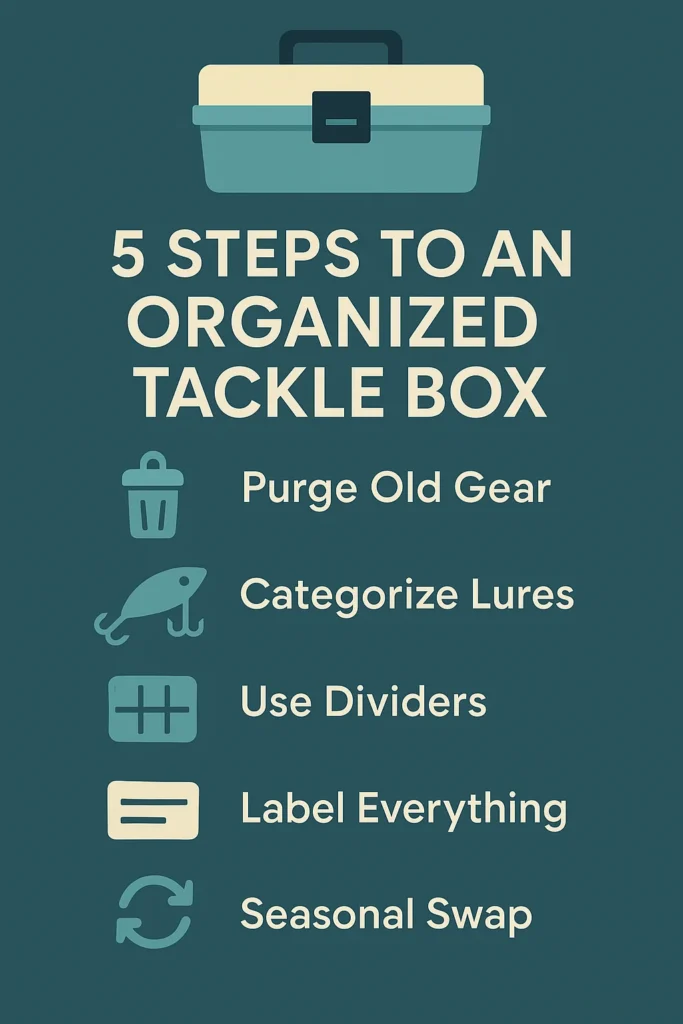
Simple Ways to Organize Your Tackle Box
Sorting your fishing gear makes a big difference. Here are easy ways to do it:
- Sort by Type: Put lures, hooks, and weights into separate groups. Then, sort them by how you fish, like for jigging or topwater. This helps you find things fast.
- Use Dividers: Get tackle boxes with dividers you can move. This lets you make spaces for different sized items. It stops gear from breaking or tangling.
- Label Everything: Write clear labels on each spot or box. This helps you know what’s inside at a glance. Modern tackle boxes often have clear lids and spaces for labels, making tackle management easier.
- Stackable Storage: Use boxes that stack or separate packs. You can swap them for different trips. This also helps you change gear for Canadian weather and fish, a smart approach for varied conditions.
How to Customize Your Tackle Box, Step-by-Step
Follow these steps to set up your tackle box:
Step 1: Clean Out Your Gear
First, check all your fishing items. Throw out anything broken, rusty, or damaged. Do this once a year. It keeps your box neat and stops gear from failing. Make sure all lures and hooks are dry before you put them away. This stops rust, especially in wet Canadian weather.
Step 2: Sort for Your Fishing Style
Think about how you fish. Do you fish for bass, trout, or ice fish? Make separate areas or boxes for each type of fishing. Store soft plastic baits in binders or resealable bags to preserve shape and prevent tangles.
You can find more tips on customizing soft plastic baits.
Step 3: Pick the Right Box
Choose a strong, waterproof tackle box. Look for one with dividers you can move. Consider specialized storage like Plano’s StowAway Utility Boxes with crystal-clear lids and secure closures to protect against accidental spills and environmental exposure.
Step 4: Arrange Your Gear Well
Put the things you use most often where you can reach them easily. Store bigger items or things you rarely use at the bottom. Use removable holster kits or shot packs to consolidate essential items in one spot. For more on tools, check out fishing tools.
Step 5: Label Everything
Use waterproof labels. Update them often. Change your setup if needed after a fishing trip.
How to Build a Custom Modular Tackle Box System
A step-by-step approach to tailoring your tackle storage for Canadian angling success.
1. Purge and Clean Your Gear
Empty your tackle box completely. Wash the tray slots with warm water and soap to remove old fish slime and dirt, then let it dry. Dispose of any rusted hooks and broken soft plastics immediately.
2. Categorize by Target Species
Sort your lures and terminal tackle into species-specific trays (e.g., Bass jigs, Pike leaders, Walleye spinner rigs). This allows you to bring only what you need, reducing boat clutter.
3. Upgrade to Waterproof Utility Trays
Select utility trays (like Plano StowAway 3600 or 3700 size) equipped with Dri-Loc O-ring seals. These keep rain, lake spray, and melting snow from leaking into your compartments.
4. Label and Add Desiccants
Use a handheld label maker with waterproof tape to mark the tray lids and spines. Drop 2-3 food-grade silica gel packets into each compartment to absorb lingering humidity and prevent rust.
Special Tips for Canadian Anglers
Canadian fishing means dealing with cold and wet conditions. Your tackle box needs to be tough.
- Weather Ready: Pick boxes with waterproof seals. This protects your gear from rain and snow. Some even have insulated spots for bait. Look for rust-resistant parts.
- Seasonal Gear: Have different boxes for summer and winter. Keep only the right lures for the season in your main box. This saves space.
- Local Fish: Change your box based on local fish species like Northern Pike, Walleye, Bass, or Trout:
- Northern Pike: Use heavier lures and strong leaders.
- Walleye: Use jig heads and soft plastics in earth tones.
- Bass: Sort crankbaits and topwater lures by size and color.
- Trout: Keep small spinners, flies, and ultralight gear separate.
New Ideas for Your Tackle Box
Modern tools can make your tackle box even better.
- Smart Tools: Use magnetic holders for tools on your box lid. Look for clear, stackable containers. Padded cases can hold delicate electronics. You can even use apps to track your gear. This helps you avoid buying too much.
- Better Light: Some tackle boxes have LED lights. You can also add lights. This is great for night fishing or low light, common in Canada’s north.
Keeping Your Tackle Box Ready
Good care keeps your gear working well.
- Clean and dry your tackle after every trip. Then put it back.
- Check your box often for wet spots, rust, or wear.
- Once a year, think about what gear you really need. Adjust your setup as your fishing changes.
- Put small silica gel packs inside your box. They soak up moisture. This helps your gear last longer.
My Experience: A Custom Tackle Box Changed Everything
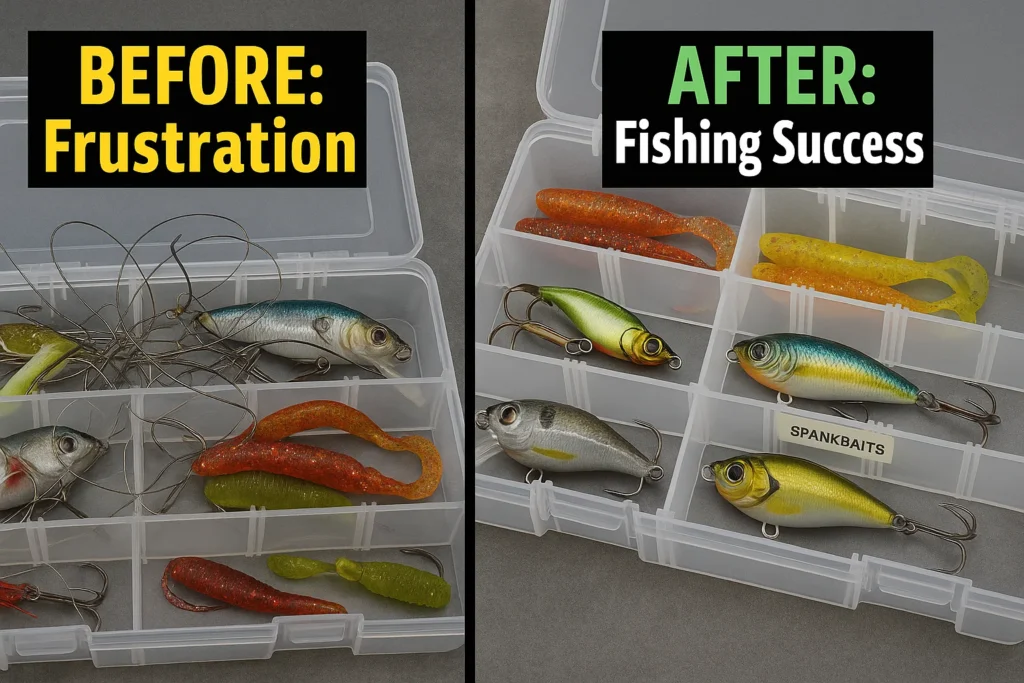
I used to just throw all my lures into one big box. Every trip meant digging around, wasting time, and often finding tangled messes. One cold spring morning, fishing for walleye, I couldn’t find my favorite jig. It was buried under a pile of bass lures.
That day, I decided to truly transform my customizing tackle box for success. I spent an afternoon sorting, labeling, and using small clear containers. The next trip was amazing; I found everything instantly. It truly made fishing more enjoyable and less about the frustrating search.
Recommended Tackle Box Customization Gear
Vetted products to help you organize your tackle, protect your hooks, and find your lures fast.

Plano ProLatch StowAway 3600 Utility Box
The standard, dependable mid-sized utility tray. Features adjustable compartments to store terminal tackle and medium lures securely.
Plano 3640 Waterproof StowAway Box
Equipped with a Dri-Loc O-ring seal and three tight-sealing latches. Offers ultimate waterproof protection for wet Canadian environments.
Plano ProLatch StowAway 3700 Utility Box
The larger 3700-series tray size. Perfect for storing larger lures like pike spoons, musky plugs, or deep-diving bass crankbaits.

DYMO LabelManager 160 Handheld Label Maker
Features a QWERTY keyboard and quick-formatting keys. Enables clean, professional labeling on all of your tackle compartment spines.
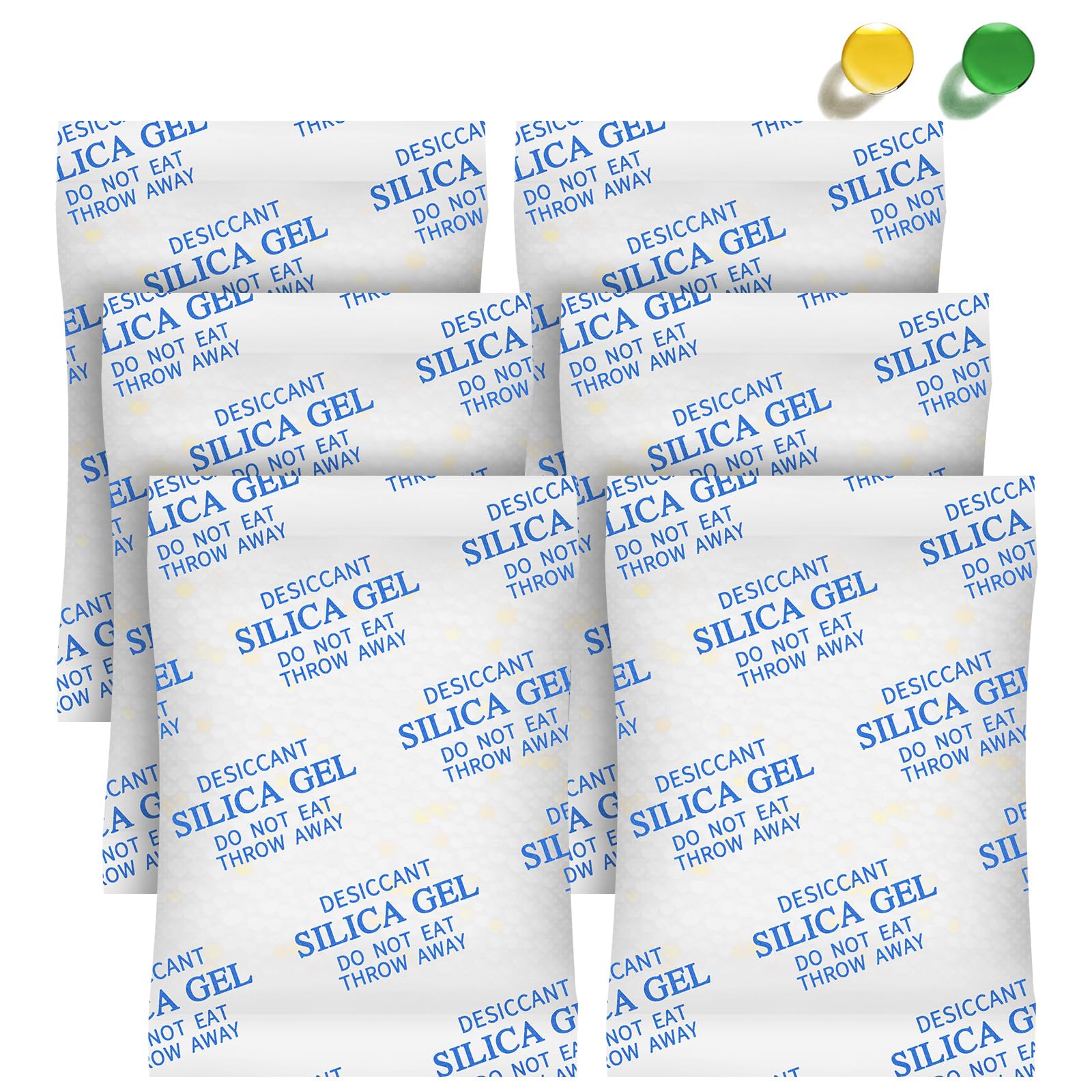
Dry & Dry 2g Silica Gel Packets (200-Pack)
Food-grade, rechargeable silica packets. Place 2-3 packets in each compartment to absorb lingering humidity and prevent hook rust.
Affiliate Disclaimer: As an Amazon Associate, CanadaFever earns from qualifying purchases. This helps support our Canadian outdoor research at no extra cost to you.
Benefits of an Organized Tackle Box
An organized tackle box helps you in many ways:
- You spend less time getting ready to fish. This means more time actually fishing. If you’re just starting out, understanding essential fishing gear for beginners is a great first step.
- You get less upset from lost or tangled gear.
- You feel more ready and confident. This helps you fish better.
- You manage your gear well. This saves money and reduces waste.
| Organization Method | Benefit (Simple Terms) | Quick Setup Tip |
|---|---|---|
| Categorize Gear | Find lures and hooks fast. Wastes less time on the water. | Sort by lure type (e.g., crankbaits, jigs), then by depth and target species. |
| Use Adjustable Dividers | Keeps items separate. Stops hook tangles and hook point damage. | Make compartments fit specific sizes. Avoid forcing large plugs into small slots. |
| Label Compartments | Easy to see what’s inside. Quick tray swaps. | Use waterproof label tape to mark the spines and lids of your utility trays. |
| Modular Storage | Swap gear easily for different trips. Extremely portable. | Organize by species. Bring only the Bass trays for Bass day, leaving Pike trays home. |
| Prevent Rust | Protects valuable hooks and lures. Makes gear last seasons longer. | Dry all items well after use. Place 2-3 silica gel packets in every utility tray. |
1. How do I organize my fishing tackle box?
Start by sorting gear by type (lures, hooks). Use adjustable dividers to create sections. Label each compartment clearly. Store frequently used items where they are easy to reach.
2. What is the best way to store soft plastics?
Store soft plastics in binders or resealable bags. This helps them keep their shape. It also stops them from tangling with other gear. Keep them separate from hard lures.
3. How do I keep my fishing hooks from rusting?
Always dry your hooks and lures completely before storing them. Use silica gel packs inside your tackle box. This helps soak up moisture and prevents rust.
4. Should I have different tackle boxes for different types of fishing?
Yes, it is a good idea. Having separate boxes for different fishing styles or seasons (like summer vs. winter) helps keep your main box clutter-free. You only carry what you need.
5. What are modular tackle boxes?
Modular tackle boxes use smaller, stackable containers. You can easily add or remove these units. This makes your gear more flexible and portable for different trips.
6. How often should I clean my tackle box?
Clean and dry your tackle after every fishing trip. Do a full check of your tackle box once a year. Look for any damage, rust, or items you no longer need.
7. What kind of labels should I use for fishing gear?
Use waterproof labels or a label maker. This ensures the labels stay clear and readable even if they get wet. Update them as your tackle changes.


