


Learn advanced jigging techniques for Canadian walleye, lake trout, pike and deep-water fish with cadence, depth, gear, electronics and rule checks.
- Use Advanced Jigging Techniques for Walleye, Trout and Pike in Canada to match destination, season, access, and budget to the kind of trip you actually want
- Check licences, local rules, travel logistics, weather, and booking windows before locking in dates
- Compare locations by practical fit: target species or activity, remoteness, services, safety, and backup options
Bottom line Advanced Jigging Techniques for Walleye, Trout and Pike in Canada becomes easier when you choose the destination around timing, access, rules, and your real trip style
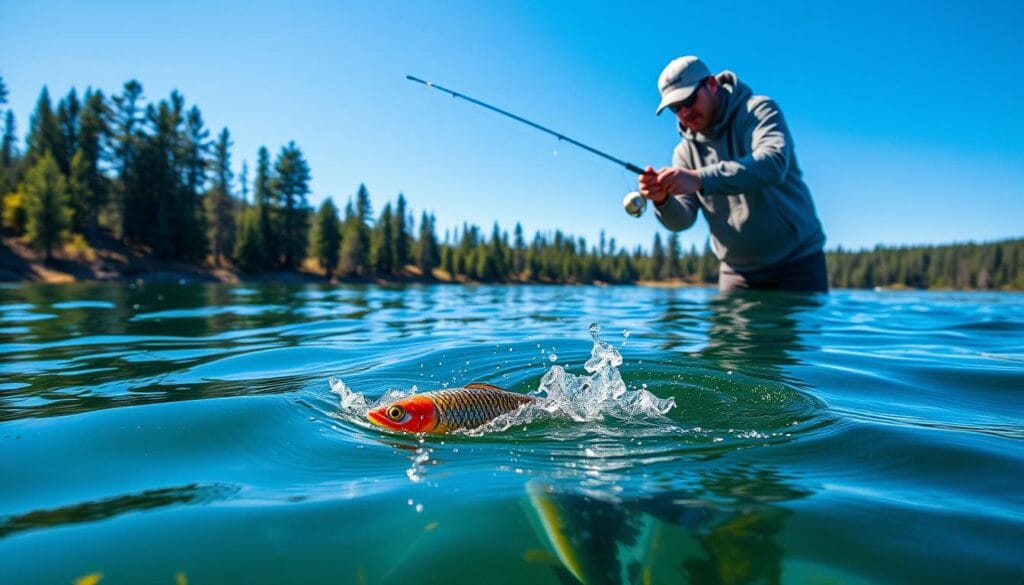
Advanced jigging techniques: what matters most?
The best advanced jigging technique is the one that keeps your jig in the strike window while matching the fish’s mood. For Canadian walleye, lake trout, pike, smallmouth, perch, and deep-water species, that usually means controlling five variables: depth, weight, cadence, line angle, and pause length.
If the jig is above the fish, below the fish, too light for current, too heavy for a subtle bite, or moving at the wrong speed, colour will not save the presentation. Start with control first, then refine colour, profile, scent, trailer, and electronics.
CanadaFever takeaway: Advanced jigging is not “more aggressive.” It is more precise. The upgrade is knowing when to snap, stroke, hover, drag, glide, or deadstick.
The CanadaFever jigging decision system
Advanced jigging techniques by species
Use species first, then pick the jigging move. A walleye sliding along a current edge does not want the same cadence as a lake trout chasing in deep clear water or a pike holding near weeds.
| Target | Best advanced jigging move | Where it fits | Next CanadaFever guide |
|---|---|---|---|
| Walleye | Snap-jig, lift-drop, hover, drag, or short hop with long pauses. | Rock transitions, current breaks, weed edges, basin edges, river holes, and ice-fishing structure. | Walleye Fishing in Canada |
| Lake trout | Vertical jig, chase cadence, long stroke, pause, or reel-away trigger. | Deep clear lakes, humps, points, suspended bait, and ice-fishing basins where legal. | Lake Trout Fishing |
| Northern pike | Glide bait, spoon rip, large soft-plastic lift, or wounded-fish fall. | Weedlines, bays, river mouths, shallow-to-deep edges, and winter ambush zones. | Northern Pike Fishing |
| Smallmouth bass | Tube drag, Ned hop, football jig crawl, hair jig swim, or blade bait lift. | Rock, current seams, shoals, drop-offs, and cold-water edges. | Smallmouth Bass Fishing |
| Yellow perch and whitefish | Micro-jig, subtle quiver, bottom puff, glow cadence, or tiny spoon pause. | Ice-fishing basins, flats, soft-bottom transitions, and small school movements. | Yellow Perch Fishing |
Jigging cadence: when to snap, drag, hover or deadstick
| Cadence | How to fish it | Best when | Common mistake |
|---|---|---|---|
| Snap-jigging | Sharp lift, controlled slack, quick bottom or depth reset. | Walleye, bass, aggressive fish, scattered structure, and reaction bites. | Snapping so hard the jig leaves the strike window. |
| Stroke jigging | Big lift, fall on controlled slack, watch line for ticks. | Deep fish, lake trout, bass, or fish following bait vertically. | Missing bites on the fall because the line is unmanaged. |
| Drag and shake | Keep bottom contact, shake in place, move inches not feet. | Cold fronts, clear water, pressured bass, subtle walleye. | Dragging too fast and turning finesse into bottom scraping. |
| Hover | Hold just above fish, tremble the rod tip, pause often. | Ice fishing, suspended fish, neutral sonar marks, and clear water. | Dropping below the fish when they are looking up. |
| Deadstick | Stop the jig in the strike window and let the plastic, bait, or hair breathe. | Neutral fish, winter bites, post-front conditions, and followers. | Moving again before the fish commits. |
Jig weight, line angle and depth control
Most advanced jigging problems are control problems. If the jig is too light, it drifts out of position. If it is too heavy, it kills subtle action or wedges into bottom. If the line angle is too steep or too flat for the situation, the angler loses feel and hook-setting power.
- Vertical boat jigging: choose enough weight to stay nearly vertical without turning the jig into a dead sinker.
- River jigging: match weight to current so the jig ticks bottom naturally instead of dragging or sweeping too fast.
- Ice jigging: depth control matters more than casting distance. Keep the lure above fish when they rise to inspect.
- Deep lake jigging: use line diameter, jig profile, and electronics to reduce blowback and stay near the actual target depth.
For line-specific planning, see Best Braid for Walleye Jigging in Canada. For broader kit choices, use Fishing Gear and Equipment.
Seasonal jigging patterns in Canada
Seasonal notes are planning patterns, not open-season claims. Before fishing, verify the exact province, zone, species, waterbody, date, bait, hook, possession, and size rules.
Slow the fall
Cold water, current, post-spawn transitions, and shallow edges often reward controlled drops and pauses where legal.
Track depth
Deep structure, weeds, thermoclines, bait schools, and low-light windows make depth control more important.
Trigger then pause
Fish may chase, then stall. Mix aggressive lifts with long pauses, especially for lake trout, walleye, perch, and pike.
Using electronics without losing the fish
Sonar, forward-facing sonar, flashers, mapping, and fish finders can make jigging more precise, but they do not replace presentation skill. Treat electronics as feedback: did the fish rise, follow, turn away, pin bottom, or disappear?
| What you see | Likely meaning | Next jigging adjustment |
|---|---|---|
| Fish rises fast then stops | Interested but not committed. | Pause, quiver, or short drop instead of ripping away every time. |
| Fish follows down | It may want the fall or is inspecting. | Let the jig fall on controlled slack and watch line carefully. |
| Fish stays pinned to bottom | Neutral, cold, pressured, or feeding tight to bottom. | Drag, shake, micro-hop, or deadstick in place. |
| Marks scatter from the boat | Too much pressure, noise, shadow, or repeated passes. | Back off, cast, lighten line, or change approach angle. |
For electronics planning, use fish finder and electronics guides if available, or start from the main fishing gear hub.
Troubleshooting advanced jigging problems
- Short strikes: shorten trailer, add pause, downsize hook gap, or use a stinger only where legal and ethical.
- Snags: lighten weight, raise rod angle, switch head shape, or fish slightly above bottom.
- Followers that will not bite: stop moving, change fall speed, reduce profile, or make one sharper trigger move.
- No feel in current: increase weight, thin line diameter, change casting angle, or fish closer to vertical.
- Fish on sonar but no bites: change cadence before changing colour; then adjust size, flash, scent, or profile.
Rules and safety checks before advanced jigging
Advanced jigging often pushes anglers into deeper water, current, ice, night bites, salmon/steelhead contexts, or multi-hook and bait decisions. That is exactly when official rules matter most.
- Verify whether bait, scent, barbs, treble hooks, stinger hooks, multiple lines, electronics, and live bait are legal for the exact water.
- Check size, slot, retention, catch-and-release, species, waterbody, park, and seasonal restrictions.
- For ice jigging, separate fishing rules from ice safety. No fish is worth unsafe ice, current, pressure cracks, or poor visibility.
Start with Fishing Regulations and Licences in Canada and the Canada Outdoor Planning Tools.
FAQ
What is the most advanced jigging technique?
The most advanced technique is not always the hardest snap. It is reading fish response and changing depth, cadence, angle, weight, and pause length without leaving the strike window.
What jig weight should I use?
Use the lightest jig that still lets you control depth, feel bottom or the strike zone, and keep the right line angle. Current, depth, wind, line diameter, and boat speed all change that answer.
Is jigging good for walleye in Canada?
Yes, jigging is one of the core walleye methods in many Canadian lakes and rivers, but final seasons, bait rules, size limits, and possession rules must be checked for the exact water.
Can I use stinger hooks while jigging?
Only where legal and appropriate. Hook rules can change by province, waterbody, species, and method. Check the official regulations before adding a stinger, treble, bait, or second hook.
Should I change colour or cadence first?
Change cadence, depth, pause, or line angle first if fish are present. Colour matters, but a perfectly coloured jig in the wrong depth or moving at the wrong speed still fails.
Next CanadaFever guides
Match jigging to the fish
Use species profiles before choosing cadence, depth, and gear.
Open species hubChoose rod, line and electronics
Build the jigging setup around depth, line angle, and target species.
Open gear hubJig in current better
River jigging starts with seams, current breaks, weight control, and safer positioning.
Open river guideOfficial sources for jigging rules and species checks
Use these sources to verify rules before changing bait, hooks, waterbody, species, or trip province. CanadaFever explains planning patterns; official sources control the final answer.
DFO recreational fishing
Federal entry point for recreational fishing rules, especially marine, salmon, and coastal contexts.
Open DFO rulesDFO aquatic species
Canadian species and habitat context for fish identification and planning.
Open DFO speciesOntario fishing information
Province-level licence and rule starting point for many walleye, trout, bass, pike, and ice plans.
Open Ontario sourceB.C. fishing rules
B.C. separates freshwater, tidal, salmon, steelhead, and in-season rule contexts.
Open B.C. sourceAlberta regulations
Annual sportfishing regulations and official planning source for Alberta waters.
Open Alberta source